 Singapore
 Australia
 Indonesia
 Japan
Japan Malaysia
 New Zealand
 Philippines
 South Korea
 Taiwan
 Thailand
 VIETNAM
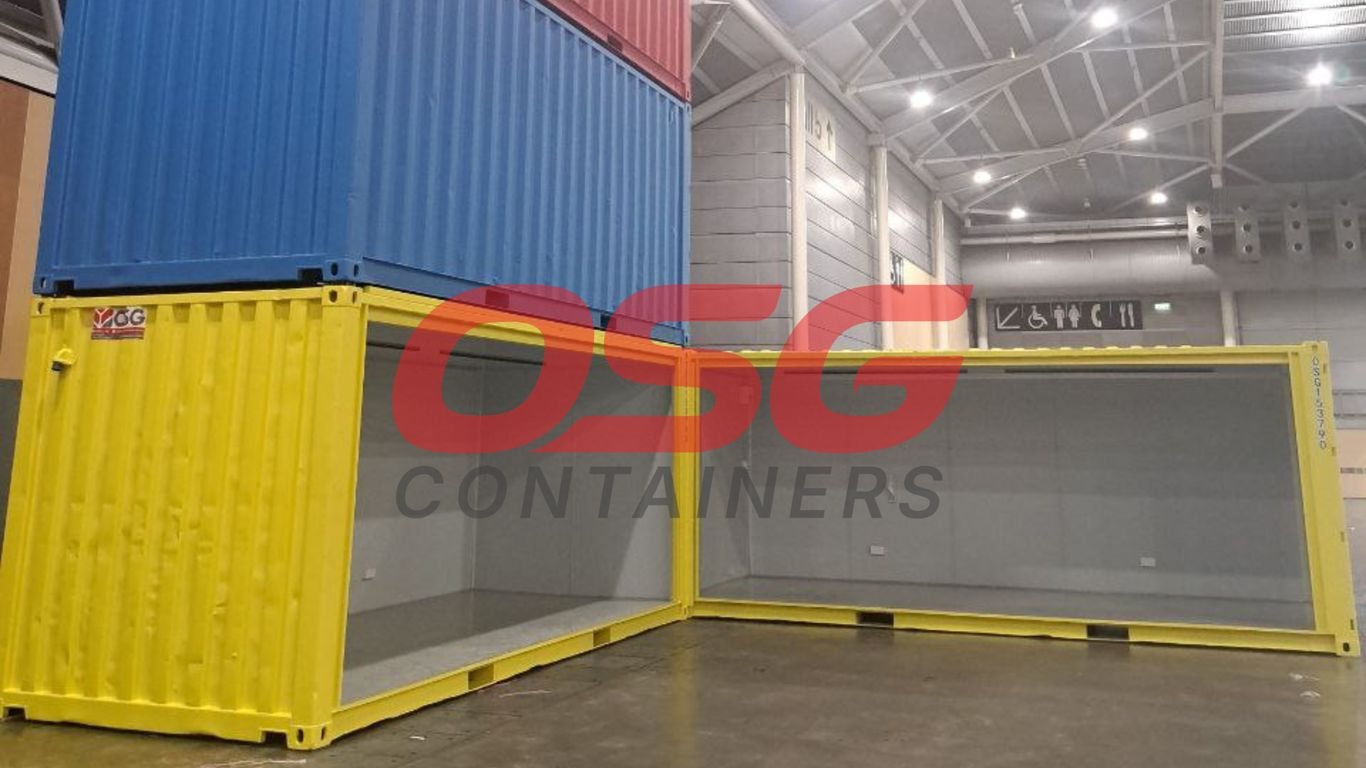
So, you’ve probably seen them everywhere – those big metal boxes on ships, trains, and trucks. We’re talking about the 40-foot shipping container, a real workhorse in moving stuff around the world. This article is going to break down what makes these cont 40 feet so useful, from their sizes and how much they can hold to all the different ways people use them. We’ll also touch on why they’re a good choice and what to look out for when you’re planning to use one. It’s all about making sure you know what you’re getting into.
Key Takeaways
- A standard 40ft container offers a lot of space, around 67 cubic meters, perfect for moving household goods or even multiple vehicles.
- The internal dimensions are roughly 39 feet long, over 7 feet wide, and nearly 8 feet high, making loading practical.
- These containers can hold a significant amount of weight, but it’s important to check the maximum payload to avoid overloading.
- High cube versions add extra height, giving you more room for bulky items or for stacking things higher.
- Beyond shipping, 40ft containers are used for storage, temporary offices, and even creative building projects, showing their versatility.
Understanding 40 Feet Container Dimensions and Capacity
So, you’re looking at a 40-foot container and wondering what exactly fits inside and how much space you’ve got to work with. It’s a pretty common sight, right? You see them stacked up at ports or rumbling down the highway. But knowing the nitty-gritty details about their size and how much they can hold is actually super important if you’re planning to ship anything, store stuff, or even get creative with them. It’s not just about guessing; every inch matters when you’re trying to pack efficiently or avoid surprise fees.
Standard 40ft Container External Dimensions
When we talk about the outside of a 40-foot container, we’re talking about the measurements that matter for transport and stacking. These are pretty standard across the board, thanks to international rules, so they fit onto ships, trains, and trucks without a hitch. Think of these as the container’s footprint.
| Dimension | Measurement (Approximate) |
|---|---|
| Length | 40 feet (12.19 meters) |
| Width | 8 feet (2.44 meters) |
| Height | 8 feet 6 inches (2.59 meters) |
Internal Dimensions and Usable Volume
Now, this is where the real magic happens – the space inside the container. The walls and structure take up a bit of room, so the internal measurements are a little smaller. This is the space you’ll actually be filling with your goods. The usable volume is usually measured in cubic meters (CBM) or cubic feet (ft³).
- Internal Length: Around 39 feet 6 inches (12.03 meters)
- Internal Width: Roughly 7 feet 8 inches (2.35 meters)
- Internal Height: About 7 feet 10 inches (2.39 meters)
This gives you a total internal volume of about 67.6 cubic meters (2,389 cubic feet). It sounds like a lot, and it is! It’s enough space to move the contents of a 3-4 bedroom house, or to ship a significant amount of goods.
High Cube vs. Standard 40ft Container Differences
When you need just a little more room, especially vertically, the High Cube (HC) version comes into play. It’s the same length and width as a standard 40-footer, but it’s a whole foot taller.
- Standard 40ft Container Height: 8 feet 6 inches
- 40ft High Cube Container Height: 9 feet 6 inches
This extra height might not sound like much, but it adds about 13% more volume, bringing the total internal space up to around 76.3 cubic meters (2,694 cubic feet). This is a big deal if you’re shipping lightweight but bulky items, or if you need that extra bit of clearance for machinery or to double-stack pallets more easily.
Knowing these dimensions isn’t just for the shipping nerds. It helps you figure out if your stuff will actually fit, how much you can pack in, and if you’re getting the best bang for your buck. Plus, it stops you from having to leave things behind or pay extra because you didn’t plan right. It’s all about making sure your cargo gets from point A to point B without any headaches.
When you’re planning, remember that the door opening is also a key measurement. It’s usually about 7 feet 5 inches high and 7 feet 8 inches wide. So, make sure your biggest items can actually get through that opening!
Diverse Applications of the 40 Feet Container
Core Role in International Shipping and Trade
The 40-foot container is pretty much the backbone of global commerce. Think about it – most of the stuff you buy, from your phone to your clothes, probably traveled across oceans in one of these. They’re the standard for moving large quantities of goods between countries, making international trade possible on the scale we see today. They’re built tough, so they can handle the rough and tumble of sea voyages, train rides, and truck journeys. This ability to move so much cargo reliably and relatively affordably is what keeps the world’s supply chains running.
Reliable Storage Solutions
But it’s not just about moving things. These containers are also fantastic for storage. Businesses often use them as temporary or even long-term warehouses. Need to store extra inventory? Got seasonal stock piling up? A 40-foot container provides a secure, weatherproof space to keep your goods safe until you need them. They’re way more flexible than building a permanent warehouse, and you can just place them where you need them, whether that’s at a port, a factory, or even on your own property.
Creative Uses Beyond Transportation
This is where things get interesting. People have figured out that these sturdy metal boxes are more than just cargo haulers. You’ll see them turned into pop-up shops, cafes, offices, and even homes. Their modular nature means you can stack them, connect them, and customize them for all sorts of purposes. It’s a pretty neat way to create functional spaces quickly and often more affordably than traditional construction. Plus, they have a certain industrial-chic vibe that’s popular right now.
The adaptability of the 40-foot container means it’s constantly finding new roles. From its primary function in shipping to serving as a secure storage unit or a foundation for innovative architectural projects, its utility is vast. This versatility is a key reason why it remains such an important piece of equipment in logistics and beyond.
Here are a few examples of these creative uses:
- Pop-up Retail: Businesses use them for temporary stores at events or in high-traffic areas.
- Mobile Offices: Great for construction sites or remote work locations.
- Living Spaces: Increasingly popular for affordable housing solutions or unique homes.
- Workshops & Studios: Artists and craftspeople find them ideal for dedicated creative spaces.
- Urban Farms: Some have been converted into vertical farming units.
Key Advantages of Utilizing 40 Feet Containers
So, why are these big metal boxes so popular? It really comes down to a few big wins that make them a go-to for so many businesses. They just make sense for moving a lot of stuff without breaking the bank.
Cost-Effectiveness and Volume Efficiency
Think about it: you’re shipping goods across the ocean or even just across the country. Using a 40-foot container means you can pack a whole lot more into one shipment compared to smaller options. This really cuts down on the per-item cost. It’s like buying in bulk – you get a better deal when you buy more at once. This is super important for companies trying to keep their prices competitive.
Here’s a quick look at how much you can fit:
| Container Type | Usable Internal Volume (approx.) |
|---|---|
| Standard 40ft | 67.7 cubic meters |
| 40ft High Cube | 76.4 cubic meters |
As you can see, the High Cube gives you even more space, which is great for lighter, bulkier items.
Exceptional Versatility for Various Cargo
These containers aren’t just for one type of thing. You can ship almost anything in them, from electronics and clothing to machinery and building materials. Need to ship something that needs to stay cold? There are refrigerated 40-footers for that. Got oversized equipment? Open-top or flat-rack versions can handle it. This flexibility means one type of container can serve many different needs, simplifying logistics.
- Dry Containers: Your everyday workhorse for general goods.
- High Cube Containers: For when you need that extra bit of height.
- Refrigerated Containers: Keeping your perishables fresh.
- Open-Top & Flat Rack: For those awkward, oversized items.
The ability to adapt a single container type to such a wide array of shipping needs is a major reason for its widespread adoption. It reduces the complexity of managing different types of transport equipment.
Security and Weatherproof Protection
When your goods are inside a 40-foot container, they’re pretty well protected. They’re made of strong steel, so they can handle bumps and knocks during transit. Plus, they’re designed to keep out rain, wind, and dust. This means your cargo arrives in the same condition it left, which is a huge relief for anyone shipping valuable items. You don’t have to worry as much about the elements or potential damage during the journey.
Exploring Different Types of 40 Feet Containers
So, you’ve got a bunch of stuff to move or store, and you’re looking at 40-foot containers. That’s a smart move, they’re workhorses for a reason. But did you know they aren’t all the same? Depending on what you’re shipping, you’ll want to pick the right flavor of 40-footer. Let’s break down the main types you’ll run into.
Standard Dry Containers for General Cargo
This is your everyday, go-to container. Think of it as the reliable sedan of the shipping world. It’s built tough, keeps your stuff dry, and protects it from the weather. Most general goods, like furniture, electronics, or clothing, travel just fine in these. They’re the most common type you’ll see, and for good reason – they get the job done for a huge range of cargo.
High Cube Containers for Extra Vertical Space
Need a little more headroom? That’s where the High Cube comes in. It’s basically a standard 40-footer, but it’s about a foot taller. This extra space is a game-changer if you’re shipping tall items or if you want to stack things higher to maximize your volume. It’s great for lighter, bulkier goods or when you’re trying to fit in that last bit of cargo. The extra height can make a surprising difference in how much you can fit.
Refrigerated Containers for Perishable Goods
When you’re dealing with things that can spoil, like fresh produce, pharmaceuticals, or certain meats, you need a reefer. These aren’t just insulated boxes; they have built-in refrigeration units that keep the temperature precisely controlled. This is absolutely critical for maintaining the quality and safety of reefer cargo. You can set the temperature to exactly what your goods need, whether it’s freezing cold or just cool.
Open-Top and Flat Rack Options for Oversized Items
Sometimes, your cargo just won’t fit through a standard container door. That’s where open-top and flat rack containers shine. Open-tops have a removable roof, so you can load things from the top, often with a crane. Flat racks are even more flexible; they have no side walls and a collapsible front and rear wall. This makes them perfect for really bulky, heavy, or oddly shaped items like heavy machinery, construction equipment, or even boats. They offer a lot of freedom for awkward loads.
It’s important to remember that while containers are versatile, each type has specific strengths. Choosing the wrong type can lead to damaged goods, wasted space, or unnecessary costs. Always consider the nature of your cargo before making a selection.
Practical Considerations for 40 Feet Container Usage
So, you’ve got a 40-foot container, maybe even a 40 hq, and you’re ready to move some serious stuff. Before you start stuffing it full, there are a few things you really need to think about. It’s not just about how much you can cram in there; it’s about doing it safely and efficiently.
Weight Limits and Load Distribution
This is a big one. Every container has a maximum gross weight it can handle, and this isn’t just a suggestion. Exceeding it can lead to fines, delays, and even accidents. Plus, how you spread that weight inside matters a lot. You don’t want all the heavy stuff piled up on one side, making the container unstable. Think of it like packing a suitcase – you want things balanced.
Here’s a quick look at typical weight limits, but always check the specific container’s specs and local regulations:
| Container Type | Max Gross Weight (approx.) |
|---|---|
| Standard 40ft | 30,480 kg |
| 40ft High Cube | 30,480 kg |
Remember, the ‘tare weight’ (how much the container itself weighs) and ‘max payload’ (how much you can put inside) are also important figures to know. For instance, a 40 hq often has a slightly higher tare weight due to its extra height, which can affect your payload capacity.
Efficient Loading and Packing Strategies
Getting your goods into the container without wasting space or risking damage is an art. It’s all about smart packing. You want to fill up as much of the space as possible, but not at the expense of stability.
- Plan your layout: Figure out where things are going before you start loading. Use load plans if you can.
- Heavy items low: Always put the heaviest, bulkiest items at the bottom. This keeps the center of gravity low and makes the container more stable.
- Fill the voids: Use smaller items, packing materials, or dunnage to fill any empty spaces. This stops your cargo from shifting around during transit.
- Secure everything: Use straps, bracing, or netting to keep items from moving. This is especially important for fragile or oddly shaped goods.
Loading a container isn’t just about getting things in; it’s about making sure they arrive in the same condition they left. Proper weight distribution and securing your cargo are key to preventing damage and ensuring a smooth journey, whether it’s for a local move or international shipping, like sending goods from container sg.
Intermodal Freight and Cross-Docking Applications
Forty-foot containers are workhorses in intermodal transport. This means they can easily move between different types of transport – ships, trains, and trucks – without needing to unload and reload the cargo itself. This flexibility is a huge time and cost saver. Cross-docking is another area where these containers shine. It’s a logistics technique where goods are unloaded from incoming transport and directly loaded onto outbound transport with little or no storage in between. This speeds up the flow of goods, especially for things like e-commerce fulfillment or just-in-time manufacturing.
Innovations and Future Trends in Container Logistics
Advancements in Container Design and Technology
Things are always changing, right? Even something as seemingly simple as a shipping container is getting a tech upgrade. We’re seeing lighter materials pop up, which is pretty neat because it means more cargo can be carried without going over weight limits. Plus, there’s a big push for ‘smart’ containers. These have sensors and connect to the internet, letting people track exactly where their stuff is and even monitor things like temperature. It’s like giving each container a little brain.
Sustainability Initiatives in Shipping
Nobody wants to mess up the planet, and the shipping world is no different. A lot of companies are looking for ways to be greener. One big way is by filling containers up more. When you ship fewer, fuller containers, you use less fuel overall. High cube containers also help here, giving you more space without needing more fuel. Using trains for long hauls instead of just trucks can cut down emissions a ton, too. It’s all about being smarter with how we move things.
The core dimensions of containers are pretty set in stone, and that’s a good thing for how smoothly everything works globally. But how we use them and track them is where the real changes are happening. Think digital tools that help plan loads better or systems that give you real-time updates.
The Evolving Role of the 40ft Container in Global Trade
So, what’s next for the trusty 40-foot container? Well, it’s not going anywhere, but how it fits into the bigger picture is changing. We’re seeing more focus on how containers work with different types of transport – like moving from a ship to a train to a truck without a hitch. This ‘intermodal’ stuff is key. Also, as online shopping keeps growing, there’s a need for containers that can be adapted more easily, maybe even split up for different deliveries. The 40-footer is still the workhorse, but it’s getting smarter and more flexible.
Wrapping It Up
So, we’ve looked at a lot about these big 40-foot containers. They’re not just giant metal boxes for shipping stuff across the ocean, though that’s a huge part of what they do. We saw they come in different types, like high cubes for extra room or refrigerated ones for food. Plus, people use them for all sorts of things beyond just moving goods, like making temporary buildings or just storing things safely. Knowing the exact sizes and how much they can hold is super important so you don’t run into problems later. As shipping keeps changing, these containers are still a big deal, and they’ll likely stick around for a long time, helping trade move around the world.
Frequently Asked Questions
What are the basic outside measurements of a 40-foot container?
A standard 40-foot container is about 40 feet long, 8 feet wide, and 8 feet 6 inches tall. Think of it like a big, metal box that’s easy to move around the world.
How much stuff can actually fit inside a 40-foot container?
Inside, there’s roughly 67.6 cubic meters of space. That’s enough room to hold items from a 3-4 bedroom house or even a few cars!
What’s the difference between a regular 40-foot container and a ‘High Cube’ one?
A High Cube container is taller, giving you about an extra foot of height. This is super helpful if you’re shipping tall items or need more room for things like shelving inside.
Can I put really heavy things in a 40-foot container?
Yes, but you have to be careful! The maximum weight a 40-foot container can hold, including the container itself, is around 30,480 kg (about 67,200 lbs). It’s important to know your cargo’s weight to avoid overloading.
Are there different kinds of 40-foot containers for different stuff?
Absolutely! Besides the standard ‘dry’ ones for general items, there are ‘refrigerated’ containers to keep food cold, ‘open-top’ ones for loading from above, and ‘flat rack’ ones for oddly shaped or super heavy items like machinery.
Why are 40-foot containers so popular for shipping?
They’re a great balance of size and cost. They can carry a lot of goods, making shipping cheaper per item, and they’re built tough to protect your stuff from weather and damage during long journeys.


