Singapore
 Australia
 Indonesia
 Japan
Japan Malaysia
 New Zealand
 Philippines
 South Korea
 Taiwan
 Thailand
 VIETNAM
So, you’re thinking about getting a 20ft container. That’s a pretty common size, and for good reason. They’re not too big, not too small, and can be used for all sorts of things. Whether you need extra storage for your business, a place to keep your tools, or even want to build something cool like a workshop or a tiny home, a 20ft container is a solid option. But before you just go and buy one, there are a few things you should really think about. It’s not just about picking the first metal box you see. You want to make sure you get the right one for your needs and your budget. Let’s break down what you need to consider.
Key Takeaways
- Decide if a new or used 20ft container fits your budget and intended use. Used ones are cheaper but need careful inspection.
- Check the container’s condition thoroughly for rust, dents, and leaks. Make sure it’s wind and water tight.
- Figure out exactly what you’ll use the 20ft container for. This helps determine the quality and features you need.
- Plan for delivery costs and check local rules or permits needed for placing a container on your property.
- Look for reputable sellers with good reviews and consider security features to protect whatever you store inside.
Understanding Your 20ft Container Options
So, you’re looking at a 20 foot container. Good choice! These are super popular for a reason. They’re not too big, not too small, and just generally handy for a whole bunch of stuff. Whether you need a place to stash your tools, start a small business, or even build a cool backyard office, a 20ft container can be a solid starting point.
New Versus Used Shipping Containers
When you’re shopping for a 20 foot container, you’ll mostly see two types: new (often called ‘one-trip’) and used. New containers have only made one trip from the factory, so they’re in pretty much perfect shape. They’re clean, have no dents, and the doors work like a dream. Used containers, on the other hand, have seen more action. They might have a few dings, some rust spots, or maybe the paint isn’t perfect. The condition of a used container can vary a lot, so inspecting it is key.
Container Grades and Ratings
Containers aren’t just ‘good’ or ‘bad’. They usually come with grades that tell you about their condition. You’ll hear terms like ‘cargo worthy’ (CW), ‘wind and watertight’ (WWT), or ‘as is’.
- Cargo Worthy (CW): This means the container is structurally sound and can handle being shipped overseas. It’s good for storage and most projects.
- Wind and Watertight (WWT): These are usually older containers that might have some cosmetic issues but are still sealed up tight against the weather.
- As Is: This is the cheapest option, but it means you’re buying it with all its flaws. You’ll definitely want to check these out thoroughly.
Assessing 20ft Container Condition
Before you hand over your cash for a 20 foot container, give it a good once-over. Look for:
- Dents and Damage: Big dents can weaken the structure. Check the walls, roof, and floor.
- Rust: Surface rust is usually okay, but rust holes or heavy rust on the frame are bad news.
- Doors and Seals: Make sure the doors open and close smoothly and that the rubber seals are intact to keep water out.
- Floor: Check for rot or damage, especially if it’s a wooden floor.
Buying a container is a bit like buying a used car. You wouldn’t just take the first one you see, right? A little bit of looking around and asking questions can save you a lot of headaches later on. It’s worth the effort to find a 20 foot container that really fits what you need.
Key Factors for Selecting a 20ft Container
So, you’ve decided a 20ft container is the way to go. That’s a solid choice for a lot of reasons – they’re manageable, versatile, and can be a real money-saver compared to renting storage. But before you hand over your cash, let’s talk about what really matters when picking the right one. It’s not just about grabbing the first box you see; a little thought now saves a lot of headaches later.
Purpose and Intended Use
First off, what are you actually going to do with this container? This is the big one. Are you looking for a place to stash seasonal decorations, store business inventory, or maybe even turn it into a backyard workshop or a home office? The intended use heavily influences the kind of container you need.
- Simple Storage: If it’s just for storing things, a used container in decent condition might be perfectly fine. You’ll want to make sure it’s wind and watertight, though, to protect your belongings from the elements.
- Workshop/Office Conversion: If you plan on modifying it, you might want a container that’s in better shape to start with, or perhaps a ‘high cube’ model for extra headroom. Think about insulation, ventilation, and electrical needs down the line.
- Long-Term Projects: For anything involving significant modification or where appearance matters, a newer or ‘one-trip’ container could be a better investment.
The more you plan out the container’s future, the easier it will be to choose the right starting point. Don’t just buy a box; buy a solution for your specific problem.
Size and Capacity Requirements
While we’re talking about 20ft containers, it’s worth remembering there are slight variations, especially if you’re looking at ‘high cube’ models. A standard 20ft container gives you a good amount of space, but knowing the exact dimensions is key.
| Measurement | 20ft Standard (Approx.) | 20ft High Cube (Approx.) |
|---|---|---|
| Internal Length | 19.4 ft / 5.9 m | 19.4 ft / 5.9 m |
| Internal Width | 7.8 ft / 2.35 m | 7.8 ft / 2.35 m |
| Internal Height | 7.9 ft / 2.39 m | 8.9 ft / 2.69 m |
| External Length | 20 ft / 6.1 m | 20 ft / 6.1 m |
| External Width | 8 ft / 2.44 m | 8 ft / 2.44 m |
| External Height | 8.5 ft / 2.59 m | 9.5 ft / 2.89 m |
Think about what you’ll be putting inside. Will you be storing pallets? How many? Or maybe you need to fit a couple of cars or a lot of tools. A standard 20ft can hold about 10 standard pallets, or one to two small cars. If you’re storing taller items, that extra foot of height in a high cube model can make a huge difference.
Structural Quality and Durability
This is where you really need to look closely. The condition of the container directly impacts its lifespan and how well it protects your stuff. Don’t skip the inspection if you can help it.
- Rust: Check for excessive rust, especially around the roof, floor, and corners. Surface rust is often okay, but deep, flaky rust can compromise the structure.
- Dents and Damage: Look for major dents or holes. While minor cosmetic dings are common on used containers, large structural damage is a red flag.
- Doors and Seals: Make sure the doors open and close smoothly and that the rubber seals are intact. This is your primary defense against water and pests.
- Floor: Inspect the flooring, usually made of thick plywood. Check for rot, water damage, or missing sections.
Even if you’re buying a used container, you want one that’s still structurally sound and, most importantly, wind and watertight. This is non-negotiable for protecting whatever you put inside.
Navigating the Purchase Process
Alright, so you’ve zeroed in on a 20ft container. Awesome. Now comes the part where you actually go about getting one. It’s not rocket science, but there are definitely a few things to keep in mind so you don’t end up with a metal box that’s more trouble than it’s worth. Let’s break down how to find one and make sure you’re getting a fair shake.
Where to Find 20ft Containers for Sale
Finding a 20ft container isn’t like picking up groceries, but it’s also not super obscure. You’ve got a few main avenues to explore. Think of it like this:
- Online Marketplaces: Websites like Craigslist or Facebook Marketplace can be goldmines. You’ll often find individuals or smaller dealers listing containers. The upside is you might snag a good deal, and you can usually see pictures or even the actual container before committing. Just be ready to do a bit of digging.
- Dedicated Container Dealers: These are companies that specialize in selling shipping containers. They usually have a wider selection, often in better condition, and might offer delivery services. They can be a bit pricier, but you often get more peace of mind.
- Auctions: Sometimes, storage facilities or shipping companies hold auctions for used containers. This is where you might find some real bargains, but it’s also a bit of a gamble. You often buy them as-is, so knowing what to look for is key.
- Directly from Shipping Lines (Less Common for Individuals): While less common for individual buyers, sometimes you can inquire directly with shipping companies. This is more typical for businesses buying in bulk.
Always get quotes from a few different places before you decide. It’s the best way to compare prices and see what’s out there.
Negotiating the Best Deal
Once you’ve found a few potential containers, it’s time to talk price. Don’t just accept the first number you see. Here’s how to approach it:
- Know the Market: Do a quick search to see what similar containers are going for in your area. This gives you a baseline.
- Inspect Thoroughly (If Possible): If you can see the container in person, do it. Point out any dents, rust spots, or issues. This can be a good bargaining chip.
- Ask About History: For used containers, ask what it was used for. If it carried something messy or hazardous, that might affect its value or suitability for your needs.
- Factor in Delivery: The price of the container is only part of the story. Delivery can add a significant chunk. Make sure you understand the delivery costs and if they’re negotiable.
- Bundle Services: If you need modifications or specific delivery arrangements, see if the seller can offer a package deal.
Remember, the cheapest option isn’t always the best. A slightly more expensive container that’s in great shape and comes with reliable delivery might save you headaches and money in the long run.
Understanding Purchase Terms and Warranties
Before you hand over any cash, make sure you understand exactly what you’re buying and what protections you have.
- "As-Is" Sales: Many used containers are sold "as-is." This means you’re accepting the container in its current condition, with all its flaws. Be extra careful with these.
- Warranties: Some dealers offer limited warranties, especially on newer or "one-trip" containers. Understand what the warranty covers (e.g., structural integrity, watertightness) and for how long.
- Return Policies: Does the seller have a return policy? It’s rare for large items like containers, but it’s worth asking.
- Payment Terms: How do they want to be paid? Is a deposit required? When is the final payment due?
- Documentation: Make sure you get a clear bill of sale or invoice that details the container’s specifications, price, and any included services.
Logistics and Legalities of Ownership
So, you’ve picked out the perfect 20ft container. Awesome! But before it arrives and becomes a permanent fixture on your property, there are a few important things to sort out. It’s not just about the purchase price; you’ve got to think about getting it to your place and making sure it’s all above board with local rules.
Delivery and Transportation Considerations
Getting your container from the seller to your location is a big step. You’ll want to figure out the best way to move it. The method often depends on how far it needs to travel, your budget, and what kind of equipment you have (or can access) at your end.
- Flatbed Trucks: These are pretty standard for shorter distances and can be the most budget-friendly. Just be aware that you might need a forklift or crane on your property to unload it.
- Tilt-Bed Trucks: These are super handy because they can lower the container right off the back onto your site. This is a great option if you don’t have heavy lifting gear, though they can sometimes cost a bit more.
- Intermodal Transport: For really long hauls, like cross-country or international moves, this might be the way to go. It usually involves trains or ships, which can be more cost-effective for massive distances.
Always get a few quotes for delivery fees to compare. And before the truck even pulls up, make sure the spot where the container will sit is clear, level, and free of any low-hanging wires or branches. A little prep work now can save you a lot of hassle later.
Don’t forget to confirm the exact dimensions and weight of your container with the supplier. This information is vital for planning the delivery route and ensuring the transport vehicle can legally and safely access your site.
Regulations and Local Permits
This is where things can get a bit complicated, but it’s really important to get it right. You can’t just put a shipping container anywhere you please without checking the rules. Depending on where you live and what you plan to do with the container, you might need permits. It’s all about making sure your setup is safe and follows local guidelines.
- Check with your local planning or building department: This should be your first stop. Ask them directly about regulations for using shipping containers on private property.
- Understand the intended use: Is it for simple storage, a workshop, an office, or even a dwelling? Different uses often have different rules and permit requirements.
- Consider property lines and setbacks: There might be rules about how close you can place a structure to your property boundaries or existing buildings.
Local regulations are in place for reasons like safety, land use, and neighborhood appearance. Ignoring them could lead to fines, or worse, you might be forced to move or remove your container entirely. It’s always better to ask first.
Budgeting for Additional Costs
Beyond the sticker price of the container and its delivery, there are other expenses to consider. These can add up, so it’s smart to factor them in from the beginning to avoid surprises.
- Permit Fees: If your local government requires permits, there will likely be a fee. These costs can vary significantly based on your location and the complexity of your project.
- Site Preparation: You might need to pay for leveling the ground, pouring a concrete foundation, or clearing the area where the container will sit. This is especially true if you want a really stable setup.
- Modifications and Installation: If you plan to add windows, doors, insulation, or electrical work, these modifications will have their own costs. You might also need to hire professionals for some of these tasks.
- Transportation Insurance: While not always mandatory, insuring the container during transit can provide peace of mind, particularly for long-distance moves.
Maximizing Your 20ft Container Investment
So, you’ve got your 20ft container, or you’re seriously thinking about getting one. That’s great! These steel boxes are way more than just a place to stash stuff. They’re like a blank canvas for all sorts of projects, from extra storage to something way cooler. Let’s talk about how to get the most out of yours.
Customization and Modification Potential
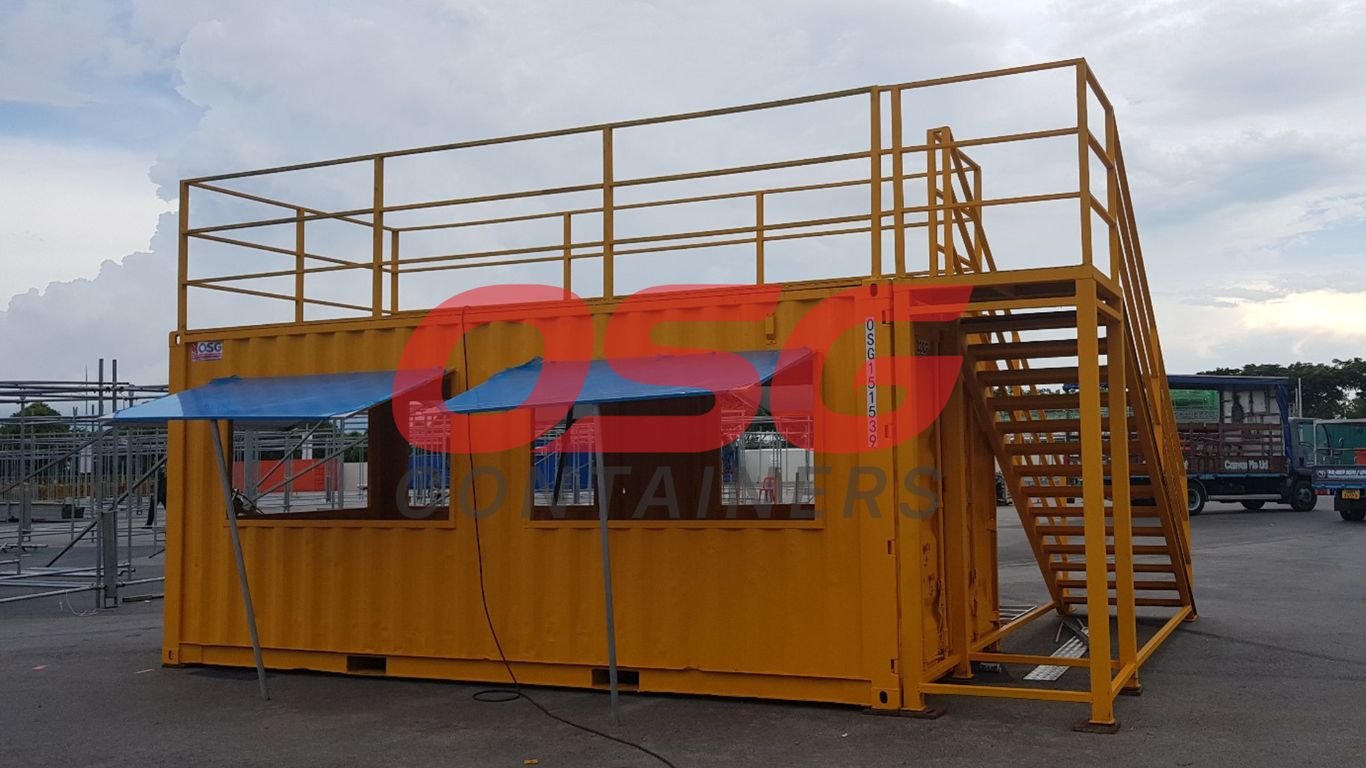
Don’t just see a metal box; see potential! A 20ft container is a solid, weatherproof structure that can be changed to fit almost any need. Think about adding insulation for temperature control, windows for light, or even custom paint to make it look good. People turn these into everything from workshops and art studios to extra living spaces or even a small site office. The basic frame is strong, so with a bit of work, you can make it truly yours.
- Add insulation: Keep it cool in summer and warm in winter.
- Install windows and doors: Improve airflow and access.
- Custom paint or siding: Make it blend in or stand out.
- Flooring options: From simple plywood to more durable finishes.
Security Features for Your Belongings
Keeping your stuff safe is a big deal, right? A container is already pretty secure, but you can make it even better. Think about heavy-duty locks, maybe even a lockbox that makes it harder for someone to tamper with your padlock. If you’re storing valuable items, especially in a remote location, adding extra security measures is a smart move. It gives you peace of mind.
A little extra investment in security can save you a lot of headaches down the road. It’s better to be safe than sorry when it comes to protecting your belongings.
Supplier Reputation and Customer Service
When you’re buying a container, especially a used one, who you buy from matters. Look for suppliers who have good reviews and a solid track record. A reputable seller will be upfront about the container’s condition and any potential issues. They should also be helpful if you have questions about delivery or modifications. Choosing a good supplier means a smoother buying process and a better quality container. It’s worth doing a little research to find someone reliable.
| Factor | Importance |
|---|---|
| Reviews/Testimonials | See what other customers say. |
| Years in Business | Shows stability and experience. |
| Warranty/Guarantees | What protection do you have after purchase? |
| Customer Support | Are they responsive to questions and issues? |
Wrapping It Up
So, you’ve looked through all the details about picking out a 20ft container. We’ve covered why this size might be just right for you and what to keep an eye on when you’re ready to buy, especially if you’re going for a used one. These containers are pretty tough and can be used for way more than just shipping things. Whether you’re thinking about building a workshop, need more storage for your business, or even have a wild idea for a tiny home, a 20ft container is a solid starting point. Just take your time, do a little digging on the condition and price, and don’t forget to check any local rules. With a bit of planning, you’ll find the perfect container to get your project off the ground.
Frequently Asked Questions
Why do people like 20ft containers so much?
A 20ft container is a great middle-ground size. It’s not too big to handle, but it’s large enough to store a lot of stuff or be used for different projects. This makes it super useful for many needs, from storing extra belongings to building something new.
Should I buy a new or used 20ft container?
It really depends on how much money you have and what you plan to do with it. New containers are in perfect condition and will last a very long time, but they cost more. Used containers are cheaper and can be great for storage or projects, but you need to check them carefully for any damage or rust.
What’s important to check when buying a used container?
When looking at a used container, check closely for rust, especially on the edges and corners. Make sure the doors open and close easily and seal tightly to keep out rain and wind. Also, look for any big dents or damage that might make the container weaker.
Where can I find a 20ft container to buy?
You can look for them on websites like Craigslist or Facebook Marketplace. There are also companies that specialize in selling shipping containers, and sometimes you can find them at auctions. It’s a good idea to check a few different places to compare prices.
What else do I need to think about besides the container itself?
You’ll need to figure out how to get the container to your place, which costs money. Also, check if you need any special permission or permits from your local government to have a container on your property. Don’t forget to budget for any extra costs like locks or modifications.
Can I change a 20ft container to fit my needs?
Yes, you absolutely can! People often add things like shelves, insulation, windows, or even paint to make the container work better for them. It’s like a blank metal box that you can customize for storage, a workshop, or even a small living space.