 Singapore
 Australia
 Indonesia
 Japan
Japan Malaysia
 New Zealand
 Philippines
 South Korea
 Taiwan
 Thailand
 VIETNAM
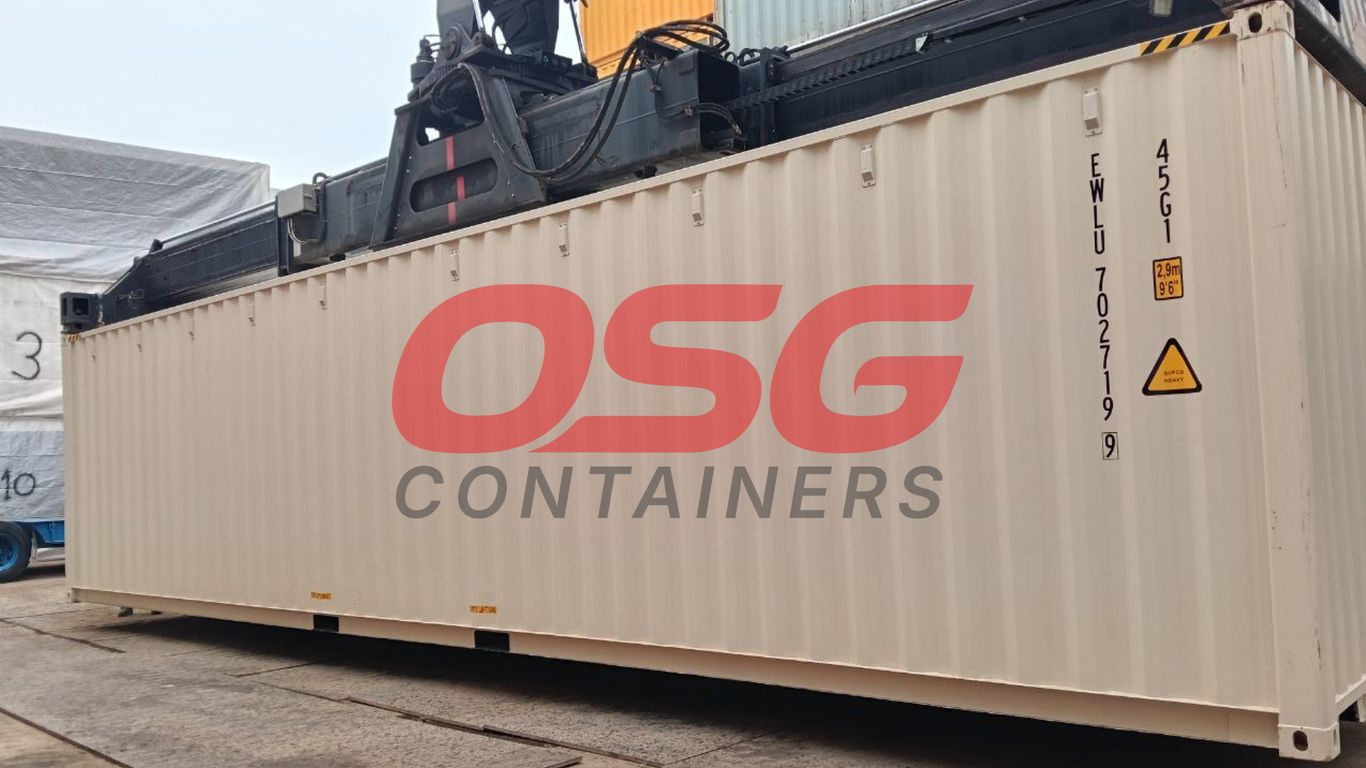
So, you’ve got some seriously big or awkwardly shaped stuff to move? Regular shipping containers just won’t cut it. That’s where the CNTR open top container comes in handy. Forget trying to stuff things into a box; these containers let you load from the top, making life a lot easier for all sorts of oversized cargo. We’re talking construction equipment, big machinery, lumber – basically anything that doesn’t fit the standard mold. Let’s break down why these open tops are such a useful tool for heavy-duty transport.
Key Takeaways
- CNTR open top containers are ideal for oversized or unusually shaped cargo because they allow for easy top-loading, simplifying how big items are moved in and out.
- Their design provides more flexibility than standard containers, especially for moving things like timber, construction materials, and large industrial machinery.
- When picking a CNTR open top, think about the cargo’s size, whether a new or used container is best, and the condition of its removable tarp roof.
- These containers often have strong tie-down points along the sides to help secure your load, which is pretty important since there’s no fixed roof.
- While convenient, remember the open nature means you might need extra security or weather protection for certain types of cargo, especially if it’s sensitive.
Understanding The CNTR Open Top Container
What Defines An Open Top Container?
So, what exactly makes an open top container different from the ones you see everywhere? It’s pretty simple, really. Instead of a solid, fixed metal roof, these containers have a heavy-duty tarp that covers the top. This tarp is usually made of durable material and is secured with grommets and ropes, or sometimes a more robust frame system. The main point of this design is to allow for loading and unloading from directly above. Think cranes or forklifts – they can just lift cargo straight in or out. This is a big deal for items that are too tall, too bulky, or just shaped in a way that makes getting them through standard container doors a real headache. It’s all about making the process easier when top access is the best, or only, option.
Key Features Of CNTR Open Top Designs
These containers have a few specific things going for them that set them apart:
- Removable Tarp: This is the big one. No fixed roof means you can load from the top. The tarp itself is tough and designed to keep the weather out.
- Top-Loading Capability: Because the top is open (or covered by the tarp), you can use cranes or forklifts to load and unload. This is a huge advantage for tall or bulky items.
- Reinforced Top Rail: The edges around the top are usually built stronger. This helps support the tarp and gives you solid points to secure it.
- Lashing Points: Just like regular containers, they have plenty of tie-down points inside. These are super important for keeping your cargo from shifting around, especially if the container isn’t completely full.
The absence of a fixed roof is the defining characteristic, transforming how cargo is handled and opening up possibilities for items that wouldn’t fit in a traditional container.
The Removable Tarp: A Defining Characteristic
The tarp is really the star of the show when it comes to open top containers. It’s not just a flimsy cover; it’s a robust, weather-resistant barrier. It’s typically attached using grommets along the edges that loop through ropes or straps, which are then secured to the container’s frame. Some systems might use a more rigid framework to hold the tarp in place. This design choice is what enables the top-loading functionality. It provides protection from the elements during transit while still allowing for the flexibility needed to load oversized or awkwardly shaped items that a standard container simply couldn’t accommodate. Without this adaptable tarp system, the open top container wouldn’t serve its primary purpose.
Practical Benefits Of CNTR Open Top Solutions
When you’re dealing with cargo that’s just too big or awkwardly shaped for a standard container, the open top design really makes things simpler. Forget trying to force massive items through a narrow door; with an open top, you can just lift them straight in from above. This makes loading and unloading a breeze, especially for things like heavy machinery, large construction materials, or even pre-fabricated building components. Cranes can easily place these items directly into the container, cutting down on loading time and the hassle involved. It’s a much more straightforward process compared to dealing with the limitations of a traditional container. This top-loading capability is a major reason why they are so popular for bulky shipments.
Efficient Loading and Unloading Processes
Loading and unloading can be a real headache when you’re working with items that don’t fit standard dimensions. CNTR open top containers solve this problem by allowing you to load directly from above. This means you can use cranes or forklifts to place your cargo precisely where it needs to go, without any of the usual maneuvering required for side-loading. This direct placement significantly speeds up the process and reduces the risk of damage to both the cargo and the container itself. It’s a simple change that makes a big difference for specific types of cargo.
Top-Loading Convenience For Oversized Cargo
One of the biggest wins with an open top container is the ability to load from the top. This makes getting really tall or bulky items in and out much simpler. You don’t have to worry about tilting things at weird angles or trying to force them through a side door. Cranes or forklifts can just lift the cargo straight in, which saves a lot of time and hassle. It’s a game-changer for things like pre-fabricated building sections or large industrial equipment.
Versatility Across Multiple Industries
These containers aren’t just for one type of job. Their open design means they can handle a wide variety of goods that would be impossible to ship in a regular container. Think about construction equipment, large pipes, or even irregularly shaped manufactured goods. The ability to load from the top and secure items that might stick out slightly makes them incredibly adaptable. This flexibility means they are used in many different sectors, from building and manufacturing to specialized transport.
The real advantage of an open top container is its ability to adapt. It removes the constraints of a standard container, allowing for simpler handling and a broader range of cargo types. This adaptability is what makes them so useful across many different sectors.
Here’s a quick look at how loading times can differ:
| Container Type | Typical Loading Time (Large Item) |
|---|---|
| Standard | 2-4 Hours |
| Open Top | 30-60 Minutes |
This table shows a significant time saving, which translates directly into cost savings for businesses.
Key Applications For CNTR Open Top Containers
Construction Equipment and Building Materials
When you’re dealing with the heavy-duty world of construction, standard containers often just don’t cut it. Think about moving a bulldozer, a large generator, or even stacks of lumber and steel beams. Trying to maneuver these items through a regular container door is a real pain, if not impossible. CNTR open top containers are a lifesaver here. You can simply use a crane to lift the equipment or materials directly into the container from above. This makes the whole process way faster and less complicated. Plus, the removable tarp offers protection from the weather while these items are on the move or even sitting on a job site.
Large Industrial Machinery and Vehicle Parts
Manufacturing plants and heavy industry often deal with components that are just too big or oddly shaped for standard shipping. We’re talking about massive machine parts, engines for large vehicles, or even entire industrial units. The open top design means you aren’t limited by the height or width of a conventional door. A crane can easily place these oversized items into the container, and once they’re in, they can be secured using the numerous lashing points. This is a huge advantage for keeping production lines moving and getting specialized equipment where it needs to go without damage.
Handling Abnormally Shaped Goods
Sometimes, cargo just doesn’t come in a neat, rectangular package. Maybe you’re shipping large sculptures, custom-made industrial components, or even parts of prefabricated structures. These items can be tall, wide, or just plain awkward. CNTR open top containers provide the flexibility needed to load and secure such goods. The absence of a fixed roof allows for overhead loading, and the open sides (when the tarp is removed) can sometimes even allow for side loading with specialized equipment. This adaptability is key for transporting items that would otherwise require custom-built crates or specialized transport solutions.
The real advantage of an open-top container is its ability to adapt. It removes the constraints of a standard container, allowing for simpler handling and a broader range of cargo types. This adaptability is what makes them so useful across many different sectors.
Here’s a quick look at why they’re so useful:
- Top-Loading Capability: Load tall or bulky items directly from above using cranes or forklifts.
- Flexibility for Odd Shapes: Accommodates cargo that doesn’t fit standard dimensions.
- Reduced Loading Time: Simplifies the loading and unloading process, saving time and labor.
- Weather Protection: The removable tarp shields cargo from rain, snow, and sun during transit and storage.
Securing Your Cargo In CNTR Open Top Containers
Alright, so you’ve got your oversized gear ready to go in a CNTR open top container. That’s great, but now comes the really important part: making sure it all stays put. Since there’s no roof to help hold things down, you’ve got to be smart about how you secure everything. It’s not just about preventing damage to your stuff; it’s about safety on the road or at sea. A load that shifts can cause all sorts of problems, so taking the time to do this right is a big deal.
Cargo Weight Distribution And Securing Techniques
First off, think about where you’re putting things. Distributing the weight evenly is key to preventing your cargo from sliding around during transit. You don’t want all the heavy stuff piled up on one side or leaning precariously. Generally, the heaviest items should go on the bottom and as close to the center as possible. This gives you a stable base. For oddly shaped items, like a guard booth or large industrial parts, you might need to use extra blocking or bracing to keep them from tipping or rolling. It’s a bit like packing a suitcase, but with much heavier items and higher stakes.
Here’s a quick rundown on some common securing methods:
- Lashing Points: These are the strong metal loops found all along the inside walls and floor of the container. They are your best friends for securing cargo. Always check that they are in good condition and can handle the weight you’re attaching.
- Straps and Chains: Heavy-duty straps (like ratchet straps) and chains are used to tie down your cargo to the lashing points. Make sure they are rated for the weight of your load and are properly tensioned.
- Blocking and Bracing: For items that might shift or roll, you can use wooden blocks or metal bracing to physically stop them from moving. This is especially useful for machinery or cylindrical objects.
Remember, the open top means you’re relying entirely on the securing methods you employ. Don’t cut corners here; a failed tie-down can be disastrous.
Loading And Securing Different Types Of Cargo
How you secure things really depends on what you’re shipping. It’s not a one-size-fits-all situation.
- Machinery: For heavy equipment, use robust chains and straps connected to multiple lashing points on both the machine and the container. Ensure the machine itself is stable and won’t rock.
- Building Materials (like lumber or pipes): Bundle these items tightly. Use straps to secure the bundles to the container walls. Dunnage (like wooden supports) can be placed underneath to prevent rolling and provide airflow.
- Oversized Parts (e.g., vehicle frames, large components): These often require custom bracing. You might need to build a frame within the container to support the item and prevent any movement. Always consider how the tarp will cover the load without snagging or putting undue stress on the cargo.
Maximizing Versatility With CNTR Open Top Solutions
Adaptability For Various Industrial Needs
CNTR open top containers really shine when you need to move stuff that just doesn’t fit neatly into a standard box. Think about it – if you’ve got machinery, lumber, or even large construction materials, trying to stuff them into a regular container can be a real headache. That’s where the open top design comes in handy. It’s not just about making loading easier; it’s about opening up a whole world of shipping possibilities for items that just won’t play nice with a regular box. Standard containers can feel pretty limiting when you’re dealing with cargo that’s a bit out of the ordinary. Open tops, however, let you load from above, which is a total game-changer. Cranes can just lift things straight in, no awkward tilting or forcing required. This flexibility means you can move a much wider array of goods efficiently.
On-Site Storage and Accessibility
Beyond just transport, these containers often serve a dual purpose on job sites. They can act as temporary, accessible storage for materials, keeping everything organized and within easy reach. This means that lumber, steel beams, or other construction supplies don’t have to be constantly moved around. The removable tarp roof provides a good level of protection from the elements during transit and while stored, keeping the cargo clean and dry. It’s a practical solution when you need to keep materials secure and accessible right where the work is happening.
The real advantage of an open top container is its ability to adapt. It removes the constraints of a standard container, allowing for simpler handling and a broader range of cargo types. This adaptability is what makes them so useful across many different sectors.
Beyond Shipping: Alternative Uses For Open Tops
These containers aren’t just for moving goods from point A to point B. Their open design makes them surprisingly useful for other things too. For instance, they can be set up as temporary workshops or material sorting stations on large construction projects. Because you can access them from the top and sides (depending on the specific model and how you secure the tarp), workers can easily get to materials or tools. Some businesses even repurpose them as on-site storage units for equipment that needs to be kept dry but doesn’t need a full building. It’s a simple, robust solution for temporary needs.
Here are a few ways their versatility shines:
- Temporary Shelters: With some modifications, they can offer basic shelter on remote sites.
- Material Bins: Perfect for collecting and storing scrap materials or waste on a job site.
- Equipment Housing: Keep valuable tools or machinery protected from the weather when not in use.
- Mobile Workstations: Set up a temporary workspace with easy access to materials and tools.
Acquiring Your CNTR Open Top Container
So, you’ve decided a CNTR open top container is the way to go for your oversized cargo. That’s a smart move for handling things that just don’t fit the standard mold. Now comes the part where you actually get one. It’s not just about picking a size; there are a few things to think about to make sure you get the right container for the job.
Understanding Container Certifications
Before you hand over any cash, you really need to know about container certifications. If this container is going on a ship, especially internationally, it needs to be ‘Cargo Worthy’ (CW). This means it’s been checked out and meets the rules for shipping. For containers that are just for storage, ‘Wind and Watertight’ (WWT) might be enough, but it doesn’t mean it’s ready for a sea voyage. Always ask for proof of certification. Getting this wrong can lead to big headaches and delays. It’s better to be sure than sorry.
New Versus Used CNTR Open Top Options
When you’re looking to buy, you’ll usually see two main options: new or used. New containers are, well, new. They haven’t been used before, so you know their history – or lack thereof. They’ll likely come with all the latest specs and a clean bill of health regarding structural integrity. However, they do cost more.
Used containers can be a great way to save money. You can often find perfectly good ones that have completed their shipping life but are still solid for other uses. When looking at used ones, pay close attention to:
- The Tarp: Is it in good shape? Does it have rips or tears? A damaged tarp won’t protect your cargo from the elements.
- Structural Integrity: Check the frame, the floor, and the walls for any major dents, rust, or damage. Remember, these are open tops, so the top rail is important for securing the tarp.
- Certification: As mentioned, verify its CW or WWT status. A used container might be sold as-is, so understanding its condition is key.
Sometimes, you might even find options for a custom container or a customised container if you have very specific needs, though this is less common for standard open tops and usually involves modifications.
Whether you go new or used, think about where the container will be used. If it’s for on site storage container needs, the certification requirements might be less strict than for shipping. However, durability and weatherproofing are still important considerations for any application.
Wrapping It Up: Why CNTR Open Tops Are Worth Considering
So, when you’ve got cargo that’s just too big or awkward for a regular box, CNTR open top containers really step up. They make loading and unloading a lot less of a headache, especially with tall or oddly shaped items. While you do need to think about securing everything properly and maybe adding extra protection for the weather, the ease of access and flexibility they offer for oversized shipments is pretty hard to beat. For anyone dealing with machinery, lumber, or construction materials that don’t fit the standard mold, these containers are definitely worth considering.
Frequently Asked Questions
Why are open-top containers good for really big items?
Open-top containers are super helpful for large items because you can load them from the very top. Imagine trying to fit a giant machine into a regular container – it’s really hard! With an open top, a crane can just lift the item straight in, making loading and unloading much quicker and easier.
Can I use these containers for things that aren’t shaped like a box?
Absolutely! Open-top containers are great for oddly shaped items. Because you can load from above and secure things from all sides, you have more freedom to fit and tie down cargo that doesn’t have standard dimensions, like unique sculptures or large pipes.
What is the main difference between an open-top container and a regular one?
The biggest difference is the roof. Regular containers have a solid metal roof, but open-top containers have a heavy-duty tarp that can be removed. This allows you to load and unload cargo from the top, which is perfect for tall or bulky items.
How do I keep my cargo safe and dry in an open-top container?
The removable tarp is your main protection against rain and dust. It’s important to make sure the tarp is pulled tight and secured properly with ropes or straps. For extra sensitive items, you might need additional coverings or to choose a different type of container.
Are these containers good for construction sites?
Yes, they are very useful on construction sites! You can easily load large equipment like excavators or materials like long lumber directly into the container using cranes. They can also serve as convenient, accessible storage right on the job site.
What should I think about when buying a used open-top container?
When looking at used open-top containers, check the condition of the tarp and its securing system. Also, make sure the container is certified as ‘Cargo Worthy’ if you plan to ship internationally. This means it’s strong enough and safe for transport.


