Singapore
 Australia
 Indonesia
 Japan
Japan Malaysia
 New Zealand
 Philippines
 South Korea
 Taiwan
 Thailand
 VIETNAM
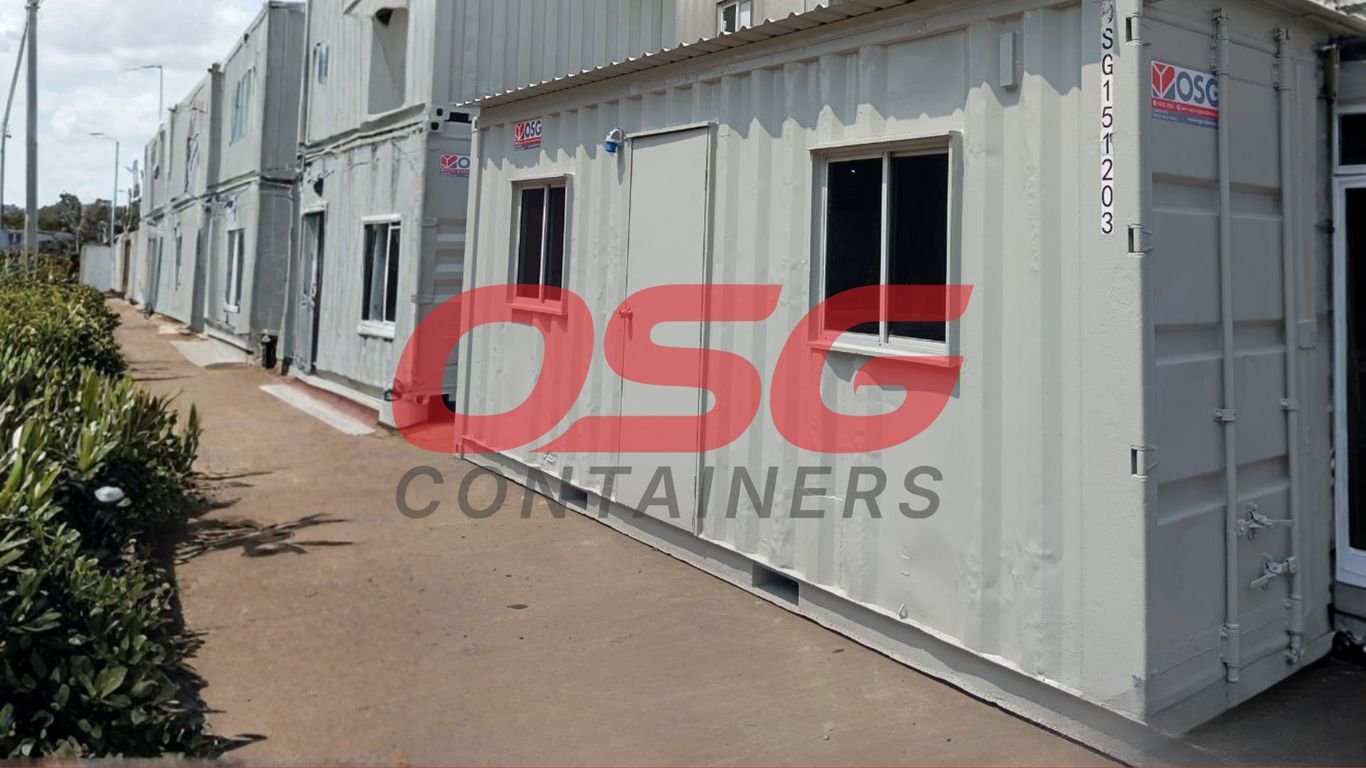
When you’re moving stuff or need extra room, thinking about shipping containers is a good idea. You’ve probably seen them around, those big metal boxes. But did you know there are different kinds? The ‘high cube container’ is one that gets a lot of attention, and for good reason. It’s not just a bit bigger; it offers a whole lot more space, which can actually save you money and headaches. Let’s talk about why this extra height makes such a difference.
Key Takeaways
- A high cube container is basically a standard shipping container but with an extra foot of height, giving you more room to stack things or fit taller items.
- This extra height means you can fit more cargo, potentially reducing the number of containers you need, which saves on shipping costs.
- High cube containers are great for oddly shaped or over-height items that just won’t fit in a regular container.
- Beyond shipping, that extra space makes high cube containers a popular choice for building things like small homes or workshops.
- Figuring out how to pack and load a high cube container smartly can really maximize the space you have and keep your cargo safe.
Understanding The High Cube Container Advantage
Defining The High Cube Container
So, what exactly is a high cube container? Think of it as a regular shipping container, but with a little extra headroom. Specifically, a high cube is about a foot taller than its standard counterpart. For a 40-foot container, this means it stands 9 feet 6 inches tall on the outside, compared to the standard 8 feet 6 inches. This extra height isn’t just for show; it translates directly into more usable space inside.
The Extra Foot Of Height
That extra foot of height might not sound like much, but it makes a real difference. For a 40-foot high cube, this addition gives you an interior height of about 8 feet 10 inches. This might seem small, but it adds up. It means you can stack more, fit taller items, or just have a bit more room to work with when you’re loading and unloading.
Here’s a quick look at how that extra height impacts capacity:
| Container Type | Interior Height (approx.) | Interior Volume (approx.) |
|---|---|---|
| Standard 40ft | 7 ft 9 in | 2,385 cubic feet |
| 40ft High Cube | 8 ft 10 in | 2,690 cubic feet |
That’s a jump of over 300 cubic feet, which is pretty significant when you’re trying to move a lot of stuff.
Increased Cubic Capacity
This increased cubic capacity is the main selling point for high cube containers. It’s not just about fitting more boxes; it’s about optimizing how you use the space you have. For businesses, this can mean fitting more product onto a single shipment, which can lead to fewer trips and lower overall shipping costs. It also means you can potentially ship lighter, bulkier items that might not have fit well in a standard container.
The extra vertical space is particularly useful for items that are just a bit too tall for standard containers, or for situations where you need to stack items more efficiently. It’s a simple change, but it really opens up possibilities for what you can ship and how you can pack it.
This extra space is a game-changer for a variety of uses, from standard shipping to more creative applications like on-site storage or even building structures. It’s a straightforward way to get more out of your container investment.
Maximizing Cargo Space With High Cube Containers
Defining The High Cube Container
A high cube container is essentially a standard shipping container, but with an extra foot of height. This might not sound like much, but it makes a significant difference in how much you can fit inside. Think of it like stacking boxes – that extra foot at the top can mean fitting a whole extra layer of goods. This is especially helpful when you’re dealing with items that are tall or bulky, or when you want to stack pallets higher than you could in a regular container. When you’re looking at container sales, this extra height is a key feature to consider if space is your main concern.
The Extra Foot Of Height
That additional foot of height in a high cube container translates to a substantial increase in usable volume. For a 40-foot high cube, this means roughly an extra 10% of capacity compared to a standard 40-foot container. This extra space is a game-changer for certain types of cargo. It allows for the transport of items that might otherwise be too tall for standard containers, or it enables more efficient stacking of goods. This is particularly beneficial for lightweight, bulky items like furniture or electronics, where maximizing vertical space is key to fitting more in without exceeding weight limits.
Increased Cubic Capacity
The primary benefit of a high cube container is its increased cubic capacity. This means you can fit more volume of goods into a single container. For businesses, this can translate directly into cost savings by reducing the number of containers needed for a shipment. It also means better utilization of shipping space, which is always a good thing. Whether you’re shipping palletized goods, loose items, or irregularly shaped cargo, the extra height provides more flexibility in how you pack and load, leading to more efficient use of every inch.
Here’s a quick look at the difference:
| Container Type | Interior Height | Approximate Cubic Capacity |
|---|---|---|
| Standard 40ft | 8 ft 10 in | ~67.7 cubic meters |
| 40ft High Cube | 9 ft 10 in | ~76.4 cubic meters |
This extra volume isn’t just about fitting more; it’s about smarter shipping. It allows for better load stability and can even help meet specific cargo dimensions that standard containers can’t accommodate.
- Accommodating Overheight Cargo: High cubes are perfect for items that just don’t fit in standard containers due to their height. This could be anything from specialized machinery to tall furniture pieces.
- Efficient Packing Strategies: The extra height allows for more creative and efficient packing. You can stack pallets higher, use vertical space for smaller items, or arrange goods in ways that minimize wasted space.
- Versatility For Various Goods: From textiles and furniture to electronics and even some types of equipment, the increased capacity makes high cube containers suitable for a wider range of products, especially those that are bulky or tall.
Cost-Effectiveness Of High Cube Shipping
When you’re looking at shipping, every little bit of savings adds up, right? That’s where high cube containers really shine. They might seem like just a bit taller, but that extra foot of height can make a surprising difference to your bottom line. Think about it: you can fit more stuff in the same footprint. This means fewer containers needed for the same amount of goods. Fewer containers mean lower rental or purchase costs, less paperwork, and simpler logistics overall. It’s a pretty straightforward equation.
Reducing Container Count
This is probably the most obvious way high cubes save you money. If you can pack more into one container, you naturally need fewer of them. This is especially true if you’re shipping items that can be stacked or are a bit bulky. For example, shipping furniture or lightweight but large items often means you can really take advantage of that extra height. Instead of needing three standard containers, maybe two high cubes will do the trick. That’s a direct saving on container costs, plus less hassle with managing multiple units.
Optimizing Load Efficiency
It’s not just about fitting more; it’s about fitting things better. The extra vertical space in a high cube allows for more creative packing. You can often stack pallets higher, or fit oddly shaped items more snugly. This means less wasted space, which is essentially wasted money. When you’re paying for shipping volume, every cubic foot counts. Efficient packing means you’re getting the most bang for your buck with each container you send out. This is a big deal, especially for businesses operating out of places like container singapore, where space and efficiency are key.
Streamlining Logistics
Fewer containers mean simpler logistics. Imagine dealing with two shipments instead of three. That’s less coordination, less time spent loading and unloading, and potentially fewer port fees or handling charges. It can also speed up your turnaround times. When your containers move through the supply chain faster, your goods get to their destination quicker, which keeps customers happy and your business running smoothly. It’s a domino effect where saving on the container itself leads to savings all the way down the line.
The real cost savings with high cube containers come from maximizing the volume you pay for. It’s about getting more product moved per shipment, which directly impacts your per-unit shipping cost. This efficiency is a game-changer for businesses looking to stay competitive.
Here’s a quick look at how the capacity stacks up:
| Container Type | Internal Volume (approx.) |
|---|---|
| Standard 40ft | 67.7 cubic meters |
| 40ft High Cube | 76.4 cubic meters |
As you can see, that’s a significant jump in capacity, all thanks to that extra foot of height.
Beyond Storage: Repurposing High Cube Space
Creating Living And Working Spaces
High cube containers aren’t just for shipping stuff anymore. That extra foot of height makes a huge difference when you’re thinking about turning one into something else, like a home, an office, or even a workshop. It gives you more headroom, making the space feel less cramped. Plus, it opens up possibilities for things like lofts or higher shelving that just wouldn’t work in a standard container. It’s pretty amazing how adaptable these metal boxes can be.
Benefits For Occupancy
When you’re using a high cube for living or working, that extra height really matters. You can actually stand up comfortably without hitting your head, which is a big deal for daily life. It also makes it easier to install things like ventilation systems or lighting without them feeling too low. For example, you could easily fit a standard-sized shower or even a compact container toilet without feeling squeezed.
- More headroom for comfort.
- Easier installation of utilities and fixtures.
- Improved air circulation and lighting options.
- Greater flexibility for furniture placement and room design.
Ideal For Unique Conversions
Think about it: you can build a small home, a backyard office, a pop-up shop, or even a specialized studio. The extra space is perfect for projects that need a bit more vertical room. We’re talking about places that need to accommodate taller equipment, or just feel more open and airy. It’s a smart way to get a lot of usable space without needing a huge plot of land.
The adaptability of high cube containers means they’re becoming a go-to for creative building projects. They offer a solid, weather-resistant shell that’s ready for customization, providing a cost-effective starting point for unique structures.
Strategic Loading For High Cube Containers
Optimizing Pallet Configurations
Getting the most out of your high cube container starts with how you arrange your pallets. It’s not just about shoving them in; there’s a bit of a puzzle to it. You want to use that extra height, right? So, think about stackable pallets. If your goods can handle it, stacking them can really make a difference. Just make sure whatever you’re stacking is stable and won’t crush the stuff below. Also, consider the dimensions of your pallets. Standard ones might leave awkward gaps. Sometimes, using different pallet sizes or even going without pallets for certain items can be more efficient. It really depends on what you’re shipping.
Implementing Efficient Loading Plans
Loading without a plan is like trying to pack a suitcase for a long trip without thinking about what you need. You’ll end up with wasted space and maybe even damage. A good plan means putting the heaviest stuff on the bottom, obviously, for stability. Then, you want to distribute the weight evenly across the floor. Nobody wants a container that’s leaning to one side. Think about how you’re filling the space. Some people use a ‘brick stacking’ method, where boxes interlock like bricks. This makes the whole load more solid. The goal is to fill as much of the container’s volume as possible without creating weak spots.
Utilizing Dunnage and Securing Techniques
Once everything’s loaded, you can’t just close the doors and hope for the best. Things shift during transit, especially on a bumpy ride. That’s where dunnage comes in. This is basically filler material – think airbags, cardboard, wood bracing, or even just tightly packed smaller items. You use it to fill any empty spaces so your cargo doesn’t slide around. It’s super important for preventing damage. If you’re working with a container supplier, they can often give advice on the best securing methods for your specific cargo. For example, if you’re shipping electronics, you’ll want to be extra careful. Getting this right is key, whether you’re using a container truck in Singapore or anywhere else.
Proper loading and securing aren’t just about protecting your goods; they’re also about safety. An unstable load can be dangerous for everyone involved in the shipping process, from the dockworkers to the truck drivers.
Here’s a quick look at common dunnage materials:
- Airbags: Inflatable bags that fill gaps and provide cushioning.
- Wood Bracing: Used to create barriers and support heavier items.
- Straps and Tie-downs: Secure pallets or individual items to the container walls.
- Cardboard and Foam: Fill smaller voids and protect surfaces.
Market Trends Favoring High Cube Solutions
Growing Demand For Increased Capacity
The shipping world is always looking for ways to move more stuff, more efficiently. That’s where high cube containers really shine. They give you that extra foot of height, which might not sound like a lot, but it adds up. Think about it: you can fit more pallets, taller items, or just generally pack things in tighter. This extra space is becoming a big deal for businesses that ship a lot of goods, especially those with items that are a bit on the tall side. It means fewer containers needed for the same amount of product, which is a win-win.
Aligning With Logistics Optimization
Logistics companies and businesses are constantly trying to shave off costs and make their supply chains smoother. High cube containers fit right into this. By letting you pack more into each container, you cut down on the number of trips needed. This saves money on fuel, port fees, and labor. It’s a pretty straightforward way to make your shipping process more streamlined. Plus, when you can fit more in one go, it simplifies the whole process of loading and unloading.
The push for efficiency in global trade means that every bit of space counts. High cube containers directly address this by offering a simple, yet effective, way to increase cargo volume without needing a whole new container size.
Gaining A Competitive Edge
Companies that are smart about their shipping are starting to see the benefits of high cube containers. If you can ship your products for less money per unit because you’re using that extra space, you’ve got an advantage over competitors who are still using standard containers. It’s not just about saving money, though. It’s also about being able to handle different types of cargo more easily and reliably. This flexibility can make a big difference in keeping customers happy and staying ahead in a busy market.
Here’s a quick look at how the extra space translates:
- Standard 40ft Container Interior Height: Around 8 feet 10 inches.
- High Cube 40ft Container Interior Height: Around 9 feet 6 inches.
- Resulting Extra Space: Approximately 344 cubic feet more capacity.
So, What’s the Takeaway?
Look, when it comes down to it, high cube containers really do offer a smart way to get more bang for your buck. That extra foot of height might not sound like much, but it adds up, letting you pack more in or use the space for taller items without a big jump in price. Whether you’re shipping goods or thinking about a unique project, these containers give you that extra room you need. It’s a simple change that can make a real difference in how much you can fit and how efficiently you can do it. So, if you’re looking to maximize your space without breaking the bank, the high cube is definitely worth a closer look.
Frequently Asked Questions
What makes a high cube container different from a regular one?
Think of a high cube container as a regular shipping container that got a little taller! It’s about one foot taller than a standard container. This extra height gives you more room inside to stack things higher or fit taller items. It’s like getting a bit more space without needing a whole new, bigger container.
How much more space do high cube containers actually offer?
That extra foot of height really adds up! A high cube container can hold about 10% more stuff than a standard container of the same length. For a 40-foot container, this means you get roughly an extra 344 cubic feet of space. That’s a lot of extra room for your goods!
Are high cube containers more expensive to use?
While they might cost a little more upfront than standard containers, high cube containers can actually save you money in the long run. Because you can fit more in each one, you might need fewer containers overall. This can cut down on shipping costs, handling fees, and the number of trips needed.
What kind of items are best shipped in high cube containers?
High cube containers are fantastic for shipping taller items, bulky but lightweight goods like furniture or mattresses, or anything that needs a bit more vertical clearance. They’re also great if you plan to stack pallets efficiently, as the extra height lets you utilize that space better.
Can I use a high cube container for something other than shipping?
Absolutely! Many people turn high cube containers into cool living spaces, offices, or workshops. The extra height makes them feel less cramped and provides more room for things like wiring, plumbing, or just comfortable headroom. They’re a popular choice for unique building projects.
Is it harder to load or unload a high cube container?
Loading and unloading are pretty similar to standard containers, but the extra height gives you more options. You can pack things more efficiently, maybe even stacking more items if your cargo allows. The key is smart packing to take full advantage of that extra space and keep everything secure.