Singapore
 Australia
 Indonesia
 Japan
Japan Malaysia
 New Zealand
 Philippines
 South Korea
 Taiwan
 Thailand
 VIETNAM
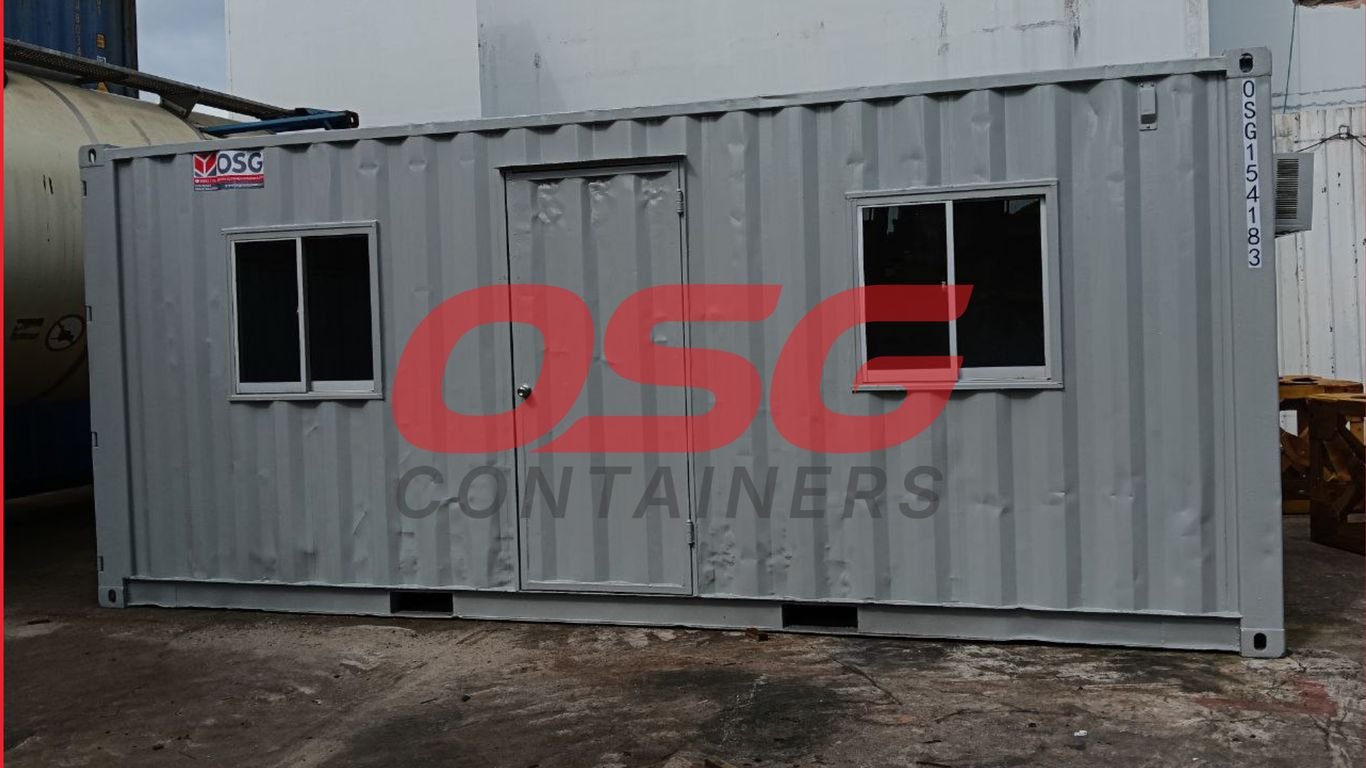
You know, sometimes those standard boxes just don’t cut it. You’ve got something special, something that needs a bit more thought than just shoving it into a generic container. That’s where customised container solutions come into play. They’re not just boxes; they’re a way to make sure your product gets there safe, looks good, and maybe even makes the person opening it smile. If you’re shipping anything beyond the absolute basics, it’s worth looking into how a customised container can make a real difference.
Key Takeaways
- Using a customised container means you’re not wasting space, which saves money on shipping and materials. You get boxes that fit your stuff perfectly.
- A customised container offers better protection for your items. A snug fit means less movement and less chance of damage during shipping.
- You can make the unboxing feel special with a customised container. It’s a chance to show off your brand and make customers excited.
- There are different styles of customised container, like regular slotted, full overlap, and wraparound blanks, each good for different kinds of products.
- Getting a customised container is a smart move for your brand. It helps you look professional, builds trust, and makes your product stand out.
Maximizing Efficiency With Customised Container Solutions
Eliminating Wasted Space for Cost Savings
Ever get a package that’s way too big for what’s inside? Yeah, me too. It feels like you’re paying for air, and honestly, you probably are. That’s where custom containers really shine. Instead of trying to cram your product into a standard box that’s either too big or too small, you get a box made to fit just right. This means no more paying extra for empty space during shipping. Think about it: if you ship a lot, even a little bit saved on each package adds up fast. It’s like buying in bulk, but for your packaging.
Precise Dimensions for Optimal Product Fit
Getting the size exactly right is a big deal. When a box is made for your specific item, it hugs it perfectly. This isn’t just about looking neat; it stops your product from bouncing around inside during transit. Less movement means less chance of damage. It’s like giving your product its own tailored suit for the journey. You can even work with manufacturers to get the dimensions spot-on, whether you’re shipping something small and delicate or a larger, oddly shaped item. They can help figure out the best fit based on what you’re sending.
Reducing Packaging Material Usage
Because custom containers are made to measure, you often end up using less material overall. You’re not adding extra padding or filler just to make a standard box work. A well-designed custom box is efficient by nature. It provides the necessary protection without all the excess. This is good for your wallet and, let’s be honest, it’s a bit better for the planet too, with less waste going out the door. It’s a win-win situation, really.
Enhancing Product Protection Through Customised Containers
Sometimes, standard boxes just don’t cut it when you’re trying to keep your products safe. You know, those times when you get a product and it’s rattling around in a box that’s way too big, or worse, it’s crammed into something that’s just a little too small and you can already see the damage?
Tailored Fit to Prevent Transit Damage
This is where custom containers really shine. Instead of trying to make your product fit into a pre-made box, you get a box made specifically for what you’re shipping. Think about it: if your item fits snugly, it’s not going to bounce around and get banged up during shipping. This means fewer damaged goods arriving at your customer’s door, which is always a good thing. It’s like getting a custom-tailored suit versus buying something off the rack – one just fits better.
Superior Security for Fragile Items
For anything delicate, like glassware, electronics, or even certain food items, a custom fit is a game-changer. You can work with the packaging company to add specific padding, inserts, or structural designs that cradle your product. This stops it from shifting and absorbing shocks. Standard boxes often rely on generic packing peanuts or bubble wrap, which can only do so much. A custom solution is designed with your specific fragile item in mind, offering a much higher level of security.
Customised Containers for Unique Product Shapes
What if you sell something with a really odd shape? A standard box is going to be a nightmare. You’ll end up with a lot of wasted space, or you’ll have to use a ton of extra filler material to make it work. Custom containers can be designed to perfectly match even the most unusual shapes. This not only protects the product better by reducing movement but also makes the packaging more efficient and often looks a lot more professional when it arrives.
The biggest win with custom-fit packaging is that it directly reduces the risk of damage during transit. When a product has room to move, it’s more likely to get scuffed, dented, or broken. A box that hugs your product, with just the right amount of protective material, keeps it stable and secure from the moment it leaves your hands until it reaches the customer.
Here’s a quick look at how custom fits help:
- Reduced Movement: Less jostling means fewer impacts.
- Optimized Cushioning: Padding can be placed exactly where it’s needed most.
- Structural Support: The box itself can be designed to add rigidity where the product might be weak.
- Less Filler Material: A snug fit often means you don’t need bags of air or excessive paper.
Crafting Memorable Unboxing Experiences
Personalizing Packaging for Brand Identity
Think about the last time you got a package that just felt special. It wasn’t just the item inside, right? It was the whole experience. That’s what we’re talking about here. Your custom container is more than just a box; it’s the first handshake your brand gives to a customer. Making that handshake memorable means weaving your brand’s personality right into the packaging. This could be as simple as using your brand’s specific colors inside and out, or maybe adding a small, well-placed logo on the tissue paper. It’s about making sure that when someone sees your box, they know it’s yours before they even open it. It’s like a little piece of your brand that arrives right at their doorstep.
Elevating Customer Excitement with Design
Let’s be honest, who doesn’t love a little surprise? The unboxing part can be a real thrill for customers, especially with online shopping where you don’t get to see or touch things before you buy. A well-designed custom container can turn a simple delivery into a mini-event. Imagine a box that opens up to reveal a pop of color, or maybe has a clever little message printed on the inside flap. These aren’t huge changes, but they add a layer of delight. It makes the customer feel like you put extra thought into their order, not just shoved it in a generic box. This thoughtful touch can make a big difference in how they feel about your product and your company.
Storytelling Through Customised Container Graphics
Your container is a blank canvas, and you can use it to tell your brand’s story. This goes beyond just slapping your logo on it. Think about what makes your brand unique. Are you all about sustainability? Maybe your container graphics can feature natural elements or eco-friendly messages. Are you a fun, quirky brand? Use playful illustrations or bold fonts. You can even use the inside of the box to share a bit about your company’s mission or a thank you note. It’s a chance to connect with your customer on a deeper level, making the experience more than just a transaction. It’s about building a relationship, one package at a time.
Here are a few ideas to get you started:
- Color Play: Use interior colors that match your brand palette or a specific product line.
- Inside Messages: Print a thank you note, a fun fact about your brand, or even a discount code for their next purchase.
- Texture & Finish: Consider different paper textures or finishes for inserts or liners to add a tactile element.
- Shape & Form: Think about how the internal structure can be designed to reveal the product in an interesting way.
The unboxing experience is a powerful, yet often overlooked, touchpoint. It’s where the digital meets the physical, and where a customer’s anticipation turns into reality. Getting this right means your packaging works harder for your brand, creating positive emotions and encouraging repeat business.
Exploring Different Customised Container Styles
When you start looking into custom boxes, you’ll find there are quite a few different styles out there, each with its own perks. It’s not just about slapping your logo on a plain brown box anymore. The actual shape and construction of the container play a big role in how well it protects your stuff and how it looks when it arrives.
Understanding Regular Slotted Containers
These are probably the most common boxes you see. Think of the standard shipping box you get from most online stores. They’re super popular because they’re easy to make, pretty cheap, and work for a lot of different products. The flaps all meet in the middle, which is why they’re called ‘regular slotted’. They’re a solid, no-fuss choice for a lot of everyday shipping needs.
The Protective Qualities of Full Overlap Containers
Now, if you’ve got something a bit more delicate or valuable, you might want to look at full overlap containers. The big difference here is how the flaps are designed. Instead of just meeting in the middle, the top and bottom flaps overlap each other completely. This adds an extra layer of cardboard right where it counts, giving your package more strength and better cushioning. It’s like giving your product a little extra hug during its journey.
Versatility of Wraparound Blanks
Wraparound blanks are a bit different. Instead of a traditional box shape, they’re more like a sheet that wraps around your product. These are fantastic for items that are a bit more rigid or have a specific shape that needs to be held snugly. They’re often used for things like food, wine, or personal care items, and they can be really efficient to pack, especially with automated machinery. They offer a really tight fit, which can be great for preventing movement during transit.
Choosing the right container style isn’t just about aesthetics; it’s about function. The way a box is constructed directly impacts its durability, protective capabilities, and even how efficiently it can be packed and shipped. Considering these structural differences early on can save you a lot of headaches and potential product damage down the line.
Here’s a quick rundown of what makes each style stand out:
- Regular Slotted Containers (RSC): The workhorse. Easy to produce, cost-effective, and versatile for many products.
- Full Overlap Containers (FOL): Extra protection. The overlapping flaps provide increased strength and cushioning, ideal for fragile items.
- Wraparound Blanks: Snug fit. Excellent for rigid products, offering a tight, secure enclosure and often efficient packing.
Each of these styles has its place, and understanding their basic differences is the first step to picking the perfect custom container for your needs.
The Strategic Advantages of Customised Packaging
A Value-Driven Investment for Brands
Thinking about custom packaging might seem like an extra cost at first glance, but when you look at the bigger picture, it’s really a smart move for your brand. It’s not just about putting your product in a box; it’s about making that box work for you. Custom boxes can really pay off in the long run, especially when you consider how they help your products get to customers safely and how they make your brand look good. It’s about getting more bang for your buck.
Building Brand Visibility and Reliability
Your packaging is often the first physical thing a customer interacts with from your brand. Making that interaction count is key. Custom containers let you put your brand’s personality right there on the box. Think about it: unique colors, your logo, maybe even a special message. This makes your brand instantly recognizable and helps customers feel like they know you. When your packaging looks professional and consistent, it builds trust. People start to see your brand as reliable because the packaging reflects the quality they expect inside.
- Consistent Brand Messaging: Every box tells a part of your brand’s story.
- Increased Recognition: Unique designs make your products stand out on shelves and in shipping.
- Customer Trust: Professional and well-designed packaging signals quality and care.
Ensuring Product Verification and Presentation
Custom packaging does more than just look good; it plays a big role in making sure customers get exactly what they ordered and that the product arrives in perfect condition. Standard boxes can sometimes be a bit too big or too small, leading to products shifting around and getting damaged. With custom sizes, you eliminate that wasted space and reduce the risk of bumps and drops during transit. This means fewer damaged goods, fewer returns, and happier customers. Plus, the packaging itself can act as a seal of authenticity, showing that the product hasn’t been tampered with.
The right packaging confirms the product’s identity and protects it, making sure the customer’s first impression is a good one, right from the moment they receive it.
| Feature | Standard Box | Custom Box |
|---|---|---|
| Space Utilization | Often inefficient, leading to wasted space | Precisely fits product, minimizing waste |
| Product Protection | General protection, risk of damage | Tailored fit, superior protection |
| Brand Presentation | Limited customization options | Full control over design, colors, and messaging |
| Cost Efficiency | Lower initial cost, higher shipping costs | Higher initial cost, potentially lower shipping |
| Reliability | Can be inconsistent | Builds strong brand reliability and trust |
Designing Your Ideal Customised Container
So, you’ve figured out that standard boxes just won’t cut it. Now comes the fun part: making your container truly yours. This isn’t just about slapping a logo on a plain brown box; it’s about creating a physical extension of your brand. Think about it, your packaging is often the first thing a customer actually touches. It sets the tone before they even see the product inside. We’re talking about making choices that matter, from the feel of the material to the exact shade of blue.
Considering Texture and Material Choices
The surface of your container can say a lot. Do you want it to feel smooth and modern, or maybe a bit rough and natural? You could go for a matte finish that feels sophisticated, or a glossy one that pops. Materials matter too. Are you aiming for something eco-friendly, like recycled cardboard, or something that feels more premium, perhaps with a special coating? Even something like a reefer container, while functional, can have design elements considered. When you’re looking to sell shipping container units, the presentation is key, and the material choice plays a big role in that initial impression.
- Kraft Paper: Offers a natural, earthy feel, great for eco-conscious brands.
- Coated Cardboard: Provides a smooth surface for vibrant printing and a premium look.
- Textured Finishes: Options like linen or embossed patterns add a tactile dimension.
- Specialty Materials: Think about unique options for specific needs, like those used in a toilet container singapore setup.
Aligning Colors with Brand Guidelines
This is where your brand’s personality really shines through. Your container’s colors should be a direct reflection of your brand identity. If your brand uses a specific shade of green, make sure your container matches it precisely. It’s not just about the main color, either. Think about accent colors, how they’ll interact, and what kind of mood they create. A shipping container supplier might offer a range of standard colors, but for true customisation, you’ll want to get specific. Even a used container can be repainted to match brand standards.
The color palette you choose is more than just aesthetics; it’s a psychological tool. It can evoke feelings of trust, excitement, or calm, directly influencing how a customer perceives your product and brand before they even open the package. Getting this right is a big deal.
Leveraging Typography and Messaging
What you say on your container, and how you say it, is just as important as how it looks. The font you choose for your logo or any text can convey a lot. A bold, blocky font might suggest strength and reliability, while a delicate script could imply elegance. Consider the placement of your text too. Does it need to be prominent, or more subtle? Think about the overall message you want to send. Is it a simple "Thank You" or a more detailed brand story? Every word and every letter counts in making that connection with the customer.
- Font Selection: Choose fonts that match your brand’s voice – modern, classic, playful, or serious.
- Hierarchy: Decide what information is most important and make it stand out.
- Readability: Ensure text is easy to read, even from a distance.
- Brand Story: Use the space to share a brief message about your company’s values or mission.
So, When Do You Need a Custom Box?
Look, sometimes a standard box just won’t cut it. If you’re shipping anything that’s a weird shape, super fragile, or if you really want your brand to pop when someone opens their package, then custom is the way to go. It might cost a little more upfront, sure, but think about it: less wasted space means lower shipping costs over time, and fewer damaged items means happier customers. Plus, a cool-looking box? That’s free advertising right there. So, if you’re tired of stuffing things into boxes that are way too big or too small, or if you just want your business to stand out, it’s probably time to ditch the generic and get something made just for you.
Frequently Asked Questions
Why should I use custom boxes instead of regular ones?
Regular boxes come in set sizes, so your stuff might rattle around inside or not fit at all. Custom boxes are made to fit your items perfectly. This means less wasted space, which can save you money on shipping, and your products are less likely to get damaged on their journey.
How do custom boxes help protect my products?
Because custom boxes are made to your product’s exact size, they offer a snug fit. This prevents items from moving around too much during shipping, which is a major cause of damage. For delicate or oddly shaped items, custom boxes provide the best protection.
Can custom boxes make my brand look better?
Absolutely! You can print your logo, brand colors, and cool designs right onto custom boxes. This makes your packaging look professional and helps customers recognize your brand. It also makes opening the package, called ‘unboxing,’ a more exciting and memorable experience for them.
What are some different types of custom boxes?
There are several styles. ‘Regular Slotted Containers’ are the most common. ‘Full Overlap Containers’ have extra flaps for more protection, great for fragile items. ‘Wraparound Blanks’ are good for products that fit snugly, and ‘Full Telescope Containers’ have a lid and base, often used for things like artwork or posters.
Is getting custom boxes a good investment for my business?
Yes, it can be! While they might cost a bit more upfront than standard boxes, they save money in the long run by reducing shipping waste and product damage. Plus, they act like a moving billboard for your brand, making you look more reliable and professional.
What should I think about when designing my custom box?
Think about the look and feel! You can choose different materials for texture, like a natural brown paper or something smoother. Pick colors that match your brand. Also, decide what text or images to put on the box – maybe your logo, a slogan, or a cool design that tells your brand’s story.