Singapore
 Australia
 Indonesia
 Japan
Japan Malaysia
 New Zealand
 Philippines
 South Korea
 Taiwan
 Thailand
 VIETNAM
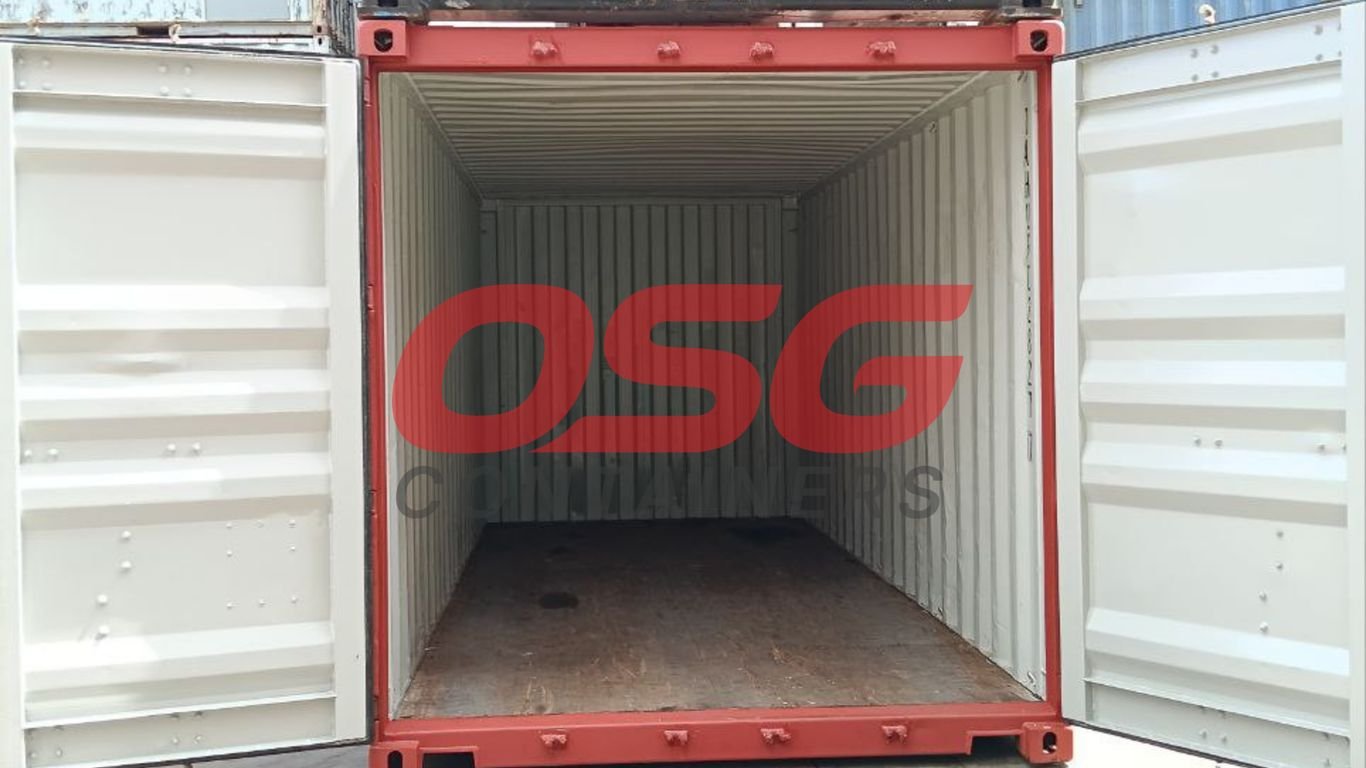
So, you’ve got some cargo that just won’t fit into a regular box, huh? Maybe it’s super tall, really wide, or just plain awkward. Trying to force it into a standard container is a headache, and sometimes it’s just not possible. That’s where open-top containers come in. They’re designed with a missing roof, usually covered by a tough tarp, making it way easier to load things from above. This simple change opens up a world of possibilities for shipping all sorts of stuff that would otherwise be a major challenge, and it can even be a better option than a 20ft container in many cases.
Key Takeaways
- Open-top containers are ideal for oversized or awkwardly shaped cargo that doesn’t fit through standard container doors, allowing for easy top-loading with cranes.
- Their design makes loading and unloading bulk materials like coal, ore, or scrap metal much faster and more efficient.
- Safety is key: always secure your load properly, ensure the tarp is tightly fastened for weather protection, and be mindful of weight limits.
- Beyond construction, these containers are great for storing scrap, debris, and even provide ventilation for organic materials, often being a cost-effective choice.
- While flexible, consider that an open top might require extra security measures compared to a fully enclosed container, especially for valuable items.
Understanding The Versatility Of Open Top Containers
Defining The Purpose Of An Open Top Container
So, what exactly is an open-top container? Imagine a regular shipping container, but without a permanent roof. Instead, it’s fitted with a removable tarpaulin or sometimes a solid cover. This design isn’t just for looks; it’s all about making things easier when you have cargo that’s just too big or oddly shaped to fit through standard doors. This open-top setup is the key to handling items that are too tall, too bulky, or just plain awkward for typical containers. It lets you load and unload from above, usually with cranes or other lifting equipment, which is a huge help for certain kinds of shipments. It’s quite different from a refrigerated container, which is built for keeping things cold.
Key Features That Set Open Top Containers Apart
These containers have a few special qualities that make them stand out:
- Top-Loading Access: The most obvious feature is the lack of a fixed roof, allowing for direct loading and unloading from above. This is perfect for items that exceed standard height limits.
- Removable Cover: Most open-top containers come with a heavy-duty tarpaulin that can be secured tightly. This protects the cargo from weather while still allowing for top access.
- Durable Construction: Like their closed-top counterparts, open-top containers are built tough, designed to handle heavy loads and the rigors of shipping.
Versatility Reigns Supreme
The real strength of open-top containers lies in their ability to adapt to cargo that doesn’t fit standard shipping sizes or loading methods. Their design focuses on making it easy to get things in and out from the top, which is often the only practical way to handle oversized or heavy items.
Open-top containers are incredibly adaptable. They aren’t limited to just oversized equipment; they’re also fantastic for bulk materials like gravel, sand, mulch, or scrap metal. You can simply pour these materials in from the top and then secure the tarpaulin for a safe journey.
Here’s a quick look at how they make things easier:
- Handling Awkward Shapes: Items that are tall, wide, or have protrusions that prevent them from fitting into a standard container are no problem.
- Bulk Material Transport: Ideal for loose goods like coal, ore, grain, or scrap, which can be easily loaded and unloaded from above.
- Machinery and Equipment: Large pieces of machinery, construction components, or vehicles can be loaded directly using cranes, saving significant time and effort.
Maximizing Efficiency With Top-Loading Capabilities
When you’ve got cargo that just doesn’t play nice with standard container doors, open-top containers really shine. Their design is all about making the loading and unloading process faster and less of a headache. Think about it: instead of trying to force a big, awkward item through a narrow opening, you can just lift it straight in from above. This simple change can save a surprising amount of time and effort.
Saving Time On Loading And Unloading
The biggest advantage here is speed. Because the top is open, you can use cranes or other lifting equipment to place items directly into the container. This is a huge time-saver, especially for bulky items like large machinery, pre-fabricated building parts, or even tall stacks of lumber. No more struggling to maneuver things into place; you just lift and drop. This also speeds up unloading at the destination. It means less time spent on the dock and getting your goods where they need to go faster.
Top-Loading Convenience For Oversized Cargo
This is where open-tops really prove their worth. If your cargo is too tall, too wide, or just plain too awkward to fit through a standard container door, an open-top is often your best bet. You can simply hoist the item directly into the container from above. This makes shipping things like:
- Large industrial equipment
- Construction beams and modules
- Even vehicles that are too tall to fit otherwise
… a whole lot simpler. It bypasses the limitations of traditional container doors entirely.
Crane Compatibility For Heavy Items
Many of the items that benefit from top-loading are also quite heavy. This is where the compatibility with cranes becomes a major efficiency booster. Cranes are designed for lifting heavy loads, and when you combine that with an open-top container, you have a system that can handle substantial weight with relative ease. You can position the crane directly over the container and lower the heavy item into its spot. This is often safer and more efficient than trying to use forklifts or other equipment to push or pull heavy items through a side door, which can risk damage to both the cargo and the container.
The ability to load directly from above bypasses many of the physical constraints of standard containers, making it ideal for items that would otherwise be difficult or impossible to ship.
Handling Unconventional Cargo With Ease
Accommodating The Awkward and Oversized
Sometimes, standard containers just don’t cut it. You’ve got items that are too tall, too wide, or just plain weirdly shaped. Trying to force them through a regular container door is a recipe for disaster, both for your cargo and the container itself. This is where open-top containers really shine. Because they don’t have a fixed roof, you can load things from the top, usually with a crane. Think about large pieces of industrial equipment, pre-fabricated building sections, or even large sculptures. You can just lift them right in. It makes the whole loading and unloading process so much simpler and faster.
Transporting Raw Materials Like Coal and Ore
Open-top containers are also fantastic for bulk materials. Stuff like coal, gravel, scrap metal, or even large amounts of agricultural products can be easily loaded from above. You can use loaders or conveyors to fill them up quickly. When it’s time to unload, it’s often just as straightforward. You can tip the container or use machinery to empty it out much faster than you could with a standard container. This speed is a big deal when you’re moving tons of material and need to keep things moving.
Shipping Vehicles and Boats With Ease
Got a vehicle that’s a bit too tall with its accessories, or maybe a small boat you need to ship? An open-top container can be the perfect solution. You can carefully lower these items into the container using a crane, making sure they’re positioned just right. This avoids any damage that might happen if you tried to squeeze them through regular container doors. It’s a much safer and more practical way to handle these kinds of awkward shipments.
When dealing with unconventional cargo, the open-top container offers a level of flexibility that standard containers simply can’t match. The ability to load from above significantly simplifies the process for bulky, tall, or irregularly shaped items, reducing the risk of damage and saving valuable time.
Here’s a quick look at why they’re so adaptable:
- Top-Loading Capability: The absence of a roof allows for overhead loading, ideal for machinery and large items.
- Bulk Material Handling: Efficiently load and unload loose materials like scrap or ore.
- Vehicle Transport: Safely position vehicles and boats that might not fit through standard doors.
- Reduced Risk of Damage: Minimizes the chance of scraping or damaging cargo during loading compared to forcing it through narrow openings.
Safety And Security Considerations For Open Tops
When you’re using an open-top container, keeping your cargo safe and secure is a big deal. Because the top is open, even with a tarp, it’s not quite the same as a fully enclosed box. So, you’ve got to be smart about how you load and secure everything.
Secure The Load Properly
This is probably the most important step. You can’t just toss stuff in and hope for the best. Everything needs to be tied down tight. Open-top containers usually have a bunch of strong points all around the inside walls. You’ll want to use heavy-duty straps, chains, or ropes to make sure your cargo doesn’t shift around during the trip. If things start moving, they can get damaged, or worse, fall out. Properly securing your load prevents movement and potential accidents.
Tarp It Tight For Weather Protection
The tarpaulin is your main defense against rain, snow, and wind. Make sure it’s a good quality tarp and that you secure it really well. It needs to be pulled taut and fastened all around the container, usually with a strong cord threaded through metal rings. If there are any gaps, water can get in, and that can ruin sensitive items. If you’re hauling something that absolutely cannot get wet, you might even want to add extra plastic sheeting underneath the main tarp, especially if the forecast looks grim.
Mind The Weight Limitations
Just like any container, open tops have limits on how much weight they can carry. You can’t just keep piling stuff in until it’s full. Overloading can stress the container’s structure, making it unsafe to move. Always check the container’s specifications for its maximum payload. It’s better to be a little under the limit than to risk a problem.
Remember, while the tarpaulin offers protection, it’s not a solid roof. Think of it as a strong, waterproof blanket. It does a good job, but it’s not impenetrable. So, always double-check your securing methods and the tarp’s condition before you hit the road.
Beyond Construction: Diverse Applications
While open-top containers are a construction site staple, their usefulness stretches much further than just building projects. Honestly, these things are pretty handy for all sorts of cargo that just doesn’t want to play nice with a regular box container. If you’ve got something big, awkward, or just plain heavy that needs shipping, these open tops are often the go-to solution.
Storage Solutions For Scrap Metal and Debris
Got a big cleanup job at a factory? Or maybe you’re tearing down an old building? Open-top containers are perfect for collecting and moving scrap metal or demolition debris. They can handle all sorts of heavy, awkward, and sometimes messy materials. Once they’re full, you can just haul them off to a recycling center or a landfill. It’s a simple way to manage waste and materials that need processing. They can even serve as temporary storage, acting like a large, accessible bin right on site, perhaps even holding materials for a future site office setup.
Ventilation For Organic Materials
Sometimes, you need to transport things that need to breathe. Think about certain agricultural products or even compost. The open top, when properly tarped, can still allow for some air circulation, which is better than being completely sealed in a standard container. This can help prevent spoilage or unwanted fermentation during transit. It’s not a perfect solution for everything, but for some organic goods, it’s a definite plus.
Cost-Effectiveness Compared To Flatbeds
While flatbeds are great for some things, they often require more complex securing procedures. Open-top containers, with their built-in structure, can sometimes be more cost-effective when you factor in the time and materials needed for proper load bracing. Plus, they offer a bit more protection from the elements than a completely exposed flatbed load, especially when the tarp is secured well. It’s a good middle ground for many types of cargo.
When you’re looking at shipping options, don’t just default to the standard box. Consider what you’re moving. If it’s bulky, heavy, or just doesn’t fit neatly, an open-top container might be the smarter, more efficient choice. It really comes down to matching the container to the cargo.
Here’s a quick look at why they’re so useful:
- Vertical Loading: Cranes can easily place large components from above.
- Accommodates Awkward Shapes: Ideal for items that don’t fit through standard container doors.
- Increased Capacity: Often allows for more efficient stacking of bulky materials.
- Reduced Handling Time: Speeds up the loading and unloading process significantly.
The Advantage Of Open Top Container Design
When you look at an open-top container, it might seem pretty straightforward – a box with no roof. But that simple design change brings some serious benefits, especially when you’re dealing with cargo that’s a bit out of the ordinary. It’s not just about being different from a standard 20 foot container; it’s about solving specific shipping puzzles.
The Advantage Of Removable Tarpaulin Covers
Forget about being stuck with a fixed roof. Open-top containers come equipped with a heavy-duty, removable tarpaulin. This isn’t some flimsy plastic sheet; it’s built tough to keep your stuff dry and protected from the elements once it’s loaded. The real magic here is how this cover enables top-loading. Imagine trying to get a massive piece of machinery or a tall stack of building materials into a regular container. It would be a real headache, right? With the tarpaulin off, you can just lower that cargo straight down from above using a crane. It makes loading and unloading much quicker and often the only practical way to handle these kinds of items.
Flexibility Offered By End Doors
While the open top is the main attraction for loading, most open-top containers still have those standard doors at the end. This is a big deal because it gives you options. You can still get to your cargo from the front or back, which is super handy for organizing things inside or for certain unloading scenarios. It’s like getting the best of both worlds: easy overhead access for the big stuff and traditional door access for everything else. This dual access can really simplify how you manage your shipment.
Durable Construction For Heavy Loads
These containers are built like tanks. They’re made from strong, corrugated steel, just like their closed-top cousins, meaning they can handle a lot of weight and the general wear and tear of shipping. The sides and floor are designed to take the stress that comes with loading heavy items from above. You don’t have to worry about the container bending or breaking under pressure. This robust build, combined with the flexible loading features, is what makes open-top containers so useful for tough jobs.
Here’s a quick look at what makes them so tough:
- Reinforced Walls: Built with strong steel to handle the forces of heavy cargo.
- Ample Lashing Points: Plenty of spots inside to tie down your load securely.
- Heavy-Duty Floor: Designed to support significant weight and impacts from loading.
While you might think of these for construction sites or scrap yards, their design makes them surprisingly adaptable. They’re not just for bulk materials; they can be used for things like specialized equipment or even as temporary storage solutions, sometimes even serving as makeshift container offices if the need arises, though that’s a less common use.
Choosing The Right Open Top Container
So, you’ve decided an open-top container is the way to go for your shipment. That’s a smart move, especially when you’re dealing with cargo that’s a bit too tall, too wide, or just plain awkward for a standard container. But not all open-tops are created equal, and picking the right one can make a big difference in how smoothly things go. It’s not just about grabbing any old box with no roof.
When A 20ft Container Isn’t Ideal
While a 20 foot container is a common size, it might not always be the best fit. If your cargo is exceptionally long or bulky, even the open-top version of a 20ft might be too restrictive. You might need a larger size, like a 40ft open-top, to comfortably accommodate everything without it sticking out too much or being a struggle to load. Think about it: trying to fit a long piece of machinery or a stack of large pipes into a container that’s just barely long enough is going to be a headache. You want some wiggle room.
New Versus Used Open Top Containers
This is a big decision, and it really comes down to your budget and how often you’ll be using the container. New open-top containers are, of course, in pristine condition. They’ll likely last longer and have fewer surprises. However, they come with a higher price tag. Used open-top containers can be a fantastic way to save money, especially for one-off projects or if you don’t need the absolute latest model. Just be sure to inspect them carefully. Look for:
- Structural Integrity: Check the frame, corners, and floor for any signs of significant damage, rust, or warping.
- Door Functionality: If it has end doors, make sure they open and close smoothly.
- Tarp Condition: While tarps can be replaced, check if the original is usable or if you’ll need a new one right away.
The key is to balance cost savings with the container’s ability to do the job safely and effectively for the duration you need it.
Partnering For Your Open Top Needs
Sometimes, figuring out the best container size, whether to buy new or used, and how to arrange transport can feel like a puzzle. That’s where working with a reliable supplier comes in handy. They can offer advice based on your specific cargo and project timeline. They might have different sizes available, or even offer rental options if buying isn’t the right fit. Don’t hesitate to ask questions. A good partner will help you avoid common pitfalls and make sure you get the right open-top container without any unnecessary fuss.
Wrapping It Up
So, when you’re faced with cargo that just won’t fit into a regular box, remember the open-top container. They really make loading and unloading much simpler, especially for those tall or awkwardly shaped items. Sure, you’ll want to make sure everything is tied down well and protected from the weather, but the ease of getting big stuff in and out is a huge plus. If you’re moving machinery, lumber, or building supplies that are a bit out of the ordinary, these containers are definitely worth a look. They offer a practical way to handle shipments that would otherwise be a real headache.
Frequently Asked Questions
What makes open-top containers great for big stuff?
Open-top containers are awesome for large items because you can load them from the top. Imagine trying to fit a giant piece of machinery into a regular container – it’s tough! With an open top, a crane can just lift it right in, making things way easier and faster.
Can I use these for oddly shaped items?
Absolutely! If your cargo isn’t a perfect square, like large pipes or unique sculptures, open-top containers give you more freedom. You can load them more easily and secure them better, reducing the chance of damage during the journey.
Are they good for building materials like wood?
Yes, they are perfect for things like lumber or large construction parts. You can stack them high and load them efficiently from above, which is super helpful for materials that don’t fit neatly into a closed box.
What’s the difference between a new and used open-top container?
A new container is in perfect condition, while a used one has been shipped before. When picking a used one, it’s super important to check that it’s still strong and the tarp cover is in good shape, especially if you’re moving heavy things.
How do open-top containers help save time?
Loading and unloading is much quicker because you can use cranes to lift items straight in or out from the top. This avoids the slow process of trying to fit big things through regular doors, which can save a lot of time on busy projects.
Are open-top containers safe for my cargo?
Yes, they are built strong with tough steel sides to handle heavy loads. Plus, they have many points to tie down your cargo securely. The removable tarp also protects your items from rain and sun once they’re loaded.