Singapore
 Australia
 Indonesia
 Japan
Japan Malaysia
 New Zealand
 Philippines
 South Korea
 Taiwan
 Thailand
 VIETNAM
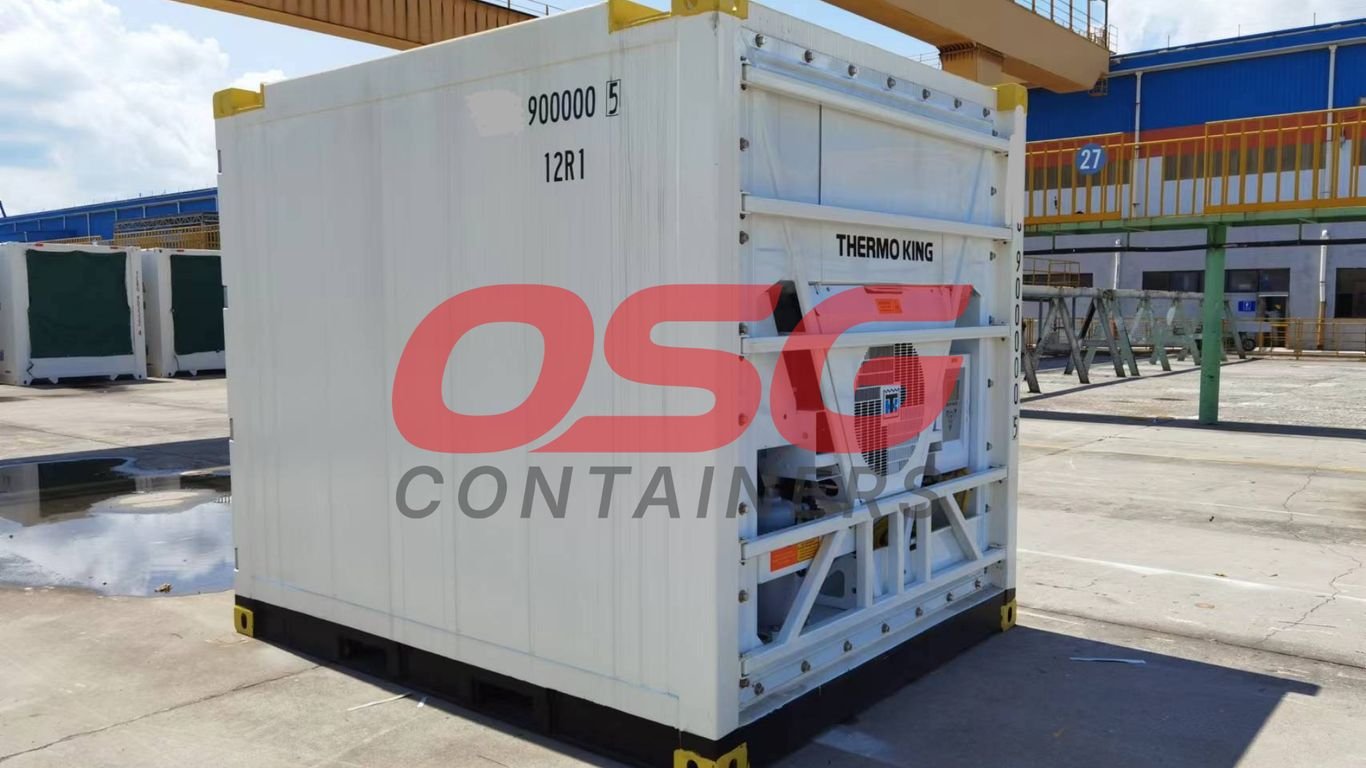
You’ve probably seen them around – those big, specialized shipping containers that keep things frosty. They’re called reefer containers, and they’re becoming super important for businesses. It’s not just about keeping ice cream frozen anymore. Things like groceries, medicines, and even some electronics need to stay at a steady temperature while they travel. This article looks at why these container reefers are becoming the go-to choice for so many companies and what makes them so special.
Key Takeaways
- More people are shopping online for food and medicine, and these items need temperature control, which is boosting the use of container reefers.
- Newer container reefers are much smarter, using less energy and letting businesses track temperatures in real-time with advanced tech.
- Keeping food and medicine safe is a bigger deal now, and container reefers help businesses meet these strict rules by keeping precise temperatures.
- Buying or renting enough container reefers can be costly, so many businesses team up with logistics companies to handle the expense and capacity.
- The need for reliable container reefer shipping is expected to keep growing as online shopping and global trade continue to expand.
Meeting The Growing Demand For Temperature-Controlled Shipping
The E-commerce Surge Driving Reefer Container Usage
It feels like everything is getting shipped these days, right? Groceries, medicines, fancy cheeses – you name it. And a lot of these items can’t just be tossed in any old box. They need to stay at a specific temperature, or they’re ruined. This is where reefer containers, or refrigerated containers, come into play. They’re basically big, mobile refrigerators designed to keep goods from spoiling or losing their effectiveness during transit. Think about it: a batch of vaccines needs to stay cold to work, and that fresh produce you ordered online won’t taste so fresh if it gets warm on the truck. The demand for keeping things at just the right temperature, from farm to fork or lab to patient, is really taking off.
So, what’s causing this big jump in needing these special containers? A few things are really pushing it. For starters, more and more people are buying groceries and medicines online. This direct-to-consumer trend means more perishable stuff is moving through the shipping system than ever before. Plus, there’s a growing global focus on making sure food and drugs are safe. Countries are putting stricter rules in place, and that means we need to be able to prove that sensitive items stayed at the right temperature the whole way. It’s not just about getting things there; it’s about getting them there safely.
Here are some of the main reasons we’re seeing this increase:
- E-commerce Boom: More online shopping means more perishable goods need careful transport.
- Food and Pharma Safety: Stricter regulations require precise temperature control and tracking.
- Global Supply Chain Shifts: Changes in where goods are produced and consumed create new transport needs.
- Consumer Preferences: People want fresh, high-quality products, even if they’re shipped from far away.
The ability to monitor conditions remotely and receive instant alerts is transforming how businesses manage their cold chain. It reduces the risk of spoilage and provides a clear audit trail, which is becoming increasingly important.
Ensuring Food And Pharmaceutical Safety Standards
Keeping food and medicine safe during transit isn’t just a good idea; it’s a legal requirement in many places. Regulations around the world are getting tougher, and for good reason. Nobody wants to get sick from spoiled food or receive medication that’s lost its effectiveness because it wasn’t kept at the right temperature. Reefer containers are built to meet these strict standards. They provide a controlled environment that can be precisely managed, from freezing temperatures for ice cream to just-above-freezing for fresh produce, or the specific cool ranges needed for many pharmaceuticals.
Businesses are increasingly held accountable for the condition of their goods upon arrival. This means having a reliable system to maintain temperature integrity is no longer optional. It’s a core part of the supply chain that directly impacts consumer health and business reputation. The technology within modern reefers helps provide the necessary data to prove compliance, offering peace of mind to both the shipper and the end consumer.
Adapting To Global Supply Chain Shifts
Our world’s supply chains are always changing. Goods are produced in different places than they used to be, and consumers are spread out all over the globe. This means that temperature-sensitive items often have to travel much further and through more varied climates than before. Think about fresh berries from South America making their way to Europe, or specialized medicines being sent from a lab in Asia to a clinic in North America. These long journeys require robust temperature control that can handle the stresses of international shipping, including multiple transfers between ships, trains, and trucks.
Reefer containers are designed for this kind of global movement. They can be pre-cooled, loaded quickly, and moved between different modes of transport without breaking the cold chain. This flexibility is key as businesses adapt to new trade routes and sourcing strategies. The ability to maintain a consistent temperature, regardless of external conditions or transit duration, is what makes reefers indispensable in today’s interconnected world.
| Product Category | Typical Temperature Range (°C) |
|---|---|
| Fresh Produce | 0°C to 15°C |
| Dairy | 2°C to 6°C |
| Frozen Foods | -18°C to -25°C |
| Pharmaceuticals | 2°C to 8°C (or as specified) |
Technological Advancements Enhancing Container Reefer Capabilities
Real-Time Monitoring Through IoT Integration
These days, reefer containers are way smarter than they used to be. Think less about basic cooling and more about high-tech control centers on wheels. A big part of this upgrade comes from the Internet of Things, or IoT. Basically, sensors are now built into many reefer containers, and they constantly send information about what’s going on inside. You can check the temperature, humidity, and even where your container is, all from your phone or computer. This constant stream of data means you can catch problems before they become disasters. If the temperature starts to drift, you get an alert right away, letting you fix it before your cargo spoils. It’s like having a watchful eye on your shipment 24/7.
- Instant Alerts: Get notified the second temperature goes out of bounds.
- Location Tracking: Always know the exact whereabouts of your reefer containers.
- Data Logging: A detailed record of conditions is kept, useful for checks and analysis.
This level of oversight is a huge step up from older methods. It reduces the guesswork and the risk of losing valuable goods.
Predictive Maintenance And Automated Inventory
Beyond just monitoring, modern reefer containers are also getting better at predicting their own needs. The same sensors that track cargo conditions can also keep an eye on the machinery itself. This means the container can flag potential issues, like a part that’s starting to wear out, before it breaks down completely. This predictive maintenance is a lifesaver for keeping shipments on schedule. It also helps with managing inventory. Instead of manually counting and tracking, automated systems can provide real-time updates on what’s inside, reducing errors and saving time. This is especially helpful when dealing with complex shipments or when using specialized units like iso tanks that might require specific handling.
Remote Adjustments For Optimal Conditions
What’s really cool is that with many of these advanced reefer containers, you don’t even have to be physically present to make changes. If a sensor alert indicates a slight temperature fluctuation, or if you need to adjust settings for a different type of cargo being loaded, you can often do it remotely. This flexibility is incredibly useful, especially for long-haul journeys or when dealing with unexpected delays. It means you can fine-tune the environment inside the reefer containers to keep everything in perfect condition, no matter where it is in the world.
Energy Efficiency And Sustainability In Modern Reefers
It’s not just about keeping things cold anymore; it’s about doing it smartly and with the planet in mind. Modern reefer containers are getting a serious upgrade when it comes to using less energy and being kinder to the environment. This isn’t just a nice-to-have; it’s becoming a big deal for businesses looking to cut costs and meet stricter regulations.
Reducing Environmental Impact With Eco-Friendly Refrigerants
Older cooling systems often used refrigerants that weren’t great for the ozone layer or contributed to global warming. The newer units? They’re switching things up. You’ll find more reefers now using things like R-134a or even newer, lower Global Warming Potential (GWP) options. This makes a real difference in cutting down on greenhouse gas emissions from the shipping industry. It’s a move away from the old ways towards solutions that are better for everyone.
Lowering Operational Costs Through Energy Savings
Using less power means lower electricity bills, plain and simple. Think about it: if your reefer container can maintain its temperature using less energy, that’s money saved on every single trip. Plus, better insulation and more efficient compressors mean the unit doesn’t have to work as hard. This also means less wear and tear, potentially leading to fewer repairs down the line. It’s a win-win situation that directly impacts a company’s bottom line.
The Evolution Towards Greener Container Reefer Designs
We’re seeing a big push for innovation in how these containers are built and operate. Manufacturers are looking at:
- Improved Insulation: Better materials mean less heat gets in, so the cooling system doesn’t have to run as much.
- Variable Speed Drives: These allow compressors to adjust their speed based on cooling needs, rather than just switching on and off, which saves a lot of energy.
- Smart Power Management: Systems that optimize power usage, sometimes even integrating with renewable energy sources where possible.
The shift towards greener reefer technology isn’t just about following trends; it’s about future-proofing your logistics. As environmental regulations tighten and consumer demand for sustainable practices grows, businesses that adopt these energy-efficient solutions will find themselves ahead of the curve, both economically and reputationally.
Here’s a quick look at how energy efficiency can stack up:
| Feature | Older Models | Modern Reefers |
|---|---|---|
| Energy Consumption | Higher | Lower (up to 30% less) |
| Refrigerant Type | Higher GWP | Lower GWP |
| Maintenance Frequency | More frequent | Less frequent |
| Operational Cost | Higher | Lower |
Navigating The Evolving Landscape Of Refrigerated Shipping
It feels like everything is getting shipped these days, right? Groceries, medicines, fancy cheeses – you name it. And a lot of these items can’t just be tossed in any old box. They need to stay at a specific temperature, or they’re ruined. This is where reefer containers, or refrigerated containers, come into play. They’re basically big, mobile refrigerators designed to keep goods from spoiling or losing their effectiveness during transit. Think about it: a batch of vaccines needs to stay cold to work, and that fresh produce you ordered online won’t taste so fresh if it gets warm on the truck. The demand for keeping things at just the right temperature, from farm to fork or lab to patient, is really taking off.
Understanding The Surge In Container Reefer Demand
So, what’s causing this big jump in needing these special containers? A few things are really pushing it. For starters, more and more people are buying groceries and medicines online. This direct-to-consumer trend means more perishable stuff is moving through the shipping system than ever before. Plus, there’s a growing global focus on making sure food and drugs are safe. Countries are putting stricter rules in place, and that means we need to be able to prove that sensitive items stayed at the right temperature the whole way. It’s not just about getting things there; it’s about getting them there safely.
Here are some of the main reasons we’re seeing this increase:
- E-commerce Boom: More online shopping means more perishable goods need careful transport.
- Food and Pharma Safety: Stricter regulations require precise temperature control and tracking.
- Global Supply Chain Shifts: Changes in where goods are produced and consumed create new transport needs.
- Consumer Preferences: People want fresh, high-quality products, even if they’re shipped from far away.
The Indispensable Role Of Container Reefers
These aren’t just fancy boxes; they’re critical links in the modern supply chain. The ability to monitor conditions remotely and receive instant alerts is transforming how businesses manage their cold chain. It reduces the risk of spoilage and provides a clear audit trail, which is becoming increasingly important. The complexity of global supply chains means that a single shipment can pass through many hands and locations. Having clear, verifiable documentation from the reefer container itself helps build trust and avoids costly disputes or product recalls. It’s about accountability at every step.
Future Trends In The Container Reefer Market
Looking ahead, the reefer container market isn’t slowing down. In fact, it’s set for some pretty significant shifts that businesses need to pay attention to. It’s not just about keeping things cold anymore; it’s about doing it smarter, greener, and with more information than ever before.
- Continued Growth In Cold Chain Infrastructure: The demand for temperature-controlled shipping is only going up. This means we’ll see more investment in the whole cold chain – think more refrigerated warehouses, better distribution hubs, and improved transport networks. Reefer containers are right at the center of this expansion, offering a flexible way to move goods as the need for cold storage grows.
- Automation And Smart Technologies: Get ready for more tech. Automation is making its way into cold chain logistics, and reefer containers are getting smarter too. IoT sensors are becoming standard, giving real-time updates on temperature, humidity, and location. This kind of visibility helps catch problems before they become big issues, which is a huge win for keeping sensitive cargo safe.
- Adapting To Evolving Global Regulations: Regulations aren’t static; they change. What’s acceptable today might not be tomorrow. This means businesses using reefer containers need to stay informed about new rules, especially those related to environmental impact and safety standards. For instance, there’s a growing push for more energy-efficient cooling systems and eco-friendly refrigerants. Companies that proactively update their equipment and processes to meet these changing global standards will be better positioned to succeed.
The convenience of online shopping has fundamentally changed consumer expectations. For businesses dealing with perishable goods, this means investing in robust cold chain logistics isn’t just an option anymore; it’s a necessity for survival and growth in the digital economy. The ability to deliver fresh, safe products consistently is what builds customer loyalty in this new era.
Addressing The Challenges Of Reefer Container Logistics
So, you’ve decided reefer containers are the way to go for your temperature-sensitive goods. That’s great! But like anything in shipping, it’s not always smooth sailing. There are definitely some hurdles to jump over.
Managing The Higher Costs Of Reefer Container Investment
Let’s be real, these specialized containers aren’t cheap. Compared to a standard dry box, a reefer unit can set you back a good chunk more, sometimes 40-50% higher. This can be a big deal, especially for smaller businesses that don’t have a massive budget lying around. It means you really have to think about whether the investment makes sense for your specific needs and how often you’ll be using them.
- Initial Purchase Price: Significantly higher than standard containers.
- Maintenance Costs: Require specialized technicians and more frequent upkeep.
- Energy Consumption: Running the refrigeration unit adds to operational expenses.
The upfront cost is a major consideration. Businesses need to weigh this against the potential losses from spoiled goods and the market opportunities that temperature-controlled shipping opens up.
The Role Of Third-Party Logistics Providers
Because of those higher costs and the complexity involved, many companies find it easier to work with third-party logistics (3PL) providers. These folks often have their own fleets of reefers and the know-how to manage them. It means you don’t have to tie up your capital in equipment you might not use all the time. Plus, they’re usually up-to-date on all the regulations and best practices, which can save you a lot of headaches.
Ensuring Sufficient Container Reefer Capacity
Sometimes, just getting your hands on enough reefer containers can be a challenge. Demand has really shot up, and with global supply chain snags, getting containers where they need to be isn’t always easy. They can get stuck in the wrong places, and bringing them back empty takes time and money. This scarcity can drive up prices and make it harder to secure the capacity you need, especially during peak seasons. It’s a bit of a balancing act to make sure you have enough containers without having too many sitting idle.
Customization Options For Diverse Cargo Needs
Specialized Units For Unique Shipping Challenges
Not everything you ship is going to be the same, right? That’s why reefer containers aren’t one-size-fits-all either. For those really tricky shipments, there are specialized units. Think about things like ISO tanks that have been adapted for temperature control, or units built with extra insulation for those super-hot or super-cold climates. These aren’t your standard boxes; they’re designed to handle specific, often demanding, shipping requirements that regular reefers might struggle with. It’s all about getting the exact right setup for whatever you’re sending.
Adapting Reefers For Extreme Temperature Environments
When you’re shipping goods that need to stay within a very narrow temperature range, especially in places where the outside weather is wild, you need a reefer that can handle it. Some containers come with enhanced insulation packages. This means they can maintain their internal temperature much more effectively, even when it’s baking hot or freezing cold outside. This extra layer of protection is key for preventing spoilage or damage to sensitive products like certain chemicals or specialized food items.
Creating Different Temperature Zones Within A Single Container
This is pretty neat. Some advanced reefer containers can actually be configured to have multiple temperature zones inside one unit. Imagine shipping a mix of items – maybe some fresh produce that needs to be cool, and some frozen goods that need to be rock solid. Instead of needing two separate containers, you can set up different sections within a single reefer to maintain those distinct temperatures. This really cuts down on the number of containers you need and simplifies your logistics.
- Multi-zone capability: Allows for shipping of varied temperature-sensitive goods simultaneously.
- Optimized insulation: Ensures each zone maintains its target temperature effectively.
- Reduced container count: Streamlines operations and potentially lowers shipping costs.
The ability to tailor a reefer container’s internal environment to specific cargo needs is a significant step forward. It means businesses can be more flexible with their shipping plans and handle a wider variety of products without needing specialized equipment for each one. This adaptability is becoming more important as supply chains get more complex and demand for diverse goods grows.
The Takeaway: Why Reefers Are Here to Stay
So, what’s the big picture here? It’s pretty clear that reefer containers aren’t just a passing trend. With more people shopping online for everything from fresh produce to important medicines, keeping things at the right temperature during shipping has become a major deal. Businesses are seeing that using these specialized containers isn’t just about following the rules, it’s about keeping customers happy and making sure products arrive in good shape. Plus, with newer models getting smarter and more energy-efficient, they’re becoming a more practical choice. It looks like reefers are going to be a key part of how we get goods delivered for a long time to come.
Frequently Asked Questions
What is a reefer container?
Think of a reefer container as a super-smart, giant refrigerator on wheels or on a ship! It’s a special kind of shipping box used to keep things like food, medicines, and other items that can go bad if they get too warm, at just the right cold temperature while they’re being moved from one place to another.
Why are businesses using more reefer containers lately?
Lots of reasons! More people are buying groceries and medicines online, and these items need to stay cold. Also, rules about keeping food and medicine safe are getting tougher, and reefer containers are great at helping businesses follow these important safety rules.
Are modern reefer containers good for the environment?
Yes, many newer reefer containers are built to use less electricity and have cooling stuff that’s kinder to the planet. This helps businesses save money on power bills and is better for the environment overall. They’re becoming much more eco-friendly!
How can I be sure my shipment stays at the correct temperature?
Many reefer containers have cool technology, like internet-connected sensors. These let businesses see the temperature inside the container live on their phone or computer. If the temperature changes unexpectedly, they get an alert right away, helping to keep your goods safe.
Is it costly to use reefer containers?
Reefer containers can cost more than regular ones because they have special cooling equipment. To help manage these costs, many businesses team up with bigger shipping companies that already have a lot of reefer containers available.
What’s next for reefer containers?
The need for reefer containers is expected to keep growing because more people are shopping online for things that need to stay cold. Technology will also make them even smarter and more energy-efficient, making them even more useful in the future.