Singapore
 Australia
 Indonesia
 Japan
Japan Malaysia
 New Zealand
 Philippines
 South Korea
 Taiwan
 Thailand
 VIETNAM
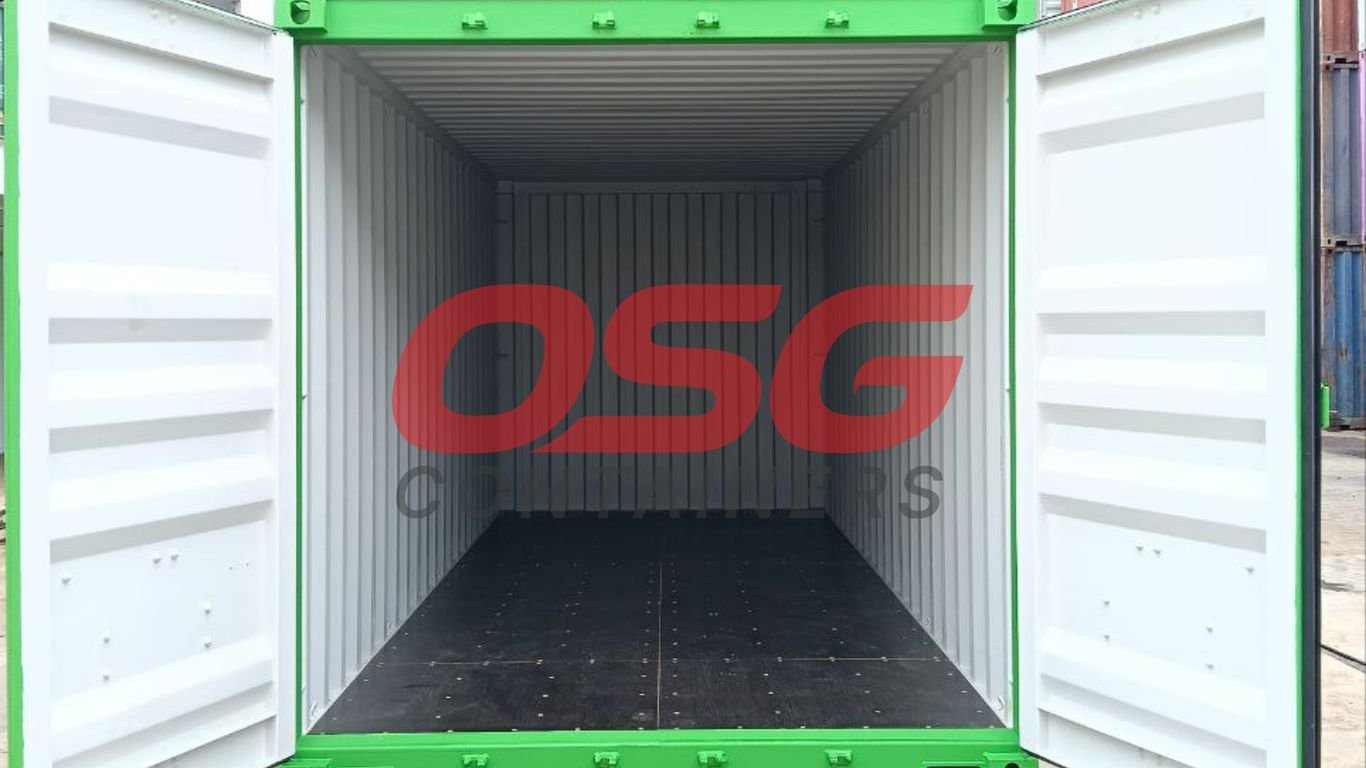
Shipping big, bulky, or weirdly-shaped stuff can be a real headache. Regular containers just don’t cut it when your cargo is too tall, too wide, or just doesn’t fit the usual mold. That’s where open top containers come in handy. These containers are designed with a removable roof, so you can load cargo from the top, making them perfect for oversized or awkward items. Whether you’re moving construction equipment, big machinery, or even loose materials like minerals, open top containers make the job easier and safer. Let’s look at why open top containers might be the best choice for your oversized cargo needs.
Key Takeaways
- Open top containers are great for cargo that’s too tall or oddly shaped for regular containers.
- They make loading and unloading easier, especially with cranes or heavy equipment.
- The removable roof can be a hard or soft cover, offering some protection but not complete weatherproofing.
- There are extra costs and sometimes limited availability, so planning ahead is important.
- Best used for things like construction gear, machinery, and bulk materials that need top loading.
Handling Oversized and Awkwardly Shaped Cargo
Bypassing Standard Door Constraints
Regular shipping containers have those fixed doors, right? Well, if your cargo is taller than the standard opening or just too wide to slide through, you’re in a bind. Open top containers ditch that problem. Since they don’t have a fixed roof, you can load items that stick up quite a bit. This means you don’t have to worry about whether something will clear the doorway, which is a huge relief when you’re dealing with tall equipment or machinery. It really simplifies the whole process.
Loading Tall or Awkwardly Wide Items
When you’ve got stuff that just doesn’t fit the usual box shape, open tops are a lifesaver. Imagine trying to ship a piece of industrial equipment that has parts sticking out way past the normal dimensions. With a standard container, you’d have to try and force it, risking damage to both the cargo and the container itself. Open tops let you load these awkward items from above, making it much easier to position them correctly. You can even load things that are wider than the container’s side walls, as long as they’re secured properly for transit. It’s all about making the loading process less of a headache.
Facilitating Overhead Loading with Equipment
This is where the real magic happens. Because there’s no permanent roof, you can use cranes, forklifts, or other lifting gear to place your cargo directly into the container from above. This is especially useful for really heavy items, like large engines or construction materials. It’s not just about fitting things in; it’s about doing it safely and efficiently. Proper overhead loading means you can position heavy items precisely, reducing the risk of damage and making sure everything is stable for the journey. It’s a much more controlled way to handle bulky goods compared to trying to maneuver them through side doors.
When your cargo is taller than the sides of a standard container, or wider than its usual opening, an open-top container is your best bet. You avoid the hassle and potential damage of trying to force a bad fit through side doors. Plus, for items that stick out above the container’s sides, you can often manage this within safe limits, avoiding the need for special permits that might otherwise be required.
Here’s what makes them so good for these situations:
- No Roof Obstruction: Load items that exceed standard height limits without issue.
- Top Access: Cranes and other heavy equipment can easily place cargo from above.
- Flexibility: Accommodates items that are wider than the container itself, provided they are secured.
- Reduced Maneuvering: Avoids the difficulty of fitting bulky items through standard container doors.
Streamlining Loading and Unloading Processes
When you’ve got cargo that just doesn’t play nice with standard container doors, the usual loading and unloading methods can turn into a real headache. Open top containers really change the game here, making the whole process much smoother. The ability to load directly from above is the biggest advantage, cutting down on time and hassle.
Top-Loading for Heavy Machinery
Forget trying to angle massive pieces of equipment through narrow doors. With an open top container, cranes can simply lift heavy machinery straight in. This direct overhead access not only saves a ton of time but also reduces the risk of damaging both the cargo and the container itself. It’s about getting those big, valuable items into place safely and efficiently.
Efficient Handling of Bulky Construction Materials
Think about loading long beams, large pipes, or pre-fabricated sections for a construction site. Trying to maneuver these into a standard container is often a frustrating, time-consuming task. Open tops allow for these bulky materials to be lifted and placed directly, significantly speeding up the loading process. This is a huge plus when you’re working against tight project deadlines.
Reducing Loading Time and Hassle
Ultimately, the open top design cuts down on the overall time and effort required for loading and unloading. This translates directly into cost savings on labor and equipment rental. It simplifies logistics, especially for items that are tall, wide, or just plain awkward.
Here’s a quick look at how it speeds things up:
- No Door Obstructions: Bypass the limitations of standard container doors.
- Direct Placement: Cranes can position cargo precisely where it needs to go.
- Reduced Maneuvering: Less need for complex angling or forcing items.
The ease of loading from above means you can get your oversized items secured and ready for transit much faster than with traditional methods. It’s a simple change that makes a big difference for specific types of cargo.
Versatility Across Multiple Industries
It’s pretty amazing how many different kinds of businesses can find a use for open-top containers. They’re not just for one specific job; their design makes them handy for all sorts of situations.
Construction Equipment and Building Materials
When you’re working on a construction site, things rarely come in neat, boxy shapes. You’ve got long steel beams, massive concrete pipes, maybe even pre-fabricated wall sections that just won’t fit through a standard container door. Trying to force these into a regular container is a recipe for damage and delays. Open-top containers are a real lifesaver here. You can just use a crane to lift these bulky items straight in from the top. This makes loading way faster, which is a big deal when you’re on a tight schedule. They’re also great for lumber, rebar, and even heavy machinery needed on-site. It really simplifies getting materials where they need to go.
Large Industrial Machinery and Vehicle Parts
Beyond construction, these containers are super useful for moving big industrial stuff. Think about shipping a huge generator, a complex piece of manufacturing equipment, or even large vehicle chassis. These items are often too tall or awkwardly shaped for regular containers. The open top design means you can load them directly from the top using heavy lifting gear. This completely bypasses the problem of narrow door openings. It’s not just about the really big items, either. Manufacturers often use them for shipping large batches of vehicle parts that might not stack well in a standard container. The flexibility in securing these items, thanks to all the lashing points, is also a major plus.
Bulk Cargo Like Minerals and Grains
While not their most common use, open-top containers can also handle certain types of bulk cargo, especially when direct top loading is preferred. Imagine materials like scrap metal, aggregates, or even grains that need to be loaded quickly from above. For smaller or more specific shipments, an open top can be a practical solution. The removable tarp roof provides protection from the elements during transit, keeping the cargo clean and dry. It’s a good option when you need to move these materials without needing a fully enclosed, rigid structure.
The real advantage of an open-top container is its ability to adapt. It removes the constraints of a standard container, allowing for simpler handling and a broader range of cargo types. This adaptability is what makes them so useful across many different sectors.
Here’s a quick look at why they’re so adaptable:
- Top Loading Access: Cranes and forklifts can easily lift items directly into the container, speeding up loading and unloading times significantly.
- Accommodating Lengths: Perfect for long items like lumber, beams, and rebar that are difficult to fit into standard containers.
- On-Site Storage: They can serve as temporary, accessible storage on job sites, keeping materials protected from the elements with their tarp roofs.
Securing Irregularly Formed Cargo
Flexibility Beyond Conventional Packing
Let’s face it, not everything we need to ship fits neatly into a standard box. When you’re dealing with items that have odd dimensions or just plain awkward shapes, regular containers can feel like trying to force a square peg into a round hole. Think about those massive industrial components, custom-built machinery, or even large artistic pieces. Trying to wrestle these into a standard shipping container often turns into a real headache, and frankly, a logistical nightmare.
This is exactly where open-top containers really show their worth. Their design, which usually includes a removable tarp roof and sometimes even open sides, offers a level of flexibility that traditional containers just can’t match. You’re not stuck trying to maneuver things through standard door openings anymore; instead, you can load directly from the top using cranes or other lifting gear. This makes getting those unusual items secured a whole lot simpler. The open top design means you’re not limited by fixed door frames, allowing for easier placement of items that simply won’t fit through conventional openings.
Understanding Load Direction and Protection Levels
When you’re shipping items that don’t conform to typical shapes, how you position and secure them is super important. It’s not just about getting it in the container; it’s about making sure it stays put and doesn’t get damaged during transit. Open-top containers offer plenty of tie-down points, which are a lifesaver for irregularly shaped cargo. You can lash down items from multiple angles, preventing shifting and stress on specific points.
Here’s a quick rundown of what to think about:
- Weight Distribution: Is the load balanced evenly? Uneven weight can cause the container to tip or the cargo to shift, which is a big no-no.
- Securing Methods: Are you using the right straps, chains, or bracing? Heavy-duty materials are a must, especially for items that might move.
- Protection Points: Where does the cargo touch the container? Add padding or blocking to prevent rubbing or pressure damage, particularly if parts of the load extend beyond the container’s base.
- Load Direction: How is the item oriented? Sometimes, a specific orientation is best for stability or to protect delicate parts.
When dealing with cargo that sticks out or is just plain massive, you’ve got to check international and local shipping regulations carefully. Sometimes, you’ll need special permits or extra paperwork. Don’t get caught out by customs because you didn’t have the right documents for your oversized load. It’s better to be safe than sorry.
Remember, while the open top gives you freedom in loading, it also means you’re responsible for protecting your cargo from the elements. The tarp is your primary defense against rain and sun, so make sure it’s secured properly.
Key Considerations for Using Open Top Containers
So, you’re thinking about using an open-top container for your shipment? That’s a smart move for certain types of cargo, but like anything in shipping, there are a few things you really need to think about before you commit. It’s not just about having a roofless box; it’s about making sure it’s the right tool for the job and that you’re using it safely and effectively.
Weather Protection Limitations
While the removable tarp or hard-top cover does offer some defense against the elements, it’s not a foolproof shield. If your goods are super sensitive to moisture, dust, or extreme temperature fluctuations, an open-top container might not be the best fit on its own. You’ll need to consider if additional protective measures, like extra wrapping or internal bracing, are necessary. For cargo that absolutely cannot get wet or dirty, a fully enclosed container is usually the safer bet.
It’s easy to get caught up in the convenience of top-loading, but don’t forget that the ‘open’ part means exposure. Think about how the weather might impact your specific cargo during transit, especially if there are long delays or if the container will be sitting on the dock for a while.
Required Lifting Equipment
Loading and unloading an open-top container isn’t like a standard container where you can just roll things in or out. You’re almost certainly going to need some serious lifting gear. We’re talking cranes, usually. This means you need to:
- Confirm availability: Make sure the necessary cranes or heavy-duty forklifts are accessible at both the loading and unloading points.
- Factor in costs: Renting or using specialized lifting equipment adds to the overall shipping expense.
- Plan the operation: Coordinate the lifting process carefully to avoid accidents and ensure the cargo is placed correctly.
Securing Your Load Effectively
This is a big one. Because there’s no roof or fixed side walls to hold things in place, securing your cargo is absolutely critical. You can’t just stack things and hope for the best. You’ll need:
- Strong lashing points: Containers have these, but you need to know how to use them properly.
- Appropriate straps and chains: The right tension and type of securing gear are vital.
- Blocking and bracing: For oddly shaped items, you might need to build supports to stop them from shifting.
It’s about making sure that even with the bumps and shifts of travel, your cargo stays put and doesn’t damage itself or the container. This often requires a bit more planning than with standard containers.
Comparing Open Top Containers with Other Options
Roof and Side Wall Differences
When your cargo just doesn’t fit into a standard shipping container, you start looking at alternatives. The most common comparisons are with flat rack containers, and sometimes even specialized options like an isotank for liquids. The biggest difference, right off the bat, is the roof. A standard 20 ft container has a solid, fixed roof. An open top container, as the name suggests, doesn’t. It usually has a removable tarpaulin or a hard lid. This makes loading tall items from above with a crane way easier. Flat racks, though? They’re basically a flat base with end walls, and no roof or side walls at all. This means your stuff is completely exposed, but you can load it from pretty much any angle.
Load Direction and Protection Levels
Because an open top has those doors at the end like a regular 20 foot sea container, you can load from the back. But the real advantage is loading from the top. This is great for tall machinery or construction materials. Flat racks let you load from the top, the sides, and the ends. Protection is another big factor. An open top, especially with a hard roof or a well-secured tarp, offers decent protection from rain and dust. A flat rack offers almost none. So, if your cargo is sensitive to weather, even if it’s oversized, an open top is usually the better bet.
Typical Cargo Suitability
So, what kind of stuff goes where? Open top containers are your go-to for tall items, awkwardly shaped machinery, or bulk materials that can be easily loaded from above. Think construction equipment that needs to be craned in, or large industrial parts. Flat racks are better suited for extremely wide loads, like large pipes, boats, or heavy machinery that might overhang the sides. They are also good for items that are too heavy to be lifted from the top easily.
Here’s a quick rundown:
- Open Top Containers: Best for tall cargo, items needing overhead loading, and some protection from the elements. Good for things like large generators, pipes, or building materials that exceed standard height.
- Flat Rack Containers: Ideal for over-width and over-height cargo that might not fit even in an open top. Think boats, large vehicles, or industrial equipment that needs loading from multiple sides.
- Standard Shipping Containers (e.g., 20 ft container): For cargo that fits within standard dimensions and doesn’t require special loading methods.
Choosing the right container isn’t just about fitting your cargo; it’s about how you can load it safely and protect it during transit. Making the right choice can save you time, money, and a lot of headaches down the line, especially when dealing with specialized shipments.
Wrapping It Up: When Open Tops Just Make Sense
So, when all is said and done, open top containers aren’t just some niche shipping option. They’re a really practical solution when you’ve got stuff that’s just too tall, too wide, or just plain awkward for a regular box. Loading from the top makes a huge difference, especially with heavy machinery or construction materials, saving you time and a lot of hassle. Sure, they might not be the cheapest or easiest to find sometimes, and you’ve got to think about weather protection, but for the right job, they really can’t be beat. If you’re staring down a shipment that won’t fit through a standard door, seriously, give these open tops a good look. They might just be the perfect fit.
Frequently Asked Questions
What makes open-top containers different from regular ones?
Regular shipping containers are like boxes with solid roofs. Open-top containers don’t have a fixed roof; they have a special cover, usually a strong tarp, that can be taken off. This design lets you load items from the very top, which is super handy for tall or bulky things.
What kind of items are best shipped in open-top containers?
They’re perfect for items that are too tall or too wide to fit through the doors of normal containers. Think big construction machines, large factory equipment, parts for trucks or ships, and even loose materials like gravel or grain that need to be poured in from above.
Is it easier to load and unload with these containers?
Yes, much easier! Because you can load from the top, you can use cranes or other heavy equipment to lift items straight in. This makes the process much faster and less of a hassle compared to trying to squeeze things through the doors of a standard container.
Can I use them for items that aren’t square or rectangular?
Absolutely! If your cargo has an unusual shape, like large pipes, awkward machinery parts, or even sculptures, open-top containers give you more flexibility. You can load them from the top and secure them better, reducing the risk of damage.
Do I need to worry about the weather with open-top containers?
While the removable cover offers some protection from rain and sun, open-top containers aren’t completely sealed like regular containers. If your cargo is very sensitive to weather, you might need to add extra protection or choose a different type of container.
What should I consider before picking an open-top container?
You’ll need to make sure you have the right lifting equipment, like a crane, to load your cargo from the top. Also, it’s important to secure your load very well using straps and supports, as there’s no roof to hold things in place. Always check shipping rules for oversized items too.