Singapore
 Australia
 Indonesia
 Japan
Japan Malaysia
 New Zealand
 Philippines
 South Korea
 Taiwan
 Thailand
 VIETNAM
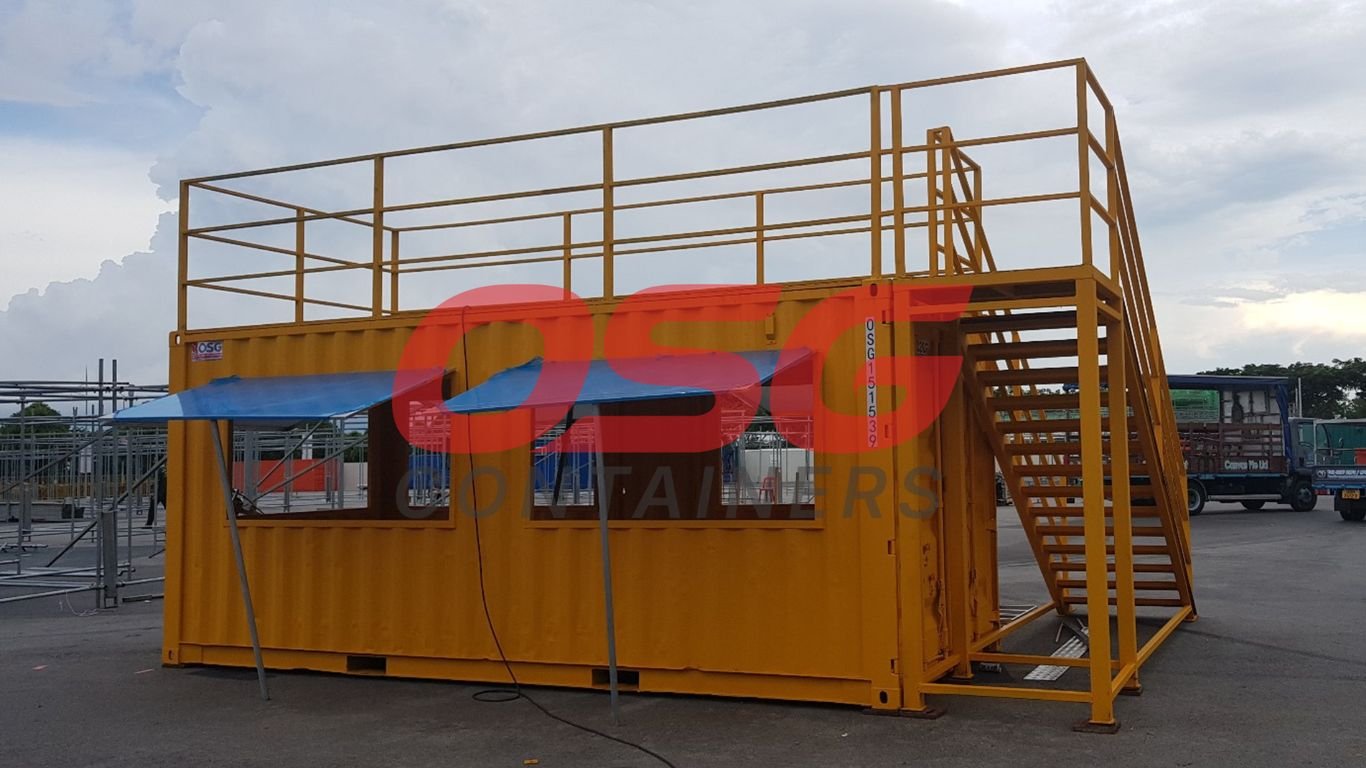
Thinking about a project, needing more storage, or planning to grow your business? You might want to look into a 40 feet container. These big metal boxes are way more than just for shipping stuff. People are using them for all sorts of things, from building houses to setting up shops. They’re strong, they’re pretty affordable, and you can do a lot with them. Let’s check out how a 40 feet container can really change the game for your plans.
Key Takeaways
- A 40 feet container, especially the High Cube version, offers extra height, making it great for modifications and projects where space is tight.
- These containers can be changed into homes, offices, or unique commercial spots, showing off their flexibility for different needs.
- Expandable 40 feet containers offer even more living or working space by unfolding, providing a larger area from a compact transport size.
- Using a 40 feet container is often quicker and more predictable budget-wise than traditional building, with less disruption to the site.
- They are adaptable for various uses, from simple extra storage to complex modular buildings, making them a smart choice for many projects.
Transforming Spaces with a 40 Feet Container
Understanding the 40-Foot High Cube Advantage
The standard 40-foot shipping container is already a pretty big deal, but the High Cube (HC) version takes things up a notch. Think of it as the same length and width, but with extra headroom. This extra height, usually around 9 feet 6 inches internally, makes a huge difference, especially when you’re looking to create living spaces or functional work areas. It means you can stand up comfortably, add more shelving, or even fit in larger equipment without feeling cramped. While a 20 ft container is great for smaller needs, the 40ft HC really opens up possibilities for more complex projects.
Creative Modifications for Unique Projects
Modifying a 40-foot HC container is where the real fun begins. These aren’t just metal boxes anymore; they’re blank canvases. You can cut out windows and doors, add insulation, run electricity, and even plumb for water. People have turned them into everything from cozy homes and stylish cafes to functional workshops and art studios. The key is planning. What do you want the space to do? Who will use it? Thinking through these questions helps guide the modifications.
Here are a few ideas to get you started:
- Home Offices: Create a dedicated workspace away from the main house.
- Guest Houses: Offer a private and comfortable spot for visitors.
- Retail Kiosks: Set up a unique shop for your business.
- Art Studios: A durable and inspiring space for creative work.
The beauty of modifying these containers lies in their inherent strength and modular nature. They provide a solid structure that can be adapted to a wide range of aesthetic and functional requirements, making them surprisingly versatile for personal and commercial use.
Real-World Examples of Container Homes
We’ve seen some incredible transformations. Imagine a family home built from two 40ft HC containers, cleverly arranged to create a spacious living area in the middle with private rooms at either end. Or consider a modern dwelling designed with a clerestory roof, flooding the interior with natural light and making the space feel even larger. These aren’t just theoretical ideas; they are real homes built by people who saw the potential in these sturdy steel structures. It shows that with a bit of imagination and solid planning, a 40ft container can become a comfortable and stylish place to live, far beyond its original purpose. It’s a far cry from just needing a simple 20 footer container for basic storage.
Expanding Possibilities with 40ft Expandable Containers
So, you’ve got a project in mind, maybe a guest house, a home office, or even a small business space. You’re looking at a 40ft container, but what if you need more room than just the standard box? That’s where expandable containers come in. They’re pretty neat, taking a standard shipping container and turning it into something much bigger once it’s on site.
The Mechanics of Container Expansion
These aren’t your average containers. They’re built with special hinges and telescoping frames. When it’s time to set them up, the sides literally unfold outwards. Think of it like a pop-up book, but made of steel and much more robust. The roof panels then slide or fold into place to cover the expanded area. Most of them have support legs that drop down to keep everything stable and level. It’s a clever way to get a lot more living or working space from something that’s designed to be shipped around the world.
- Manual Operation: Some models require a bit of elbow grease to unfold the walls and secure them.
- Semi-Automatic: These might have some powered assistance for the main expansion.
- Hydraulic Systems: For the easiest setup, some use hydraulic power to extend the modules.
Once it’s all set up, you’ve got a fully enclosed, insulated space that feels way bigger than you’d expect from a container. It’s a pretty smart bit of engineering.
The beauty of these expandable units is that they start as a compact, easy-to-transport shipping container. Once they reach their destination, they unfold to reveal a much larger interior space, offering a practical solution for those needing more room without the hassle of traditional construction.
Why the 40ft Size Excels
When you’re looking at expandable containers, the 40ft size really shines. While 20ft versions exist, the extra length in a 40ft unit makes a huge difference for layout possibilities. You can actually fit in separate bedrooms, a decent kitchen, and a comfortable living area without feeling like you’re crammed into a shoebox. This makes it a much better option if you’re thinking about living in it full-time, working from home, or even renting it out. It just offers more flexibility for creating distinct zones within the space.
Scalable Designs: Single vs. Combined Units
One of the best things about the 40ft expandable container is how easily it fits into a modular building plan. You can get a complete, compact home from a single unit. But if you need more space, you can easily connect multiple 40ft containers. This lets you build bigger homes, office complexes, or even small lodges. It’s a great way to start small and then add more units later as your needs grow or your budget allows. This approach is really smart for future-proofing your project, whether it’s for personal use or for commercial ventures like container renting.
| Unit Type | Typical Use Cases |
|---|---|
| Single 40ft Unit | Guest house, home office, small studio apartment |
| Combined Units | Multi-bedroom homes, small office parks, rental units |
This scalability means you’re not locked into one size. You can adapt and grow your space over time, which is a big plus.
Key Advantages of Utilizing a 40 Feet Container
When you’re looking at projects, storage, or even planning for future growth, a 40-foot container really stands out. It’s not just a big metal box; it’s a versatile foundation that can make things happen faster and more predictably. The sheer size and adaptability are what make it a game-changer for so many different needs.
Rapid Installation and Minimal Site Disruption
One of the biggest wins with a 40-foot container is how quickly you can get it set up. Most of the heavy lifting, like modifications and finishing touches, can happen off-site in a controlled environment. This means when the container arrives at your location, it’s mostly a matter of placing it, connecting utilities if needed, and you’re pretty much good to go. Think about it: no long construction delays, less noise, less mess, and fewer headaches with weather. It’s a much cleaner way to add space or start a project.
- Reduced on-site labor: Less time and fewer workers needed at your location.
- Minimized disruption: Less noise, dust, and traffic compared to traditional building.
- Faster deployment: Get your space or project up and running in days, not months.
- Weather independence: Factory-based work means fewer delays due to rain or snow.
The efficiency gained from pre-fabrication and rapid on-site setup significantly cuts down on the overall project timeline and the impact on your daily operations or living situation.
Predictable Budgeting for Projects
Let’s be honest, construction costs can spiral out of control. With a 40-foot container, you get a much clearer picture of the expenses upfront. Because the structure is standardized and often prefabricated, the costs are more controlled and transparent. You can get a solid estimate for the container itself, transportation, any necessary foundation work, and even interior customizations. This predictability makes it way easier to plan your finances and avoid those nasty budget surprises that can derail a project.
| Cost Component | Typical Range (USD) | Notes |
|---|---|---|
| New 40ft HC Container | $3,500 – $6,000 | Varies by condition and supplier |
| Transportation | $500 – $2,000 | Depends on distance and accessibility |
| Site Prep/Foundation | $1,000 – $5,000+ | Simple pad to concrete slab |
| Modifications | $2,000 – $15,000+ | Insulation, doors, windows, interior fit-out |
Adaptable Designs for Evolving Needs
What’s great about a 40-foot container is its flexibility. It’s not a one-and-done solution. As your needs change, the container can change with you. Need more office space for a growing team? Add another container. Want to expand your home? Connect another unit. This modularity means your initial investment can grow and adapt over time. You’re not locked into a fixed structure. This adaptability is a huge plus for businesses that experience growth or individuals whose life circumstances shift. It allows for future expansion without starting from scratch.
Innovative Applications for 40 Feet Containers
Entrepreneurial and Commercial Ventures
Thinking outside the box, or rather, inside the box, is key when it comes to using 40-foot containers for business. These aren’t just for shipping goods anymore. They’re becoming popular for all sorts of commercial needs. Need a pop-up shop for a festival? A temporary office on a construction site? Or maybe a unique retail space that stands out? A 40-foot container can be modified to fit. The sheer size offers a lot of flexibility for different business ideas. You can outfit them with shelving, counters, lighting, and even climate control, making them functional and appealing.
Here are a few ways businesses are using them:
- Retail Kiosks: Small, mobile shops for selling products at markets or events.
- Pop-Up Restaurants/Cafes: A cost-effective way to test a food concept or serve customers in a new location.
- Event Booths: Eye-catching and secure spaces for trade shows or promotional events.
- On-Site Offices: Providing a dedicated workspace for project managers or staff at remote locations.
Industrial Modification Space Solutions
For industries that need adaptable and robust spaces, 40-foot containers are a game-changer. They can be transformed into specialized work areas, equipment storage, or even mobile workshops. Imagine needing a secure place for sensitive machinery on a job site, or a dedicated area for welding and fabrication that can be moved as needed. These containers can be insulated, reinforced, and fitted with specific ventilation or power systems.
Consider these industrial uses:
- Field Workshops: Equipped with tools and power for on-site repairs and maintenance.
- Equipment Storage: Secure, weatherproof housing for valuable machinery and tools.
- Testing Labs: Controlled environments for product testing or research at remote sites.
- Command Centers: Mobile hubs for managing large-scale operations or emergency responses.
The durability of steel containers means they can withstand tough conditions, making them ideal for industrial settings where equipment needs protection and accessibility.
Additional Warehouse and Storage Capacity
When your existing warehouse is bursting at the seams, or you need extra storage that’s quick to deploy, 40-foot containers are a smart choice. They offer a significant amount of space for inventory, materials, or equipment. Because they’re designed to be stacked and are weather-resistant, they provide a secure and efficient storage solution. You can place them on your property for immediate access, avoiding the hassle and cost of renting off-site storage units.
Think about these storage scenarios:
- Seasonal Inventory: Storing goods that are only in demand during certain times of the year.
- Overstock Management: Keeping extra product on hand without cluttering your main warehouse.
- Equipment Storage: Housing tools, vehicles, or machinery that aren’t in regular use.
- Archival Storage: A secure place for important documents or records that need to be kept safe.
Maximizing Utility in a 40 Feet Container
So, you’ve got a 40-foot container. Now what? It’s a big metal box, sure, but with a little thought, you can turn it into something really useful. It’s all about making every inch count, whether you’re storing stuff, running a business, or even living in it.
Integrated Storage Solutions
Think about how you’ll use the space inside. Just dumping things in won’t cut it if you want to find what you need later. For storage, shelves are your best friend. You can build them yourself or buy modular units. Consider vertical space; it’s often overlooked but can hold a surprising amount. If you’re using it as a workshop or office, think about built-in cabinets and drawers. This keeps tools, supplies, or paperwork organized and out of the way. For things like vehicles, you might need custom racks or platforms, especially if you’re storing more than one.
Here’s a quick look at some storage ideas:
- Shelving: Sturdy metal or wooden shelves for general storage.
- Cabinets: Wall-mounted or floor units for smaller items and security.
- Drawers: Under-bed or built-in drawers for maximizing space in living areas.
- Racks/Hooks: For tools, bikes, or other equipment.
Enhancing Natural Light and Airflow
These containers can feel a bit dark and stuffy if you don’t do anything. Adding windows is a game-changer. Even a few well-placed windows can make a huge difference in how big and pleasant the space feels. Glass doors can also let in a lot of light and give you a nice view if you’ve got something interesting outside. Don’t forget about ventilation. You need fresh air, especially if people are spending time inside. Simple vents work, but you could also look into small fans or even a mini split system if you’re going all out. Good airflow helps prevent moisture buildup too, which is important for keeping things dry and preventing rust.
Sustainable Building Practices
Using a shipping container is already a step towards sustainability because you’re reusing a material that might otherwise be discarded. But you can go further. When adding insulation, look for eco-friendly options like recycled denim or sheep wool. For windows and doors, choose energy-efficient models. If you’re setting up power, consider solar panels. Even small things, like using low-VOC paints and finishes, make the space healthier for you and the environment.
Making smart choices about insulation, lighting, and ventilation can turn a basic container into a comfortable and responsible space. It’s about working with the container’s strengths while addressing its limitations.
Choosing the Right 40 Feet Container for Your Needs
So, you’ve decided a container is the way to go. That’s great! Now comes the part where you pick the right one. It’s not just about grabbing any old box; there are a few things to think about to make sure you get what you need for your project. The 40-foot container offers a sweet spot for many applications, balancing space and manageability.
Comparing 20ft and 40ft Options
When you’re looking at container sizes, the main players are usually the 20-foot and 40-foot models. Each has its own perks, and the best choice really depends on what you’re trying to do.
- 20-Foot Container: These are more compact. They’re good if you have limited space or if your project is on the smaller side, like a simple storage unit or a small workshop. They’re also easier to move around if you need to reposition it often.
- 40-Foot Container: This is where you get serious space. Think of it as a blank canvas. It’s ideal for larger projects, like creating a multi-room office, a tiny home, or even a small retail shop. The extra length means more room to work with, whether you’re dividing it up or using it as one big open area. Plus, the high-cube versions give you that extra bit of headroom, which makes a big difference.
Here’s a quick look at the typical dimensions:
| Size | Length (ft) | Width (ft) | Height (ft) | Interior Volume (cu ft) |
|---|---|---|---|---|
| 20ft | 20 | 8 | 8.5 | ~1,170 |
| 40ft | 40 | 8 | 8.5 | ~2,350 |
| 40ft HC | 40 | 8 | 9.5 | ~2,590 |
Where to Purchase Your Container
Finding a place to buy your container 40 feet is pretty straightforward, but quality can vary. You’ll want to look for reputable suppliers. Some common places include:
- Container Sales Companies: These are businesses that specialize in selling new and used shipping containers. They often have a wide selection and can help with delivery.
- Online Marketplaces: Websites dedicated to industrial equipment or general classifieds can sometimes list containers for sale. Just be extra careful and do your homework on the seller.
- Logistics and Shipping Companies: Sometimes, companies that use containers for shipping will sell off their older units. This can be a good way to get a used container at a decent price.
When you’re buying, always ask about the container’s condition. Look for major dents, rust spots, and check if the doors seal properly. A "one-trip" container is usually in the best shape, having only made one journey from the factory.
Expert Guidance for Container Projects
Sometimes, you just need a little help. If you’re planning a big modification or aren’t sure about the best way to get started, talking to professionals is a smart move. They can help you:
- Figure out the best container type and size for your specific needs.
- Understand any local zoning laws or building codes that might apply.
- Plan out modifications, like adding windows, doors, or insulation.
- Arrange for transportation and placement of the container.
Don’t underestimate the value of expert advice. A little bit of professional input upfront can save you a lot of headaches and potential costs down the road, especially when you’re turning a simple steel box into something functional and unique.
Wrapping It Up
So, we’ve seen how a simple 40-foot container can really change the game for projects, storage, and even how businesses grow. Whether you’re thinking about a new office space, extra room for your business, or even a place to live, these containers are surprisingly adaptable. They’re tough, they’re flexible, and with a bit of planning, they can turn into just about anything you need. If you’re considering a container project, it’s always a good idea to chat with folks who know their way around modifications. They can help make sure everything is built right and follows the rules. With the right help, your container idea can become a reality that’s both practical and pretty cool.
Frequently Asked Questions
What makes a 40-foot High Cube container special?
A 40-foot High Cube container is taller than a standard one. This extra height, about 9 feet 6 inches, gives you more room inside, which is great for bigger items or when you want to add things like insulation or special features to your project without feeling cramped.
How do 40ft expandable containers work?
These containers start as a regular 40-foot container but have walls that fold out. When you get to your site, you can unfold these walls to make the inside much bigger, turning a narrow space into a wider living or working area. It’s like a magic trick for buildings!
Why choose a 40ft container over a 20ft one?
A 40ft container gives you about twice the space of a 20ft one. This extra room is super helpful if you need more bedrooms, a bigger kitchen, or just more comfortable living space. It’s a better choice for families or if you plan to live or work in it for a long time.
Can I connect multiple 40ft containers together?
Absolutely! You can easily put 40ft containers next to each other or in different shapes to create larger buildings. This is perfect if you need a bigger home, an office complex, or even a small hotel. You can start small and add more later as your needs grow.
Are container homes quick to set up?
Yes, they are! Most of the building happens in a factory, so when the container arrives at your site, it’s mostly about unfolding it and connecting utilities. This means a lot less noise, mess, and waiting compared to building a regular house.
Are 40ft containers good for businesses?
Definitely. Businesses use 40ft containers for all sorts of things, like extra storage, workshops, pop-up shops, or even offices. They are strong, can be modified easily for specific jobs, and are a cost-effective way to expand your business space quickly.