 Singapore
 Australia
 Indonesia
 Japan
Japan Malaysia
 New Zealand
 Philippines
 South Korea
 Taiwan
 Thailand
 VIETNAM
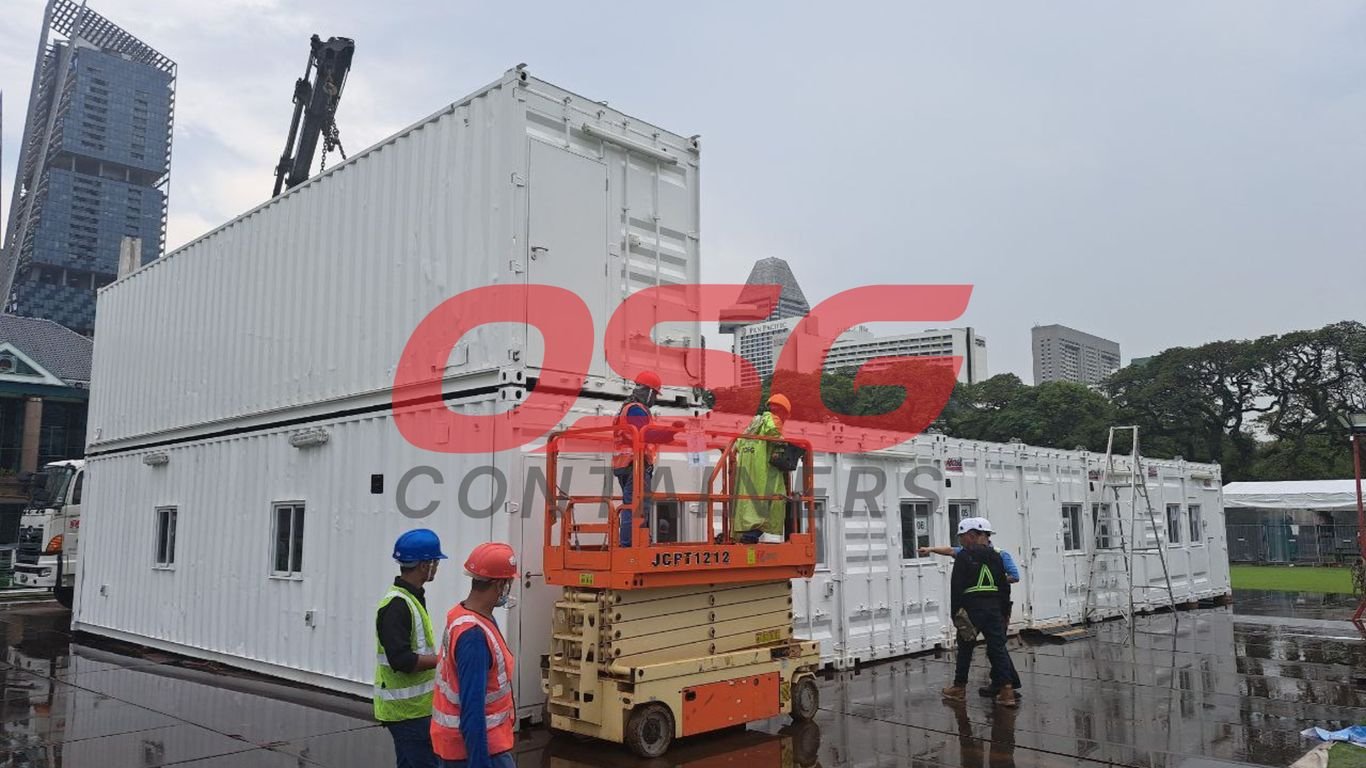
So, you see these big metal boxes, right? The ones that haul stuff all over the world. Turns out, they’re way more than just cargo holders these days. People are getting super creative and turning these 40ft containers into all sorts of cool things. It’s kind of amazing what you can do with them when you think outside the usual shipping routes. From homes to shops, these containers are getting a whole new life.
Key Takeaways
- 40ft containers are being transformed into sustainable and affordable homes, offering a creative solution to housing needs.
- Businesses are using these containers for pop-up shops and trendy cafes, providing unique customer experiences and flexible retail spaces.
- They serve as practical office spaces, storage solutions, and even urban farms, showcasing their versatility.
- The modular and durable nature of container 40 feet makes them ideal for quick construction of schools, community centers, and clinics.
- Repurposing shipping containers is a smart way to reduce waste and build efficiently, making them a popular choice for many projects.
1. Sustainable Homes
It’s pretty wild how a big metal box that used to haul stuff across the ocean can now become someone’s actual home. Seriously, these 40ft shipping containers are popping up everywhere as houses, and it’s not just a fad. People are realizing these things are tough, relatively cheap, and way better for the planet than building a traditional house from scratch.
Think about it: these containers are built to handle rough seas and heavy loads, so they’re super strong. Plus, instead of making new materials, we’re giving these old containers a new life. It’s a smart way to build, especially when housing costs are through the roof.
Here’s a quick look at why they make sense:
- Cost-Effective: Buying a used container is way cheaper than buying land and building a house. Even with modifications, it often comes out less expensive.
- Durable Structure: They’re made of steel and designed to withstand extreme weather, which is a big plus.
- Eco-Friendly: Reusing containers cuts down on waste and the need for new building materials.
- Design Flexibility: You can stack them, cut them, and combine them to make all sorts of cool designs, from tiny studios to larger family homes.
The real game-changer is how they tackle the affordable housing problem while also being good for the environment. It’s a win-win situation that’s making people rethink what a home can be.
Building with containers isn’t just about saving money; it’s about building smarter. It means less waste, less energy used in production, and a structure that’s built to last. It’s a practical approach to a big problem.
Of course, it’s not as simple as just dropping a container in your yard and calling it a day. You’ve got to think about insulation, plumbing, electricity, and making it look like a place you actually want to live. But with a bit of planning and some creative design, you can end up with a really unique and comfortable place to call home.
2. Cafés
You’ve probably seen them around – those cool, industrial-looking coffee spots popping up in unexpected places. Yep, we’re talking about cafés made from shipping containers. It’s a pretty smart idea, honestly. Instead of building something from scratch, which takes ages and costs a fortune, people are taking these big metal boxes that used to haul goods across the ocean and turning them into cozy places to grab a latte.
The whole process usually involves cutting out windows and doors, adding insulation so it’s not freezing in winter, and hooking up the electricity and plumbing. Then comes the fun part: making it look good! People get really creative with the interiors and exteriors, giving them a unique vibe that stands out from the usual chain coffee shops. Think exposed brick, cool lighting, and maybe even a little green space out front.
Here’s a quick look at what goes into making a container café:
- Design & Planning: Figuring out the layout, where windows and doors will go, and the overall look.
- Structural Modifications: Cutting openings, reinforcing the frame, and ensuring it’s safe.
- Insulation & Utilities: Adding walls, insulation, and installing electrical and plumbing systems.
- Finishing Touches: Painting, flooring, installing counters, seating, and decor.
It’s not just about looking good, though. These container cafés are often more affordable to set up and can be moved if needed, which is a huge plus for entrepreneurs. Plus, using recycled containers is a win for the environment. It’s a trend that’s really changing how we think about small businesses and urban spaces.
It’s amazing how these sturdy, utilitarian structures can be transformed into welcoming community hubs. They offer a unique atmosphere that many people find really appealing, blending a bit of ruggedness with a lot of charm.
3. Pop-Up Retail Stores
Shipping containers have become a go-to for businesses wanting to make a temporary splash. Think about it: you need a place to sell your stuff for a few weeks or months, maybe test out a new neighborhood, but you don’t want to sign a long lease or build something permanent. That’s where these big metal boxes shine.
They offer a unique, eye-catching venue that can really make your brand stand out. Brands are using them for everything from fashion boutiques to art installations. It’s a way to create an experience for customers that feels fresh and different from a standard storefront.
Here’s why they work so well for pop-ups:
- Mobility: Need to move your store to a different event or city? No problem. These containers can be transported relatively easily.
- Cost-Effectiveness: Compared to traditional retail builds, converting a container is often much cheaper and faster.
- Customization: You can paint them, add windows, create custom interiors – make it look exactly how you want.
- Durability: They’re built to withstand harsh conditions, so they’re pretty robust for outdoor or temporary setups.
The beauty of a container pop-up is its flexibility. It allows businesses to be agile, to experiment with locations and customer bases without a huge financial commitment. It’s retail with a built-in escape route, ready to pack up and redeploy at a moment’s notice.
Imagine a coffee brand setting up shop at a music festival, or a local artisan selling their crafts at a weekend market. These containers provide a ready-made, stylish space that’s ready to go. It’s a smart move for businesses looking to be nimble in today’s fast-paced market.
4. Office Spaces
Shipping containers have become a surprisingly practical choice for businesses needing office space. They offer a sturdy, adaptable shell that can be transformed into a functional workspace pretty quickly. Many companies are turning to these units for a more affordable and flexible alternative to traditional office leases.
Think about it: you can get a single container set up as a small, private office, or link several together to create a larger co-working hub or even a small office building. They’re great for businesses that might move locations or need to scale up or down easily. Plus, they can be insulated and fitted with all the usual office amenities like electricity, internet, and climate control, making them comfortable year-round.
Here are a few reasons why they work well:
- Cost-Effectiveness: Generally cheaper than building a new structure or renting commercial space long-term.
- Speed of Deployment: Can be converted and ready for use much faster than conventional construction.
- Mobility: Easy to move to a new site if your business relocates or needs a temporary setup.
- Customization: Can be modified with windows, doors, and interior layouts to suit specific needs.
These converted containers provide a unique blend of industrial aesthetic and modern functionality. They can offer a distinct look that sets a business apart, while still providing a professional environment for employees and clients alike. The adaptability means they can be tailored to fit a wide range of business types, from startups to established companies looking for satellite offices or project-specific workspaces.
Construction sites often use them as temporary site offices, providing a secure and professional space for project managers and staff right where the work is happening. They can also be used for storage of tools and equipment, keeping everything safe and accessible on a busy site.
5. Urban Farms
It’s pretty wild how shipping containers are popping up in cities, not for shipping, but for growing food. With land being so scarce and expensive in urban areas, these containers offer a smart way to get fresh produce right where people live. Think of them as self-contained, high-tech farms that can be placed almost anywhere – on rooftops, in empty lots, you name it.
These aren’t your grandma’s gardens, either. Inside, you’ll often find sophisticated setups using hydroponics or aeroponics, which means no soil is needed. This saves a ton of water, which is a big deal, especially in drier climates. Plus, you can control everything: the light, the temperature, the humidity. This allows for year-round growing, no matter what’s happening outside. It’s a way to bring food production closer to consumers, cutting down on transportation costs and emissions.
Here’s a quick look at what makes them work:
- Controlled Environment: LED lighting, climate control systems, and nutrient delivery are all managed precisely.
- Vertical Farming: Stacking growing racks maximizes the use of the container’s vertical space.
- Water Efficiency: Hydroponic and aeroponic systems use significantly less water than traditional farming.
- Pest Management: The enclosed nature helps keep pests and diseases out, reducing the need for pesticides.
The ability to create these micro-farms in dense urban settings is a game-changer for local food systems. It means fresher food, less waste, and a more resilient food supply chain right in our neighborhoods.
Some containers are even being adapted to grow specific things, like mushrooms, which need dark, controlled conditions. Others are set up for leafy greens, herbs, or even small fruits. It’s a really interesting blend of old-school agriculture and modern technology, all packed into a steel box.
6. Schools
When school budgets get tight, or when there’s a sudden need for more classroom space, shipping containers are stepping in. They offer a pretty practical way to add learning areas without breaking the bank. Think of them as modular building blocks that can be put together quickly.
These container classrooms can be set up as temporary spots during renovations or as permanent additions to a school campus. They’re a good option for schools that need to expand but don’t have a lot of extra land or money for traditional construction. Plus, they can be adapted for different age groups and subjects.
Here’s a look at how containers are being used in education:
- Quick Setup: Containers can be modified and installed much faster than conventional buildings, which is a big plus when you need space right away.
- Cost-Effective: They often cost less to acquire and set up compared to building new brick-and-mortar classrooms.
- Flexibility: You can add more containers as student numbers grow, making it easy to scale up.
- Customization: They can be fitted with heating, cooling, lighting, and even specialized equipment for science labs or art studios.
The idea is to provide functional and safe learning environments that meet educational needs without the usual construction headaches and costs. It’s about making education more accessible, especially in areas where resources are limited.
Some schools have even used them to create entire learning hubs or specialized facilities, proving that these metal boxes can be more than just storage – they can be places where young minds grow.
7. Community Centers
Shipping containers are popping up everywhere, and community centers are no exception. These sturdy metal boxes are being transformed into hubs for local gatherings, workshops, and events. They offer a flexible and affordable way to create much-needed public spaces.
Think about it: a traditional building project can take ages and cost a fortune. With containers, you can get a functional space up and running much faster. Plus, they’re pretty adaptable. You can stack them, arrange them in different ways, and add all sorts of features like windows, doors, and insulation to make them comfortable and inviting.
Here’s what makes them great for community use:
- Accessibility: Containers can be modified to be fully accessible for people with disabilities, ensuring everyone can participate.
- Modularity: Need more space? Just add another container. This makes them perfect for growing communities or centers that host a variety of activities.
- Cost-Effectiveness: Compared to building from scratch, container conversions are often significantly cheaper, freeing up funds for programming and services.
- Sustainability: Repurposing shipping containers is a great way to reduce waste and give these structures a new life.
These repurposed containers can house everything from after-school programs and senior activities to art classes and local markets. They become versatile spots that really bring people together.
We’re seeing them used for all sorts of things, like small libraries, maker spaces, or even just a cozy spot for neighbors to meet up. It’s a smart way to build community infrastructure without breaking the bank.
8. Storage
Shipping containers, especially the robust 40ft models, have always been a go-to for straightforward storage. Their steel construction means they’re tough and can handle pretty much anything you throw at them, weather-wise. Think of them as super secure sheds, but way bigger and more durable.
They offer a really practical and secure way to keep your stuff safe from the elements and prying eyes. Whether you’re a farmer needing to stash equipment, a business with excess inventory, or just someone who needs extra space at home, these containers fit the bill.
Here are a few common storage scenarios:
- Agricultural Use: Storing animal feed, keeping machinery out of the rain, or even housing tack for horses. They keep things dry and protected.
- Temporary Home Storage: If you’re moving or renovating, a container can hold your furniture and belongings safely while you sort things out. You can even rent them if you don’t need one long-term.
- Workshop Space: For hobbyists or DIYers, a container provides a dedicated, secure spot for tools and projects. No more cluttering up the garage!
- Equipment Storage: Construction sites often use them for tools and materials, and businesses can use them for anything from seasonal stock to spare parts.
The beauty of these containers for storage is their simplicity and strength. You don’t need to do much to them – just place them where you need them, load them up, and lock them down. They’re a no-fuss solution for keeping things secure and out of the way.
9. Garages
Ever find yourself wishing you had more space to park your car, store your tools, or just tinker with a project? A standard garage can be pricey and a hassle to build. That’s where shipping containers come in as a surprisingly practical solution. These sturdy metal boxes offer a secure and weather-resistant alternative for vehicle storage and more.
Think about it: you can get a 40ft container delivered right to your property. It’s way faster and often cheaper than traditional construction. Plus, they’re incredibly durable, built to withstand harsh conditions, which is exactly what you want when protecting your car, motorcycle, or even just your lawnmower.
Here’s why a container garage makes sense:
- Vehicle Protection: Keep your cars, bikes, or ATVs safe from the elements – sun, rain, snow, you name it.
- Hobby Space: Need a dedicated spot for woodworking, car repair, or any other hands-on hobby? A container gives you that private workshop you’ve been dreaming of.
- Extra Storage: Beyond vehicles, these containers are perfect for storing seasonal equipment, gardening tools, or anything else cluttering up your main house.
- Security: With a good lock, your belongings are pretty secure. They’re not exactly easy to break into.
Converting a shipping container into a garage isn’t just about parking. It’s about creating a functional, secure space that can adapt to your needs, whether that’s protecting your ride or pursuing your passions. It’s a straightforward way to add valuable space without the fuss of building from scratch.
Some people even use them as extensions to existing garages, or as dedicated "man caves" or "she sheds" where they can escape and work on their projects. The possibilities are pretty wide open, really.
10. Gymnasiums and Sports Centers
Who knew a big metal box could be a place to break a sweat? Turns out, shipping containers are becoming a pretty popular choice for setting up gyms and sports facilities, especially in places where building a traditional structure would be a hassle or just too expensive. Think schools, community centers, or even private fitness enthusiasts looking for a dedicated workout space.
These converted containers offer a surprisingly robust and customizable solution for fitness. They’re strong, weather-resistant, and can be kitted out with all the essentials for a good workout. Plus, the modular nature means you can even connect a couple of containers if you need more space for different activities or equipment.
Here’s a quick look at what makes them work:
- Cost-Effectiveness: Generally, they’re cheaper to acquire and set up than building from scratch.
- Speed of Deployment: You can get a functional gym space up and running much faster.
- Portability: Need to move your gym? A container gym can be relocated, which is a big plus for temporary setups or evolving needs.
- Customization: From flooring and ventilation to mirrors and equipment layout, you can tailor the space to specific sports or training styles.
Setting up a container gym isn’t just about throwing some weights in a box. It involves thoughtful planning for insulation, ventilation, and lighting to create a comfortable and safe environment for exercise. The right modifications can make all the difference between a cramped space and a genuinely functional fitness hub.
Imagine a small boxing gym in one container, a yoga studio in another, or a fully equipped weightlifting space. It’s all possible. They’re also great for sports clubs needing extra training areas or even as ticket offices on game days, streamlining operations and improving the spectator experience.
11. Art Galleries
Who says art needs a sprawling, traditional building to be seen? Shipping containers are stepping up as seriously cool venues for art galleries. They offer a blank canvas, quite literally, for artists and curators to transform. Think about it: a sturdy, weather-proof box that can be placed almost anywhere. This makes them perfect for pop-up exhibitions in unexpected places or for artists who want a more intimate, accessible space to show their work.
These container galleries aren’t just about saving money, though that’s a big plus. They bring a unique, industrial-chic vibe that can actually complement certain types of art. Plus, they’re mobile. Imagine an art exhibition that can travel from city to city, bringing culture to different communities without the hassle of setting up a whole new building each time.
Here’s a quick look at why they work so well:
- Flexibility: Easily moved and reconfigured for different shows or locations.
- Cost-Effectiveness: Significantly cheaper than building or renting traditional gallery space.
- Unique Aesthetic: The container’s raw structure can add character and a modern edge.
- Accessibility: Can be placed in areas that might not typically have art venues.
The beauty of using a shipping container for an art gallery lies in its adaptability. It’s a space that can be as minimalist or as elaborate as the art demands, offering a fresh perspective on how we experience creativity. It’s less about the building and more about what’s inside, making the art the true star.
Some galleries even use multiple containers, creating a small complex of exhibition spaces. You can customize the interior with lighting, flooring, and wall treatments to suit the specific exhibition. It’s a way to make art viewing more engaging and less intimidating, bringing creativity out of the ivory tower and onto the streets.
12. Restaurants
It’s pretty wild how many restaurants are popping up in old shipping containers these days. They’ve gone from just hauling goods around the world to becoming actual dining spots. This trend is all about creating unique, often industrial-chic spaces that feel a bit different from your typical brick-and-mortar place.
Think about it: a 40ft container is a pretty solid structure to start with. You can cut out windows, add doors, and really make it your own. Some places just go for a simple, open-air setup with tables outside, while others get really fancy with custom interiors, full kitchens, and even rooftop seating.
Here’s a quick look at what makes them work:
- Flexibility: Need to move your restaurant? With a container, it’s way easier than with a permanent building. This is great for pop-ups or places that want to test out different locations.
- Cost-Effectiveness: Compared to building a new restaurant from scratch, using a converted container can often be cheaper, especially if you’re starting small.
- Unique Vibe: There’s just something cool about eating in a space that used to travel the seas. It gives the place character and a story.
- Sustainability: Repurposing these containers is a greener option than using new building materials, which is a big plus for a lot of businesses and customers.
The appeal often lies in the novelty and the ability to create a distinct atmosphere. It’s not just about the food anymore; it’s about the entire experience, and a container restaurant can certainly deliver that.
We’re seeing everything from quick-service burger joints to more upscale bistros making their home in these metal boxes. It’s a smart way for entrepreneurs to get into the food business without a massive initial investment, and for diners, it offers a fresh and memorable place to grab a bite.
13. Greenhouses
Who knew a big metal box could grow so many plants? Shipping containers are popping up as greenhouses, and honestly, it makes a lot of sense. They’re tough, they keep the weather out, and you can set them up pretty much anywhere.
These aren’t your grandma’s flimsy greenhouses; they’re built to last. Think about it: you get a controlled environment that’s way more robust than traditional glass or plastic structures. Plus, you can outfit them with all sorts of gear to make your plants happy.
Here’s what makes container greenhouses a smart move:
- Durability: They can handle strong winds and heavy rain without a problem.
- Customization: You can add ventilation, heating, lighting, and irrigation systems easily.
- Mobility: Need to move your growing operation? You can actually move the whole greenhouse.
- Pest Control: It’s easier to keep unwanted critters out of a sealed container.
People are using them for everything from growing herbs and vegetables to cultivating exotic flowers. Some even convert them into specialized growing environments, like for mushrooms that need dark, humid conditions. It’s a really practical way to get serious about gardening, whether you’re a hobbyist or looking to grow produce on a larger scale.
The modular nature of these containers means you can start small and expand later. If your first container garden is a success, you can just add another one next to it. It’s a flexible approach that grows with your needs, making it a great option for both home gardeners and small-scale urban farmers looking for a reliable growing space.
14. Nurseries
Who knew a big metal box could be a place for little ones to grow? Turns out, shipping containers are making a splash as nurseries, and it’s not just for plants anymore. We’re talking about actual childcare facilities, and even indoor gardens that function like nurseries.
These repurposed containers offer a surprisingly adaptable space. They can be fitted with everything a young child needs: play areas, quiet zones, and even small bathrooms. Plus, their modular nature means you can expand as the need grows, adding more containers for more classrooms or specialized activity rooms. It’s a practical way to create dedicated learning environments quickly.
The controlled environment inside a container can be a real plus for young children, offering protection from the elements and a consistent temperature year-round. This stability can be really beneficial for their comfort and focus.
Here’s a look at how they’re being used:
- Childcare Centers: Modified containers provide safe, bright, and engaging spaces for toddlers and preschoolers. Think colorful walls, child-sized furniture, and secure outdoor play areas attached.
- Indoor Growing Nurseries: For urban farming or specialized plant cultivation, containers become controlled environments. They can be outfitted with lighting, irrigation, and climate control systems to grow everything from herbs to delicate flowers, regardless of the outside weather.
- Educational Gardens: Some schools are using containers as dedicated gardening spaces. Kids can learn about planting, growing, and harvesting in a hands-on way, right on school grounds.
It’s a clever way to repurpose these sturdy structures, giving them a new life that’s both functional and, dare I say, adorable when it comes to little humans.
15. Mobile Clinics
When healthcare access is limited, especially in remote areas or during emergencies, shipping containers step in as a practical solution. These sturdy metal boxes can be quickly outfitted to serve as mobile clinics, bringing essential medical services directly to communities that need them.
Think about it – instead of building a whole new structure that might sit empty later, you can take a refurbished container and turn it into a functional doctor’s office, a dental unit, or even a small diagnostic lab. They’re especially useful for things like vaccination drives or health screenings, cutting down on travel time for patients and reducing the strain on existing hospitals. During health crises, like the recent pandemic, these mobile units were used for testing and consultations, keeping people safe and spread out.
Here’s a look at what a mobile clinic container might offer:
- Consultation Room: A private space for patient check-ups.
- Examination Area: Equipped for basic medical procedures.
- Waiting Area: A small, designated spot for patients.
- Storage: Secure space for medical supplies and equipment.
- Sanitation Facilities: Essential for hygiene.
The beauty of using shipping containers for mobile clinics lies in their adaptability. They can be designed with specific medical needs in mind, from plumbing and electrical hookups to specialized ventilation. Plus, their robust nature means they can withstand various weather conditions, making them reliable healthcare outposts wherever they’re needed.
It’s not just about emergency situations, either. These mobile clinics can provide ongoing care in underserved regions, offering a consistent point of contact for residents. They can be moved from one location to another as needs change, making them a flexible and cost-effective way to extend healthcare reach.
16. Car-Parks
You might not immediately think of shipping containers when you picture a car park, but they’re actually popping up in some pretty clever ways. Instead of just being empty space, containers can be stacked and arranged to create multi-level parking structures, especially in urban areas where space is tight. This approach can significantly increase the number of vehicles you can park in a given footprint.
Beyond just parking spots, these container structures can also house amenities. Think about adding small, secure storage units for cyclists or even charging stations for electric vehicles integrated right into the container walls. It’s about making the parking experience more functional and modern.
Here are a few ways containers are showing up in parking scenarios:
- Modular Parking Decks: Stacking containers creates instant, multi-story parking. They can be built quickly and are easier to dismantle or move than traditional concrete structures.
- Secure Storage Units: Individual containers can be sectioned off to provide secure, lockable storage for car owners, especially in apartment complexes or shared parking facilities.
- Valet or Concierge Booths: Repurposed containers make excellent, weather-proof booths for parking attendants or valet services, offering a professional look.
- EV Charging Hubs: Integrating charging infrastructure within container units can create dedicated, organized spots for electric vehicle charging.
These adaptable structures offer a cost-effective and rapid solution for expanding parking capacity.
The beauty of using shipping containers for car parks lies in their modularity. You can start small and add more levels or units as demand grows, making it a flexible investment for property owners and municipalities alike. They can also be painted and branded to match the surrounding environment or a company’s identity.
17. Hotels
It turns out those big metal boxes aren’t just for hauling goods across the ocean anymore. Hotels are getting in on the shipping container action, and honestly, it makes a lot of sense.
Think about it: space is often at a premium, especially in popular tourist spots. Shipping containers offer a way to build more rooms, or even entire small hotels, without needing a massive footprint. They’re also pretty sturdy, which is a good start for any building, right?
The real draw is the unique experience they offer guests. Instead of a cookie-cutter room, people can stay in something a bit different, something with a story. It’s a chance for hotels to stand out and appeal to travelers looking for something beyond the usual.
Here’s a quick look at how they’re being used:
- Modular Guest Rooms: These are the most common. Containers are outfitted and stacked or arranged to create individual hotel rooms. They can be surprisingly comfortable and stylish.
- Staff Accommodation: Sometimes hotels need extra space for their own employees. Containers can be converted into practical living quarters.
- Ancillary Spaces: Need a small meeting room, an extra kitchen area, or even a lobby space? Containers can be adapted for these purposes too.
Building with containers can also be a more eco-friendly choice. It’s about reusing materials that already exist, which cuts down on waste and the need for new construction resources. Plus, they can be put up relatively quickly compared to traditional building methods.
It’s not just about being trendy; it’s about smart, adaptable building. Hotels are finding that these repurposed containers can be a cost-effective and creative solution for expanding their offerings and giving guests a memorable stay.
18. Classrooms
When schools need more space, and fast, shipping containers are stepping up. They’re a pretty practical way to add classrooms, especially when budgets are tight or you need a temporary spot during renovations. Think of them as modular building blocks that can grow with the school’s needs.
These converted containers offer a surprisingly adaptable learning environment. They can be set up as individual classrooms or even form part of a larger school structure. It’s not just about saving money; it’s about creating functional spaces quickly.
Here’s why they work well for educational settings:
- Speed of Deployment: Containers can be modified and installed much faster than traditional construction.
- Cost-Effectiveness: They often come with a lower price tag compared to building new brick-and-mortar rooms.
- Flexibility: Need an extra room next year? You can often add another container without a huge hassle.
- Durability: They’re built to withstand tough conditions, making them a sturdy option for a school.
The idea is to provide accessible and functional learning spaces without the long build times and high costs associated with conventional methods. It’s about making education more adaptable to changing demands.
For instance, a school might need a new science lab or an art studio. A container can be outfitted with the necessary equipment, ventilation, and lighting, providing a dedicated space for specialized learning. It’s a straightforward solution for expanding educational opportunities.
19. Libraries
Who would have thought that a big metal box could become a quiet place for books? Turns out, shipping containers are making a splash in the library world, especially in places that need more reading space but don’t have a lot of cash for a new building. They’re a pretty neat way to get books to people.
These container libraries pop up in all sorts of spots. Think community parks, schoolyards, or even just a corner of a busy town square. They’re way faster to set up than a traditional library, which is a big deal when you want to get resources out to people quickly. Plus, they can be moved if needed, which is handy.
Here’s what makes them work:
- Modularity: You can connect a few containers together to make a bigger space if you need more room for shelves or reading nooks.
- Cost-Effectiveness: They’re generally cheaper to buy and convert than building from scratch.
- Durability: These things are built tough, so they can handle different weather and keep the books safe.
- Accessibility: They can be placed in areas that might not otherwise have access to a library, bringing knowledge closer to home.
These repurposed containers offer a surprisingly cozy and functional environment for readers of all ages. They often feature custom shelving, comfortable seating, and good lighting, making them inviting spaces. It’s a smart solution for expanding literary access without breaking the bank.
The idea is simple: take a sturdy, weather-proof shell and turn it into a welcoming hub for learning and discovery. It’s about making books and information available in creative, accessible ways.
20. Housing
It turns out those big metal boxes that haul stuff across the ocean are becoming a pretty popular way to build homes. Seriously, people are taking 40ft shipping containers and turning them into actual houses, and it’s kind of a big deal.
This whole idea is a smart answer to the growing problem of finding affordable places to live. It’s not just about saving money, though. Using these containers is also a way to be more eco-friendly because you’re reusing something that already exists instead of making new building materials.
Think about it: these containers are built tough to handle rough seas, so they’re super strong. They’re also pretty standard in size, which makes planning easier. You can stack them, connect them, and cut them up to make all sorts of different layouts. We’re talking everything from tiny studios for one person to bigger family homes.
Here’s a quick look at why this is catching on:
- Cost Savings: Buying a used container is way cheaper than traditional building materials. Even with all the work to make it livable – like adding insulation, windows, doors, and hooking up utilities – it often ends up being less expensive than building a house from scratch.
- Durability: These things are made to last. Their steel frames can handle tough weather and even earthquakes, which is a big plus in certain areas.
- Speed of Construction: Because the basic structure is already there, building can happen much faster compared to conventional methods.
- Sustainability: Reusing containers means less waste and a smaller environmental footprint.
The flexibility in design is pretty wild. You might think a big metal box is limiting, but people are getting really creative. Architects are figuring out how to make them look good and function well, proving that affordable housing doesn’t have to look basic or boring.
So, yeah, next time you see a shipping container, remember it could be someone’s home. It’s a clever way to solve housing shortages and build in a more sustainable way, one container at a time.
21. Construction Site Storage
Construction sites are busy places, and keeping tools, materials, and equipment safe and organized can be a real headache. That’s where shipping containers come in. They’re tough, weather-resistant, and can be locked up tight, making them perfect for keeping valuable gear secure.
These containers offer a practical and cost-effective way to manage on-site storage needs. Whether you need a place for hand tools, power tools, building supplies, or even sensitive electronic equipment, a container provides a solid solution. They can be placed right where you need them, cutting down on travel time and making sure everything is accessible.
Here’s a quick look at what makes them so useful:
- Security: Robust steel construction and lockable doors deter theft.
- Weather Protection: Keeps materials and equipment dry and protected from the elements.
- Organization: Provides a dedicated space to keep things tidy and easy to find.
- Mobility: Can be easily moved from one site to another as projects change.
You can even use a 40 ft container as a temporary site office, giving your team a comfortable place to work and store important documents, away from the dust and noise of the main work area. It’s a simple upgrade that makes a big difference.
Often, a standard 20 ft container is enough for smaller sites or specific tool storage, but for larger projects needing to house bulkier materials or more equipment, a 40 feet container offers significantly more space. They’re a no-fuss way to add secure storage without building permanent structures, which is ideal for temporary projects.
22. Tiny Homes
Tiny homes are a big deal right now, and shipping containers are playing a huge role in making them a reality. Think about it: a standard 20 footer container can be transformed into a cozy, minimalist living space. It’s a smart way to get more housing without breaking the bank or using up tons of land.
These container homes are great for a few reasons:
- Affordability: They’re way cheaper than traditional houses.
- Sustainability: You’re reusing something that already exists, which is good for the planet.
- Speed: Building with a container can be much faster than conventional construction.
- Flexibility: You can add features like solar panels or rainwater harvesting to make them more self-sufficient.
The real magic is in how much you can fit into a small space. With clever design, you can have a functional kitchen, a comfortable sleeping area, and even a small bathroom, all within the confines of a single container. It’s about smart storage and multi-functional furniture.
People are looking for simpler ways to live, and tiny homes offer just that. Using a shipping container as the base makes it even more accessible. It’s a practical solution for individuals or couples who don’t need a lot of space but still want a place to call their own.
23. Fitness Centers
Forget the monthly gym fees and the crowded locker rooms. Shipping containers are making waves as personal fitness spaces, and honestly, it’s a pretty smart move. These sturdy steel boxes can be transformed into fully functional gyms, whether you’re a personal trainer looking for a private studio or just someone who prefers working out at home.
The real beauty is the customizability. You can outfit them with everything you need, from durable flooring that can handle heavy weights to ample space for cardio machines and free weights. Plus, they’re weatherproof and secure, so your equipment is safe and sound.
Here’s a quick look at what goes into a container gym:
- Insulation and Ventilation: Keeping the temperature comfortable and the air fresh is key. Nobody wants to work out in a sauna or an icebox.
- Flooring: Think rubber mats or specialized gym flooring to protect the container floor and provide a stable surface.
- Equipment: From squat racks and treadmills to yoga mats and resistance bands, you can fit it all.
- Lighting and Sound: Good lighting makes the space feel more inviting, and a decent sound system can really boost motivation.
Building a gym out of a shipping container isn’t just about convenience; it’s about creating a dedicated space that fits your exact fitness needs and schedule. It’s a practical solution for anyone serious about their health and wellness, offering a private, controlled environment for workouts.
24. Warehouses
When you think about shipping containers, warehouses might not be the first thing that pops into your head. Most people picture them stacked up on ships or sitting in a yard. But these big metal boxes are actually pretty handy for creating extra storage space, especially for businesses. They offer a sturdy, secure, and often more affordable alternative to traditional warehouse construction.
Think about it: you can buy or rent a 40ft container and have it delivered pretty much anywhere. Need more room for inventory? Just get another one. It’s way simpler than trying to expand an existing building. Plus, they’re built tough, so your stuff is protected from the weather and, with a good lock, from people who shouldn’t be getting in.
Here’s why they make sense for warehousing:
- Durability: Made to withstand harsh sea conditions, they can handle pretty much anything you throw at them on land.
- Security: With reinforced doors, they offer a solid defense against theft.
- Flexibility: You can arrange them however you need, stack them, or even connect them.
- Cost-Effectiveness: Often cheaper than building new or renting large traditional warehouse spaces, especially for temporary needs.
For businesses that need to store goods but don’t have a massive budget or a long-term need for a huge building, container renting is a smart move. You get the space you need without the huge commitment of a permanent structure. It’s a practical solution for managing stock, equipment, or even seasonal items.
Some businesses even use them as temporary distribution points or staging areas. You can set them up near your main operations or at a client site. It’s all about making storage work for you, wherever you need it.
25. Modern Architecture and more
So, we’ve talked about homes, shops, and farms, but honestly, the possibilities with these 40ft containers go way beyond just the practical stuff. Architects are really starting to push the envelope, using them as building blocks for some seriously cool modern designs. Think about it – these big metal boxes are super strong, they’re already built, and they have this raw, industrial vibe that designers are totally running with.
It’s not just about slapping a few containers together, though. People are cutting them, stacking them, combining them in all sorts of ways to create unique shapes and structures. We’re seeing them used for everything from art installations to community hubs, and even as parts of larger, more complex buildings. It’s like a giant, grown-up Lego set, but way more permanent and, you know, actual architecture.
Here’s a quick look at some of the more out-there uses:
- Temporary Event Pavilions: Need a cool space for a festival or a conference? A few modified containers can be set up quickly.
- Art Studios and Galleries: The industrial aesthetic fits perfectly with creative spaces.
- Research Labs: Their contained nature makes them ideal for specialized, secure environments.
- Observation Decks: Stacked and modified, they can offer unique vantage points.
The real magic is in how they blend affordability with a distinct aesthetic. They offer a way to build something eye-catching and functional without the massive price tag of traditional construction. It’s a smart way to get creative with space.
It’s fascinating how a simple steel box, designed for hauling goods across the ocean, can be reimagined into something that challenges our ideas of what a building can be. This trend shows we’re not afraid to think differently about materials and design.
And the ‘more’ part? That’s where things get really interesting. We’re seeing them integrated into existing structures, used as foundations, or even as standalone pieces that make a statement. It’s a whole new way of thinking about building, and it’s only just getting started.
The Future is Boxy
So, we’ve seen how these big metal boxes, originally just for shipping stuff, are popping up everywhere. From tiny homes and cool cafes to classrooms and even farms, it’s pretty wild. It just goes to show that with a little imagination, you can turn something pretty basic into something really useful and neat. It’s a smart way to build things, often cheaper and better for the planet too. It’s clear these containers aren’t going anywhere; they’re becoming a go-to for all sorts of projects, proving that thinking outside the box (or maybe inside it!) is where it’s at.
Frequently Asked Questions
What exactly is a 40ft shipping container?
Think of a 40ft shipping container as a big, tough metal box, about 40 feet long. It’s designed to carry lots of stuff on ships and trucks. But now, people are using these strong boxes for all sorts of cool projects instead of just shipping things.
Why are people using shipping containers for buildings?
Using shipping containers is smart for a few reasons. They are strong and can be moved around easily. Plus, they are a great way to reuse materials, which is good for the planet. It’s also often cheaper and faster to build with them than with regular building stuff.
Can I really live in a shipping container?
Absolutely! Many people are turning shipping containers into unique and affordable homes. They can be made into cozy tiny houses or even larger homes by joining a few containers together. They’re a way to get a place to live that’s modern and kind to the environment.
What kind of businesses can be run from a shipping container?
Lots of businesses are popping up in containers! You can find trendy coffee shops, unique clothing stores, cool art galleries, and even small restaurants. Their size makes them perfect for businesses that want a special look or need to move to different spots.
Are shipping containers good for growing food?
Yes, they are! People are converting containers into special farms, like vertical farms or greenhouses. This is super helpful in cities where there isn’t much space for farming. It means fresh food can be grown all year round, no matter the weather outside.
Is it hard to turn a shipping container into something else?
It can take some work, but it’s totally doable. You might need to cut openings for doors and windows, add insulation to keep it comfy inside, and put in electricity and water. Many companies can help with this, making the process much easier.


