Singapore
 Australia
 Indonesia
 Japan
Japan Malaysia
 New Zealand
 Philippines
 South Korea
 Taiwan
 Thailand
 VIETNAM
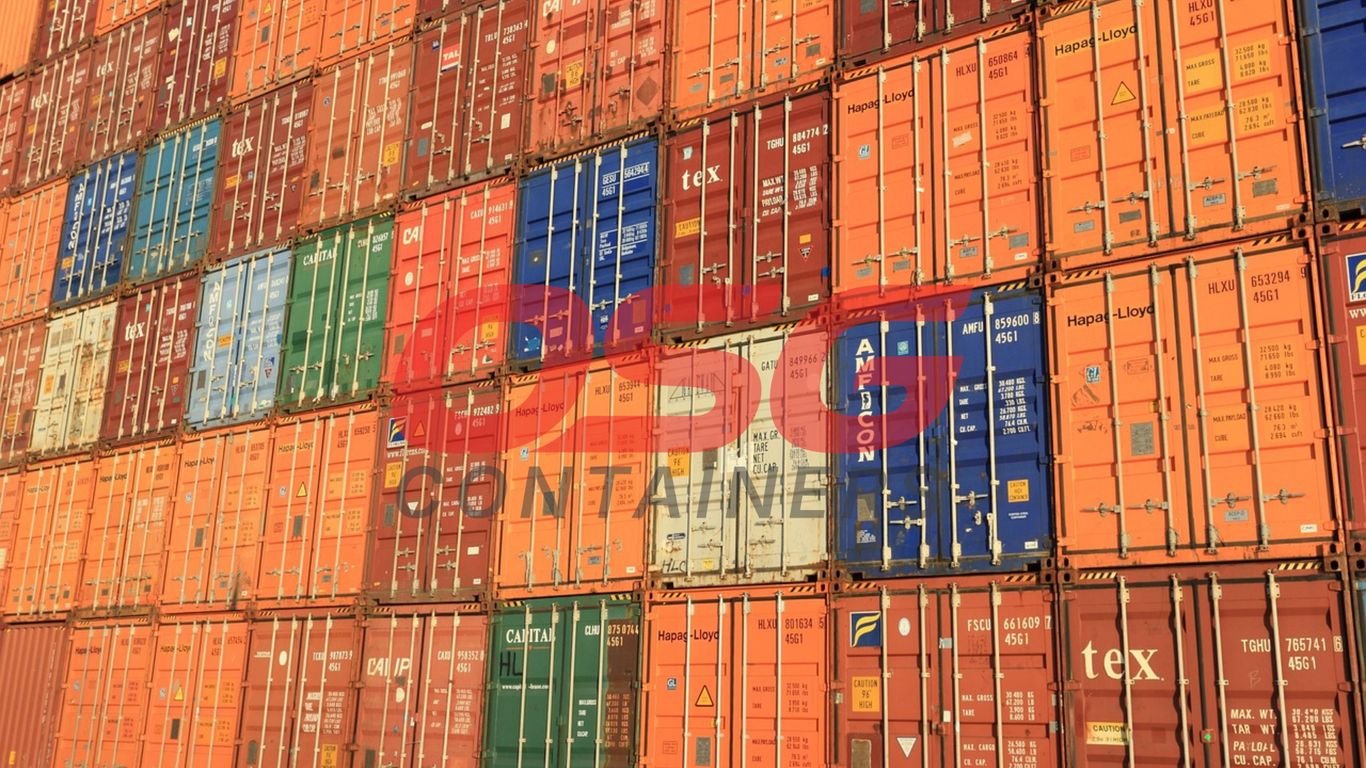
So, you’re thinking about getting a 20 feet container, huh? They’re those standard metal boxes you see everywhere, used for shipping stuff all over the world. Turns out, they’re not just for boats and trains. People use them for all sorts of things, from storing tools on a job site to even making tiny homes. They’re pretty tough and can handle pretty much anything the weather throws at them. Let’s break down what makes these 20 feet containers so useful and why they’re a good deal.
Key Takeaways
- A 20 feet container is a standard metal box, about 20 feet long, used for shipping and storage.
- These containers are built tough from steel, making them durable and able to withstand bad weather.
- They are a cost-effective option for moving or storing goods, whether you rent or buy.
- You can customize them for different uses, like adding shelves or windows.
- They are easy to move around and secure, making them good for protecting your items.
1. What Are 20 Foot Shipping Containers?
Think of a 20-foot shipping container as the workhorse of global trade. These aren’t just big metal boxes; they’re standardized, tough steel enclosures designed to make moving goods across the planet as simple and safe as possible. They’re a huge part of how stuff gets from point A to point B, whether that’s across an ocean or just across town.
Built from corrugated steel, these containers are made to handle rough weather and the bumps and shakes of long journeys. They’re pretty much the definition of durable. Plus, their standardized size means they fit onto ships, trains, and trucks without a fuss, making logistics way easier.
The 20-foot container is the most common size, often referred to as a Twenty-Foot Equivalent Unit (TEU).
Here’s a quick look at what makes them so popular:
- Standardization: They follow international rules (like ISO 668:2020), so they’re recognized and handled the same way everywhere.
- Durability: Made from strong steel, they can take a beating and protect whatever’s inside.
- Versatility: While their main job is shipping, people use them for all sorts of storage and even as building blocks for other structures.
- Cost-Effectiveness: For many shipping needs, especially smaller loads, they’re a more budget-friendly option than larger containers.
These containers are designed for intermodal transport, meaning they can be moved from one type of transport to another – like from a ship to a train to a truck – without needing to unload and reload the cargo inside. This saves a ton of time and money.
So, when you hear about a 20-foot container, picture a reliable, tough, and universally recognized box that keeps goods moving around the world.
2. 20-Foot Shipping Container Dimensions
Alright, let’s talk about the nitty-gritty of a 20-foot shipping container – its size. This is probably the most common size you’ll see out there, and for good reason. It’s like the Swiss Army knife of shipping containers: not too big, not too small, just right for a whole lot of jobs.
The standard exterior dimensions for a 20ft container are pretty consistent: 20 feet long, 8 feet wide, and 8.5 feet tall. Think of it as a solid metal box that’s built tough to handle whatever the world throws at it during transit.
But what about the inside? That’s where the real magic happens for your cargo. The internal measurements are a bit less, of course, to account for the walls. You’re generally looking at:
- Internal Length: Around 19.4 feet (or 5.9 meters)
- Internal Width: About 7.8 feet (or 2.35 meters)
- Internal Height: Roughly 7.9 feet (or 2.39 meters)
These numbers are important because they tell you what can actually fit inside. It’s not just about the outside length; you need to know the usable space.
Here’s a quick rundown of what you can expect, though keep in mind these can vary slightly between manufacturers and specific container types (like High Cube, which gives you extra height):
| Dimension | Standard 20ft Container (Approx.) |
|---|---|
| Exterior Length | 20 ft (6.1 m) |
| Exterior Width | 8 ft (2.44 m) |
| Exterior Height | 8.5 ft (2.59 m) |
| Internal Length | 19.4 ft (5.9 m) |
| Internal Width | 7.8 ft (2.35 m) |
| Internal Height | 7.9 ft (2.39 m) |
| Cubic Capacity | 1,170 cu ft (33.2 m³) |
| Tare Weight | 4,850 – 5,500 lbs (2,200-2,500 kg) |
| Max Payload | 48,060 lbs (21,800 kg) |
So, when you’re planning what to put in your container 20 ft, always double-check these internal dimensions. It’s easy to get caught out if you’re not careful. A container 20 feet long might seem straightforward, but the usable space is what really matters for packing efficiently.
3. 20-Foot Container Conditions
When you’re looking at 20-foot containers, you’ll find they come in a few different conditions. It’s not just a simple ‘new’ or ‘used’ situation; there are specific grades that tell you what to expect.
- One-Trip Containers: These are pretty much as close to new as you can get without buying brand new. They’ve made just one trip, usually from the factory overseas, and then they’re ready for sale. They might have a few minor scuffs or dings from that single journey, but structurally, they’re in great shape. Think of them as ‘like new’ for practical purposes.
- Used Containers (Cargo-Worthy / WWT): These have seen more action. They’ve been used for shipping for a while, maybe 8-15 years. They’ll definitely show signs of wear – think dents, rust spots, maybe some faded paint. However, they’ve been inspected and are still considered ‘cargo-worthy,’ meaning they’re solid enough for shipping. ‘Wind and Watertight’ (WWT) is another common description, meaning no leaks, even if they look a bit rough around the edges. These are often a good budget-friendly option.
- As-Is Containers: These are the oldest and most worn. They might have significant damage, like holes or broken flooring, making repairs too costly. You’d only want these if the container’s appearance and structural integrity aren’t a big deal for your intended use, like maybe for a very basic storage shed where looks don’t matter at all.
It’s important to know that even an ‘open top container’ or a container being repurposed as a ‘container office’ will fall into one of these condition categories. The condition directly impacts the price and suitability for different jobs.
The condition of a container isn’t just about looks; it’s about its ability to do the job you need it for. A container that’s seen a lot of miles might still be perfectly functional for storage or as a workspace, but it might not be the best choice if you need something that looks pristine or has to withstand extreme conditions without any issues.
When you’re checking out containers, pay attention to the details. Look for rust, check the doors and seals, and make sure the floor is solid. For used containers, asking about their maintenance history can also give you a better idea of what you’re getting.
4. Types Of 20ft Containers
When you’re looking at 20-foot containers, it’s not just a one-size-fits-all deal. They come in a few different flavors, mostly based on their height and specific features, which can make a big difference depending on what you need to haul or store.
Standard vs. High Cube
The most common types you’ll run into are the standard 20-foot container and the 20-foot High Cube (HC). The main difference here is height. High Cubes give you that extra foot of vertical space, which can be a game-changer if you’re dealing with bulky items or need a bit more room to work with.
| Type | Exterior Height | Interior Height | Extra Space | Cubic Capacity (approx.) |
|---|---|---|---|---|
| Standard 20ft | 8′ 6" | 7′ 10" | N/A | 1,172 cu ft |
| 20ft High Cube | 9′ 6" | 8′ 10" | +1 ft | 1,316 cu ft |
Other Variations
Beyond height, you’ve got containers designed for specific jobs:
- Open Top Containers: These are great when you need to load cargo from the top, often using a crane. They have a removable tarpaulin roof instead of a solid one, making oversized or awkwardly shaped items easier to manage.
- Refrigerated (Reefer) Containers: If you’re shipping perishables like food or medicine, these are your go-to. They come with built-in refrigeration units to keep the temperature precisely controlled.
- Flat Rack Containers: These are basically a platform with collapsible sides. They’re perfect for really large, heavy, or oddly shaped cargo that wouldn’t fit through standard container doors, like machinery or vehicles.
Choosing the right type of 20ft container is all about matching its features to the specific needs of your cargo and how you plan to load and transport it. It’s not just about the length; the height and specialized designs play a huge role in making the process efficient and safe.
So, while the "20-foot" part tells you the length, remember to check the specifics on height and any special features to make sure you’re getting the best fit for your project.
5. Importance Of 20ft Storage Containers
So, why are these 20-foot containers such a big deal, especially when you need a place to stash stuff or move it around? Well, for starters, they’re built tough. We’re talking corrugated steel, which means they can handle pretty much any weather Mother Nature throws at them. Rain, sun, wind – they’re designed to keep what’s inside safe and sound. Plus, they’re not exactly flimsy; they’re made to last, resisting wear and tear like champs.
Think about security, too. These containers are pretty much like a vault on wheels. They’re designed to be tamper-proof, so if you’ve got anything valuable, you can rest a little easier knowing it’s locked up tight. This makes them a solid choice for businesses that need to transport or store sensitive items.
And here’s a really good part: you can actually make them your own. If you buy a used one, you’re not stuck with a plain metal box. Need shelves? Add ’em. Want some extra ventilation or a different kind of door? That’s usually doable. This flexibility means you can tailor the container to whatever job you have in mind, whether it’s storing tools, equipment, or even turning it into a small workshop.
The real magic of a 20-foot container lies in its adaptability. It’s not just a box; it’s a blank canvas for storage and logistical needs, offering a reliable and secure space that can be modified to fit a surprising range of applications.
Here are a few key reasons why they’re so important:
- Durability: Made from strong steel, they hold up against harsh conditions and general wear.
- Security: Their robust design and locking mechanisms keep contents protected.
- Portability: Easy to move from one location to another, whether by truck, train, or ship.
- Customization: Can be modified with additions like shelving, insulation, or different door types.
- Cost-Effectiveness: Often a more budget-friendly option for storage and transport compared to building permanent structures or using larger containers.
They’re also pretty straightforward to move. You can stack them, which is great for saving space, and they’re designed to be loaded onto trucks or ships without too much fuss. It’s this combination of strength, security, and ease of use that makes the 20-foot container a go-to option for so many different needs.
6. Top Considerations For Buying A 20ft Shipping Container
So, you’re thinking about getting a 20-foot shipping container. That’s a smart move for a lot of reasons, but before you hand over your cash, there are a few things you really need to think about. It’s not just about picking the cheapest one you see online, you know?
First off, the condition of the container is super important. Are you looking at a brand new one, or a used one? If it’s used, you’ve got to really inspect it. Look for dents, rust, holes, and check out the doors and seals. Make sure the floor is solid and the locking mechanism works like it should. A container that’s falling apart isn’t going to do you much good, and might even cost you more in repairs down the line.
Here’s a quick rundown of what to check:
- Structural Integrity: Does it feel solid? No major bends or weak spots.
- Paint and Rust: A little surface rust is okay, but big patches or holes are a no-go.
- Doors and Seals: Do they open and close smoothly? Are the rubber seals intact to keep water out?
- Floor: Check for rot or damage, especially if it’s wood.
- Locking Gear: Make sure the handles and locking bars are functional.
Then there’s the whole aspect of its history. If you’re buying a used container, ask about its past. What was it used for? Has it been repaired? Sometimes, you can get maintenance records, and it’s a good idea to look them over. This gives you a better idea of how it’s been treated and if it’s likely to hold up.
You also need to think about how you’re going to get it where you want it. Delivery and transport are a big part of the cost and hassle. Make sure the seller can deliver it, or that you have a plan for moving it yourself. Check if the location where it’s going can handle a large truck and crane.
Don’t forget about the size and capacity. While it’s a 20-foot container, the internal space might vary slightly. Make sure the volume fits what you plan to store or transport. It sounds obvious, but sometimes people overlook this.
Finally, consider any regulations or permits you might need, especially if you plan to use it for business or place it on certain types of property. It’s always better to be safe than sorry and know the rules before you buy.
7. Reasons To Choose A 20ft Shipping Container
So, why are these 20-foot containers such a popular choice? Honestly, it boils down to a few solid points that make them super practical for a lot of different jobs. They’re not too big, not too small, and they just work.
First off, they hit that sweet spot for size and portability. You can get them where you need them without a massive fuss, and they’re easy to move around once they’re there. This makes them great for businesses that need to shift goods around or for folks setting up temporary storage.
Here are some of the main reasons people go for the 20-footer:
- Versatile Storage: They offer a good chunk of space, enough for a lot of different items. Think of storing inventory, equipment, or even personal belongings during a move. You can even add shelves or dividers to make the space work better for you.
- Durability: These things are built tough. Made from strong, corrugated steel, they can handle pretty much any weather you throw at them. Rain, sun, wind – they’re designed to keep what’s inside safe and dry.
- Security: The steel construction and sturdy locking mechanisms mean your stuff is pretty secure. They’re designed to be tamper-proof, which is a big deal if you’re storing valuable items.
- Cost-Effectiveness: Compared to larger containers or other storage solutions, 20-footers are often more budget-friendly. You get a lot of utility for your money, whether you’re buying or renting.
- Customization Potential: Need something specific? These containers are surprisingly easy to modify. You can add windows, extra doors, insulation, or even turn them into a small office or workshop.
When you’re looking at a 20-foot container, it’s like getting a reliable, no-nonsense tool. It does its job well without a lot of extra complications. They’re built to last and can be adapted for all sorts of uses beyond just shipping.
They’re also pretty straightforward to transport. Whether it’s by truck, train, or ship, their standard size makes logistics much simpler. This standardization is a huge plus for anyone involved in moving goods, cutting down on headaches and potential delays.
8. Where Can You Buy A 20ft Shipping Container?
So, you’ve decided a 20-foot container is the way to go. Awesome choice! Now, where do you actually get one? It’s not like you can just pop down to the local hardware store.
Finding a reliable supplier is key to getting a good container without any headaches.
There are a few main avenues you can explore:
- Container Suppliers and Dealers: This is probably the most common route. Many companies specialize in selling new and used shipping containers. They often have a range of conditions and types available. It’s a good idea to look for local dealers first, as this can sometimes make delivery easier and potentially cheaper. Do a quick search for "shipping container sales [your city/region]" and see what pops up.
- Online Marketplaces: The internet is a big place, and there are platforms dedicated to buying and selling shipping containers. These can offer a wide selection, sometimes from different regions. Just be extra careful when buying online – do your homework on the seller and the container’s condition.
- Logistics and Shipping Companies: Sometimes, companies that use containers for shipping might sell off their older ones when they’re ready for replacement. This can be a good source for used containers, but availability might be less predictable.
When you’re looking, remember to ask about:
- Delivery options: How will they get it to your site? What’s the cost?
- Container condition: Be specific about what you need – "one-trip," "cargo-worthy," or "wind and watertight." Don’t be afraid to ask for photos or even arrange an inspection if possible.
- Payment terms: How do they handle payments?
Buying a container is a bit like buying a used car. You want to know its history, check for any rust or damage, and make sure the doors open and close smoothly. Don’t rush the process; a little bit of due diligence now can save you a lot of trouble later.
9. Evaluating The Quality Parameters
When you’re looking to buy a 20-foot shipping container, checking its quality is a big deal. You don’t want to end up with something that’s falling apart or won’t keep your stuff safe. It’s like buying a used car; you gotta kick the tires, right?
First off, a good old-fashioned physical inspection is key. You’ll want to check for any major dents, rust spots, or holes. Pay attention to the doors and seals – are they tight? You don’t want any water getting in. Also, give the floor a good look; it needs to be solid. The welding should look clean and strong, not sloppy.
Here’s a quick checklist to run through:
- Structural Integrity: Does the container feel solid? No sagging or bent parts.
- Paint Condition: Is the paint mostly intact, or is it peeling off everywhere? Some surface rust is normal, but deep rust is a problem.
- Door & Seal Functionality: Do the doors open and close smoothly? Are the rubber seals intact and providing a good barrier?
- Floor Condition: Check for rot or damage to the flooring material.
- Locking Mechanism: Ensure the locking bars and handles work correctly and feel secure.
Beyond just looking, it’s smart to ask about the container’s history. If you can get maintenance records, that’s even better. It gives you an idea of how it’s been treated and if any major repairs were done. Understanding a container’s past use can tell you a lot about its future reliability.
Sometimes, you’ll see containers graded. For example, ‘cargo-worthy’ means it’s good for shipping, but might have cosmetic issues. ‘Wind and water-tight’ means it won’t leak, but again, might look a bit rough. Then there are ‘as-is’ containers, which are usually the cheapest but might need significant work.
Don’t just go for the cheapest option without looking. A little bit of wear and tear is expected, especially with used containers, but major structural issues can turn a good deal into a costly headache down the road. Think about what you’ll be using it for – if it’s just for storage on your property, a few dents might not matter as much as if you plan to ship goods internationally.
10. Utilizing Containers For Delivery And Logistics
When it comes to moving goods around, whether it’s across town or across the ocean, 20-foot shipping containers are a pretty big deal. They’re like the workhorses of the shipping world for a reason. Think about it: you’ve got stuff to move, and you need it to get there safe and sound. That’s where these containers shine.
These containers are designed to make transportation as straightforward as possible. They fit onto trucks, trains, and ships, which means your cargo can hop between different modes of transport without needing to be re-packed. This whole process, called intermodal shipping, saves a ton of time and hassle. Plus, it’s generally better for the environment because it often uses more fuel-efficient methods.
Here’s a quick look at how they fit into the delivery picture:
- Standardization is Key: The consistent dimensions mean that loading equipment, like cranes and forklifts, are designed to handle them easily. This speeds up loading and unloading at ports and warehouses.
- Security on the Move: They’re built tough, made from strong steel, and come with secure locking mechanisms. This keeps your goods protected from the elements and from anyone who shouldn’t be getting their hands on them.
- Last-Mile Solutions: For getting goods right to the customer’s doorstep, especially in busy cities, a 20-foot container can be a practical choice. It’s easier to maneuver than a larger truck and can be placed strategically for efficient delivery.
Planning your logistics involves more than just picking a container. You need to think about the type of goods you’re shipping, how they need to be secured, and the best routes to take. Sometimes, you might even need to customize the container with things like shelving or extra ventilation to make sure everything arrives in perfect condition.
For businesses, especially smaller ones, using these containers can really cut down on costs. Instead of buying a whole fleet of trucks or dealing with complex shipping arrangements, you can rely on the standardized system that 20-foot containers are part of. It simplifies the whole supply chain, making it easier to get your products from point A to point B without a hitch.
Wrapping It Up
So, we’ve talked a lot about these 20-foot containers. They’re tough, they keep your stuff safe, and honestly, they’re pretty easy on the wallet. Whether you’re moving a business, need extra storage, or even dreaming up a cool project, these metal boxes are a solid choice. They’re not just for shipping goods across the ocean; they can be used for all sorts of things right here on land. Just remember to think about what you actually need before you pick one out. Getting the right size and condition means you’ll be happy with it for a long time.
Frequently Asked Questions
What exactly is a 20-foot shipping container?
Think of a 20-foot shipping container as a sturdy, big metal box. It’s made from strong, wavy steel, which means it can handle rough weather and tough use. They’re designed to be moved around easily, stacked up, and used for storing or moving all sorts of things.
What are the typical measurements of a 20-foot container?
A standard 20-foot container is about 20 feet long, 8 feet wide, and a little over 8 feet tall on the outside. Inside, it’s usually around 19.4 feet long, 7.8 feet wide, and 7.9 feet high. This gives you a good amount of space, about 1,170 cubic feet, to put your stuff in.
Can I change a 20-foot container to fit my needs?
Absolutely! One of the best things about these containers is that you can change them. You can add doors, windows, shelves, or even insulation to make it perfect for what you need, whether that’s extra storage, a small workshop, or even a tiny home.
Are 20-foot containers safe for my belongings?
Yes, they are very safe. They’re built from strong steel and are designed to be secure and resistant to tampering. This means your items are protected from bad weather and anyone trying to get in, making them a great choice for valuable or important things.
Why are 20-foot containers a good deal financially?
They’re a great deal because they’re cheaper than larger containers, especially if you don’t have a massive amount of stuff to move or store. Plus, they’re built to last a very long time, so you get a lot of use out of them. Renting or buying one is often much cheaper than other storage or moving options.
What kind of condition can I expect a 20-foot container to be in?
You can find them in different conditions. ‘One-trip’ containers have only been used once, so they’re in really good shape, maybe with a few minor scratches. ‘Used’ containers have been around for a while, so they might have more dents or rust, but they’re still strong and perfectly usable for many more years.