Singapore
 Australia
 Indonesia
 Japan
Japan Malaysia
 New Zealand
 Philippines
 South Korea
 Taiwan
 Thailand
 VIETNAM
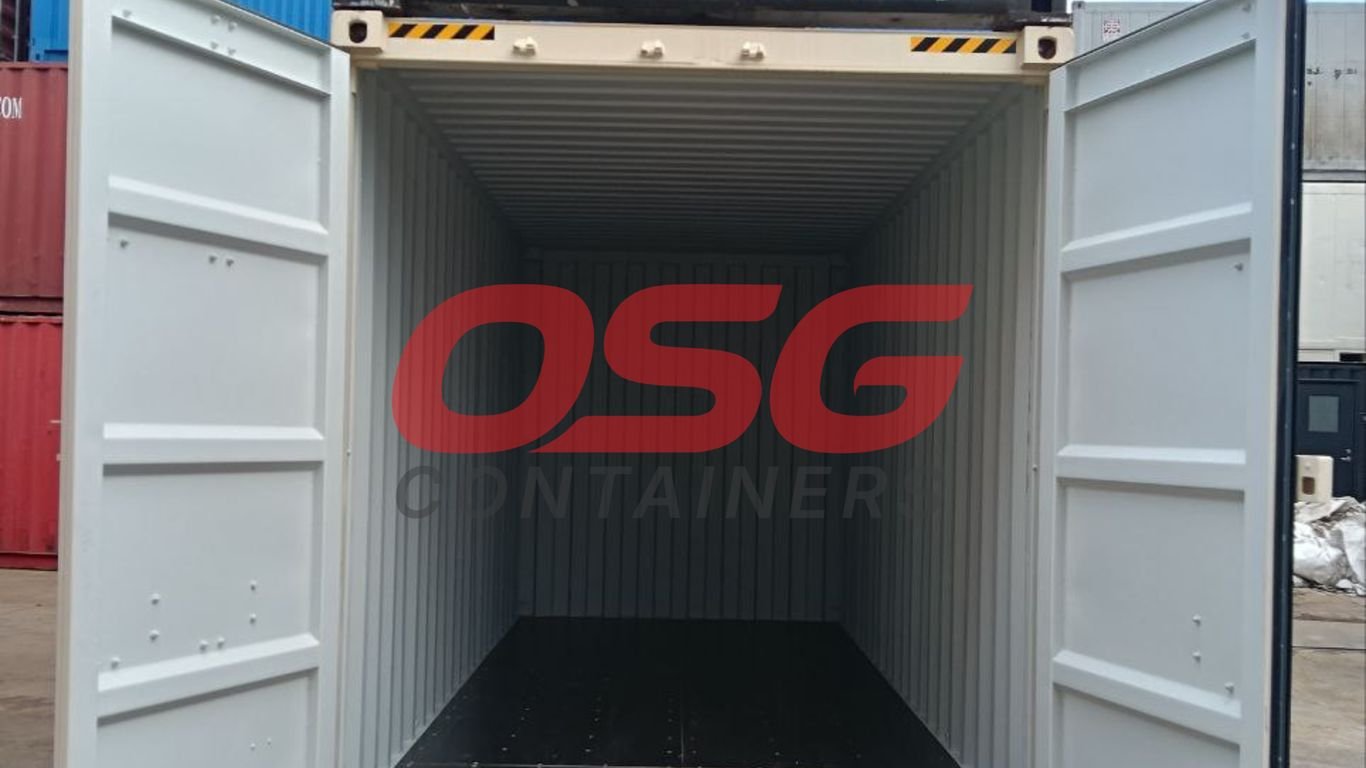
So, you’re looking at a 20 foot sea container and wondering what exactly fits inside? It’s a common question, and honestly, these things are workhorses. They’re not just big metal boxes; they’re pretty standard units that move a lot of stuff around the world. We’re going to break down the actual space you get, what you can realistically pack in there, and some other important details you should know. It’s not as simple as just throwing things in, but with a little planning, you can figure out if a 20 foot sea container is the right choice for your needs.
Key Takeaways
- A standard 20 foot sea container has exterior dimensions of roughly 20 ft x 8 ft x 8.5 ft, but the usable interior space is a bit less, around 19.5 ft x 7.8 ft x 7.10 ft.
- You can fit about 10-11 standard Euro pallets or 9-10 US pallets inside a 20 foot sea container, depending on how you arrange them.
- The maximum payload for a 20 foot sea container is typically around 24,000 to 28,000 kg (about 52,900 to 61,700 lbs), but always check with the carrier and local regulations.
- Beyond pallets, a 20 foot sea container can hold items like a one-bedroom apartment’s contents, 1-2 cars, or a significant amount of consumer and industrial goods.
- Different types of 20 foot sea containers exist, including standard dry vans, high-cubes for extra height, and specialized options like double-door or flat-rack containers, each suited for different cargo.
Understanding the 20 Foot Sea Container Dimensions
When you’re looking at shipping options, the 20 ft container is a really common choice. It’s like the standard-sized pickup truck of the shipping world – not too big, not too small, just right for a lot of jobs. But what exactly are its dimensions, and how much space are we talking about? Let’s break it down.
Exterior Measurements of a 20 Foot Sea Container
The outside measurements are pretty standard across the board, which is how they all stack up neatly on ships and fit onto trucks. Think of these as the container’s footprint and height.
| Measurement | Imperial (Approx.) | Metric (Approx.) |
|---|---|---|
| Length | 20 ft | 6.06 m |
| Width | 8 ft | 2.44 m |
| Height | 8 ft 6 in | 2.59 m |
These external numbers are important for planning how a container will be moved and where it can physically go. It’s the shell that protects everything inside.
Interior Space: What’s Usable?
Now, the inside is where the magic happens, but it’s not quite as big as the outside. The walls have some thickness, and you’ve got to account for that. This is the space you’ll actually be filling with your goods.
- Length: You lose a few inches here and there, bringing the usable length down.
- Width: Similar to the length, the internal width is less than the external width.
- Height: The ceiling isn’t quite as high as the container’s overall height.
So, while the outside looks like a perfect 20x8x8.5 feet, the inside is a bit cozier. It’s always best to work with the internal dimensions when you’re figuring out what will fit.
Internal Volume: Cubic Meters Explained
When people talk about how much a container can hold, they often use cubic meters (CBM). This is just a way to measure the total volume inside the container. For a standard 20 ft container, you’re generally looking at around 32.6 cubic meters of space.
This volume is your actual cargo space. It’s what you need to consider when you’re packing boxes, furniture, or machinery. Knowing the CBM helps you estimate if your shipment will fit without being too cramped or leaving too much wasted space.
It’s the number that really matters when you’re trying to pack efficiently and make sure you’re not paying for air. Getting a handle on these dimensions and volume is the first step to figuring out what you can really fit into a 20 ft container.
Maximizing Cargo Space: What Fits Inside
So, you’ve got a 20-foot container and you’re wondering just how much stuff you can actually cram into it. It’s a common question, and the answer really depends on what you’re shipping.
Pallet Configurations for Optimal Loading
When it comes to loading pallets, efficiency is key. You can typically fit:
- 11 Euro pallets (1.2m x 0.8m) if you load them alternating length-wise and cross-wise.
- 10 U.S. standard pallets (40" x 48") arranged in two neat rows.
Getting this right means you’re making the most of the space without having to play Tetris with your cargo. It’s all about planning the layout before you start stacking.
Fitting Household Contents and Vehicles
Beyond pallets, what else can you fit? For household moves, think about furniture, boxes, and appliances. You can often fit the contents of a small apartment or a few rooms. It’s surprising how much can be packed in when you’re strategic about it. For vehicles, a standard 20-foot container can usually accommodate one car, especially if it’s a smaller model. You’ll need to secure it properly, of course, and consider if any parts need to be removed or if it can be driven in.
Common Consumer and Industrial Goods
This container size is a real workhorse for a variety of goods. You’ll commonly see it used for:
- Apparel and textiles
- Small electronics and appliances
- Flat-pack furniture
- Machine parts and tools
- Building materials like tiles or cement (if weight allows)
Basically, if your goods are dense or high-value, they might hit the weight limit before they fill up the volume. That’s where the 20-footer shines – it’s great for maximizing value per cubic meter.
Remember that the internal dimensions are slightly smaller than the external ones due to the container walls. Always account for this when planning your load. It’s better to have a little extra room than to find out your biggest item just won’t fit.
Weight Limitations for Your 20 Foot Sea Container
So, you’ve figured out what you want to put in your 20-foot container, but have you thought about how much it weighs? This is a big deal, and not just for your back when you’re trying to load it. Shipping containers have strict weight limits, and going over them can cause all sorts of headaches, from extra fees to serious safety risks.
Understanding Tare Weight and Payload
First off, let’s talk about the container itself. Every container has a tare weight, which is just the weight of the empty container. For a standard 20-foot container, this is usually around 2,300 kg (about 5,070 lbs). Then there’s the payload, which is the maximum weight of the cargo you’re allowed to put inside. This is the number you really need to pay attention to.
Maximum Gross Weight Considerations
The maximum gross weight is the total weight of the container plus its cargo. For most 20-foot containers, this limit is typically around 24,000 kg (roughly 52,910 lbs). However, this can vary a bit depending on the specific container and the shipping company. Some might allow a bit more, up to around 28,000 kg (61,700 lbs) for the gross weight, but you always need to check the exact specifications.
Here’s a quick look at typical weight capacities:
| Weight Type | Approximate Weight (kg) | Approximate Weight (lbs) |
|---|---|---|
| Tare Weight (Empty) | 2,300 kg | 5,070 lbs |
| Max Payload (Cargo) | 21,700 kg | 47,840 lbs |
| Max Gross Weight | 24,000 kg | 52,910 lbs |
Avoiding Overload Fines and Delays
Exceeding the weight limit isn’t just a suggestion; it’s a rule. If your container is too heavy, it can lead to:
- Additional Fees: Carriers will charge you extra for overweight containers.
- Delays: Your shipment might be held up at the port or during transit while the weight issue is sorted out.
- Safety Hazards: Overloaded containers can be unstable and dangerous to handle, increasing the risk of accidents.
- Legal Issues: Depending on local regulations, you could face fines or even have your shipment refused.
It’s super important to know the exact weight of everything you plan to load. Don’t guess! Weigh your cargo accurately before it even gets near the container. This simple step can save you a ton of trouble down the line.
Always double-check the specific weight restrictions with your chosen shipping line and be aware of any local road weight limits at both the origin and destination. These can sometimes be lower than the container’s maximum capacity.
Choosing the Right 20 Foot Sea Container Type
So, you’ve decided a 20ft shipping container is the way to go. That’s great! But did you know there’s more than just one kind? Picking the right type can make a big difference in how much you fit and how easily you can load and unload your stuff. Let’s break down the common options.
Standard Dry Van Containers
This is your everyday, go-to container. Think of it as the reliable workhorse of the shipping world. It’s a completely enclosed, rigid box, perfect for general cargo that doesn’t need any special temperature control or handling. Most of the time, when people just say "shipping container," they mean this type. They’re built tough, weather-resistant, and secure, making them ideal for everything from furniture to manufactured goods.
High-Cube Options for Extra Height
Need a little more vertical space? That’s where the high-cube comes in. These containers are the same length and width as a standard 20ft, but they’re about a foot taller. This extra height is a game-changer if you’re shipping tall items like machinery, pipes, or even vehicles. It gives you more flexibility and can sometimes mean you can fit more in without needing a larger container overall.
Specialty Containers: Double Door and Flat Rack
Sometimes, standard just won’t cut it. For easier loading and unloading, especially in tight spots, a double-door container is a lifesaver. It has doors on both ends, allowing for drive-through access. This can seriously speed up the loading process. Then there are open top containers and flat racks. Open tops have a removable roof, making it easy to load cargo from the top with a crane. Flat racks are even more specialized; they have no side walls and a collapsible front and rear wall, designed for oversized or heavy equipment that wouldn’t fit in a standard box, like large industrial machinery or boats. You might also encounter specialized containers like an isotank for liquids, but for general cargo, double doors and flat racks offer unique solutions.
When selecting a container, always consider the nature of your cargo. Is it tall? Oversized? Does it need top loading? Thinking through these details upfront can prevent headaches and extra costs down the line. It’s not just about fitting things in; it’s about fitting them in efficiently and safely.
Factors Influencing 20 Foot Sea Container Shipping Costs
So, you’re looking at shipping something in a 20-foot container and wondering what makes the price go up or down? It’s not just one thing, really. Think of it like planning a road trip – gas prices, tolls, where you’re going, and even the time of year all play a part. Shipping containers are similar, with a bunch of moving pieces that affect the final bill.
Base Ocean Freight and Fuel Adjustments
The biggest chunk of your cost is usually the base ocean freight. This is the fee the shipping line charges for moving the container from one port to another. It’s influenced by how popular that shipping route is. If everyone wants to send stuff from Asia to Europe, prices will be higher than on a less-trafficked lane. Then there’s the fuel surcharge, often called a Bunker Adjustment Factor (BAF). Shipping companies have to buy a lot of fuel, and when prices jump, they pass some of that cost onto you. This can change quarterly, so it’s something to keep an eye on.
Port Fees and Currency Fluctuations
Don’t forget about the ports themselves. When your container arrives or departs, there are fees for loading, unloading, and just using the terminal facilities. These are often called Terminal Handling Charges (THC). These fees can vary quite a bit from port to port and are usually set by local authorities. Also, if you’re shipping internationally, you’ll likely be dealing with different currencies. A Currency Adjustment Factor (CAF) might be added to account for shifts in exchange rates, especially if the shipping line’s main costs are in one currency (like USD) but they’re getting paid in another.
Container Type and Condition
While we’re mostly talking about standard 20-footers here, remember that different types of containers can cost more. Need a high-cube for a bit more height? That’ll likely be a bit extra. What about a specialized container like one with double doors or a reefer unit for temperature control? Those come with a premium. Even the condition of the container can sometimes play a role, though for standard dry vans, it’s usually less of a factor unless you’re opting for a specific grade.
Here’s a quick look at some common cost factors:
- Base Ocean Freight: The core cost of moving the container between ports.
- Fuel Surcharges (BAF): Adjustments based on fluctuating fuel prices.
- Terminal Handling Charges (THC): Fees for loading/unloading at ports.
- Currency Adjustment Factor (CAF): To offset exchange rate changes.
- Special Surcharges: For things like canal transit or congestion.
- Container Type: Standard, high-cube, or specialized units.
It’s always a good idea to get a few quotes from different shipping lines or freight forwarders. They can often explain exactly what’s included in their price and what might be an extra charge down the line. Being clear upfront saves a lot of headaches later on.
So, What’s the Takeaway?
Alright, so we’ve gone over the nitty-gritty of what you can actually cram into a 20-foot shipping container. It’s not just a big metal box; it’s got specific dimensions and weight limits you really need to pay attention to. Whether you’re thinking about fitting a small apartment’s worth of stuff, a couple of cars, or a whole lot of smaller items like appliances or furniture, knowing those internal measurements and the maximum payload is key. Don’t forget about how you pack it, either – Tetris skills are surprisingly useful here! Ultimately, the 20-footer is a solid choice for a lot of different shipping needs, offering a good balance of space and manageability, but always double-check those specs before you commit.
Frequently Asked Questions
What are the actual inside measurements of a 20-foot container?
A standard 20-foot container has inside measurements of about 19 feet 4 inches long, 7 feet 8 inches wide, and 7 feet 10 inches high. Think of it like a small room, but made of steel!
How much stuff can I really fit inside a 20-foot container?
You can fit a lot! It’s roughly equivalent to the contents of a small three-bedroom house. You can also fit around 10-11 standard pallets, or even a couple of cars, depending on how you arrange them.
What’s the difference between a standard and a high-cube container?
A high-cube container is about a foot taller than a standard one. This extra height gives you more room, which is super helpful for tall items like pipes, machinery, or even for making a tiny home feel more spacious.
How much weight can a 20-foot container hold?
The empty container weighs about 2,300 kg (around 5,000 lbs). The maximum weight for the cargo inside is usually around 21,700 kg (about 47,800 lbs). It’s important not to overload it, or you could face extra charges and delays.
Can I fit oddly shaped items in a 20-foot container?
Yes, you can! While standard items like boxes and furniture are straightforward, you can also fit irregularly shaped items. You just need to plan your packing carefully to use all the available space efficiently and make sure everything is secure.
What does ‘CBM’ mean for a shipping container?
CBM stands for cubic meter. It’s a way to measure the total space inside the container. A standard 20-foot container has about 33 cubic meters of space, but you can usually use about 25 to 28 cubic meters effectively for your cargo.