Singapore
 Australia
 Indonesia
 Japan
Japan Malaysia
 New Zealand
 Philippines
 South Korea
 Taiwan
 Thailand
 VIETNAM
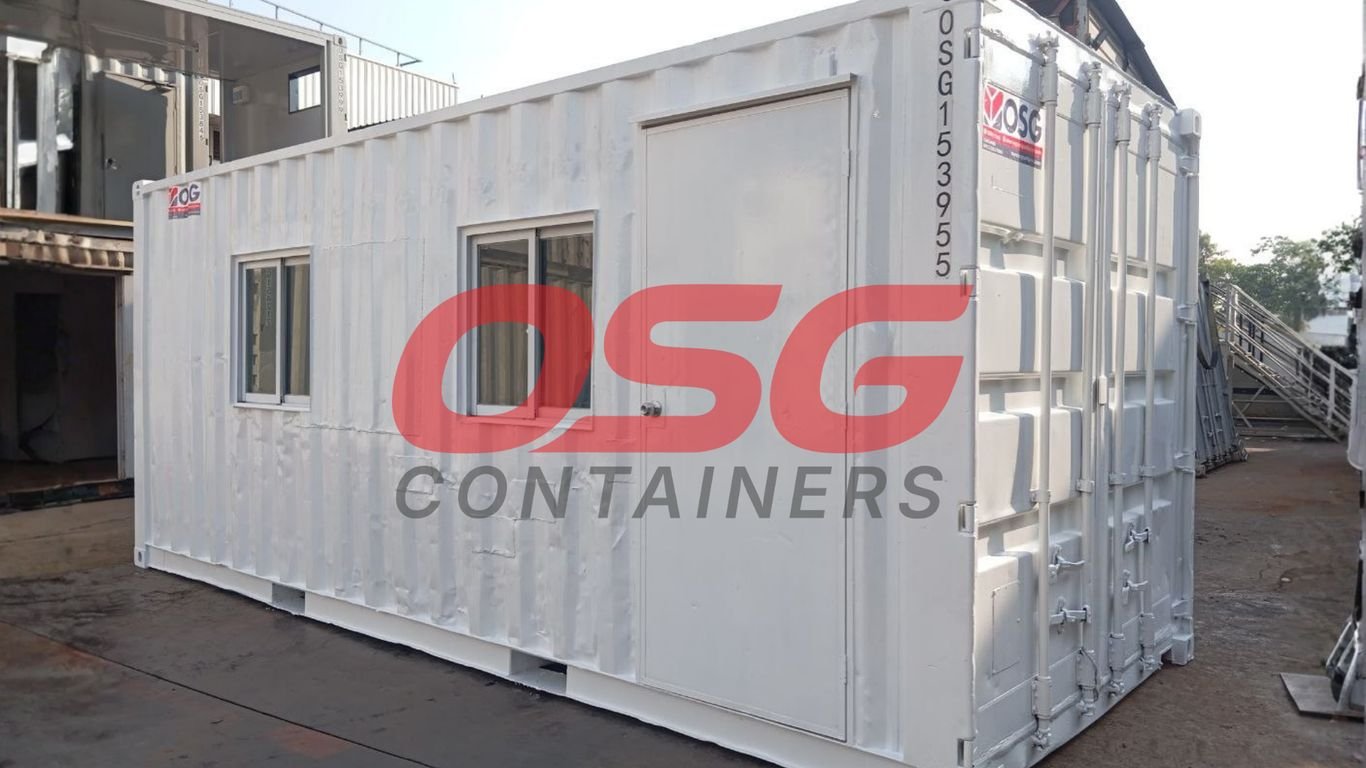
Thinking about getting an office container? They’re becoming super popular for all sorts of reasons, from construction sites to new businesses. It’s not just about throwing a metal box on some land; there’s a bit more to it than that. We’ll break down what you need to know about office container rental, from how much it costs to what kind of setups work best. It’s a practical solution, but you’ve got to get the details right.
Key Takeaways
- Figure out exactly what you need the office container for. This helps decide on size, insulation, and other features.
- Renting is usually better for short-term projects (under a year), while buying makes more sense for long-term use.
- Costs change a lot based on size, if it’s new or used, and if you add extras like insulation or special wiring.
- You can join containers together for more space, or get custom options, but these cost more and take longer.
- Always check local rules and make sure delivery access is clear before you sign anything for your office container rental.
Understanding Office Container Rental Basics
So, you’re thinking about getting a portable office space, huh? Maybe for a job site, a new business venture, or just a quiet place to get work done away from the main office. Renting a container office is a pretty popular choice these days, and for good reason. They’re flexible, can be set up relatively quickly, and often cost less than building something from scratch. But before you jump in and rent a container office, it’s smart to get a handle on a few things.
Defining Your Specific Needs
First off, what exactly do you need this office for? Is it going to be a busy construction site trailer where people are in and out all day, or more of a quiet executive suite for a few people? Think about:
- Size: How many people will be using it regularly? Do you need space for desks, a small meeting area, or even storage within the office itself?
- Location: Where will it be placed? Will it need to withstand harsh weather? Is there easy access for delivery and setup?
- Duration: How long do you anticipate needing the space? A few months for a short project or a couple of years for a longer build?
- Amenities: What’s a must-have? Basic shelter, or do you need electricity, heating, air conditioning, plumbing, or even internet hookups?
Figuring out these details upfront helps a ton when you start looking at options. It stops you from getting a space that’s too small, too big, or just not right for the job.
Rental Versus Purchase Considerations
This is a big one. Should you rent or buy? Renting is usually the way to go if you need a temporary solution. It means less upfront cash, and you don’t have to worry about selling it later. Plus, rental companies often handle delivery and pickup, which is a load off your mind.
- Renting: Great for short-term needs, projects with uncertain timelines, or when you want to try out a container office before committing. It’s generally more flexible.
- Purchasing: Makes more sense if you know you’ll need the space for a long time, want to customize it extensively, or plan to resell it later. You build equity, but it’s a bigger initial investment.
For most people looking to rent a container office, the flexibility and lower initial cost of renting are the main draws.
Key Features to Evaluate Before Renting
When you’re ready to rent a container office, here are some things to check out:
- Condition: Ask about the container’s history. Is it a new-built unit or a refurbished shipping container? Look for signs of rust, major dents, or water damage. If you can’t see it in person, ask for recent photos.
- Insulation and Climate Control: This is super important for comfort. A basic metal box gets really hot in the summer and cold in the winter. Good insulation and a working HVAC system make a huge difference.
- Electrical and Lighting: Does it come pre-wired? What kind of lighting is installed? Make sure it meets your power needs.
- Security: How secure are the doors and locks? You want your office and its contents to be safe.
- Delivery and Setup: What’s included? Does the rental price cover delivery, placement, and pickup? Are there any site prep requirements you need to handle?
Navigating Office Container Costs and Pricing
Alright, let’s talk about the money side of things when it comes to renting an office container. It’s not just a simple monthly fee; there are a bunch of things that can make that price go up or down. Understanding these factors will help you avoid surprises and get the best deal for your project.
Factors Influencing Rental Rates
The price you’ll pay each month really depends on a few key things. First off, the size matters a lot. A 20-foot container is going to cost less than a 40-foot one, naturally. Then there’s the condition – a brand new, never-used unit will be pricier than a used one that’s had a previous life. Customizations also add to the bill. Need extra windows, specific electrical outlets, or a special paint job? That all costs extra.
Here’s a general idea of what you might see, though remember these are just ballpark figures and can change based on your location and the supplier:
| Container Size | Condition | Typical Monthly Rental Range |
|---|---|---|
| 20ft | Used | $150 – $250 |
| 20ft | New/Refurb | $200 – $350 |
| 40ft | Used | $200 – $350 |
| 40ft | New/Refurb | $250 – $400 |
Don’t forget about delivery and pickup fees, either. These can sometimes be a significant chunk of the initial cost, especially if your site is hard to access.
Understanding Value Tiers and Customization Costs
Not all container offices are created equal. Suppliers often have different ‘tiers’ of units. A basic, budget-friendly option might just be a shell with a door and maybe a window, suitable for very temporary needs in mild weather. On the other end, you have premium units that come fully insulated, with HVAC systems already installed, better lighting, and even built-in desks or shelving.
Customization is where you can really tailor the space, but it adds up. Think about:
- Insulation: Adding spray foam or rigid board insulation for better temperature control.
- HVAC: Installing air conditioning and heating units.
- Electrical: More outlets, specific wiring for IT equipment, or generator hookups.
- Interior Finishes: Upgraded flooring, wall panels, or partitions to create separate rooms.
- Windows & Doors: Adding extra windows for light or specialized doors.
It’s always a good idea to get a detailed quote that breaks down these customization costs so you know exactly what you’re paying for.
Comparing Total Cost of Ownership
When you’re looking at rental prices, it’s easy to just focus on that monthly number. But you need to think about the total cost over the entire time you’ll need the container. This includes:
- Rental Fees: The base monthly cost.
- Delivery & Pickup: The one-time charges for transport.
- Setup Costs: Any fees for site preparation or installation assistance.
- Customization Add-ons: The cost of any modifications you request.
- Insurance: You might need to insure the unit while it’s on your site.
- Utilities: Costs for electricity, water (if applicable), and waste disposal.
Sometimes, a slightly higher monthly rental fee for a unit that’s already well-equipped (like being fully insulated and having an AC unit) can actually save you money in the long run compared to renting a basic unit and paying extra for all those upgrades and the utility costs to run them.
By looking at the complete picture, you can make a more informed decision and avoid unexpected expenses down the line. It’s about finding the best value for your specific situation, not just the cheapest sticker price.
Exploring Office Container Configurations
When you’re looking at renting an office container, it’s not just a one-size-fits-all deal. There are quite a few ways these units can be set up, and understanding these options will help you pick the right one for your needs. Think about how much space you really need and what kind of layout will work best for your team.
Single Versus Multi-Container Setups
For smaller teams or specific functions, a single container might be just the ticket. These are typically 20-foot or 40-foot units, offering a compact yet functional workspace. They’re generally easier to move and set up, making them a good choice for temporary sites or smaller operations. A single 40-foot container can comfortably house about 4-6 people.
If you need more room, perhaps for different departments, a break area, or even restrooms, you can link multiple containers together. This can be done side-by-side to create wider spaces or stacked vertically for a multi-story setup. Stacking requires careful planning and specialized lifting equipment, but it’s a great way to maximize space on a tight footprint.
Here’s a quick look at what each might offer:
- Single Container:
- Ideal for 1-3 people (20ft) or 4-6 people (40ft).
- Simpler logistics for delivery and placement.
- Lower rental cost compared to multiple units.
- Multi-Container Setup:
- Allows for larger teams or distinct functional areas.
- Can create more complex layouts (e.g., separate offices, meeting rooms).
- Requires more planning for connections and structural support.
Customizable Options Versus Pre-Fabricated Models
When you rent an office container, you’ll often find two main paths: pre-fabricated units and custom-built ones. Pre-fab models are ready to go, often with a standard layout, windows, and doors already in place. They’re usually the quickest option to get on-site and start using, which is a big plus if you’re on a tight schedule.
Custom options, on the other hand, let you have more say in the design. You can specify where windows and doors go, what kind of insulation is used, and even the interior finishes. This takes a bit longer and usually costs more upfront, but you get a space that’s perfectly tailored to how your team works. It’s like ordering a suit versus buying one off the rack.
Consider these points:
- Pre-Fabricated:
- Faster deployment.
- Predictable costs.
- Standard layouts may require some adaptation.
- Customizable:
- Tailored to specific needs and workflows.
- Potentially higher upfront costs and longer lead times.
- Greater control over features like insulation and interior design.
Assessing Structural Integrity and Thermal Performance
No matter which configuration you choose, the container’s structure and how well it handles temperature are super important. You want to make sure the container itself is sound. Look for units that have been well-maintained, especially if they’re repurposed shipping containers. Check for rust, dents, and the condition of the floor. The CSC plate, which indicates it’s certified for shipping, is also a good sign of its structural soundness.
Thermal performance is all about comfort and energy use. A well-insulated container will keep you cooler in the summer and warmer in the winter, meaning less reliance on heating and air conditioning. This not only makes the space more pleasant to work in but also cuts down on energy bills. Some containers come with basic insulation, while others have more advanced options. If you’re going to be using the space year-round, especially in climates with extreme temperatures, paying extra for good insulation is definitely worth it.
When evaluating a container, think about its original purpose. A container that spent years at sea might have more wear than one used for domestic transport. Also, consider the climate where you’ll be using it; this will heavily influence how much insulation you need. A unit that’s fine in mild weather might be unbearable in a heatwave or a cold snap without proper climate control and insulation.
Here’s what to look for:
- Structural Checks:
- Inspect for rust, especially around seams and corners.
- Check the flooring for damage or rot.
- Verify weld quality if modifications have been made.
- Thermal Performance:
- Inquire about insulation type and R-value (a measure of resistance to heat flow).
- Confirm the presence and condition of HVAC systems.
- Consider double-glazed windows for better insulation.
Smart Use Cases for Office Container Rentals
Office container rentals are surprisingly versatile, popping up in all sorts of places you might not expect. They’re not just for dusty construction sites anymore, though that’s definitely a big one.
Construction and Infrastructure Projects
This is probably the most common scenario. When you’ve got a big project going on, whether it’s a new highway, a bridge, or a large building, you need a place for the site manager to work, hold meetings, and keep all the plans. A site office container is perfect for this. It’s tough, it can be moved from one job site to another, and it gives your team a solid base. Plus, you can often find used office containers for sale if you need something more permanent for a long-term project.
- Provides a secure, weather-resistant workspace on remote or temporary job sites.
- Offers quick deployment, getting your site operations running faster.
- Can be easily relocated as the project progresses or moves to a new location.
Startups and Small Business Needs
Starting a business is expensive enough without adding a huge office lease. Renting an office container gives small businesses and startups a professional-looking space without breaking the bank. It’s a way to get your team together, meet clients, and look legit, all while keeping overhead low. It’s a smart move when you’re just getting off the ground and need flexibility.
Renting an office container offers a cost-effective and adaptable solution for businesses needing a physical presence without the commitment of a traditional lease. It allows for rapid setup and can be scaled or relocated as the business evolves.
Remote Operations and Branch Offices
For companies that operate in areas far from main hubs – think mining, agriculture, or renewable energy farms – getting a proper office can be a real challenge. Office containers are a game-changer here. They can be set up in pretty much any location, providing a comfortable and functional workspace where traditional buildings just aren’t practical. This means your remote teams have a place to work effectively, no matter how far out they are.
Ensuring Smooth Delivery and Setup
Getting your rented office container to your site and set up properly is a big part of the whole process. It’s not just about picking the right container; it’s about making sure it lands where you need it, when you need it, and that the ground beneath it is ready.
Assessing Delivery Logistics and Site Requirements
Before you even sign on the dotted line, you need to think about how the container is going to get to you. Delivery trucks that haul these things are huge, and they need space to maneuver. You’ve got to make sure the path to your chosen spot is clear. Think about:
- Access Routes: Are there narrow gates, low bridges, or tight turns on the roads leading to your site? The delivery driver needs to be able to get their rig in and out without issue.
- On-Site Space: Once the truck gets there, where will it actually place the container? The driver will need enough room to back up and swing the container off the truck. This usually means a clear, open area.
- Obstructions: Look out for overhead power lines, trees, or other structures that could get in the way during the placement process.
Your site needs to be prepared before the container arrives to avoid delays and extra costs.
Understanding Foundation and Location Choices
Where you put the container matters. It needs a stable base so it doesn’t shift or settle unevenly. This is super important for the container’s longevity and for keeping things inside level and safe.
Here are some common foundation options:
- Gravel Pad: This is a pretty straightforward option. You lay down a layer of compacted gravel. It’s good for temporary setups and helps with drainage.
- Concrete Piers: These are like concrete blocks or footings placed at key points under the container. They offer good support and are more permanent than just gravel.
- Concrete Slab: Pouring a full concrete slab is the most robust solution. It provides a perfectly level and solid base, ideal for long-term use or if you have sensitive equipment inside.
- Steel Beams/Rails: Sometimes, especially for multi-container setups or if you need to move the container later, steel beams are used to create a stable platform.
Your choice will depend on how long you need the container, the ground conditions, and your budget. Always talk to your rental provider about what they recommend for the specific container you’re getting.
The location you pick isn’t just about where it fits. Think about access to utilities if you need them, like power or internet. Also, consider sun exposure for temperature control and how it fits into the overall look of your site. Sometimes, a little planning here saves a lot of headaches later.
Inspection and Acceptance Procedures
When the container finally arrives, don’t just sign off immediately. Take a good look at it. You want to make sure it’s in the condition you expect and that it matches what you agreed upon.
Here’s a quick checklist for when the container is delivered:
- Overall Condition: Walk around the exterior. Check for any new dents, major rust spots, or damage to the doors and seals that wasn’t there before.
- Doors and Locks: Open and close the doors. Do they operate smoothly? Do the locks engage properly?
- Interior Check: Peek inside. Is it clean? Are there any unexpected holes or issues with the flooring or walls?
- Documentation: Make sure you have all the paperwork from the rental company, and that it matches the unit delivered.
If you spot any problems, document them right away with photos and discuss them with the delivery driver and the rental company before they leave. Catching issues at this stage makes resolving them much easier.
Maintenance, Safety, and Legal Compliance
Keeping your rented office container in good shape and compliant with rules is super important. It’s not just about making it look nice; it’s about making sure it’s safe for everyone using it and that you don’t run into any trouble with local authorities. Think of it like taking care of any other workspace, but with a few container-specific things to keep in mind.
Essential Maintenance Practices
Regular upkeep can really make your container last longer and work better. You don’t want to find out there’s a leak or the heating stops working right when you need it most. A little bit of attention goes a long way.
- Visual Inspections: Walk around and inside the container at least once a year. Look for any signs of rust, especially around seams and corners. Check that door seals and window gaskets are still flexible and not cracked – this is key for keeping weather out.
- Cleanliness: Keep the interior clean, and don’t forget to clear out any debris that might collect around the base or in any gutters if your unit has them. This prevents moisture buildup and potential pest issues.
- Functional Checks: Test the heating, ventilation, and air conditioning (HVAC) system periodically. Make sure doors and windows open and close smoothly. Check that any electrical outlets and lights are working correctly.
A well-maintained container isn’t just about appearance; it’s about preventing bigger, more expensive problems down the line. Simple checks can save you a lot of headaches and money.
Prioritizing Safety Features and Regulations
Safety is non-negotiable. Whether it’s a temporary site office or a more permanent setup, you need to make sure it meets basic safety standards. This protects your team and can prevent accidents.
- Fire Safety: Make sure there are working smoke detectors and a readily accessible fire extinguisher. Know the location of emergency exits and keep them clear.
- Electrical Safety: Ensure all electrical work was done by a qualified person and that the system is properly grounded. Avoid overloading circuits.
- Structural Stability: Confirm the container is placed on a stable, level foundation. If you’re stacking units, ensure they are properly secured and rated for it.
Navigating Local Regulations and Permits
This is where things can get a bit tricky, as rules change from place to place. You absolutely need to check what your local government requires before you even get the container delivered.
- Zoning Laws: Some areas have specific rules about what kind of temporary structures you can place on a property and for how long.
- Building Codes: Depending on your location and how you plan to use the container, you might need to meet certain building code requirements, especially for electrical, plumbing, or insulation.
- Permits: You’ll likely need to apply for permits. This could be for the structure itself, electrical hookups, or even just placing it on your land. Your rental company might be able to provide documentation to help with this process, but the responsibility to obtain them usually falls on you.
Always contact your local planning or building department early in the process to understand all requirements.
Wrapping It Up
So, when you’re looking at getting an office container, remember it’s not just about picking a box. You’ve got to think about what you really need it for, how much space you need, and what the weather’s like where you’ll put it. Insulation is a big deal, trust me, especially if you’re in a place that gets really hot or really cold. And don’t forget to check out the local rules before you buy or rent. By taking the time to figure out the right size, features, and a good supplier, you can end up with a workspace that works well for your team and doesn’t break the bank. It’s a smart move for a lot of businesses looking for flexibility.
Frequently Asked Questions
What’s the main difference between renting and buying an office container?
Renting is usually best for short-term needs, like a project that will last less than a year. Buying makes more sense if you plan to use the container office for a long time or if you’ll need it again and again. Renting often means lower upfront costs, while buying can be cheaper in the long run if you need it for many years.
How much space do I really need inside an office container?
Think about how many people will use the space. A good rule of thumb is to allow about 70 to 100 square feet for each person. So, a 20-foot container, which has around 160 square feet, is good for 2 or 3 people, while a 40-foot container (about 320 square feet) can fit 4 to 6 people comfortably.
What makes the price of an office container go up or down?
Several things affect the cost. The size of the container is a big one, as is whether it’s brand new or used. Custom features, like special windows, extra insulation, or built-in desks, will also add to the price. Where you are located can also play a role because of delivery costs and local market demand.
Do I need to worry about insulation and temperature control?
Absolutely! If you plan to use the container office in very hot or cold weather, good insulation is a must. Without it, it can get uncomfortably hot or freezing inside, and your heating or cooling system will have to work overtime, costing you more money. Look for units with spray foam or rigid board insulation for the best results.
What should I check before accepting a delivered office container?
Before you sign off, do a thorough check. Walk around and inside the container. Look for any leaks, especially after rain. Make sure the doors and windows open and close smoothly. Check that the electrical outlets and lights work correctly. It’s also good to ensure the container is level and securely placed on its foundation.
What kind of permits or local rules do I need to know about?
You’ll likely need to check with your local city or county planning office. They can tell you about zoning rules, which dictate where you can place the container and how close it needs to be to property lines (these are called setback requirements). Sometimes, even temporary structures need a permit to be legally set up.