Singapore
 Australia
 Indonesia
 Japan
Japan Malaysia
 New Zealand
 Philippines
 South Korea
 Taiwan
 Thailand
 VIETNAM
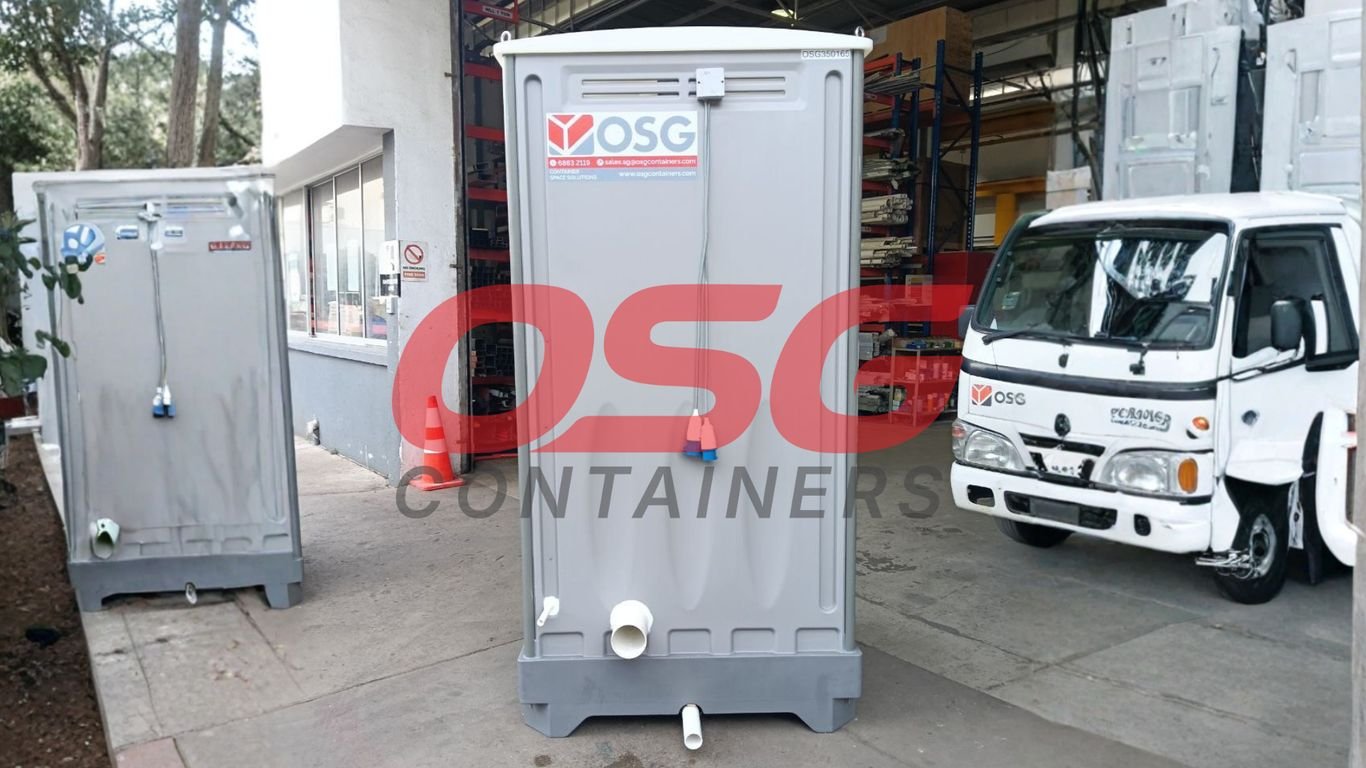
Renting a portable toilet for an event or work site in Singapore might seem straightforward. You need a place for people to go, right? But it’s easy to overlook the little things that can make a big difference. From figuring out how many units you actually need to understanding the fine print on the rental agreement, there’s more to it than just picking a model. Let’s talk about what people often forget when sorting out their mobile toilet Singapore needs.
Key Takeaways
- Figure out how many portable toilets you’ll need based on your event size, how long it is, and if alcohol is being served. It’s better to have a couple extra than not enough.
- Think about where the toilets will go. Can the delivery truck get there easily? Is there enough space? Consider how far people will have to walk to get to them.
- Don’t forget about the practical stuff like handwashing. Most rentals can include sinks or sanitiser stations, which are a big plus for hygiene.
- Read the rental contract carefully. Understand what’s included, like delivery, pickup, and any cleaning services. Ask about emergency support too.
- Check local rules. Singapore has regulations for waste disposal and sanitation, so make sure your rental company follows them and you have any necessary permits.
Understanding Your Mobile Toilet Singapore Needs
Before you even start looking at different portable toilet models or companies in Singapore, you really need to think about what you’ll actually be using them for. It sounds obvious, right? But people often get caught up in the fancy features or the cheapest price and forget the basics. This can lead to a whole lot of hassle later on.
Assessing Event Size and Duration
How many people are you expecting? And for how long will they need facilities? These two questions are super important. A small backyard party for a few hours is a totally different beast than a multi-day music festival. You don’t want to run out of toilet paper or have overflowing tanks because you underestimated the crowd. It’s better to have a little extra capacity than not enough.
- Small Gatherings (under 50 people, < 4 hours): Basic units might suffice.
- Medium Events (50-200 people, 4-8 hours): Consider units with larger holding tanks and perhaps more frequent servicing.
- Large Events (200+ people, 8+ hours): You’ll need multiple units, possibly with higher capacity tanks, and a clear servicing schedule.
Considering Site Accessibility for Delivery
Think about where the toilets need to go. Can a truck actually get there? Are there narrow gates, steep slopes, or uneven ground? Mobile toilets, especially when they’re full, can be heavy. The delivery and pickup crew need to be able to maneuver them safely. If your site is tricky, you might need to arrange for a smaller delivery vehicle or clear a path beforehand. Don’t assume the delivery truck can just drive anywhere.
Determining Waste Management Requirements
What happens to the waste? Most rentals include basic waste removal, but you need to know the frequency. For longer events or sites without easy access to a sewage hookup, you might need more frequent emptying. Some units have separate tanks for liquids and solids, which can sometimes make disposal a bit easier or more efficient, depending on the setup.
It’s easy to overlook the practicalities of waste. Remember that these units need to be emptied regularly to remain functional and hygienic. Factor in the logistics and potential costs associated with waste disposal, especially for extended rentals or remote locations.
Key Features to Look For in Mobile Toilets
When you’re looking to rent a mobile toilet in Singapore, it’s easy to get caught up in the big picture – how many do I need, and for how long? But the actual unit itself has features that can make a world of difference. Let’s break down what really matters.
Capacity and Tank Size
This is pretty straightforward, but often overlooked. You don’t want a situation where the toilets are constantly full, leading to unpleasantness and frequent servicing needs. Think about how many people will be using the toilet and for how long. A larger event or a longer rental period will obviously require units with bigger waste tanks. It’s not just about comfort; it’s about efficiency and reducing the number of times a service vehicle needs to visit your site.
Here’s a general idea, though always confirm with your rental provider:
| Unit Type | Typical Tank Capacity (Gallons) | Estimated Uses Before Servicing |
|---|---|---|
| Standard Portable Toilet | 50-60 | 150-200 |
| Large Portable Toilet | 70-90 | 200-300 |
A bigger tank generally means fewer interruptions and less hassle.
Odor Control and Sanitation Features
Let’s be honest, nobody wants to deal with bad smells. Modern mobile toilets come with various systems to combat this. Some use chemical treatments that break down waste and control odors. Others might have ventilation systems or special deodorizing fluids. When you’re inspecting potential units, ask about their odor control mechanisms. It’s also worth inquiring about the type of cleaning agents used, especially if you have guests with sensitivities.
Key sanitation features to ask about:
- Chemical treatments: What kind of chemicals are used, and are they environmentally friendly?
- Ventilation: Does the unit have adequate ventilation to prevent stale air?
- Self-contained tanks: How well are these sealed to prevent leaks and smells?
The effectiveness of odor control can significantly impact user experience. Don’t underestimate its importance, especially for events where comfort is a priority.
Ease of Cleaning and Maintenance
While you’re renting, the rental company handles the deep cleaning and servicing. However, the design of the toilet can still affect how easily it’s kept tidy throughout the rental period. Look for units with smooth surfaces that are easy to wipe down. Features like a non-stick bowl coating can make a difference. For the rental company, ease of cleaning translates to more efficient servicing, which can sometimes reflect in rental costs or service frequency. If you’re managing a site with high usage, a unit that’s simple to maintain between professional cleanings is a plus.
Beyond the Basics: Essential Mobile Toilet Considerations
So, you’ve figured out how many toilets you need and where they’ll go. Great! But hold on, there’s a bit more to think about before you just book the first thing you see. We’re talking about the stuff that can make or break the experience for your guests or workers.
Privacy and Comfort Amenities
This is where you go from just providing a place to go, to providing a pleasant place to go. Think about it: nobody likes feeling exposed or uncomfortable. For events, especially, you want people to have a good time, and a dodgy toilet situation can really put a damper on things. For construction sites, it’s about basic human dignity and making sure your crew is as comfortable as possible.
- Locking doors: Seems obvious, but double-check that the locks are sturdy and actually work. Nothing worse than a door that won’t stay shut.
- Shelving or hooks: A small shelf or a hook inside is a lifesaver for bags, jackets, or even just a phone.
- Mirrors: A small, shatterproof mirror can be a nice touch, especially for events where people might want to freshen up.
- Ventilation: Good airflow makes a huge difference in keeping things fresh.
Sometimes, the simplest additions make the biggest difference. A little thought put into the user’s experience can turn a basic necessity into something that’s actually not bad to use.
Handwashing and Sanitization Stations
This is non-negotiable, folks. Hygiene is key, and you absolutely need proper handwashing facilities. Relying solely on hand sanitizer isn’t enough, especially after using the toilet.
- Running water: Look for units that offer actual running water, not just a small dispenser.
- Soap and paper towels: Make sure these are consistently restocked. Nothing is more frustrating than finding an empty soap dispenser.
- Waste bins: Provide bins for used paper towels so the area stays tidy.
Lighting for Nighttime Use
If your event or work goes into the evening or night, lighting is a must. Tripping in the dark is not only embarrassing, it’s dangerous. Most standard portable toilets don’t come with built-in lighting, so you’ll need to specifically request or arrange for it.
- Internal lighting: Some units can be fitted with battery-operated lights inside.
- External lighting: Consider pathway lighting leading to the toilets, especially if they’re located away from main areas.
- Solar options: If available, solar-powered lights can be a good eco-friendly choice.
The Practicalities of Mobile Toilet Rental in Singapore
Renting mobile toilets in Singapore might seem straightforward, but there are a few practical details that often slip people’s minds. It’s not just about booking a unit; it’s about making sure everything runs smoothly from start to finish. Think about it like setting up a temporary office in a 40 foot container – you need to consider more than just the container itself.
Delivery and Pickup Logistics
Getting the toilets to your site and then getting them picked up is a big part of the rental process. You need to know when they’ll arrive and when they’ll be taken away. This is especially important for events with tight schedules. Some companies might have specific delivery windows, and you’ll need to be there to accept them. The same goes for pickup; you don’t want to be charged extra because the unit was still there after your rental period ended.
- Confirm delivery times: Make sure you know the exact date and time the toilets will arrive.
- Site access: Ensure the delivery vehicle can easily reach the drop-off location. Are there any gates, narrow paths, or overhead obstructions?
- Pickup arrangements: Clarify the pickup process and schedule.
- Weekend/Holiday considerations: Some services might charge extra or have limited availability on weekends or public holidays.
Understanding Rental Costs and Contracts
Costs can add up, and it’s not always just the base rental fee. You’ve got to read the fine print on the contract. What’s included? Are there extra charges for cleaning, servicing, or even for using more waste capacity than initially estimated? It’s like when you’re looking at the rental of containers; the price you see might not be the final price once you factor in delivery and any modifications.
Here’s a quick breakdown of what to watch out for:
| Cost Item | Details |
|---|---|
| Base Rental Fee | The cost for the toilet unit itself for the agreed period. |
| Delivery & Pickup Fee | Charges for transporting the unit to and from your site. |
| Servicing Fee | Regular emptying and cleaning, especially for longer rentals. |
| Damage Waiver | Optional insurance against accidental damage. |
| Extra Waste Disposal | Fees if the waste tank exceeds its capacity. |
Emergency Support and Servicing
What happens if something goes wrong? A mobile toilet might get clogged, or a tank might fill up faster than expected. Reliable emergency support is non-negotiable. You need to know who to call and what their response time is. For longer events or construction sites, regular servicing is key to maintaining hygiene and preventing issues. This is similar to needing support for a temporary site solution, whether it’s a toilet or a containers office setup. You don’t want to be left in a lurch.
Don’t assume that basic servicing is included. Always clarify the frequency and what it entails. A clean and functional toilet is paramount for user satisfaction and health, especially in Singapore’s climate.
Choosing the Right Mobile Toilet for Different Occasions
So, you’ve got an event or a project coming up in Singapore, and you know you’ll need some portable toilets. Great! But here’s the thing: not all portable toilets are created equal, and picking the wrong one can lead to some awkward situations. It’s not just about having a toilet; it’s about having the right toilet for the job. Let’s break down how to pick the best fit for whatever you’ve got planned.
Event-Specific Toilet Requirements
Events are all about the guests, right? And that means comfort and convenience are key. Think about the vibe of your event. Is it a fancy wedding, a casual outdoor concert, or a corporate function? Each calls for a different level of service.
- Weddings & Formal Gatherings: You’ll want something that looks good and feels comfortable. Think units with flushing capabilities, proper ventilation, and maybe even a small vanity area. These often come with attendants to keep them spotless throughout the event.
- Concerts & Festivals: These usually mean high traffic. You need units that can handle a lot of use and are easy to service quickly. Durability and good odor control are super important here. Basic, no-frills units are common, but make sure there are enough of them!
- Sporting Events & Fairs: Similar to concerts, these need to be robust. Consider units with larger waste tanks if the event is long. Easy access for attendees is also a big plus.
For any event, consider adding handwashing stations or sanitizing dispensers right next to the toilets. It’s a small touch that makes a big difference in hygiene and guest satisfaction.
Construction Site Needs
Construction sites are a whole different ballgame. These toilets are workhorses, and they need to be tough and functional. The priority here is practicality and durability over aesthetics.
- Durability: Units need to withstand rough conditions and frequent use by workers. Heavy-duty plastic is standard.
- Frequency of Servicing: Depending on the number of workers and the duration of the project, you’ll need to schedule regular waste removal. It’s often best to have a plan for weekly or bi-weekly servicing.
- Basic Functionality: Most construction sites opt for standard porta-potties. They’re cost-effective and do the job. Some might include a small urinal to help reduce tank fill-up times.
On a construction site, the toilet is often the only facility available for a long stretch. It needs to be reliable, easy to access, and serviced consistently to maintain a decent working environment for everyone on site. Don’t skimp on the servicing schedule; it’s not just about comfort, it’s about health and safety too.
Temporary Site Solutions
Sometimes, you just need a temporary fix. This could be for anything from a film shoot to a pop-up market, or even just a short-term overflow need at a busy venue. The key here is flexibility and speed.
- Quick Deployment: You need units that can be delivered and set up fast. Standard porta-potties are usually the go-to for this.
- Scalability: Can you easily add more units if your needs change? Renting companies should be able to accommodate last-minute adjustments.
- Cost-Effectiveness: For short-term needs, you don’t want to break the bank. Basic models are usually the most economical choice.
Here’s a quick look at common types and their typical uses:
| Toilet Type | Best For | Key Considerations |
|---|---|---|
| Standard Porta-Potty | Construction, Festivals, Short-term Events | Durability, Cost-effectiveness, Basic functionality |
| Flushing Unit | Weddings, Corporate Events, VIP Areas | Comfort, Hygiene, Aesthetics, Servicing |
| ADA Compliant Unit | Events/Sites needing accessibility | Space requirements, Ease of use for all |
| Luxury Trailer | High-end events, Weddings, Film Shoots | Comfort, Amenities, Ambiance, Higher cost |
Choosing the right mobile toilet really boils down to understanding the specific demands of your situation. Think about who will be using it, for how long, and under what conditions. Getting this right means a smoother experience for everyone involved.
Environmental and Regulatory Aspects
Waste Disposal Regulations
When you rent portable toilets in Singapore, you’re not just thinking about where to put them. You also have to consider what happens to the waste. Singapore has pretty strict rules about how human waste is handled to keep things clean and safe. Companies that rent out these toilets usually take care of the disposal for you, but it’s good to know what’s involved. They’re supposed to transport the waste to approved treatment facilities. It’s illegal to just dump it anywhere.
Eco-Friendly Options
Thinking green is becoming a bigger deal everywhere, and portable toilets are no exception. Some rental companies are starting to offer more environmentally friendly options. These might include toilets that use less water or even composting toilets, though those are less common for short-term rentals and more for specific long-term setups. If you’re planning a big event and want to reduce your footprint, ask about these greener choices. It might cost a little more, but it’s a nice way to be more responsible.
Permits and Compliance
Depending on where you’re setting up your portable toilets – like a public park or a busy street – you might need permits. This is especially true for longer-term rentals or larger events. The rental company should be able to guide you on this, but ultimately, it’s often the renter’s responsibility to make sure all the necessary paperwork is in order. Not having the right permits can lead to fines or having to move the units, which is a hassle nobody wants.
Here’s a quick rundown of what to keep in mind:
- Disposal: Always confirm the rental company’s disposal plan. Are they using licensed facilities?
- Regulations: Check with local authorities (like the National Environment Agency) if you’re unsure about specific rules for your location.
- Sustainability: Inquire about water-saving features or biodegradable cleaning solutions if environmental impact is a concern.
It’s easy to overlook the behind-the-scenes stuff when you’re focused on the event itself. But proper waste management and following the rules are super important for public health and avoiding trouble. Make sure you and your rental provider are on the same page about these details before you sign anything.
Wrapping It Up
So, when you’re planning that event or project in Singapore and thinking about renting portable toilets, remember it’s more than just picking a number. We’ve talked about things like how often you’ll need to empty them, how easy they are to clean, and even where you’ll put them. Don’t just go for the cheapest option without looking into these details. A little extra thought now can save you a lot of hassle and keep your guests or workers happier later on. It’s easy to forget these bits when you’re focused on the main event, but trust me, a well-thought-out toilet plan makes a big difference.
Frequently Asked Questions
How do I know how many portable toilets I need for my event in Singapore?
Think about how many people will be there and how long your event will last. More people and longer events mean you’ll need more toilets. It’s always better to have a couple of extra just in case!
What if the portable toilet delivery truck can’t get to my location easily?
Make sure to tell the rental company about your site’s access. If it’s a tight spot or has tricky terrain, they need to know beforehand so they can plan the delivery or suggest a more suitable toilet type.
Are portable toilets smelly?
Modern portable toilets have good odor control systems. Many come with special chemicals that break down waste and reduce smells. Regular cleaning and proper maintenance also help a lot.
What about washing hands after using the portable toilet?
Most rental companies offer units with built-in handwashing stations or separate hand sanitizer dispensers. It’s important to have these available for good hygiene, especially at larger events.
How does waste get disposed of from these toilets?
The rental company is responsible for picking up the waste. They have special trucks to empty the tanks and dispose of the waste according to environmental rules. You don’t have to worry about that part.
Can I rent portable toilets for a construction site in Singapore?
Absolutely! Construction sites often need portable toilets for workers. They are a practical solution for temporary sites where permanent facilities aren’t available. Just make sure to discuss the duration and number needed with the rental company.