Singapore
 Australia
 Indonesia
 Japan
Japan Malaysia
 New Zealand
 Philippines
 South Korea
 Taiwan
 Thailand
 VIETNAM
So, you’re thinking about a 20 ft sea container for your shipping needs? It’s a pretty popular choice, and for good reason. These things are tough, not too big, and can be used for all sorts of stuff beyond just moving goods overseas. Whether you’re a small business owner, a contractor, or just need some extra secure storage, this size container really hits a sweet spot. Let’s break down why it might be just what you’re looking for.
Key Takeaways
- A 20 ft sea container is a great size for smaller shipping jobs, making it easier to handle and move around.
- These containers are built strong, offering good protection for your stuff against weather and theft.
- They’re a cost-effective option for many businesses because you’re not paying for extra space you don’t need.
- Beyond shipping, they work well for on-site storage, makeshift offices, or even pop-up shops.
- When buying or renting, check the condition of the container and find a seller you can trust for fair prices and good service.
Understanding The 20 Ft Sea Container
Compact Dimensions and Capacity
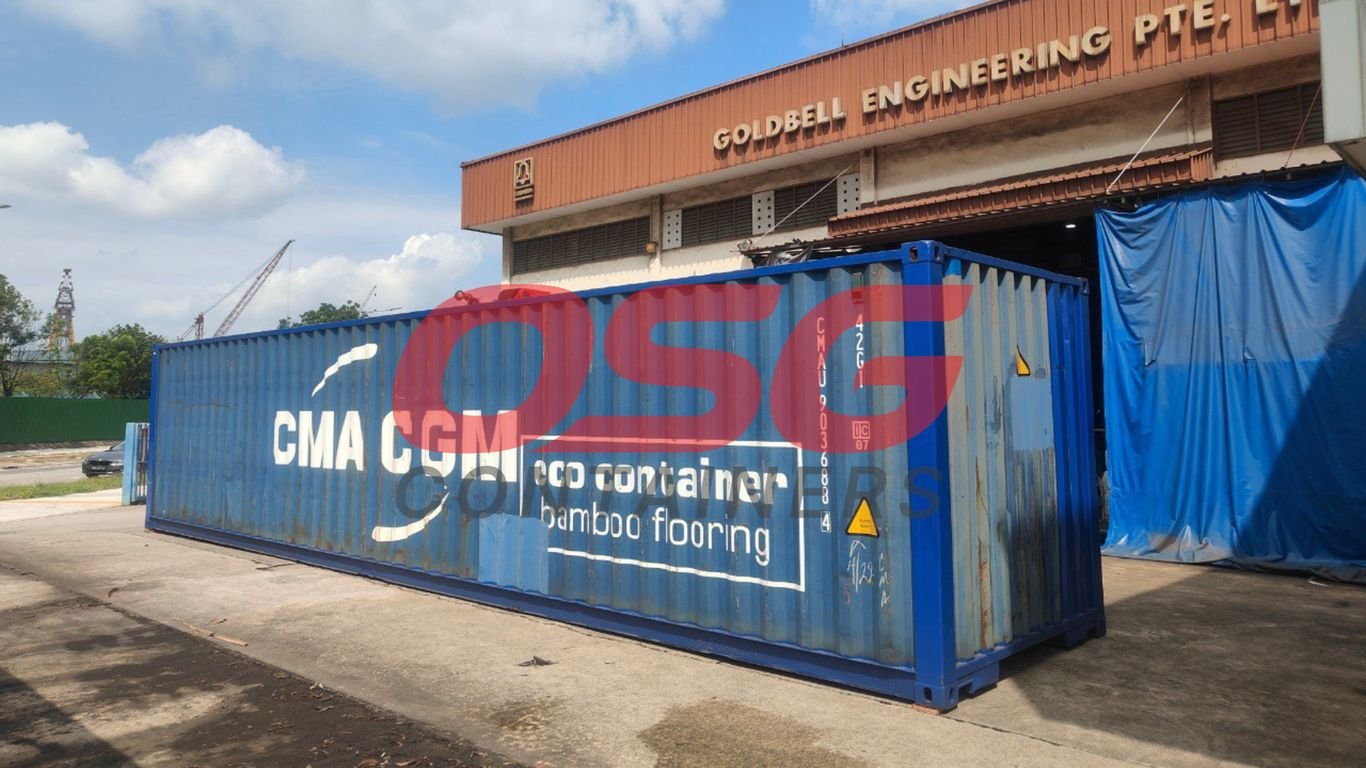
A 20-foot sea container, often called a ‘twenty-footer’, is a standard piece of equipment in global trade. It’s not just a box; it’s a carefully designed unit for moving goods. When we talk about its size, we’re usually looking at the outside measurements first. Typically, a standard 20-foot container is 20 feet long, 8 feet wide, and 8.5 feet high. Inside, though, the walls take up a little space, so you get about 1,170 cubic feet to work with. That’s a decent amount of room for a lot of stuff.
To give you a better idea of what fits, think about this:
- Household Goods: Enough to pack up a 2-3 bedroom apartment, including furniture and appliances.
- Commercial Goods: You can fit around 10 standard pallets, which is great for businesses moving inventory.
- Vehicles: Depending on the size, you might fit one car or a couple of motorcycles.
It’s important to remember the weight limits too. While you can fit a lot, the container itself has a maximum payload capacity, usually around 28,000 kg (about 62,000 lbs). So, packing heavy items needs careful thought.
Robust Construction and Security Features
These containers are built tough. They’re made from strong corrugated steel, which means they can handle rough handling during shipping and protect your cargo from pretty much anything the weather throws at them. Think heavy rain, strong winds, and salty sea air – they’re designed to withstand it all. The steel walls, reinforced corners, and secure locking mechanisms are there to keep your goods safe.
The strength of a cargo container isn’t just about keeping things in; it’s also about keeping unwanted things out. The steel construction and the way the doors seal are key to preventing damage and theft.
Versatile Door Configurations
Most 20-foot containers come with standard double doors on one end. These doors open wide, making it pretty easy to load and unload with forklifts or by hand. For some specific needs, you might find containers with other door setups, like side doors or even roll-up doors, though these are less common on standard models. The standard double doors are usually what you’ll see and work with, and they’re designed for practical access.
Key Advantages of a 20 Ft Sea Container
Cost-Effective Shipping Solution
When you’re not shipping enough to fill a massive container, a 20-footer makes a lot of sense. You’re not paying for empty space, which can really add up. It’s a smart way to move smaller loads without breaking the bank. Think of it like buying just the amount of fabric you need for a project, instead of a whole bolt. This makes it a go-to for small businesses, people moving homes, or anyone with a moderate amount of stuff to send.
Maneuverability and Handling Benefits
These containers are easier to get around. Because they’re smaller, they fit into more places, whether that’s a tight port or a busy job site. Cranes can lift them without a fuss, and trucks can haul them around more easily. This means less hassle and often quicker turnaround times. It’s a big deal when you’re trying to keep things moving smoothly.
Durability and Weather Resistance
Built from strong steel, these containers are tough. They’re designed to handle rough seas and all sorts of weather. So, whether it’s rain, wind, or sun, your stuff inside stays protected. This robust build also means they’re pretty secure against theft. You can feel pretty good about what’s inside staying safe and sound.
The real beauty of a 20 ft container lies in its balance. It’s big enough to hold a decent amount of goods, but small enough to be handled without needing massive industrial equipment or taking up huge amounts of space. This makes it incredibly practical for a wide variety of uses, from simple storage to more complex projects.
Here’s a quick look at what a standard 20 ft container can hold:
- Household Goods: Enough for a 2-3 bedroom apartment or house, if packed well.
- Pallets: Typically up to 10 standard pallets.
- Vehicles: One standard car or a couple of motorcycles.
- Equipment: Tools, small machinery, or construction materials.
Diverse Applications for Your 20 Ft Sea Container
On-Site Storage and Inventory Management
Think of a 20 ft container as a super tough, portable storage unit. It’s perfect for keeping tools and materials safe on a construction site, or for businesses that need extra space for inventory but don’t want to rent a warehouse. They’re really good at keeping stuff dry and secure, no matter the weather. Plus, you can just move it where you need it.
Portable Offices and Workspaces
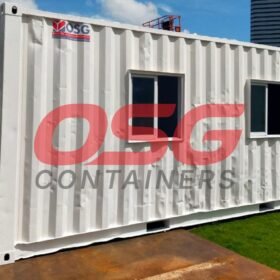
These containers are surprisingly adaptable. You can easily convert one into a functional office space, especially if you work on different sites or need a temporary setup. Imagine having a quiet, secure place to work right where the action is. It’s a solid option for project managers, site supervisors, or even small businesses looking for a dedicated workspace that isn’t tied down.
Innovative Retail and Pop-Up Solutions
Forget traditional storefronts for a moment. A 20 ft container can become a really cool, unique shop or cafe. Businesses are using them for pop-up events, farmers’ markets, or even as semi-permanent kiosks. It’s a fantastic way to test a market or reach customers in new locations without a huge commitment. The industrial look can be a real draw, too.
Emergency Shelters and Humanitarian Aid
In tough situations, like after a natural disaster, these containers can be a lifesaver. They can be quickly deployed to provide immediate, secure shelter for people who have lost their homes. Their sturdy build offers protection from the elements, and they can be outfitted with basic necessities. It’s a practical way to offer a safe haven when it’s needed most.
Acquiring Your 20 Ft Sea Container
Purchasing Options: New vs. Used
When you decide to get a 20 ft container, you’ve got a couple of main paths to go down: buying new or buying used. New containers are, well, new. They haven’t been used for shipping, so they’re usually in pristine condition, often called ‘one-trip’ containers because they’ve only made one journey. They’re great if you need something perfect, maybe for a modification project or if you just want the best. On the other hand, used containers have seen some action. They can range from ‘wind and watertight’ (WWT) to ‘cargo worthy’ (CW). WWT means it’s still sealed up tight against the elements, which is usually good enough for most storage needs. CW means it’s structurally sound enough for shipping, but might have some dents or rust. Buying used is often a lot cheaper, making it a popular choice for budget-conscious buyers. You might even find options like a 40 high q container if you need more space, though we’re focusing on the 20 ft here.
Flexible Rental Agreements
Sometimes, buying outright just doesn’t make sense. Maybe you only need storage for a few months, or you’re working on a short-term project. That’s where renting a container comes in handy. You can rent a 20 ft container for exactly as long as you need it. It’s a pretty straightforward process: you pick the container, agree on the rental period, and pay a monthly fee. This way, you avoid the upfront cost of buying and don’t have to worry about what to do with the container once your project is done. It’s a flexible solution that works for a lot of different situations, from temporary event storage to extra inventory space during a busy season.
Rent-to-Own Programs
What if you’re not sure if you want to commit to buying, but renting feels too temporary? There’s a middle ground: rent-to-own programs. These programs let you rent a container with the option to buy it later. You make monthly payments, and a portion of that payment usually goes towards the purchase price. It’s a good way to try out having a container without a huge initial investment. If you decide you like it and want to keep it, you’ve already paid down some of the cost. These programs often have flexible terms, sometimes with no credit check needed, which can be a big plus. It’s a way to gradually own the container without the pressure of a large upfront purchase.
When looking into acquiring a container, whether you buy, rent, or go for a rent-to-own plan, always check the specifics of the agreement. Understand what’s included, any potential fees, and the condition of the container you’re getting. Clear communication with the supplier is key to a smooth experience.
Maximizing Your 20 Ft Sea Container Investment
So you’ve got your 20 ft sea container, maybe for storage, maybe for a project. That’s great! But how do you make sure you’re getting the most out of it? It’s not just about having the space; it’s about using that space smartly and keeping your stuff safe. Think of it like organizing your garage – a little effort goes a long way.
Essential Accessories for Organization
Getting organized inside your container can make a huge difference. You don’t want to be digging around for something you need, right? Shelving and racking systems are your best friend here. They let you use the vertical space, keeping things tidy and accessible. Whether you’re storing tools, inventory, or supplies, shelves make it easy to find what you’re looking for. Ramps are also a good idea if you’ll be moving heavy items in and out regularly. They make the whole process much smoother and safer.
Ensuring Security with Locks and Boxes
Security is a big deal, no matter where your container is. You want to know your belongings are protected. Good locks are a must, but a lock box takes it a step further. A lock box covers your padlock, making it much harder for someone to tamper with or cut it off. It’s a simple addition that adds a significant layer of security. When looking at options, consider where your container will be located – a remote site might need a more robust security setup than one in a supervised yard. If you’re shipping goods internationally, like through a provider in container singapore, security during transit is also paramount.
Strategic Packing and Weight Considerations
How you pack your container matters. Packing efficiently means you can fit more in, or at least make it easier to access what you need. It’s also really important to think about weight distribution. Spreading the weight evenly helps prevent damage to the container and makes it safer to move. Remember, there’s a weight limit, and going over it can cause problems. It’s good to have a rough idea of how much your items weigh before you start loading.
Here’s a quick look at typical capacities:
| Feature | 20ft Standard Dry Van | 20ft High Cube |
|---|---|---|
| Max Payload | ~28,200 kg | ~28,160 kg |
| Cubic Capacity | ~33.2 m³ | ~37.28 m³ |
Always check the specific weight limits for your container model and be mindful of how you distribute heavier items. Proper packing isn’t just about space; it’s about safety and longevity of the container itself.
Finding Reliable Sellers and Competitive Pricing
So, you’ve decided a 20 ft container is the way to go. Awesome! Now comes the part where you actually find one without getting ripped off or ending up with a rusty box that leaks. It’s not as complicated as it sounds, but you do need to know what you’re looking for.
Identifying Trustworthy Suppliers
When you’re shopping around, you want to deal with people who know their stuff and are honest about it. Look for companies that have been around for a while and have good reviews. A seller with a solid track record and happy customers is usually a safe bet. Check out their website, see if they have clear contact information, and don’t be afraid to ask questions. A good supplier will be happy to answer them.
Here are a few things to keep in mind when vetting a seller:
- Customer Reviews: What are other people saying? Look for consistent positive feedback.
- Years in Business: Longevity often means they know what they’re doing.
- Transparency: Are their prices clear? Do they explain their container grades?
- Communication: Do they respond quickly and clearly to your inquiries?
Understanding Container Grades and Conditions
Containers aren’t all created equal. They come in different conditions, and the price reflects that. You’ll usually see terms like ‘new,’ ‘used,’ ‘one-trip,’ or ‘wind and watertight’ (WWT). A ‘one-trip’ container is basically as close to new as you can get without paying brand-new prices. Used containers can vary a lot, so inspect them carefully if you can.
Here’s a quick rundown of common conditions:
- New/One-Trip: Minimal to no wear, often just used for a single shipment.
- Cargo Worthy (CW): Structurally sound and can be used for shipping, but might have dents and rust.
- Wind and Watertight (WWT): No holes, keeps the weather out, but might have cosmetic issues.
- As-Is: Cheapest option, condition can vary wildly, best for non-critical storage.
Always ask for photos or, even better, see the container in person before you buy, especially if you’re going for a used option. It’s better to be safe than sorry.
Navigating Delivery and Setup Processes
Once you’ve picked your container and seller, you need to figure out how it’s getting to you and where it’s going to sit. Delivery costs can add up, so get a clear quote upfront. Some companies include delivery in the price, while others charge extra. Also, think about the ground where the container will be placed – it needs to be level and firm to prevent any issues.
Consider these points for delivery:
- Delivery Fees: Get a detailed breakdown of all costs.
- Site Preparation: Is the ground ready for the container?
- Access: Can the delivery truck easily reach the drop-off spot?
- Setup: Does the seller offer any assistance with placement?
Wrapping It Up
So, there you have it. The 20-foot container really is a solid choice for a lot of different jobs. Whether you’re shipping goods, need some extra storage space on your property, or even thinking about building something cool with it, this container packs a punch. It’s tough, it’s not too big to handle, and it won’t break the bank like some of the larger options. For anyone dealing with smaller loads or looking for a flexible storage solution, this container just makes sense. It’s a workhorse that gets the job done without a fuss.
Frequently Asked Questions
What are the exact outside and inside measurements of a 20 ft container?
A standard 20-foot container usually measures 20 feet long, 8 feet wide, and 8.5 feet tall on the outside. Inside, it’s a bit smaller because of the walls, giving you about 19.4 feet of length, 7.8 feet of width, and 7.9 feet of height. This space is roughly 1,170 cubic feet, which is enough room for many things!
Can a 20 ft container hold a car?
Yes, a 20-foot container can typically fit one large car or two smaller cars. It’s also great for motorcycles or ATVs. Just make sure to pack it carefully to keep everything safe during transport.
What’s the difference between a standard 20 ft container and a High Cube container?
The main difference is height! A High Cube container is about a foot taller than a standard one. This gives you more space, which can be really helpful if you’re turning it into an office or a small living space. Standard ones are 8.5 feet tall, while High Cubes are 9.5 feet tall.
How much weight can a 20 ft container hold?
A 20-foot container can carry a lot! Its maximum weight capacity is around 55,000 pounds, but the actual amount of stuff you can put in it (payload) is closer to 28,000 kg or about 62,000 pounds. Always check the specific weight limit for your container.
What are some common uses for a 20 ft container besides shipping?
These containers are super useful for more than just shipping! People use them for on-site storage on construction sites, as portable offices, for pop-up shops, and even as emergency shelters. Their strong build makes them great for all sorts of projects.
Is it better to buy a new or used 20 ft container?
It really depends on your budget and needs. New containers are in perfect condition but cost more. Used containers are cheaper and can still be in great shape, especially if you look for ‘cargo-worthy’ or ‘wind and watertight’ grades. Renting or rent-to-own are also good options if you don’t need it forever.