Singapore
 Australia
 Indonesia
 Japan
Japan Malaysia
 New Zealand
 Philippines
 South Korea
 Taiwan
 Thailand
 VIETNAM
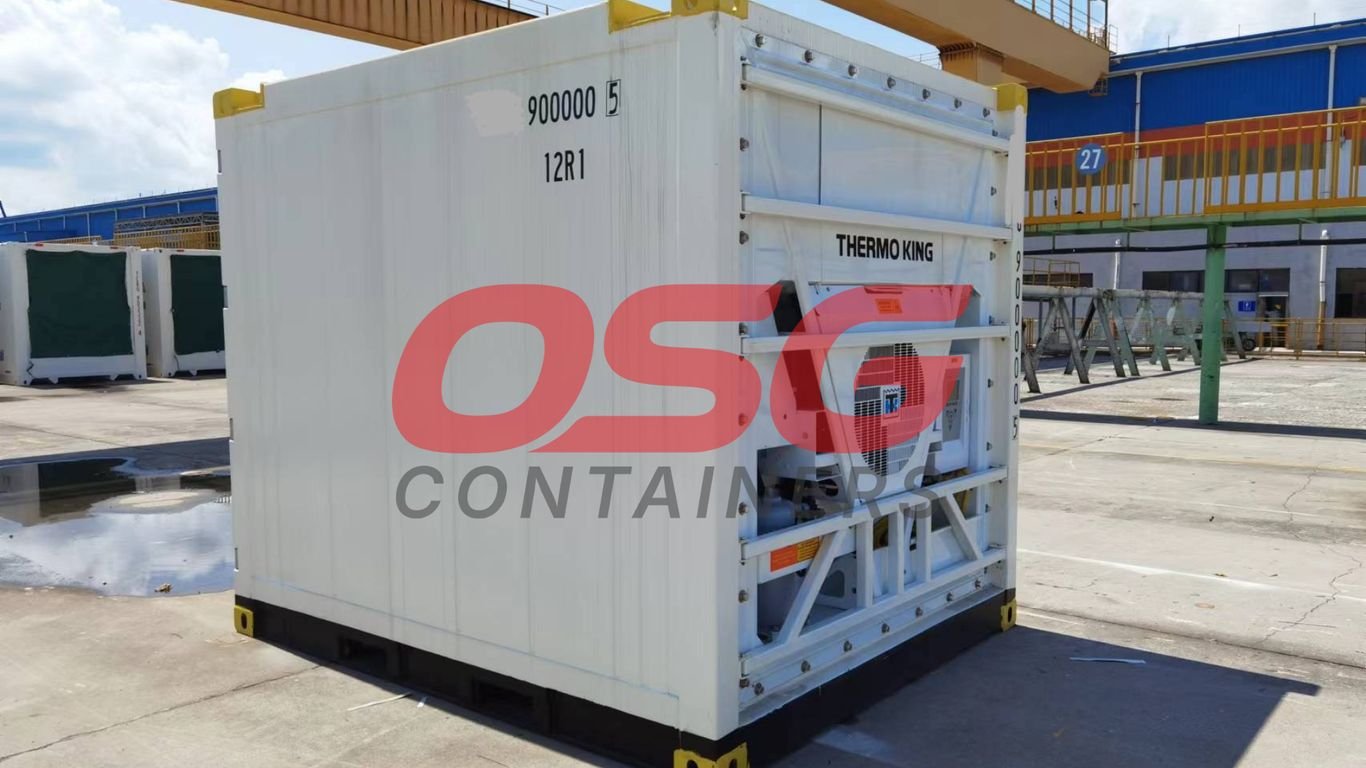
Shipping temperature-sensitive items across the globe is a big deal. You can’t just toss some fresh strawberries or delicate medicine into any old box and hope for the best. That’s where the reefer container comes in. Think of it as a mobile, super-controlled fridge on a ship, truck, or train. It keeps things just right, from frozen peas to special chemicals, making sure they arrive in perfect condition. This whole system is pretty amazing and keeps a lot of world trade moving.
Key Takeaways
- A reefer container is basically a refrigerated shipping box that keeps goods at a specific temperature and humidity.
- These containers are vital for shipping all sorts of things that can spoil, like food, flowers, and medicines.
- Keeping the temperature just right inside a reefer container is super important to prevent damage or spoilage.
- Modern reefer containers use advanced systems for cooling, humidity control, and monitoring, often with backup power like generator sets (gensets).
- There are different sizes and types of reefer containers, including special ones like Modified Atmosphere/Controlled Atmosphere (MA/CA) units for extra sensitive cargo.
The Crucial Role of the Reefer Container in Global Trade
Understanding Refrigerated Containers
Refrigerated containers, or reefers as they’re commonly called, are pretty much the backbone of moving anything perishable around the world. Think about it: without them, that fresh fruit you bought yesterday, the medicine that keeps someone healthy, or even certain electronics wouldn’t make it to you in good condition. These aren’t your average shipping boxes; they’re like mobile, climate-controlled warehouses. They keep things at just the right temperature and humidity, stopping spoilage and damage during those long journeys across oceans and continents. This ability to maintain precise conditions is what allows us to have a global marketplace for goods that would otherwise rot or degrade quickly.
Basic Components of a Reefer Container
So, what makes a reefer tick? It’s a combination of a few key parts working together:
- Insulation: The walls, floor, and ceiling are heavily insulated, much like a high-end cooler, to keep the outside temperature out and the inside temperature stable.
- Refrigeration Unit: This is the heart of the system, a powerful cooling machine that actively chills the air inside.
- Temperature Control System: This is the brain, constantly monitoring the internal temperature and telling the refrigeration unit when to kick in or shut off to maintain the set point.
- Power Supply: Reefers need a constant power source, usually from the ship, a generator set (genset), or shore power when docked.
These containers are designed to handle a wide range of temperatures, from just above freezing for chilled goods to well below zero for frozen items. The engineering behind them is quite sophisticated, balancing energy efficiency with the need for robust cooling.
The Reefer Container’s Impact on World Trade
It’s hard to overstate how much reefers have changed global trade. Before them, international trade in perishable items was extremely limited. Now, we can ship things like:
- Fresh produce (fruits, vegetables)
- Dairy products and meats
- Pharmaceuticals and vaccines
- Certain chemicals and electronics
This has opened up new markets for producers and given consumers access to a wider variety of goods year-round. It also means that countries can specialize in what they grow or produce best, knowing they can reliably export it. The sheer volume of temperature-sensitive goods moved daily is staggering, and it all relies on these specialized containers.
Precision Temperature Control Within the Reefer Container
Maintaining Optimal Temperature Settings
Keeping things at just the right temperature is the whole point of a reefer, right? It’s not just about making it cold; it’s about hitting a very specific temperature and staying there. Different products need different conditions. For example, fresh berries might need to be kept just above freezing, say around 1°C (34°F), while frozen fish needs to be much colder, like -18°C (0°F). Even slight variations can mess things up, leading to spoilage or a loss of quality. The cooling system inside a reefer works hard to remove heat generated by the cargo itself and any heat that seeps in from the outside. It’s a constant balancing act.
Humidity Control for Cargo Integrity
Temperature is only half the story. Humidity, or the amount of moisture in the air inside the container, is just as important for a lot of goods. Too much humidity can encourage mold and bacterial growth, which is bad news for things like electronics or even some types of produce. On the other hand, air that’s too dry can cause fresh products to lose water and wilt, making them less appealing or even unusable. Reefers have systems that can both add and remove moisture to keep the relative humidity within a specific range, often between 60% and 95%, depending on what’s being shipped. This careful management of moisture helps keep everything from pharmaceuticals to delicate fruits in good shape.
The Science Behind Reefer Cooling Systems
So, how does all this temperature and humidity control actually happen? It’s pretty clever, really. Most modern reefers use a vapor-compression refrigeration cycle, similar to what’s in your home fridge but much more robust. Here’s a simplified look:
- Compressor: This is the heart of the system. It takes a refrigerant gas and squeezes it, making it hot and high-pressure.
- Condenser: The hot gas flows through coils where it releases its heat to the outside air (or sometimes water). As it cools, it turns into a high-pressure liquid.
- Expansion Valve: This valve restricts the flow of the liquid refrigerant, causing a sudden drop in pressure and temperature.
- Evaporator: The cold, low-pressure refrigerant then flows through coils inside the container. It absorbs heat from the air inside the container, cooling the air down. As it absorbs heat, the refrigerant turns back into a gas, and the cycle starts again.
Water that condenses on the cold evaporator coils is collected and usually drained out of the container. Fans are used throughout the system to move air over the coils and circulate it within the container, making sure the temperature and humidity are consistent everywhere.
The goal is to create a stable micro-environment inside the container that mimics the ideal conditions for the specific cargo, preventing spoilage and preserving quality throughout its journey across oceans and continents. It’s a complex dance of thermodynamics and engineering working to keep our global supply chain moving.
Advanced Monitoring Systems for Reefer Containers
Why a Reefer Monitoring System Improves Productivity
Keeping tabs on refrigerated containers, or reefers, is a big deal for a lot of businesses. Think about all the stuff that needs to stay at a specific temperature – fruits, veggies, medicines, even some electronics. If the temperature goes off, even for a little while, the whole shipment can be ruined. That means lost money and unhappy customers. Old ways of checking things manually just don’t cut it anymore. What people want now is a system that watches over their goods automatically and lets them see what’s happening in real-time.
Reefer Monitoring Trends and Innovations
The technology for watching reefers is always changing. We’ve gone from simple thermometers to really smart systems that can predict problems before they even happen. Some new systems can even talk to other important software, like terminal operating systems (TOS). This makes everything run smoother. We’re also seeing more focus on things like energy use and making sure the data we get is standard, so different systems can talk to each other. Even specialized containers like iso tanks benefit from these advancements, needing precise monitoring for their unique contents.
Reliable Reefer Monitoring Tips
Getting reefer monitoring right is key to making sure your cargo arrives in good shape. Here are a few pointers:
- Choose the right tech: Make sure your monitoring system can handle the temperatures and conditions your cargo needs. Look for systems that offer real-time data and alerts.
- Regular checks: Don’t just set it and forget it. Periodically check the system’s readings and make sure the equipment is working correctly.
- Know your alerts: Understand what different alerts mean and have a plan for what to do if one goes off. Quick action can save a shipment.
- Integrate with other systems: If possible, connect your reefer monitoring to your overall supply chain software. This gives you a bigger picture.
Keeping a close eye on temperature and humidity inside a reefer container isn’t just about preventing spoilage; it’s about maintaining the quality and safety of sensitive products. Modern monitoring systems provide the visibility needed to manage these risks effectively, giving businesses peace of mind throughout the supply chain.
Powering the Reefer Container: GenSets and Energy
So, how do these temperature-controlled boxes actually keep things chilly or frosty? It all comes down to the power source. Most reefers rely on electricity when they’re hooked up at a port or a warehouse. But what happens when they’re out at sea or on the road, far from a plug? That’s where the generator set, or genset, comes in. These handy units are usually powered by diesel and act as the reefer’s mobile power plant. They can be attached right onto the container, often called a ‘clip-on’ genset, or sometimes mounted underneath. It’s pretty neat how they keep the cooling system running, no matter where the container ends up.
Reefer Monitoring and GenSets
Keeping an eye on your reefer’s power situation is super important. Modern monitoring systems can track not just the temperature, but also how much power the genset is using and if it’s running smoothly. This helps prevent nasty surprises, like a genset failing miles from anywhere. If a reefer is supposed to be running on shore power but the connection drops, the genset can automatically kick in. This kind of smart monitoring means fewer spoiled loads and less stress for everyone involved.
Understanding Reefer Power Specifications
Reefers aren’t all the same when it comes to power needs. The size of the container and what’s inside it really change things. A small 10-foot reefer for a short trip won’t guzzle power like a big 40-foot unit hauling tons of frozen fish across the ocean. You’ll see different power requirements listed, often in volts and amps. For example, some might need a standard single-phase power supply, while larger, more demanding units often use a three-phase system for a more robust and consistent energy flow. It’s like choosing the right engine for a car – you need enough power for the job.
Here’s a quick look at common power needs:
- Single-Phase Power: Often used for smaller reefers or those with less demanding cooling needs. Think of it as your standard home outlet, but for shipping.
- Three-Phase Power: This is the heavy-duty option, providing more consistent and higher power output. It’s typical for larger reefers and those needing to maintain very low temperatures or handle significant heat loads.
- Voltage and Amperage: These are the specific electrical measurements. You’ll commonly see figures like 380/460 Volts and 32 Amps for three-phase systems, but it can vary.
Optimizing Reefer Fleet Energy Usage
Saving energy with reefers isn’t just good for the planet; it’s good for the bottom line. Companies are always looking for ways to use less fuel and electricity. This can involve using reefers with better insulation, which means the cooling unit doesn’t have to work as hard. It also means making sure the gensets are well-maintained so they run efficiently. Sometimes, it’s about smart routing and scheduling to minimize the time reefers spend idling or running at full blast when not needed. Plus, using advanced monitoring helps identify units that might be using more power than they should, allowing for early repairs.
The energy required to keep a reefer running is significant. It’s not just about the cooling unit itself, but also about the fans, the control systems, and the overall efficiency of the insulation. When you multiply that by thousands of containers moving around the globe, the energy consumption adds up fast. Smart power management and efficient equipment are key to making this whole system work without breaking the bank or the environment.
Choosing the right power setup and managing it well makes a big difference in how reliably and affordably perishable goods can travel the world.
Diverse Cargoes Requiring Reefer Container Transport
Transporting Chilled Goods
Lots of things we eat every day need to stay cool, but not frozen. Think fresh fruits, vegetables, and even fish and seafood. These items have a specific temperature range they need to stay within to avoid spoiling. It’s not just about keeping them cold; it’s about keeping them at just the right cool temperature. If they get too warm, they’ll go bad quickly. If they get too cold and freeze, that can damage their texture and quality too. So, for things like berries, lettuce, or fresh fish, the reefer container acts like a mobile refrigerator, holding that precise temperature from the farm or factory all the way to the store.
- Fresh produce like fruits and vegetables
- Dairy products
- Freshly caught fish and seafood
- Meats and poultry
- Cut flowers and plants
Safeguarding Frozen Goods
Then there are the items that absolutely must stay frozen. We’re talking about ice cream, frozen meals, and deep-frozen meats or fish. For these, the reefer container needs to be set to much lower temperatures, often well below freezing. The goal here is to maintain a consistent, deep freeze. Any fluctuation, even a small one, can lead to freezer burn or a loss of quality. Special ‘super freezer’ containers can even go down to -65°C or lower, which is pretty cold!
Special Cargo Requirements in Reefers
It’s not just food, though. Some other items also need a controlled environment. Think about certain medicines that need to be kept cool to remain effective, or even things like photographic film or batteries that can degrade if exposed to heat. These specialized cargoes often have very strict temperature and sometimes humidity requirements. Sometimes, special packaging or how the items are loaded into the container is important too, to make sure the cold air can get everywhere it needs to.
Proper pre-cooling of both the cargo and the container is a big deal. Loading warm goods into a cold container, or vice-versa, can cause condensation and temperature shocks that ruin the product before the journey even really begins. It’s all about minimizing temperature differences right from the start.
| Cargo Type | Typical Temperature Range (°C) | Notes |
|---|---|---|
| Chilled Produce | 0°C to 10°C | Requires good air circulation |
| Frozen Goods | -18°C to -25°C | Maintain consistent deep freeze |
| Super Frozen | Below -60°C | For highly sensitive items like some fish |
| Pharmaceuticals | 2°C to 8°C | Strict temperature and humidity control |
Technological Advancements in Reefer Container Management
The Evolution of Reefer Monitoring Devices
Remember the old days? Monitoring a reefer container used to be a pretty hands-on affair. Someone would physically check a thermometer, maybe jot down a reading. It wasn’t exactly high-tech, and frankly, it left a lot of room for error. Today, things are way different. We’ve moved from simple dials to sophisticated sensors that talk to us in real-time. Think IoT devices, GPS trackers, and even RFID tags. These gadgets give us constant updates on temperature, humidity, and location. This constant stream of data is a game-changer for keeping sensitive cargo safe. It means we can spot a problem, like a temperature spike, almost instantly and do something about it before the whole shipment is ruined. It’s like having a guardian angel for your goods, watching over them 24/7.
IT-Driven Processes for Reefer Containers
Beyond just the hardware, the software and IT systems behind reefer management have also seen a massive upgrade. Gone are the days of stacks of paper logs. Now, we’re talking about cloud-based platforms and Software as a Service (SaaS) solutions. These systems can collect data from all those fancy sensors, analyze it, and present it in a way that’s easy to understand. This makes managing a whole fleet of reefer containers much more efficient. You can track performance, schedule maintenance, and even get alerts if something’s not right, all from your computer or phone. It’s about making the whole process smarter and more connected.
Cybersecurity in Reefer Container Operations
With all this new technology and connectivity comes a new set of challenges, and cybersecurity is a big one. When you’ve got systems talking to each other across the globe, you open up potential entry points for bad actors. Protecting the data that flows between containers, monitoring systems, and central offices is super important. A breach could not only compromise sensitive cargo information but also potentially disrupt operations. So, making sure these systems are secure is just as vital as making sure the temperature stays right. It’s a new frontier, and keeping it safe is a top priority for everyone involved.
The shift towards digital monitoring and IT-driven processes means that the visibility we have into our cargo’s journey is unprecedented. This allows for proactive problem-solving and a higher degree of confidence that goods will arrive in optimal condition, reducing waste and improving the overall supply chain’s reliability.
Types and Dimensions of Reefer Containers
When you’re shipping goods that need precise temperature control, picking the right reefer container is a big deal. It’s not just about getting a box; it’s about getting the right kind of box for your specific cargo. These specialized containers, often called reefer containers, come in different sizes and have unique features.
Standard Reefer Container Sizes
Most reefer containers follow standard shipping container dimensions, but with that all-important refrigeration unit built in. The most common sizes you’ll see are 20-foot and 40-foot. There are also High Cube versions, which give you a bit more vertical space. The size you choose often depends on the volume of your cargo and how much space the refrigeration unit itself takes up.
Here’s a look at some typical dimensions:
| Container Type | External Dimensions (L x W x H) | Internal Volume (CBM) | Max Payload (kg) |
|---|---|---|---|
| 20′ Standard | 6.06m x 2.44m x 2.59m | ~28 | ~27,770 |
| 40′ High Cube | 12.19m x 2.44m x 2.89m | ~67 | ~29,790 |
Keep in mind that the actual internal dimensions can vary slightly between manufacturers like Primeline, Magnum, and Star Care, and the refrigeration unit takes up some space at the front.
Specialized Reefer Container Classes
Beyond the standard sizes, there are specialized reefer containers built for extreme temperature needs. For instance, "Super Freezer" units are designed to go much colder than typical reefers. These are great for highly sensitive items that need to be kept at very low temperatures, sometimes as low as -65°C or even -70°C.
These specialized container reefer units often have:
- Thicker insulation to maintain extreme cold.
- More powerful refrigeration systems.
- Specific internal configurations to maximize usable space for ultra-frozen goods.
Modified Atmosphere/Controlled Atmosphere Reefers
Then you have Modified Atmosphere (MA) and Controlled Atmosphere (CA) reefer containers. These aren’t just about keeping things cold; they actively manage the air inside. They work by adjusting the levels of oxygen, carbon dioxide, and nitrogen. This is super important for certain types of produce, like fresh fruits and vegetables, that continue to respire after being harvested. By controlling the atmosphere, you can significantly slow down spoilage and extend the shelf life of these delicate items during transit.
These advanced reefer containers use special air exchange systems to maintain a consistent internal environment. This helps minimize spoilage and damage for cargo that has a moderate level of respiration, keeping your goods fresher for longer.
Choosing the right type of reefer container is a key step in ensuring your temperature-sensitive cargo arrives in perfect condition, no matter the destination.
The Cold Chain’s Unsung Heroes
So, there you have it. These reefer containers, with their fancy cooling systems and precise temperature controls, are way more important than most people realize. They’re not just boxes; they’re like mobile, climate-controlled warehouses keeping everything from your morning fruit to vital medicines from going bad. Without them, a lot of the food and goods we take for granted just wouldn’t make it across the globe. It’s pretty wild to think about how much of world trade relies on keeping things just the right kind of cold. It’s a big deal, and honestly, it’s kind of amazing how it all works.
Frequently Asked Questions
What exactly is a reefer container and why is it so important?
A reefer container, short for refrigerated container, is like a special, big cooler for shipping things. It keeps food, medicines, and other sensitive items at just the right cold temperature so they don’t spoil. This is super important for trading goods all over the world, making sure we can get fresh fruits, frozen foods, and important medicines no matter where we live.
How do reefer containers keep things so cold and fresh?
Reefers have a built-in cooling system, kind of like a refrigerator but much bigger. They use special gases that get cold and help keep the inside temperature steady. They also have insulated walls to stop the cold air from escaping and warm air from getting in. Some even control how much moisture is inside to keep different kinds of items perfectly preserved.
Can reefer containers carry different kinds of goods?
Yes, they can! Reefers are used for all sorts of things that need specific temperatures. This includes yummy chilled foods like fruits and veggies, frozen treats like ice cream, and even important medicines or chemicals that can’t get too warm or too cold. Some special reefers can even go super, super cold for things like certain scientific materials.
What is a GenSet and why is it mentioned with reefer containers?
A GenSet, or generator set, is basically a portable power pack for the reefer container. Since reefers need electricity to run their cooling systems, a GenSet provides that power, especially when the container isn’t plugged into a ship or a dock. It’s like a backup battery and engine that makes sure the reefer stays cold wherever it goes.
Why is monitoring reefer containers so important?
Monitoring is key because even small changes in temperature or humidity can ruin a whole shipment of valuable goods. Tracking systems let us know the exact conditions inside the container at all times. If something goes wrong, we can fix it quickly, preventing spoilage and saving money. It’s like having a doctor constantly checking on the health of the cargo.
Are there different sizes of reefer containers?
Yes, there are! Just like regular shipping containers, reefers come in different sizes, most commonly 20-foot and 40-foot lengths. Some are taller (called High Cube). The size you need depends on how much stuff you’re shipping. There are also special types, like those that can get extremely cold or ones that carefully control the air inside, called MA/CA reefers.