Singapore
 Australia
 Indonesia
 Japan
Japan Malaysia
 New Zealand
 Philippines
 South Korea
 Taiwan
 Thailand
 VIETNAM
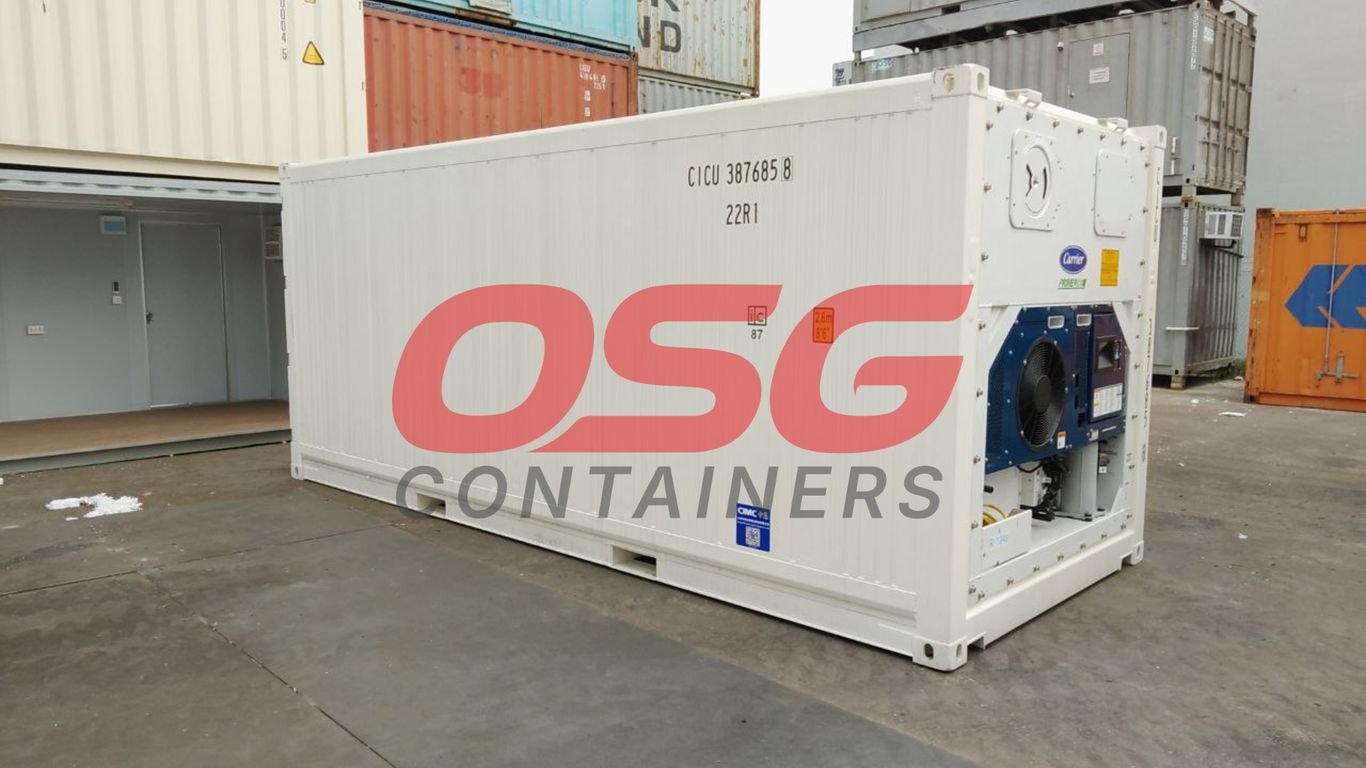
Ever wonder how that carton of milk or those imported strawberries get to your table without spoiling? It’s not by chance; it’s the work of refrigerated containers, or reefers. These aren’t just metal boxes; they’re essentially mobile refrigerators, built to maintain a very specific internal environment, regardless of what’s happening outside. They are absolutely vital for global trade, especially for items like food and medicine that can’t handle sitting around at room temperature for extended periods. Without them, a significant portion of the food we eat and the medicines we depend on simply wouldn’t reach us in a usable state. They truly are the quiet workhorses of the shipping world.
Key Takeaways
- A reefer container is basically a big, mobile refrigerator that keeps things at a set temperature. It’s super important for shipping stuff like food and medicine that can go bad easily.
- These containers have gotten way better over time, with advanced cooling systems and good insulation, making global shipping of perishables possible.
- The cooling unit and the container’s walls work together. Good insulation means the cooling system doesn’t have to work as hard, saving energy.
- Keeping the power on is a big deal for reefers, whether they’re plugged in at port or running on a generator when they’re moving.
- Newer reefer containers use smart tech like IoT sensors to track temperature and location, helping prevent spoilage and making logistics smoother.
Understanding The Reefer Container: A Cold Chain Cornerstone
Ever wonder how those fresh berries from across the globe end up on your plate, still tasting like they were just picked? It’s not magic, it’s the reefer refrigerated container. These specialized boxes are the backbone of shipping anything that needs to stay cold. They’re pretty important for global trade, especially for food and medicine. Let’s take a closer look at what makes these cold workhorses tick and why they’re so vital for getting goods from point A to point B without spoiling.
Defining Refrigerated Containers and Their Crucial Role
A reefer container is basically a self-contained, insulated shipping unit that comes with its own built-in refrigeration system. Its main job is to keep the temperature inside exactly where it needs to be, and sometimes, it even manages the humidity and the air mix. This controlled environment is what protects perishable items, like fresh produce, frozen foods, and medicines, during their long trips across oceans or continents. They are the foundation of what we call the ‘cold chain’ – the whole process of keeping sensitive products at a steady low temperature from the moment they’re made until they reach your hands. This is a pretty big deal when you think about how much of our modern economy depends on moving these kinds of goods around the world.
The Evolution of Refrigerated Shipping Technology
Shipping things in a temperature-controlled way isn’t exactly a new idea, but the methods have changed a lot over time. Early on, people used ice, which was often messy and hard to get right. Then, insulated rooms on ships were developed. Now, we have these self-sufficient reefer units, which are pretty much advanced refrigerators on wheels, or more accurately, on ships, trains, and trucks. They’ve gotten much more sophisticated, with better insulation and cooling systems that can be powered in different ways, making the global trade of perishable items possible on a huge scale. It’s a far cry from those early ice-filled boxes, and it has really changed how we get our food and medicine.
Key Features And Functionality Of Reefer Containers
So, what makes these reefer containers so special? It’s not just a big metal box with a freezer unit attached. They’re engineered with some pretty neat features to keep your sensitive stuff in tip-top shape, no matter where it’s going. The effectiveness of a reefer container hinges on the coordinated effort between its cooling machinery and its insulating shell. This integrated approach guarantees the integrity of temperature-sensitive goods throughout their transit, while also significantly impacting the overall energy consumption and cost of global shipping operations. The careful selection and maintenance of both components are paramount for successful cold chain logistics.
Here are some of the main things that make them work:
- Precise Temperature Control: Reefers can maintain temperatures from as low as -65°C (-85°F) for certain frozen goods up to +30°C (86°F) for specific climate-controlled items. This range is adjustable and can be set with high accuracy.
- High-Quality Insulation: The walls, floor, and roof are made with thick, high-density insulation materials, typically polyurethane foam, sandwiched between steel or aluminum panels. This minimizes heat transfer from the outside.
- Integrated Refrigeration Unit: A powerful, self-contained cooling system is mounted at one end. These units are designed to be robust and efficient, often using standard refrigerants.
- Atmosphere Control (Optional): Some advanced reefers can modify the internal atmosphere by adjusting oxygen and carbon dioxide levels. This slows down the ripening process for fruits and vegetables, extending their freshness.
The synergy between the container’s insulation and its refrigeration unit is what keeps your goods safe. It’s a constant battle against external heat, and the better the container is designed, the less work the cooling system has to do, saving energy and reducing the risk of temperature fluctuations.
How Reefer Containers Power Global Logistics
Reefer containers are basically giant, mobile refrigerators, and their ability to keep things cold, or even frozen, relies on a smart combination of two main things: the cooling unit itself and the container’s walls. Think of the insulation as a really good thermos; it stops outside heat from getting in and inside cold from escaping. Then, the refrigeration unit actively works to remove any heat that does sneak in, keeping the temperature exactly where it needs to be. This teamwork between insulation and cooling is what lets us ship ice cream from across the ocean without it turning into soup, or get fresh berries to your table still firm. It’s a delicate balance, and getting it right means your cargo stays in good shape.
Integrated Cooling and Insulation Synergy
The effectiveness of a reefer container hinges on the coordinated effort between its cooling machinery and its insulating shell. This integrated approach guarantees the integrity of temperature-sensitive goods throughout their transit. The careful selection and maintenance of both components are paramount for successful cold chain logistics. They are built to withstand harsh environmental conditions, ensuring cargo remains unaffected by external factors like rain, humidity, or extreme temperatures.
Powering The Refrigeration Unit
Keeping that cold air flowing isn’t magic; it needs power. When a reefer container is sitting at a port or a warehouse, it usually plugs into an electrical outlet. But when it’s on the move – on a ship, a train, or a truck – it needs its own power source. Most often, this comes from a generator attached to the container, usually running on diesel. This generator is like the engine for the cooling system, making sure the temperature stays steady no matter where the container is. It’s a constant job, and the power system has to be reliable.
Maintaining Constant Temperature, Humidity, and Atmosphere
Reefer containers offer accurate temperature regulation, essential for preserving perishable items. Whether it’s frozen seafood or chilled fruits, the required temperature is maintained throughout transit. These containers can maintain a temperature range from as low as -65℃ to 40℃, ensuring goods remain fresh and intact during transit. This advanced cooling system enables seamless transportation of goods, regardless of weather or distance.
The ability to precisely control not just temperature, but also humidity and atmospheric composition within the container, is what truly sets reefers apart. This level of control is vital for extending the shelf life of delicate produce and ensuring the efficacy of pharmaceuticals. It’s a sophisticated dance of environmental management that keeps global supply chains flowing.
Here’s a look at the typical temperature ranges reefers can handle:
| Cargo Type | Temperature Range (Celsius) |
|---|---|
| Frozen Goods | -18°C to -25°C |
| Chilled Produce | 0°C to 10°C |
| Pharmaceuticals | 2°C to 8°C |
| Deep Frozen Goods | -60°C to -65°C |
Innovations Driving Reefer Container Efficiency
Smart Monitoring and IoT Integration
Reefer containers are getting a serious tech upgrade. We’re talking about integrating the Internet of Things (IoT) to keep a constant eye on your cargo. Think sensors inside the container that are always checking the temperature, humidity, and even the container’s exact location. This data beams back in real-time, so you know precisely what’s happening with your shipment, no matter where it is on the planet. If the temperature spikes unexpectedly, or if there’s a problem with the cooling unit, you get an alert right away. This lets you jump into action before any spoilage can happen. It’s like having a remote guardian for your goods.
- Constant status updates: Always know where your shipment is and how it’s doing.
- Early problem detection: Smart systems can flag potential issues before they cause a breakdown.
- Better planning: Real-time data helps in mapping out routes and loading more efficiently.
Predictive Maintenance and Real-Time Tracking
Beyond just knowing what’s happening now, the latest reefer tech is all about looking ahead. Systems are being developed that can predict when a piece of equipment might fail. By analyzing performance data, these systems can tell you if a cooling unit needs servicing before it breaks down completely. This avoids costly delays and lost product. Coupled with advanced GPS and cellular tracking, you get a complete picture of your shipment’s journey and its condition. This level of insight is a game-changer for managing complex global supply chains, especially when compared to older methods or specialized containers like iso tanks which have their own unique maintenance needs.
The synergy between advanced cooling machinery and robust insulation is what truly makes a reefer container effective. This combination not only protects temperature-sensitive goods but also plays a big part in how much energy is used and how much shipping costs. Getting both parts right is key for successful cold chain logistics.
Sustainability and Energy Efficiency Focus
There’s a big push to make these cold boxes kinder to the environment. This means using better insulation materials that keep the cold in, so the cooling unit doesn’t have to work overtime. Companies are also exploring special coatings that improve thermal performance and prevent rust, making the containers last longer and reducing waste. Plus, new types of refrigerants are being developed that are less harmful to the atmosphere. The goal is to cut down on energy use and emissions across the board. This focus on greener operations is reshaping the future of refrigerated shipping.
| Innovation Area | Benefit |
|---|---|
| Improved Insulation | Less energy used |
| Smart Cooling Systems | Precise temperature, less waste |
| Alternative Power | Less reliance on fossil fuels |
| Advanced Refrigerants | Lower environmental impact |
Global Trends Shaping Reefer Shipping
E-commerce Expansion for Perishables
Online shopping has really changed how we get our food. It’s not just about buying clothes or electronics anymore; people are ordering fresh groceries, meal kits, and all sorts of other perishable items right to their doorsteps. This shift means a massive jump in the need for shipping that can keep things cold and fresh. Think about getting delicate berries or frozen dinners to your house – it all relies on a solid cold chain. This trend is pushing more companies to use reefer containers and is also leading to the rise of smaller, local cold storage hubs in cities. The main goal? Getting that fresh stuff to you quickly and safely.
Pharmaceutical Distribution Demands
We all know how critical it is to keep medicines and vaccines at the right temperature, especially after recent global events. But it’s not just about those big-name items. There’s a growing demand for specialized medications and products needed for clinical trials, all of which have very specific temperature requirements. This means reefers are in high demand across all types of transport – planes, ships, and trucks – to make sure these vital supplies stay effective and safe.
Decentralized Warehousing and Agile Hubs
To keep up with the fast pace of e-commerce and specialized distribution, the old way of doing things isn’t always cutting it. We’re seeing a move away from massive, central warehouses towards a network of smaller, more strategically placed storage facilities. These decentralized hubs, often called agile hubs, are closer to the end consumer. This setup allows for quicker delivery times and more flexibility in managing inventory. For reefer containers, this means they might be used for shorter, more frequent trips between these hubs and final destinations, rather than just long-haul international voyages. It’s all about making the supply chain more responsive and efficient.
The way we move temperature-sensitive goods is changing fast. From your weekly grocery order to life-saving medicines, reefer containers are working harder than ever to keep up. This means more focus on speed, precision, and getting things where they need to be, exactly when they need to be there, all while staying at the perfect temperature.
Operational Considerations for Reefer Containers
Understanding Potential Operational Challenges
Look, even with the fanciest reefer containers out there, things can still go sideways. It’s not always smooth sailing, and you’ve got to be ready for it. One of the biggest headaches people run into is power. When these containers are sitting at a port or a terminal, they need a steady supply of electricity to keep that cooling unit humming along. If the power flickers or goes out completely, or if the connection is just plain bad, your precious cargo is immediately in danger. It’s a constant worry.
Then there’s the transit part. A lot of reefers use a generator attached right to the container to keep things cool while they’re on the move. But these generators? They need fuel, and they need regular check-ups. Running out of gas or having the generator itself break down can be a total disaster for whatever’s inside. And while these containers are built tough, accidents can happen during loading, unloading, or even just while they’re being jostled around. A dent or a crack could mess up the seal and the insulation, letting that precious cold air escape. That’s why paying attention to how they’re handled and doing those regular checks is so important. It’s all about preventing problems before they start.
The Importance of Power Supply Reliability
Power is pretty much the lifeblood of a reefer container. Without it, that sophisticated cooling system is just a fancy metal box. Whether it’s plugged into shore power at a terminal or running off its own generator during transit, that electricity needs to be consistent. Fluctuations or complete outages can lead to temperature swings that are bad news for sensitive goods like pharmaceuticals or fresh produce. Think about it: a few hours too warm, and a whole shipment could be ruined. This is why planning for backup power sources and having robust generator systems is not just a good idea, it’s a necessity. You also need to consider the infrastructure at different ports and depots – is it reliable enough to handle the constant demand from a fleet of reefers?
Ensuring Cargo Integrity During Transit
Keeping the cargo safe and sound from point A to point B is the whole point, right? This means more than just setting the right temperature. It involves careful loading practices to allow for proper air circulation – you don’t want hot spots forming. For certain goods, like some fruits, controlling the atmosphere inside the container by managing gases like ethylene is also key to preventing spoilage. And let’s not forget about physical security. While reefers are built strong, they can be targets for tampering. Modern reefers often have advanced monitoring systems that can detect if a door has been opened unexpectedly, sending an alert right away. It’s a multi-layered approach to make sure that when the container finally arrives, the contents are just as good as when they left.
The whole process relies on a chain of trust and reliability. From the moment the cargo is loaded into the reefer, every step – the power supply, the container’s own systems, the handling during transfers between ships, trains, and trucks – has to work perfectly. Any weak link can break the chain and spoil the goods.
The Indispensable Role of Reefer Containers
Reefer Containers: The Unsung Heroes of Global Trade
When you grab that carton of milk or those imported avocados from the grocery store, have you ever stopped to think about the journey they took? It’s a pretty complex process, and a big part of what makes it possible is the humble reefer container. These aren’t just plain metal boxes; they’re specialized, temperature-controlled units that keep our food, medicines, and other sensitive items fresh and safe during long voyages across oceans and continents. Without reefer containers, a huge chunk of the global supply chain for perishables would simply grind to a halt. They are the backbone of the modern cold chain, quietly ensuring that what we need arrives in good condition.
Extending Shelf Life and Reducing Waste
One of the most significant impacts of the reefer container is its ability to dramatically extend the shelf life of perishable goods. By maintaining precise temperature and humidity levels, these units prevent spoilage, allowing products to travel much further and remain viable for longer periods. This isn’t just about convenience; it’s about reducing the massive amount of food waste that occurs globally. Imagine trying to ship fresh berries from South America to Europe without a container reefer – it would be nearly impossible. The ability to control the environment means less product is lost due to rot or degradation, which is a win for both consumers and producers.
Here’s a look at how reefer containers help:
- Precise Temperature Control: Maintaining specific temperatures, from chilled to frozen, is the primary function. This stops bacterial growth and slows down natural ripening processes.
- Humidity Management: Controlling moisture levels prevents produce from drying out or becoming waterlogged, both of which can lead to spoilage.
- Atmosphere Control (in some units): Some advanced reefers can even adjust the levels of oxygen and carbon dioxide, further slowing down the aging process of certain fruits and vegetables.
Supporting Disaster Relief Efforts
Beyond everyday commerce, reefer containers play a vital role in humanitarian aid and disaster relief. When natural disasters strike, access to clean food and essential medicines can be severely limited. The ability to transport and store temperature-sensitive supplies like vaccines, blood products, and emergency food rations in a controlled environment is absolutely critical. These container reefers can be deployed quickly to affected areas, providing a mobile, reliable cold storage solution where permanent infrastructure may be damaged or non-existent. They help ensure that life-saving supplies reach those in need, maintaining their efficacy until they can be distributed.
The global reach and reliability of reefer containers mean they are not just tools for commerce, but also for compassion. They bridge the gap between supply and need, especially in challenging circumstances where maintaining the integrity of sensitive goods is paramount.
The Unseen Force Keeping Things Fresh
So, when you think about how that fresh food gets to your table or how vital medicines reach people who need them, remember the reefer container. These aren’t just metal boxes; they’re high-tech refrigerators on the move, keeping global supply chains humming. They’ve come a long way from older methods, getting smarter and more efficient all the time. As we rely more on getting things from all over the world, these specialized containers are more important than ever. They really are the quiet workhorses making sure our world keeps moving, one cool shipment at a time.
Frequently Asked Questions
What exactly is a reefer container and why is it so important?
A reefer container is basically a big, mobile refrigerator used for shipping. It’s super important because it keeps temperature-sensitive items like food and medicine at the perfect cold temperature, no matter how far they travel. Without them, we wouldn’t be able to get many of the fresh foods and important medicines we rely on.
How do reefer containers manage to keep things so cold?
Reefer containers have two main secrets: great insulation and a powerful cooling system. The insulation works like a super-thermos, keeping the outside heat from getting in. The cooling unit then actively removes any heat that tries to sneak in, making sure the inside stays frosty or chilled, just like you want it.
Where do reefer containers get their power to stay cold?
When they’re parked at a port or warehouse, they usually plug into electricity. But when they’re moving on ships, trains, or trucks, they need their own power. Most of the time, this comes from a special generator attached to the container, often running on diesel fuel. This generator keeps the cooling system running non-stop.
Are reefer containers only used for food?
No way! While food is a big one, reefers are also incredibly important for shipping medicines, vaccines, and other health products that need to stay at very specific temperatures to work properly. They’re also used for things like flowers or even certain chemicals.
What happens if the power goes out or the cooling system breaks down?
That’s a major worry! If the power supply is interrupted or the cooling unit stops working, the temperature inside can rise quickly, putting the cargo at risk of spoiling. That’s why reliable power and regular maintenance of the cooling systems are absolutely critical.
How have reefer containers changed over time?
They’ve gotten way more advanced! Early on, people used ice, which was messy. Now, reefers are like high-tech refrigerators with better insulation, more efficient cooling, and smart technology. They can be monitored remotely, track their location, and even predict when they might need maintenance, making them much more reliable and efficient.