Singapore
 Australia
 Indonesia
 Japan
Japan Malaysia
 New Zealand
 Philippines
 South Korea
 Taiwan
 Thailand
 VIETNAM
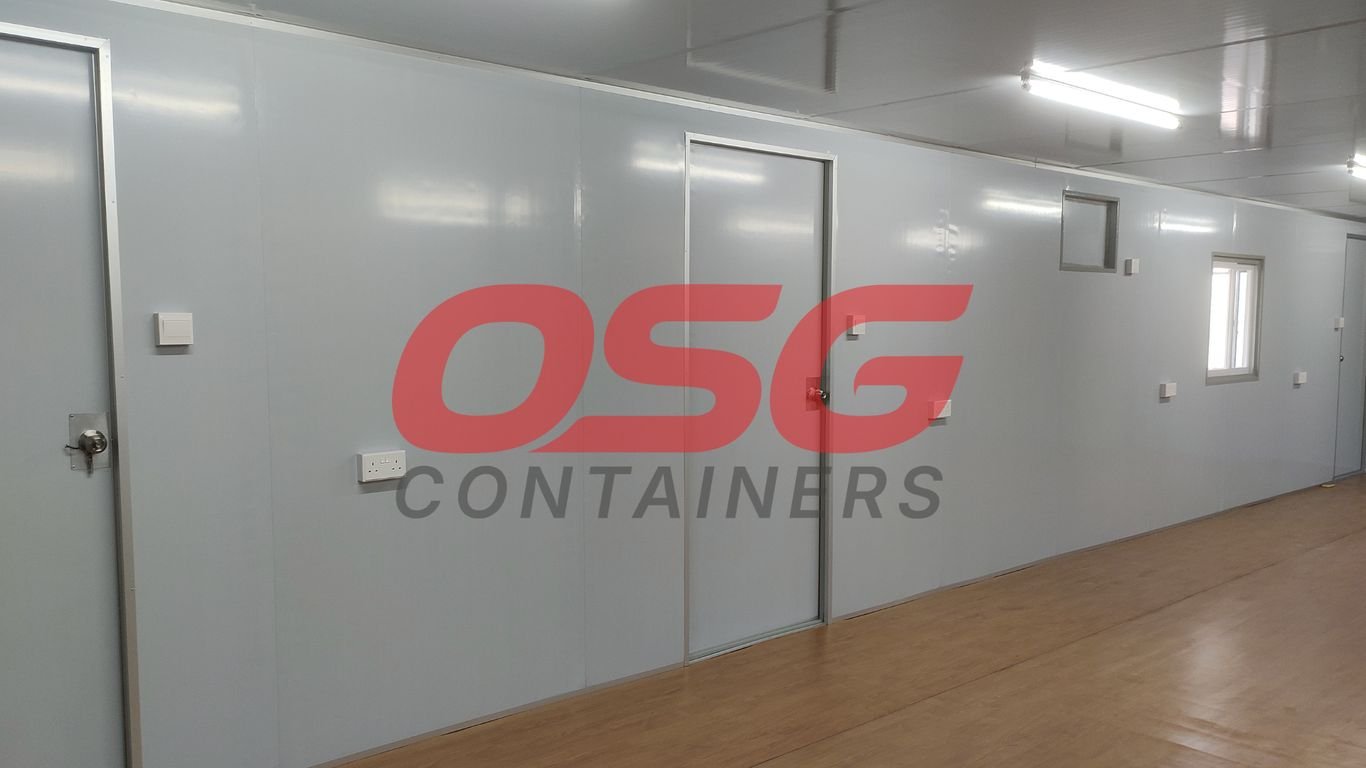
So, you’re looking at getting a shipping container, huh? Maybe for storage, maybe for a project. There are two main types you’ll see: the regular one and the ‘high cube’ container. They look pretty similar, but that extra bit of height in the high cube can actually make a pretty big difference depending on what you need it for. Let’s break down what that extra foot means and help you figure out which one is the right choice for you.
Key Takeaways
- The main difference between a standard and a high cube container is about one foot of extra height in the high cube model, making it taller overall.
- A high cube container is ideal for storing or transporting tall items, bulky equipment, or when you need more headroom for conversions like offices or homes.
- Standard containers are generally more budget-friendly for both purchase and transport, and they’re a good choice for smaller items or situations with low clearance.
- While a high cube container offers more volume, it also weighs more when empty, which can impact transportation costs and requires careful route planning due to its increased height.
- The best container choice depends entirely on your specific needs, cargo dimensions, budget, and where the container will be located or transported.
Understanding The Height Difference
When you’re looking at shipping containers, the most obvious difference between a standard and a high-cube model is the height. It might seem like a small thing, just an extra foot, but this vertical space can actually change a lot about how you use the container. Let’s break down what that extra height means.
Key Dimensions at a Glance
The main distinction boils down to a single foot. Standard containers, the most common ones you’ll see, typically stand about 8 feet 6 inches tall on the outside. High-cube containers, on the other hand, are a full 9 feet 6 inches tall. That extra foot might not sound like much on paper, but it can be a game-changer depending on what you’re putting inside or how you plan to use the space.
Here’s a quick look at the typical exterior heights:
| Container Type | Height |
|---|---|
| Standard | ~8′ 6" |
| High-Cube | ~9′ 6" |
The Impact of an Extra Foot
So, what can you actually do with that extra 12 inches? It really depends on your needs. For storage, that foot can mean the difference between fitting three rows of pallets instead of two, or being able to stack shelving units vertically rather than having to lay them down. If you’re thinking about using a container as a workspace or office, that extra headroom can make it feel much less cramped and more comfortable to move around in. This added vertical capacity is often the deciding factor for many users.
Volume Discrepancies Between Models
Because of that extra foot of height, high-cube containers naturally offer more interior volume than their standard counterparts. While the length and width are usually the same (for a given container size, like 20ft or 40ft), the increased height means more cubic feet of storage space. This can be significant if you’re dealing with a large volume of goods or items that take up a lot of space.
The extra space in a high-cube isn’t just about fitting more stuff; it’s about fitting different kinds of stuff, or making the space more usable for people working inside it. Always consider if that extra foot is worth the potential trade-offs in cost or site access.
When A Standard Container Is The Right Choice
Sometimes, you just don’t need all that extra height. A standard container, typically around 8 feet 6 inches tall, is often the most practical and budget-friendly option for many situations. It’s the workhorse of the container world for a reason – it gets the job done without unnecessary complexity.
Ideal For Smaller Items And Short-Term Needs
If you’re storing things like tools, seasonal inventory, or just a bunch of boxes, a standard container usually has plenty of room. You don’t need that extra foot of height if your items aren’t particularly tall. Think of it as a straightforward storage solution. It’s also a good pick if you only need the container for a short while and don’t plan on spending a lot of time inside it or doing complex modifications.
- Good for storing boxes, furniture, and equipment.
- Works well for temporary storage needs.
- Often more readily available than high cubes.
Navigating Low Clearance Areas
This is a big one. If your container needs to go somewhere with height restrictions – like under power lines, trees, or in a tight urban alleyway – the standard container is your best bet. That extra foot of height on a high cube can make the difference between a smooth delivery and a major problem. You don’t want to get it to the site only to find out it won’t fit.
Always double-check the total height clearance at your delivery location before making a decision. It’s better to be safe than sorry.
Budget-Friendly Storage Solutions
Let’s be honest, cost is usually a factor. Standard containers are generally less expensive to buy or rent than their high cube counterparts. Plus, transportation costs can sometimes be lower because they’re a bit lighter and don’t present the same height challenges for delivery trucks. If your cargo fits comfortably and you don’t have a specific need for the extra vertical space, sticking with a standard container can save you a good chunk of change. This is especially true if you’re not planning on using it for something like an iso tank container, which has its own specific requirements.
| Container Type | Length | Approximate Exterior Height |
|---|---|---|
| Standard | 20 ft | 8′ 6" |
| Standard | 40 ft | 8′ 6" |
| High Cube | 40 ft | 9′ 6" |
Leveraging The High Cube Container Advantage
So, you’re looking at containers and wondering if that extra foot of height really matters. For a lot of projects, the answer is a big yes. That extra bit of vertical space can make a surprising difference, especially when you’re trying to fit in taller items or just make the inside feel less cramped.
Accommodating Tall Equipment And Oversized Goods
This is where high cube containers really start to show their worth. If you’ve got equipment that’s just a bit too tall for a standard container, or maybe you’re shipping furniture that needs a little extra breathing room, the high cube is your friend. It’s not just about fitting things in; it’s about fitting them in without a struggle. Think about machinery, large art pieces, or even just stacks of boxes that would be a tight squeeze in a regular container. A 40 ft container, especially a high cube version, gives you that extra clearance.
- Shipping tall machinery: No more awkward angling or hoping it fits.
- Transporting bulky furniture: Sofas, wardrobes, and other large items are easier to load and secure.
- Moving oversized goods: Anything that pushes the height limit of a standard container becomes manageable.
Maximizing Vertical Space For Storage
When floor space is limited, looking up is the smart move. High cube containers let you take full advantage of that extra height for storage. You can install taller shelving units, add more levels to your racking systems, or simply stack items higher than you could in a standard container. This is a big deal for warehouses, workshops, or even just personal storage needs where you want to get the most out of every cubic foot. A 40ft container with that extra height can hold significantly more volume, potentially reducing the number of shipments you need.
| Container Type | Approx. Interior Volume (cu ft) | Relative Volume Advantage |
|---|---|---|
| Standard 40 ft | 2,350 | 1x |
| High Cube 40 ft | 2,694 | ~1.15x |
Enhanced Headroom For Mobile Offices And Conversions
Beyond just storage and shipping, high cube containers are fantastic for conversions. That extra foot of headroom makes a world of difference when you’re turning a container into a living space, an office, or a workshop. It means you can install standard kitchen cabinets without feeling like you’re in a cave, add ceiling fans, or even build a small loft area. For a mobile office or a pop-up shop, that extra space makes it feel much more comfortable and professional. It’s the difference between a cramped temporary space and a genuinely usable area.
The added height in a high cube container isn’t just about fitting more stuff; it’s about creating a more comfortable and practical environment. It opens up possibilities for interior design and functionality that are simply not feasible in a standard container without significant, costly modifications.
When you’re planning a project, especially a conversion, that extra foot can be the deciding factor between a functional space and one that feels a bit too confined. It’s a simple change, but it has a big impact on usability and comfort, making that 40 footer a much more versatile option for many applications.
Logistical And Practical Considerations
When you’re trying to figure out which container is the best fit, it’s not just about how much stuff you can cram inside. You also have to think about how it’s going to get to its destination and where it’s going to end up sitting. These practical details can really make or break your project.
Weight And Stability Differences
Both standard and high cube containers have their own weight, and this matters more than you might think. The high cube, being a bit taller and often built with a bit more steel to handle that extra height, usually weighs a little more when it’s empty. This can affect how much weight you can actually put inside before you hit transport limits. Plus, a heavier container, especially if the load inside isn’t spread out evenly, can be a bit trickier to move around.
Here’s a rough idea of what empty containers typically weigh:
| Container Type | Length | Approximate Empty Weight |
|---|---|---|
| Standard | 20 ft | 5,000 lbs |
| Standard | 40 ft | 8,000 lbs |
| High Cube | 40 ft | 8,500 lbs |
Always double-check the exact weight of the container you’re looking at, as these are just general figures. The empty weight difference might seem small, but it can be important when you’re dealing with strict weight limits for shipping.
Route Planning For Height Restrictions
Think about where this container is going. If its journey involves areas with low bridges, tunnels, or tight overhead clearances, that extra foot of height on a high cube could cause some serious problems. Standard containers are generally easier to move around in places with height limits. On the other hand, if you’re using it for something like a pop-up shop or a temporary office, that extra height might make the space feel much more open and less cramped.
- Standard Containers: These usually fit under most standard height restrictions for transport and storage without issue.
- High Cube Containers: You might need to plan special routes or get specific permits if your journey takes you through areas with strict height limits.
- Site Assessment: It’s a really good idea to measure your intended location, including any overhead obstructions like tree branches or awnings, before you make your final decision.
The extra height of a high cube container, while beneficial for volume, introduces a significant logistical challenge when it comes to navigating routes with overhead limitations. This requires careful planning and sometimes rerouting, which can add time and cost to the transportation process.
Stacking And On-Site Storage Challenges
When it comes to storing containers on-site, whether at a depot or your project location, their height matters. High cube containers, being taller, can present different challenges compared to standard ones. If you plan to stack containers, you need to be sure your equipment and the ground can handle the increased height and weight. Also, consider accessibility – can you easily get things in and out of a container that’s higher off the ground? For some uses, like temporary storage or workshops, the extra height might be great, but for others, it could mean more complex setup and handling procedures.
Cost Implications Of Each Container Type
Alright, let’s talk about the money side of things. When you’re picking between a regular container and a high cube, the price tag is definitely a big part of the decision. It’s not just about what you pay to buy or rent it, but also what it costs to get it where it needs to go and if that extra space actually saves you cash down the line.
Purchase Price Comparison
So, the most basic difference? Standard containers are usually a bit cheaper to buy. They’re the workhorses, the standard model, and they just use a bit less steel. High cubes, with that extra foot of height, need more material. Plus, because they’re so popular for things like building conversions, sometimes they can go for a little more. It’s not a huge jump, maybe a couple hundred bucks difference, but if you’re getting a few, it can add up.
| Container Type | Approximate Purchase Price Difference |
|---|---|
| Standard | Base Price |
| High Cube | + $200 – $500 (approx.) |
Transportation And Delivery Expenses
Now, getting the container to you or your destination is another cost to think about. The empty weight of the container itself plays a role here. A high cube, being a bit taller and sometimes built a little sturdier to handle that height, usually weighs more when it’s empty. This might not seem like much, but it can affect how much weight you can actually load into it before you hit transport limits. And, of course, heavier things can sometimes mean higher shipping fees, especially if you’re dealing with strict weight regulations.
| Container Type | Length | Approximate Empty Weight |
|---|---|---|
| Standard | 20 ft | 5,000 lbs |
| Standard | 40 ft | 8,000 lbs |
| High Cube | 40 ft | 8,500 lbs |
Long-Term Value Proposition
This is where it gets interesting. Sometimes, paying a bit more for a high cube upfront can actually save you money in the long run. Think about it: if you can fit more stuff into one high cube container because of that extra height, you might avoid needing a second container. That means fewer rental fees, less shipping cost overall, and less hassle. It’s all about getting the most "bang for your buck," as they say. If you’re shipping tall items or just need that extra bit of room to make things work, the high cube can be a real money-saver. But if your stuff fits perfectly fine in a standard container, why pay for space you’re not using?
The real trick is figuring out which container actually fits your situation best. It’s not just about picking the biggest or the cheapest; it’s about finding the right tool for the job. Think about what you’re putting inside. Is it tall stuff? Like, really tall? Or is it dense, heavy items that will fill up a standard container just fine without getting close to the weight limit? Don’t forget about where it’s going. Will it fit through the gate? Is there a height limit on the property? These details matter more than you might think.
Ultimately, the goal is to avoid paying for space you don’t need or struggling with a container that’s too small. It’s a balancing act between the initial cost and the ongoing expenses, all while making sure your cargo gets there safely and efficiently.
Suitability For Specific Projects
Container Builds And Modifications
When you’re looking to transform a shipping container into something more – like a home, an office, or a workshop – the choice between a standard and a high cube really matters. That extra foot of height in a high cube isn’t just about fitting more stuff; it’s about making the space feel more livable and functional. For instance, if you’re planning to add a loft bed, install taller kitchen cabinets, or even just have more comfortable ceiling space for working, the high cube is usually the way to go. It makes the whole conversion process smoother and the end result feel less cramped.
Standard containers are perfectly fine for simpler projects where vertical space isn’t a big concern. Think basic storage sheds or straightforward workspaces. They’re often a bit cheaper, which is a plus if you’re on a tight budget and just need a solid structure without the extra headroom.
Shipping Bulky Versus Heavy Items
Deciding between a standard and a high cube container for shipping depends a lot on what you’re moving. If you’ve got items that are tall but not necessarily super heavy, the high cube gives you that extra room to play with. This could be anything from specialized machinery with tall components to furniture that just won’t fit comfortably in a standard container.
On the other hand, if you’re shipping items that are dense and very heavy, a standard container might actually be a better choice. While high cubes offer more volume, loading them to their maximum weight capacity can sometimes put more stress on the structure. Standard containers are often considered a bit more robust for extremely heavy loads, offering a stable platform for dense cargo.
Here’s a quick look at what works best:
- High Cube: Ideal for tall, bulky items, furniture, equipment with high components, or when you need extra vertical space for packing and securing cargo.
- Standard: Better suited for dense, heavy items where maximizing volume isn’t the primary concern, and stability for extreme weight is key.
The key takeaway here is to really think about the dimensions of your cargo. Don’t just guess. Measure everything carefully, including any packaging or bracing you plan to use. That extra foot of height can be a lifesaver, or it can be an unnecessary expense if your cargo doesn’t need it.
Assessing Cargo Dimensions Carefully
Before you even think about ordering a container, take the time to really measure what you need to ship or what you plan to build with. It sounds obvious, but people often overlook this step, leading to problems down the line. For shipping, measure the length, width, and height of your largest items. If you’re stacking things, figure out the total height. For conversions, think about the height of fixtures, furniture, and any built-in elements like shelving or beds.
| Item Type | Standard Container (Approx. Interior Height) | High Cube Container (Approx. Interior Height) | Notes |
|---|---|---|---|
| General Cargo | 7′ 9" | 8′ 9" | Extra headroom for packing/securing. |
| Tall Equipment | May require special loading/securing | Fits more comfortably | Significant advantage for tall machinery. |
| Mobile Offices | Can feel cramped, limited fixture height | More comfortable, easier fixture installation | Better for standing and working. |
| Tiny Homes | Limited ceiling height, loft challenges | Easier to add lofts, higher ceilings | Creates a more spacious living environment. |
This careful assessment will help you avoid ordering a container that’s too small, forcing you to make costly changes, or ordering one that’s unnecessarily large, wasting money on space you don’t need.
So, Which Container is Right for You?
Alright, so we’ve talked about the nitty-gritty of standard versus high cube containers. Honestly, there’s no single ‘winner’ here because it really boils down to what you’re trying to do. If you’re shipping a bunch of regular stuff and trying to keep costs down, a standard container is probably your best bet. But if you’ve got taller items, bulky things, or you’re planning some kind of cool conversion project like a tiny home or an office, that extra foot of height in a high cube container can make all the difference. Just remember, the high cube usually costs a bit more upfront and you need to make sure it can get where it’s going without hitting any low bridges. Think about your cargo, your budget, and where it needs to end up, and you’ll pick the right one.
Frequently Asked Questions
What’s the main difference between a regular container and a high cube container?
The biggest difference is height! High cube containers are about a foot taller than standard ones. Think of it like getting an extra floor in your storage unit. This extra space is great for fitting taller items or just packing more stuff in.
How much more space does a high cube container actually have?
A high cube container gives you significantly more room inside. For example, a 40-foot high cube can hold around 2,694 cubic feet of stuff, while a standard 40-foot container holds about 2,350 cubic feet. That’s a lot of extra room for your goods!
Are high cube containers more expensive than standard ones?
Yes, they usually cost a bit more. This is because they use more materials to be built and are often in high demand for projects that need that extra height. But, sometimes the extra space can save you money by letting you fit more into one container instead of needing two.
Can I use a high cube container if I have height limits where I’m going?
That’s something to watch out for. Because they’re taller, high cube containers might not fit under low bridges, in tunnels, or in places with strict height limits. It’s always best to check the route and destination beforehand.
Which type of container is better for building things like homes or offices?
High cube containers are often preferred for building projects like homes, offices, or shops. That extra foot of height gives you more headroom, making the space feel less cramped and easier to work with for custom designs.
If I’m shipping heavy items, does it matter which container I choose?
For very heavy items, a standard container might be a slightly better choice. While high cubes have more space, loading them with extreme weight can put more stress on their structure. Standard containers are often considered more stable for really heavy loads.