Singapore
 Australia
 Indonesia
 Japan
Japan Malaysia
 New Zealand
 Philippines
 South Korea
 Taiwan
 Thailand
 VIETNAM
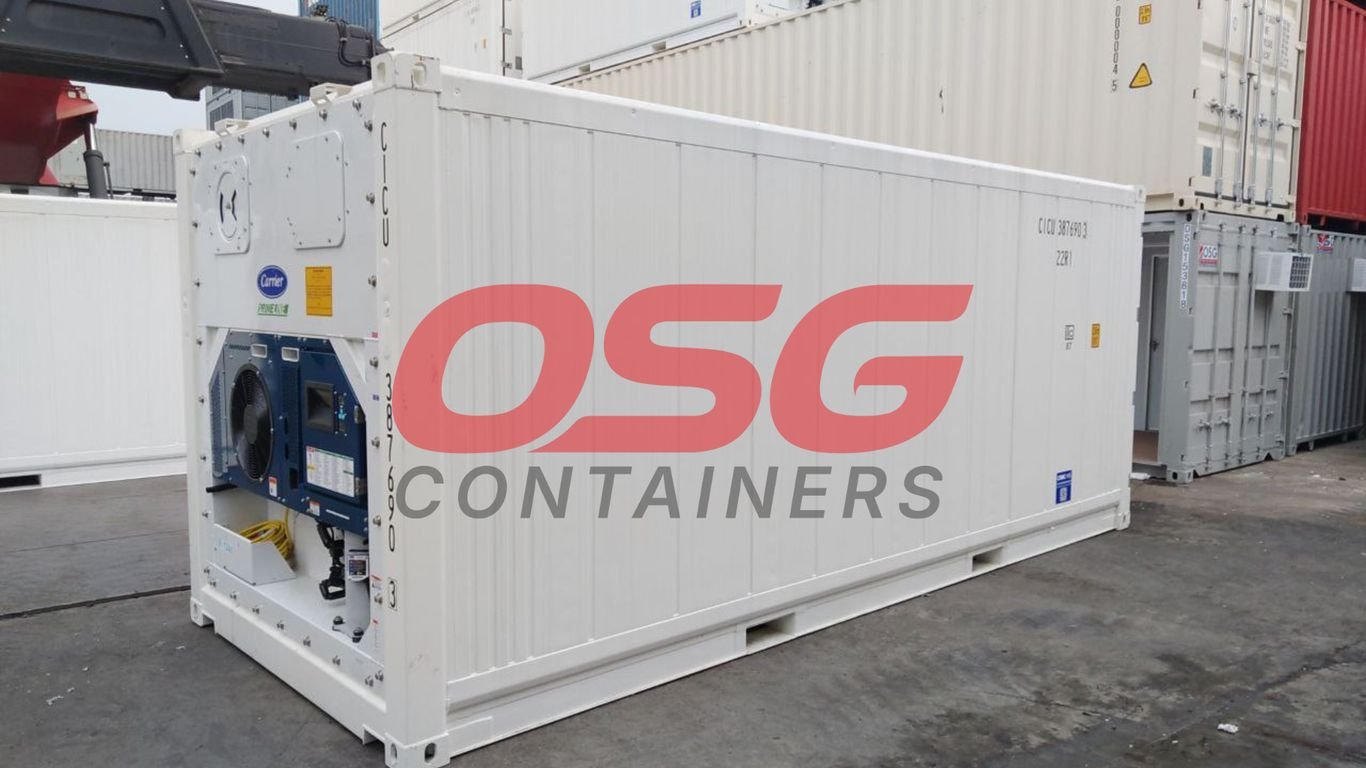
Ever wonder how those fresh berries from across the globe end up on your plate, still tasting like they were just picked? It’s not magic, it’s the cntr reefer. These specialized boxes are the backbone of shipping anything that needs to stay cold. They’re pretty important for global trade, especially for food and medicine. Let’s take a closer look at what makes these cold workhorses tick and why they’re so vital for getting goods from point A to point B without spoiling.
Key Takeaways
- A cntr reefer is basically a mobile refrigerator, designed to keep precise temperature and humidity levels for sensitive cargo like food and pharmaceuticals.
- These containers have evolved a lot from early methods, now featuring advanced cooling systems and good insulation for better performance.
- Different sizes, like 20ft and 40ft, and specialized high-tech options exist, letting businesses pick the best cntr reefer for their specific shipping needs.
- Beyond trade, cntr reefers are important in disaster relief and for keeping agricultural products fresh, showing they can be used in many ways.
- The way a cntr reefer works well depends on its cooling parts and its insulated shell working together, making sure temperature-sensitive goods stay good.
Understanding the CNTR Reefer: A Cold Chain Cornerstone
Ever wonder how that carton of milk or those imported berries make it to your plate without going bad? It’s not magic, though it might seem like it. It’s the work of refrigerated containers, or reefers, which are pretty much the backbone of moving anything that needs to stay cold. These aren’t your average shipping boxes; they’re like giant, mobile refrigerators designed to keep a very specific environment inside, no matter what the weather is doing outside. They’re absolutely vital for global trade, especially for things like food and medicine that can’t just sit around at room temperature for weeks on end. Without them, a lot of the food we eat and the medicines we rely on simply wouldn’t make it to us in usable condition. They really are the unsung heroes of the whole shipping world.
Defining Refrigerated Containers and Their Crucial Role
So, what exactly is a reefer container? Think of it as a self-contained, insulated box with a built-in refrigeration unit. Its main job is to maintain a precise temperature, and sometimes even humidity and air composition, for whatever is packed inside. This controlled environment is what keeps perishable goods, like fresh produce, frozen foods, and pharmaceuticals, in good shape during their long journeys. They are the cornerstone of what we call the ‘cold chain,’ which is basically the entire process of keeping temperature-sensitive products at a consistent low temperature from the moment they are made until they are used or consumed. It’s a pretty big deal when you consider how much of our modern economy relies on moving these kinds of goods around the world. The ability of reefer containers to maintain precise environmental conditions is not just about keeping food fresh; it’s about preserving the integrity of vital medicines, ensuring public health, and reducing global food waste.
The Evolution of Refrigerated Shipping Technology
Refrigerated shipping has come a long way. Early attempts involved using ice and salt packed alongside goods, which was messy and not very reliable. Then came insulated rail cars and trucks, a step up but still limited. The real game-changer was the development of the self-contained refrigerated container, or reefer. These units combine robust insulation with powerful, integrated refrigeration systems.
Here’s a quick look at how they’ve advanced:
- Early Methods: Ice and salt, basic insulation.
- Mechanical Refrigeration: Introduction of powered cooling units.
- Modern Reefers: Advanced insulation, precise digital controls, remote monitoring, and specialized atmosphere control.
The modern CNTR reefer is a marvel of engineering, capable of maintaining temperatures as low as -60°C (-76°F) or as high as +30°C (+86°F), depending on the cargo’s needs. This level of control was unthinkable just a few decades ago. The technology allows for consistent temperature, humidity, and even gas composition management, which is vital for extending the shelf life of sensitive products and reducing spoilage during long-distance transport.
Preserving Vital Cargo: Food and Pharmaceuticals
Ensuring the Integrity of Pharmaceuticals and Vaccines
When it comes to medicines and vaccines, there’s zero room for error. These aren’t just products; they’re often life-saving treatments that depend entirely on staying within a very narrow temperature range. A slight fluctuation can render a whole batch useless, which is a pretty big deal for public health. That’s where CNTR reefers really step up. They’re built to maintain these exact conditions, from the moment a vaccine is made until it reaches the clinic or hospital. Specialized pharma-grade reefers come with advanced monitoring systems that keep a close eye on temperature and humidity, sending alerts if anything goes off track. It’s a huge responsibility, and these containers handle it every single day, making sure that critical medical supplies stay potent and safe.
The precise environmental control offered by these units is non-negotiable when dealing with life-saving treatments and biological samples.
Preserving Agricultural Bounty for Global Consumption
Beyond the medical world, CNTR reefers are also super important for keeping our food supply in good shape. Think about all the fruits, vegetables, and other perishables that travel long distances to get to our tables. After harvest, especially in places where local cold storage is limited, reefers can be brought in to keep produce fresh and prevent spoilage while it’s on its way to markets or processing plants. This is a big deal for high-value crops and anything that spoils quickly. The ability to move these containers means farmers can reach wider markets, and it cuts down on the waste that can happen between the farm and your plate. It helps make sure there’s enough food available and supports farming economies all over the world.
Here’s a quick look at how different types of cargo benefit:
- Fresh Produce: Maintaining optimal humidity and temperature prevents wilting and spoilage, extending shelf life.
- Dairy Products: Keeps milk, cheese, and yogurt from spoiling during transit, preserving quality and safety.
- Meat and Seafood: Requires strict freezing or chilling temperatures to prevent bacterial growth and maintain freshness.
- Vaccines and Pharmaceuticals: Needs highly precise temperature control, often with backup systems, to remain effective.
Choosing the Right CNTR Reefer for Specific Cargo Needs
So, you’ve got something that needs to stay cold during its journey. Great! But not all cold is created equal, and neither are CNTR reefer containers. Picking the right one is kind of like choosing the right tool for a job – you wouldn’t use a hammer to screw in a bolt, right? It’s all about matching the container’s capabilities to what you’re shipping.
Exploring Size Variants: 20ft, 40ft, and Specialized Units
First off, let’s talk size. The most common sizes you’ll see are the 20-foot and 40-foot reefers. Think of the 20-foot as your go-to for smaller loads or when space is tight, maybe on a general cargo ship with limited room. It packs the same cooling power but in a smaller footprint. The 40-foot reefer gives you more space, obviously, so it’s better for bigger shipments. Beyond these, you might also find High Cube (HC) versions, which give you a bit more vertical space, or even specialized units built for really specific jobs.
Here’s a quick look at the common sizes:
| Size | Typical Use Case |
|---|---|
| 20ft | Smaller shipments, limited space |
| 40ft | Larger volumes, bulk perishables |
| 40ft HC | Extra height needed for specific cargo |
High-Tech Versus Standard CNTR Reefer Container Units
Now, let’s get into the tech. You have your standard reefers, which are solid workhorses. They reliably keep things at the temperature you set, and they’re perfectly fine for a lot of everyday stuff, like frozen foods or general produce. But then there are the high-tech units. These are the ones with all the advanced features. They often come with real-time monitoring systems, so you can check the temperature, humidity, and even air composition from your computer or phone. This is a big deal for really sensitive cargo, like pharmaceuticals or delicate flowers, where even a small fluctuation can cause problems. These advanced containers usually offer more precise controls and better data logging, which is great if you need to prove the conditions were just right.
When deciding between a standard and a high-tech unit, consider the value and sensitivity of your cargo. For high-stakes shipments where spoilage means significant financial loss or health risks, the extra investment in advanced monitoring and control systems is often well worth it. It’s about peace of mind and protecting your investment.
Ultimately, the choice comes down to what you’re shipping. Are you sending frozen fish, fresh vegetables, or life-saving medicines? Each has different needs, and the right CNTR reefer will make sure your cargo arrives in the best possible condition.
CNTR Reefers in Critical Applications Beyond Trade
CNTR Reefers in Disaster Management and Emergency Response
When things go sideways, like after a big storm or during a health scare, the need for reliable cold storage pops up fast. That’s where CNTR reefer containers really step up. They become these mobile, dependable cold boxes that can be sent out quickly to places that need them. They keep important supplies at the right temperature so they don’t spoil or lose their punch. Imagine a town cut off by floods; a reefer could mean the difference between having usable medicine and having none. Sometimes, they’re even used as temporary shelters or medical spots, giving a controlled environment for people or sensitive gear. It’s not just about shipping goods from A to B anymore; it’s about providing a lifeline.
- Rapid Deployment: Can be transported and set up quickly in affected areas.
- Temperature Stability: Maintains consistent cold or frozen conditions for medicines, food, and water.
- Versatile Use: Can serve as temporary medical units or storage for essential supplies.
- Scalability: Multiple units can be deployed to meet larger storage demands.
The ability to quickly deploy refrigerated containers offers a vital buffer during emergencies, preventing the loss of critical medical supplies and food, and supporting recovery efforts in ways standard infrastructure cannot.
While not a typical use case, the concept of a "cntr open top" highlights the need for adaptable solutions. In disaster scenarios, the flexibility of reefer units, even if not literally "open top," allows for creative problem-solving to protect vulnerable cargo and provide essential services when normal supply chains break down.
Key Features and Functionality of CNTR Reefers
So, what exactly makes a CNTR reefer tick? It’s not just a fancy metal box; it’s a carefully engineered piece of equipment designed to keep things at just the right temperature. Think of it as a super-powered, mobile refrigerator. The real magic happens in how two main parts work together: the insulation and the refrigeration unit itself.
The Synergy Between Insulation and Refrigeration Units
At the heart of every reefer container is the partnership between its tough outer shell and the cooling system inside. The walls of these containers are usually packed with thick polyurethane foam. This stuff is a fantastic insulator, kind of like a really good thermos. It does a great job of stopping outside heat from getting in and keeping the cold air from escaping. This means the refrigeration unit, which is the powerhouse of the operation, doesn’t have to work itself to death. It only needs to deal with the small amount of heat that might manage to sneak in, allowing it to maintain a steady, precise temperature.
This combination is what lets us ship everything from ice cream across continents to fresh produce to your local store without things going bad. It’s a delicate balance that’s been refined over years of development.
- Insulation: Minimizes heat transfer from the outside environment.
- Refrigeration Unit: Actively removes heat that enters the container.
- Synergy: The combined effect allows for stable, controlled temperatures.
The effectiveness of a reefer container hinges on the coordinated effort between its cooling machinery and its insulating shell. This integrated approach guarantees the integrity of temperature-sensitive goods throughout their transit, while also significantly impacting the overall energy consumption and cost of global shipping operations.
Maintaining Constant Temperature, Humidity, and Atmosphere
Beyond just keeping things cold, many CNTR reefers offer advanced control over other environmental factors. This is super important for certain types of cargo.
| Feature | Standard Reefer | High-Tech Reefer | Pharma-Grade Reefer |
|---|---|---|---|
| Temperature Control | +/- 1°C | +/- 0.5°C | +/- 0.1°C |
| Humidity Control | Basic | Advanced | Precise |
| Atmosphere Control | N/A | Optional | Often Included |
| Data Logging | Basic | Real-time | Secure & Detailed |
These features mean that not only can we set a specific temperature, but we can also manage the moisture levels inside, which is vital for keeping produce fresh. Some advanced units can even adjust the air composition, reducing oxygen and increasing carbon dioxide, which slows down the ripening process for certain fruits and vegetables. For pharmaceuticals, this level of control is non-negotiable, ensuring that life-saving medicines and vaccines remain potent and safe from the moment they leave the manufacturer until they reach the patient.
Modular Cold Storage Solutions with CNTR Reefers
Scalable, Flexible Cold Rooms Built with Reefer Containers
Sometimes, a standard refrigerated container just doesn’t cut it. That’s where modular cold storage solutions come in. Think of it as building your own cold chain infrastructure, but way faster and more adaptable than traditional construction. We’re talking about using reefer containers, like the common 20gp container, to create custom cold rooms that can grow with your business. It’s a smart way to get the space you need without the hassle of building a permanent facility.
Why Choose Modular Cold Storage Solutions?
So, why go modular with reefer containers? There are a bunch of good reasons:
- Flexibility and Scalability: Need more space? Just add another container. You can start small and expand as your needs change. This means you’re not stuck with too much space or scrambling when you suddenly need more.
- Speed of Deployment: Unlike building a new warehouse, which can take months or even years, modular cold rooms can be set up in days. This is a huge advantage when you need cold storage quickly.
- Cost-Effectiveness: Often, this approach is more budget-friendly than constructing a new building or signing long-term leases for warehouse space. You pay for what you need, when you need it.
- Adaptable Layouts: You can configure these units to create specific zones for receiving, storage, dispatch, or even cross-docking. It’s not just a big box; it’s a tailored solution.
- No Major Construction: In most cases, you can avoid lengthy construction processes and the need for building permits, which saves time and headaches.
The real beauty of using reefer containers for modular cold storage is their inherent design. They are built to withstand harsh environments and maintain precise temperature control, making them ideal for sensitive goods. This robust construction means they can be deployed almost anywhere, providing reliable cold chain support where it’s needed most.
These systems are designed to handle a wide range of temperatures, from freezing to ambient, and can be equipped with features like backup refrigeration units for added security. Whether you’re dealing with food products, pharmaceuticals, or other temperature-sensitive items, a modular setup using types of shipping containers like the 20gp container offers a practical and efficient way to manage your cold storage requirements.
Wrapping Up the Cold Chain
So, when you think about it, these CNTR reefer containers are pretty much everywhere, doing a lot of heavy lifting. From keeping our food fresh and safe to making sure medicines get where they need to go, they’re a big deal. They’re not just boxes on a ship; they’re a key part of how our world works today, connecting farms to tables and labs to patients. Whether it’s a standard unit for everyday goods or a high-tech one for something super sensitive, the technology behind them keeps things moving. It’s a complex system, but at the end of the day, it’s all about keeping things at the right temperature, no matter what.
Frequently Asked Questions
What exactly is a CNTR Reefer?
A CNTR reefer is like a big, mobile refrigerator for shipping. It’s a special container with a cooling system built in. Its main job is to keep things like food and medicine at a very specific, cold temperature, no matter what the weather is like outside. This helps make sure that goods don’t spoil during long trips.
Why are CNTR Reefers so important for food and medicine?
Many foods, like fruits, vegetables, and frozen items, need to stay cold to stay fresh. Medicines and vaccines are even more sensitive; if they get too warm or too cold, they can stop working or become unsafe. CNTR reefers create a steady, controlled environment that keeps these important items safe and good to use from where they are made all the way to the store or clinic.
Are there different sizes of CNTR Reefers?
Yes, there are! The most common sizes are 20-foot and 40-foot containers, similar to regular shipping boxes. There are also taller versions called High Cubes. Sometimes, special types are made for very specific needs, like extra precise temperature control for medicines.
What’s the difference between a high-tech reefer and a standard one?
A standard reefer keeps things cold, which is great for most food. A high-tech reefer has extra features. It can monitor the temperature and humidity very closely and send alerts if something changes. This is really important for super sensitive items like vaccines, where even a small temperature change can cause big problems.
Can CNTR Reefers be used for things other than regular shipping?
Absolutely! They are super useful in emergencies, like after a natural disaster. When regular storage is destroyed, reefers can be sent in quickly to keep important supplies, like food and medicine, cold and safe for people who need them. They can even be used as temporary shelters.
How do CNTR Reefers keep things so cold?
It’s a team effort! They have a strong cooling unit that acts like an air conditioner for the container. They also have really good insulation, like a super-thick blanket, that stops the outside heat from getting in. This combination keeps the inside temperature steady and saves energy because the cooling unit doesn’t have to work as hard.