Singapore
 Australia
 Indonesia
 Japan
Japan Malaysia
 New Zealand
 Philippines
 South Korea
 Taiwan
 Thailand
 VIETNAM
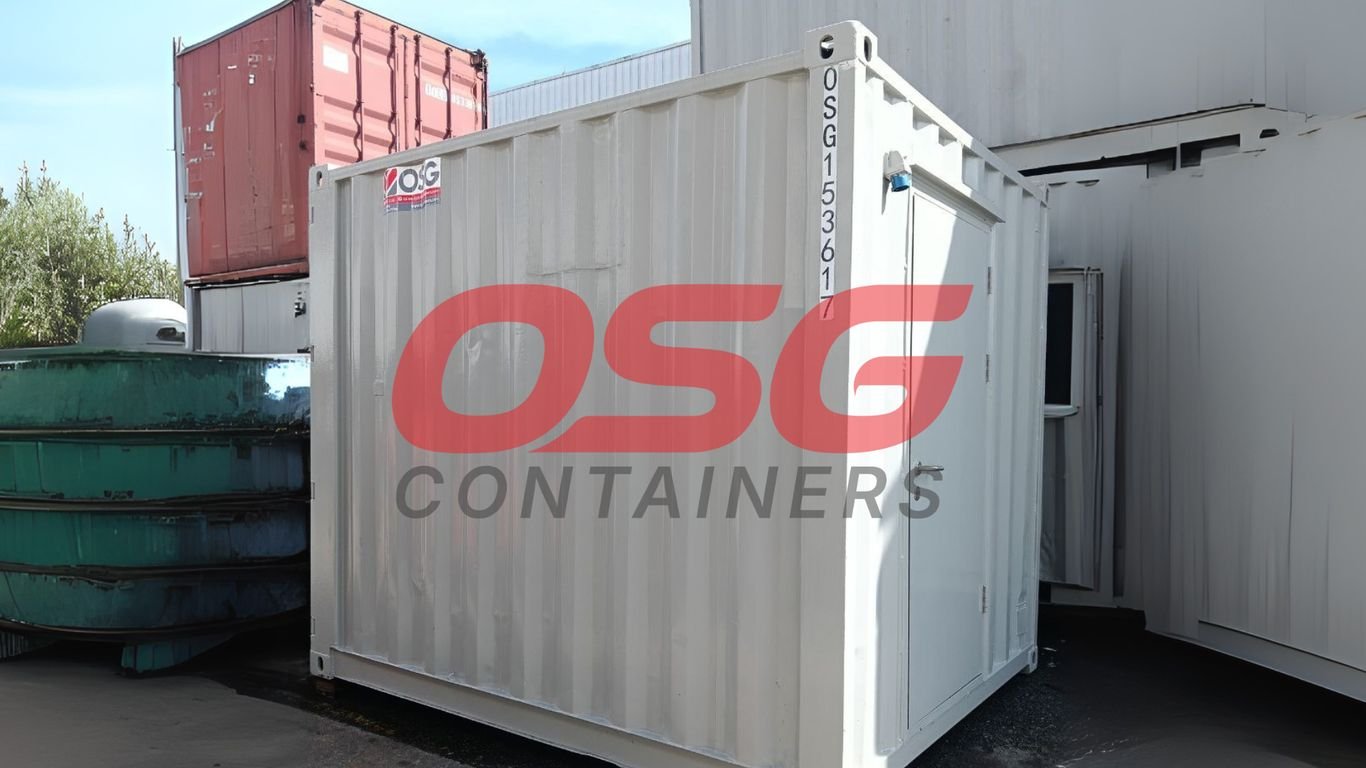
Thinking about moving liquids or bulk materials? You might have heard about iso container tanks, and for good reason. These big metal containers are everywhere in shipping, but what exactly makes them tick? They’re not just giant barrels on frames; there’s a lot more to them. This guide will break down what an iso container tank is, why they’re so useful, and how they get from point A to point B safely. We’ll cover their parts, how to store them, and what happens to them over time. Get ready to learn all about these workhorses of the transport world.
Key Takeaways
- ISO tanks are standardized, reusable containers for bulk liquid transport via ship, train, or truck.
- Their design, often based on 20-foot shipping container dimensions, allows for easy handling with standard equipment.
- Key external parts like loading and discharge valves are vital for safe and efficient operation.
- Proper storage and regular maintenance are critical for the integrity and safety of the iso container tank and its contents.
- Transporting an iso container tank requires strict adherence to inspection, certification, and documentation procedures.
Understanding ISO Container Tanks
So, you’re looking into moving liquids in bulk, huh? Maybe you’ve seen those big metal tanks on trucks or ships and wondered what they’re all about. These are ISO tank containers, and they’re pretty much the standard for moving liquids and gases safely all over the world. The "ISO" part just means they meet certain international standards, which is a good thing because it means they’re built tough and designed to work with pretty much any kind of transport – ships, trains, you name it.
What Is An ISO Tank Container?
An ISO tank container is basically a large, strong tank built inside a metal frame. This frame is usually the same size as a standard shipping container, making it easy to handle with regular equipment. Think of it as a super-durable, reusable container specifically made for liquids, gases, or even powders. They’re designed to withstand the rigors of global shipping, keeping whatever’s inside secure and protected. It’s a far cry from just using drums or bags, especially when you’re dealing with chemicals or food products where purity and safety are a big deal. While we’re talking about containers, it’s worth noting that sometimes people use regular shipping containers as offices, or rent them out for storage, but ISO tanks are a whole different ballgame for liquid transport.
Key Features Of ISO Tanks
What makes an ISO tank so special? Well, a few things really stand out:
- Standardized Design: They’re built to fit standard shipping container dimensions (usually 20 feet long, 8 feet wide, and 8.5 feet high). This means they stack easily and work with existing cranes and trucks.
- Durable Construction: The inner tank is typically made of stainless steel, which is great because it doesn’t react with most substances and is easy to clean. This keeps your cargo pure.
- Temperature Control: Many ISO tanks have insulation around the inner tank, often with an outer shell made of aluminum. This helps keep the cargo at a steady temperature, similar to how a refrigerated container keeps things cool, but for a wider range of products.
- Intermodal Capability: They’re built to move between ships, trains, and trucks without needing to transfer the cargo. This saves a lot of time and hassle.
Structure Of An ISO Tank Container
When you look at an ISO tank, you see the outer frame, which is pretty standard. But inside that frame is the actual tank, usually made of stainless steel. This inner tank is where your liquid or gas sits. Around this tank, there’s insulation to help manage temperature, and then the outer shell, often aluminum, to protect everything. It’s a pretty clever design that balances strength, safety, and temperature stability.
Here’s a quick look at some common types and their capacities:
| Tank Type | Capacity (Liters) | External Dimensions (L x W x H) | Best For |
|---|---|---|---|
| Standard | 17,500 – 26,000 | 20′ x 8′ x 8.5′ | Chemicals, non-hazardous liquids |
| Swap Body | Up to 35,000 | 23′-25′ x 8′ x 8.5′ | Food-grade oils, pharmaceuticals (Europe) |
| Gas Tank (T50) | Varies | 20′ x 8′ x 8.5′ | Liquefied gases under pressure |
While ISO tanks are fantastic for bulk liquids, remember they’re specialized equipment. For other needs, like temporary office space or storing goods, you might look into options like container rentals or even using standard containers as offices. And if you need strict temperature control for perishables, a refrigerated container is the way to go, though some ISO tanks can also handle temperature-sensitive cargo.
It’s important to know that while ISO tanks are great, they do require specific handling and maintenance. You can’t just treat them like any old shipping container. This specialized nature is why understanding their structure and features is the first step to using them effectively and safely.
Essential External Components Of ISO Tanks
When you see an ISO tank, it looks like a big metal box, right? But there’s a lot more going on with its exterior than you might think. These parts are super important for getting stuff in and out safely and keeping everything stable. Think of them as the tank’s vital organs, each with a specific job.
Top Loading Valve
This is where the cargo goes in. The top loading provision, which includes this valve, is designed for filling the tank. Depending on what you’re hauling, you’ll find different types of hatches, valves, and connections here to make sure the loading process is smooth and contained. It’s all about getting the product in without a mess.
Discharge Valve
Just as important as getting stuff in is getting it out. The discharge valve is located at the bottom of the tank. It’s the exit point for your cargo. This valve needs to be robust and easy to operate, but also secure enough to prevent any accidental leaks during transit. It’s usually connected to a piping system that allows for controlled unloading.
Manifold and Safety Devices
This is kind of a catch-all for a few other critical bits. You’ve got things like the manhole, which is a hatch big enough for someone to get inside for cleaning or inspections – usually around 500mm. Then there’s the Pressure/Vacuum Relief Valve (P/V Valve). This thing is a lifesaver, literally. It automatically opens if the pressure inside the tank gets too high or too low, preventing the tank from bursting or collapsing. It’s a key safety feature. You might also see an airline valve, used for pressurizing the tank to help with discharge. All these components work together to keep the operation safe and efficient. You’ll often find these grouped together, sometimes near a small structure that acts like a ‘guard house’ for the controls and safety equipment.
Here’s a quick look at some common safety devices:
- Pressure/Vacuum Relief Valve (P/V Valve): Protects against over-pressurization or vacuum conditions.
- Manhole: Provides access for inspection, cleaning, and maintenance.
- Airline Valve: Used for applying air pressure to assist with product discharge.
- Emergency Shut-off Valve: An additional safety measure for rapid closure in emergencies.
Proper functioning of these external components is non-negotiable for safe liquid transport. Regular checks and maintenance are vital to prevent leaks, contamination, and dangerous pressure build-ups.
ISO Tank Versatility and Applications
ISO tanks aren’t just for one type of liquid; they’re incredibly adaptable. Think of them as the Swiss Army knife of liquid transport. Their standardized design means they can hop between ships, trains, and trucks without a fuss, making them super handy for global trade. This flexibility is a big deal, cutting down on time and the hassle of transferring goods from one container to another.
Chemical Transport Solutions
When it comes to moving chemicals, especially the hazardous kind, ISO tanks are a top choice. They’re usually made from tough stainless steel, which means they don’t easily react with or contaminate the cargo. This is a huge plus for safety and keeping the chemicals pure. Because they’re sealed tight and built to withstand rough journeys, the risk of leaks or spills is significantly lower compared to using smaller containers like drums or intermediate bulk containers (IBCs).
Here’s a quick look at how they handle different chemical types:
- Corrosive Substances: Lined tanks protect the tank’s structure from strong acids and bases.
- Flammable Liquids: Specialized tanks with enhanced safety features prevent ignition risks.
- Non-Hazardous Chemicals: Standard tanks are perfect for less sensitive liquids like solvents or industrial oils.
The ability to transport a wide range of chemicals safely and efficiently, all within a single, standardized container, is what makes ISO tanks indispensable for the chemical industry. It simplifies logistics and significantly reduces the potential for environmental contamination.
Food and Beverage Logistics
It’s not just chemicals that benefit from ISO tanks. The food and beverage industry relies on them heavily too. Think about all those juices, wines, edible oils, and even milk that travel long distances. ISO tanks designed for food transport are built to strict hygiene standards. They often have special cleaning procedures and materials that won’t affect the taste or quality of the product. This ensures that your favorite drink or food item arrives just as fresh as when it left the factory.
| Product Type | Tank Specification |
|---|---|
| Edible Oils | Food-grade stainless steel, easy-to-clean lining |
| Wine and Spirits | Inert linings, temperature control options |
| Dairy Products | Hygienic design, rapid cooling capabilities |
| Juices and Syrups | Food-grade materials, secure sealing |
Pharmaceutical Cargo Integrity
For the pharmaceutical industry, maintaining the integrity of sensitive cargo is non-negotiable. ISO tanks play a vital role here, especially for transporting bulk liquids like active pharmaceutical ingredients (APIs) or sterile solutions. These tanks offer a controlled environment, often with features for temperature regulation and protection from external contaminants. The standardized nature of ISO tanks also means that once a product is loaded and sealed, it can travel across the globe without needing to be repackaged, minimizing the risk of contamination or tampering throughout the supply chain.
Safe Transport Procedures For ISO Tanks
Transporting ISO tanks is a pretty involved process, and getting it wrong can lead to big problems. It’s not just about slapping a tank on a truck and calling it a day. There are rules, checks, and specific ways to do things to keep everyone and everything safe. The goal is always to move the cargo without any spills or damage, and that means following a strict set of procedures.
Loading and Securing Procedures
Once the tank is cleared for travel, the next step is getting it loaded and making sure it stays put. This is where specialized equipment and trained personnel come in. Tanks are typically loaded onto trucks with special chassis, onto rail cars, or onto ships. The key here is securing the tank properly. This usually involves using twist locks and other fastening systems to prevent any movement during transit. Imagine a big, heavy tank shifting around on a bumpy road – not good. So, they’re locked down tight to the transport vehicle.
Documentation and Regulatory Compliance
This part is super important and often overlooked by people outside the industry. Every single ISO tank shipment needs a stack of documents. This includes things like the tank’s inspection certificates, a dangerous goods declaration if applicable, and shipping papers. Different countries and different types of cargo have their own specific rules and regulations that must be followed. It’s a lot like making sure you have all your passports and visas before an international trip, but for cargo. Staying on top of all this paperwork is what keeps things legal and prevents costly delays or fines.
Pre-Transport Checks and Approvals
Before any ISO tank hits the road, rail, or sea, it needs a thorough check-up. Think of it like a car needing an inspection before you can legally drive it. This isn’t just a quick look-over; it’s a detailed examination to make sure the tank is in good shape and suitable for the specific product it’s going to carry. This includes checking the tank’s shell, valves, seals, and any safety equipment. It also needs to be certified, meaning it meets all the international standards for that type of transport and cargo. Without the right paperwork and a clean bill of health, the tank simply can’t move.
Keeping up with maintenance means the tank lasts longer and stays safe to use. It’s a bit like taking your car for oil changes; you do it to prevent bigger problems down the road.
The Lifecycle Of An ISO Tank Container
So, you’ve heard about ISO tanks, but what happens to them from the moment they’re made until they’re, well, no longer in service? It’s a whole journey, really. Think of it like a car, but for bulk liquids. They don’t just appear out of nowhere, and they don’t last forever without some attention.
Manufacturing Process
Making an ISO tank is a pretty involved process. It starts with the inner vessel, usually made from stainless steel. This is the part that actually holds your chemicals or food products. Then comes the insulation, often a thick layer of foam, to keep things at the right temperature. Over that, you’ve got the protective outer shell, typically made of metal like aluminum. This whole assembly is then fitted into a sturdy frame, which is what makes it look like a standard shipping container and allows it to be handled by cranes and loaded onto ships or trucks. Every step needs to be precise to make sure it’s safe and can handle the pressure.
Operational Use and Maintenance
Once a tank is built and certified, it starts its working life. This involves being filled, transported, emptied, and then often cleaned and refilled for another trip. During this time, regular checks are super important. This isn’t just about giving it a quick wash; it includes things like pressure testing, checking for any leaks, and making sure the valves and safety equipment are in good working order. The frequency of these checks depends on what’s being carried and the regulations in place. It’s all about preventing problems before they happen.
Here’s a look at some common maintenance tasks:
- Visual Inspections: Checking for dents, corrosion, or any damage to the outer shell and frame.
- Pressure Testing: Periodically testing the tank’s ability to hold pressure safely.
- Valve and Seal Checks: Ensuring all valves operate correctly and seals are intact to prevent leaks.
- Cleaning: Thorough cleaning between loads, especially for food-grade or pharmaceutical products.
End-of-Life Considerations
Like anything, ISO tanks eventually reach the end of their useful life. This usually happens after a certain number of years or when they fail a critical inspection. When that time comes, they aren’t just thrown away. Often, the valuable stainless steel and other materials can be recycled. Sometimes, older tanks might be repurposed for less demanding uses, but for transporting hazardous materials, they have to meet strict safety standards. So, when a tank is retired, it’s usually a planned process to make sure everything is handled responsibly.
When an ISO tank is retired, responsible disposal or recycling is key. This ensures that valuable materials are recovered and that the tank doesn’t become an environmental hazard. The process is governed by regulations to make sure it’s done correctly.
Benefits Of Using ISO Tanks
So, why are these big metal boxes so popular for moving liquids around? It really comes down to a few key things that make life easier and safer for everyone involved.
Efficiency and Cost Savings
Think about it: instead of dealing with a bunch of smaller drums or bags, you’ve got one big tank. This means fewer handling steps, less paperwork, and a lot less time spent loading and unloading. Because they’re built to fit standard shipping equipment – trucks, trains, and ships – they slide right into existing logistics networks. This standardization means you’re not reinventing the wheel every time you ship something. Plus, they’re designed to carry a lot, which often works out cheaper per liter than using smaller containers. It’s all about moving more product with less fuss and fewer resources.
Environmental Impact Reduction
This is a big one these days. ISO tanks are built to last and be used over and over again. This cuts down massively on the waste you’d get from single-use packaging like plastic drums or intermediate bulk containers (IBCs) that get thrown away after one trip. When you reuse a tank hundreds, maybe thousands, of times, you’re saving raw materials and reducing landfill waste. It’s a much greener way to move liquids, plain and simple.
Cargo Safety and Integrity
These tanks are built tough. They’re made from strong materials, usually stainless steel, and have safety features built right in, like pressure relief valves. This means your product is protected from the outside world and less likely to leak or get contaminated. For sensitive stuff like food-grade products or chemicals, keeping them pure and safe during transit is non-negotiable. ISO tanks are designed specifically for this, maintaining the quality of the cargo from the moment it’s loaded until it’s unloaded.
Wrapping It Up
So, we’ve covered a lot about ISO tanks, from what they are to why they’re such a big deal for moving liquids around. They’re tough, they’re safe, and they just make sense for a lot of different jobs, whether you’re shipping chemicals or food products. When you compare them to other options, like drums or those flexible tanks, it’s pretty clear why these metal boxes are the go-to for so many companies. They really are a smart way to get your liquids from point A to point B, especially if you’re working across different countries or even just different parts of the US. They might seem like just another big container, but there’s a lot of thought and engineering that goes into making them work so well.
Frequently Asked Questions
What exactly is an ISO tank?
An ISO tank is a big, strong metal container made to safely move liquids or some powders from one place to another. Think of it like a super-tough, reusable barrel that fits onto trucks, trains, and ships. The “ISO” part means it’s made to standards that work all over the world.
What are the main parts on the outside of an ISO tank?
The most important outside parts are the valves. There’s a valve on top for filling the tank and another valve at the bottom for emptying it. It also has safety gadgets like pressure relief valves, which are like emergency exits for air if the pressure gets too high inside, keeping everything safe.
What kinds of things can be shipped in ISO tanks?
You can ship a lot of different things! ISO tanks are used for chemicals, drinks like juice and wine, cooking oils, and even medicines. They are great because they can keep sensitive items pure and protected, and some can even keep things warm or cool.
Why are ISO tanks a good choice for shipping liquids?
They’re really good because they can carry a lot of liquid at once, they’re super strong and can be used many times, and they help reduce waste compared to using lots of smaller containers. Plus, they help keep the cargo safe and at the right temperature, which is a big deal for many products.
How do you make sure an ISO tank is safe for traveling?
Before an ISO tank can travel, it has to be checked very carefully. It needs to pass inspections to make sure it’s safe and sound. All the right paperwork, like inspection certificates, must be in order. Then, it’s loaded onto the truck, train, or ship and secured really tightly so it doesn’t move around during the trip.
What happens to an ISO tank when it’s old?
ISO tanks last a long time, often over 30 years! When they get too old or can’t pass safety checks anymore, they aren’t just thrown away. Usually, the strong metal parts, especially the stainless steel inside, are recycled to make new things. It’s a responsible way to handle them at the end of their working life.