Singapore
 Australia
 Indonesia
 Japan
Japan Malaysia
 New Zealand
 Philippines
 South Korea
 Taiwan
 Thailand
 VIETNAM
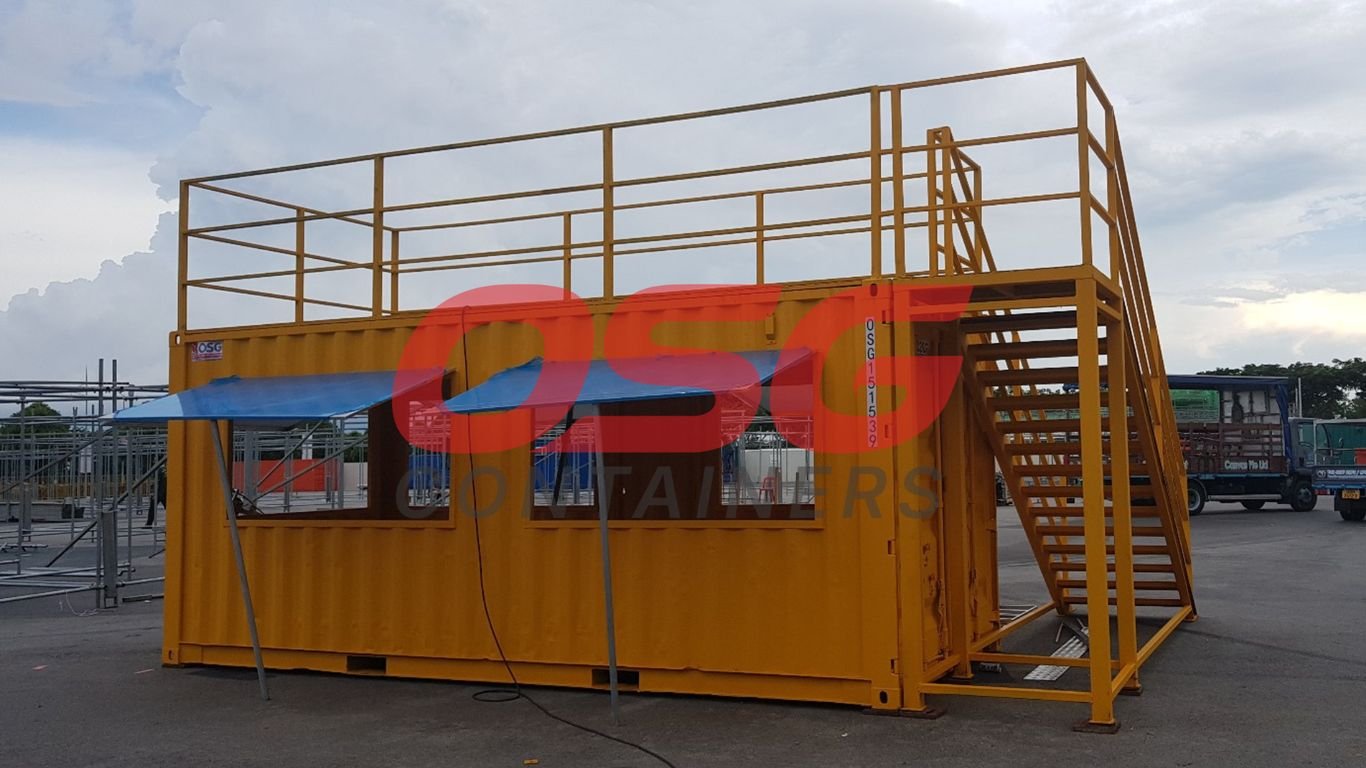
You see them everywhere, those big metal boxes stacked up at ports or on the back of trucks. But what if I told you a 20 ft container is way more than just a box for shipping stuff? Seriously, these things have a ton of hidden potential. People are turning them into all sorts of cool stuff, from tiny homes to shops and even workshops. It’s kind of amazing how versatile they are. We’re going to look at what makes a 20 ft container a great option, some neat ideas for changing them up, and real-world examples of how they’re being used today.
Key Takeaways
- A 20 ft container can be a new or used purchase, with used ones offering significant cost savings for projects where appearance isn’t critical.
- When buying used, always check for rust, structural damage, and proper seals to avoid problems later.
- Containers can be transformed into many things, like farms, shops, homes, or workshops, offering a flexible building solution.
- Repurposing containers is good for the environment because it uses fewer resources and reduces waste compared to building new.
- The cost of a 20 ft container, especially a used one, makes it an affordable starting point for various commercial, residential, or personal projects.
Understanding Your 20 Ft Container Options
When you start looking into using a 20 foot sea container for a project, the first big question is whether to go new or used. It sounds simple, but there’s actually a lot to think about. Your choice here really sets the stage for your entire project’s budget and outcome.
New Containers: Pristine Condition and Ideal Uses
Buying a new container, often called a ‘one-trip’ container, means it’s only been used for a single journey from the factory to its current location. They’re basically in perfect shape. Think spotless interiors, original paint, and no dents or rust. This makes them ideal for projects where appearance matters a lot, or where hygiene is super important.
- Food Service: If you’re building a cafe, food truck, or even just storage for food products, a new container is a must. You don’t want any weird smells or residues from previous cargo.
- Customer-Facing Businesses: For pop-up shops, retail spaces, or anything where customers will see it, that clean, professional look really counts.
- Sensitive Storage: Storing electronics, medical supplies, or anything that needs top-notch protection from the elements? A new container offers the best seal and structural integrity.
- Long-Term Projects: If your plan is to use the container for 10 years or more, the initial higher cost of a new one can actually be more economical over time due to its longer lifespan.
Used Containers: Cost Savings and Practical Scenarios
Used containers are where you can really save some money upfront. They’ve seen a bit of life, meaning they might have some cosmetic wear and tear – maybe a few dents, some scratches, or faded paint. But don’t let that fool you; many are still in great shape structurally.
There are generally two main types of used containers you’ll find:
- Cargo Worthy (CW): These have been inspected and are certified to be structurally sound and watertight. They’re good for projects where the container might still be moved around occasionally or needs to hold up well.
- Wind and Water Tight (WWT): These are typically older or have had more repairs. They are guaranteed to be watertight and windproof, but their cosmetic condition might be rougher, and they’re usually best for stationary uses.
Here’s a quick look at how costs can stack up over time. Remember, these are just estimates and can change based on location and market conditions:
| Expense Category | New Container | Cargo Worthy (Used) | Wind & Water Tight (Used) |
|---|---|---|---|
| Initial Purchase | $5,000 | $3,500 | $2,500 |
| Delivery | $800 | $800 | $800 |
| Maintenance (5 yrs) | $200 | $500 | $800 |
| Repairs (5 yrs) | $0 | $300 | $600 |
| 5-Year Total Cost | $2,500 | $3,100 | $3,700 |
As you can see, while used containers save money initially, maintenance and repair costs can add up. For projects that will last many years, a new container might actually be cheaper in the long run.
When you’re looking at used containers, it’s really important to know what you’re getting into. Don’t just go for the cheapest option without checking it out. A little bit of wear is fine, but you don’t want something that’s falling apart or has hidden problems that will cost you more later.
Key Inspection Points for Used 20 Ft Containers
Buying a used shipping container means you need to be a bit of a detective. Here’s what to look for:
- Structural Integrity: Check the frame, corners, and cross members for any major rust or damage. Look along the roof and sides for significant dents or signs of previous major repairs.
- Doors and Seals: Open and close the doors. They should operate smoothly. Check the rubber gaskets around the doors for cracks or compression – these are key to keeping water out.
- Floor Condition: Walk around inside. Look for soft spots, delamination (where the plywood layers separate), or water damage. Check for any strong chemical odors or stains.
- Roof: Inspect the roof from the outside if possible. Look for patches, excessive rust, or sagging.
- Water Test: The best way to check if it’s watertight is to have it inspected on a sunny day from the inside. If you can see light coming through anywhere, water can get in too. You can also ask if the seller has performed a water test.
- Cargo History: If possible, ask about what the container previously carried. While not always possible to know, avoiding containers that held hazardous chemicals is a good idea.
Transforming 20 Ft Containers: Creative Conversion Ideas
So, you’ve got a 20ft container, and you’re wondering what on earth to do with it besides just storing stuff. Well, get ready, because these metal boxes are way more versatile than you might think. People are turning them into all sorts of cool things, pushing the boundaries of what a simple shipping container can be. It’s not just about basic storage anymore; it’s about creating functional, unique spaces.
Innovative Agricultural Applications
Farming is getting a serious upgrade thanks to shipping containers. Think about it: you can create controlled environments for growing pretty much anything, anywhere. These containers are perfect for setting up indoor farms, especially for things that need specific conditions. We’re talking about growing vegetables, herbs, or even flowers, all under one roof – or rather, one metal roof.
- Vertical Farming: Stack them up to maximize growing space in urban areas.
- Mushroom Cultivation: Create the dark, humid environments needed for fungi.
- Hydroponic/Aquaponic Systems: Easily house the equipment for soil-free growing.
Beyond just growing plants, containers are also being used as modern, cost-effective barns. They offer secure shelter for livestock or a dry place to keep tractors and other farm equipment safe from the elements and theft. Plus, you can easily add more containers as your needs grow, making a modular barn system.
The ability to control temperature, humidity, and light makes containers ideal for specialized crops or year-round production, reducing reliance on traditional land and weather.
Unique Community and Public Space Projects
Communities are getting creative too, using containers to add value and functionality to public areas. They’re surprisingly adaptable for all sorts of civic projects. Need a small library in the park? A pop-up information booth? Or maybe a covered seating area for a bus stop? A container can do that.
- Community Gardens Hubs: Use them as tool sheds, potting stations, or small greenhouses.
- Public Art Installations: Transform them into unique, eye-catching sculptures or display spaces.
- Playground Elements: With proper design and safety measures, they can become fun, interactive play structures for kids.
These projects often bring people together and add character to neighborhoods. They’re a practical way to provide needed services or amenities without a massive construction budget.
Personalized Hobby and Workshop Spaces
For the DIY enthusiast or the serious hobbyist, a 20ft container can be the ultimate personal workshop. Forget about cramming your tools and projects into a corner of the garage. You can create a dedicated space that’s secure, weather-resistant, and fully customizable to your needs.
- Woodworking Shop: Plenty of space for tools, benches, and materials.
- Art Studio: Natural light can be added, and it provides a private space for creative work.
- Motorcycle/Bike Garage: Keep your prized possessions safe, dry, and ready for maintenance.
Adding insulation is a smart move here to keep the temperature stable, and you can outfit it with shelving, workbenches, and even ventilation systems. It’s your own private sanctuary for whatever passion project you’re working on.
Commercial Applications for Converted 20 Ft Containers
When you think about businesses and shipping containers, you might first picture them stacked high at a port. But these sturdy metal boxes are finding new life as commercial spaces, offering a flexible and often more affordable alternative to traditional brick-and-mortar buildings. They’re great for businesses that need to be mobile or want a unique look.
Pop-Up Shops and Retail Ventures
Pop-up shops are all about creating buzz and temporary retail experiences. A 20ft container is a perfect canvas for this. You can outfit it with shelving, display areas, and even a small counter. The ability to move your shop to different locations or events is a huge advantage. Think seasonal boutiques, sample sales, or even a temporary gallery space. They’re also fantastic for testing out a new retail concept without the long-term commitment of a lease.
Here’s a quick look at what goes into a retail conversion:
- Design & Layout: Planning where your displays, checkout, and any fitting rooms will go.
- Insulation & Climate Control: Keeping customers comfortable year-round.
- Flooring: Durable and attractive options like vinyl or sealed concrete.
- Lighting: Bright and inviting illumination is key for retail.
- Exterior Finish: Paint, signage, and window placement to attract attention.
Mobile Food Service and Catering Hubs
Food trucks are common, but a converted container offers a more stationary, yet still mobile, food service solution. Imagine a gourmet coffee stand, a taco bar, or a specialized dessert shop. These containers can be fitted with all the necessary kitchen equipment, plumbing, and ventilation. They’re ideal for food festivals, farmers’ markets, or even as a semi-permanent fixture in a busy area. For catering companies, a container can serve as a central prep kitchen or a serving station at events.
Considerations for food service containers:
- Health Code Compliance: Ensuring all installations meet local regulations.
- Ventilation: Proper exhaust systems are non-negotiable.
- Water & Waste: Setting up reliable water supply and waste disposal.
- Equipment Integration: Fitting in fryers, ovens, refrigerators, and sinks.
Converting a container for food service requires careful planning to ensure both functionality and safety. It’s not just about putting a stove in a box; it’s about creating a hygienic and efficient workspace that can handle the demands of a busy kitchen.
Secure Storage and Equipment Garages
Beyond retail and food, containers are excellent for secure storage. Businesses often need to store tools, equipment, or inventory securely on-site. A 20ft container provides a robust, weather-resistant solution. For tradespeople, it can be a mobile workshop or a secure place to keep expensive tools and materials at a job site. Some companies even use them as temporary or permanent garages for vehicles or specialized machinery. While not typically an open top container, standard shipping containers offer excellent security against the elements and theft.
Key features for secure storage:
- High-Security Locks: Upgrading the standard locking mechanisms.
- Weatherproofing: Ensuring seals are tight to prevent water damage.
- Ventilation: Preventing moisture buildup and condensation.
- Organization: Adding shelving or racks for efficient storage.
Residential Uses for Versatile 20 Ft Containers
When you think about living spaces, a metal box probably isn’t the first thing that comes to mind. But honestly, these 20ft containers are becoming super popular for all sorts of home-related projects. They’re tough, they can be moved around, and if you’re looking to build something unique without breaking the bank, they’re definitely worth a look.
Compact and Sustainable Housing Solutions
Forget those sprawling mansions for a second. For folks who want a smaller footprint, either because they want to be more eco-friendly or just don’t need a ton of space, container homes are a great answer. You can stack them, line them up, or just use one as a cozy little place. They’re built to handle rough weather, which is a big plus, and using a container that’s already been made means you’re not using as many new resources. It’s a smart way to build.
- Reduced Material Waste: Repurposing a container means less new lumber, concrete, and other building materials are needed.
- Energy Efficiency: With proper insulation, container homes can be very energy efficient, cutting down on heating and cooling costs.
- Faster Construction: Compared to traditional building, container homes can often be put up much quicker.
Unique Holiday Home Retreats
Imagine having a cool little getaway spot that’s totally yours. Shipping containers are perfect for this. You could put one out in the woods, by a lake, or even on a beach if you’ve got the land. They offer a really unique vibe, kind of rustic but modern at the same time. Plus, since they’re pretty self-contained, they make for a low-maintenance escape.
Building a holiday home from a container means you can create a truly distinctive retreat. It’s about crafting a personal sanctuary that stands out from the usual cabins or cottages, offering a blend of industrial charm and cozy comfort.
Functional Home Office and Studio Spaces
Lots of us are working from home these days, and sometimes the kitchen table just doesn’t cut it. A 20ft container can be transformed into a dedicated office or studio space. You can set it up in your backyard, giving you a clear separation between work and home life. Add some windows for light, a desk, and maybe even a small seating area, and you’ve got a productive workspace that’s separate from the main house. It’s a solid option for anyone needing a bit of extra room to focus.
Here’s a quick look at what you might need to consider for a home office conversion:
- Insulation: This is key for comfort year-round. Spray foam or rigid foam panels work well.
- Ventilation: Good airflow is important to prevent moisture buildup and keep the air fresh.
- Electrical: You’ll need power for lights, computers, and other devices. Plan for outlets and lighting.
- Finishing Touches: Think about flooring, wall coverings, and any built-in furniture.
The Environmental and Economic Advantages
Sustainability Through Repurposing
Choosing a used shipping container is a pretty smart move for the planet. Instead of making a brand new one, which takes a ton of energy and resources, you’re giving an old one a new life. Think about it: each container you reuse means less steel needs to be mined and processed. That saves a good chunk of energy, like 8,000 kWh per container, and cuts down on the carbon emissions that come with manufacturing. It’s a simple way to reduce waste and support a more circular economy. Plus, it keeps perfectly good containers out of landfills.
Long-Term Return on Investment Analysis
When you’re looking at the numbers, especially over several years, used containers often come out ahead. While a new container might cost more upfront, the savings from a used one can add up, even with a bit more spent on maintenance. For shorter-term projects or when budget is tight, the initial cost difference is significant. However, if you plan to use the container for a decade or more, a new one might eventually be more cost-effective due to lower repair needs and better resale value. It really depends on how long you need it and what you’re doing with it.
Here’s a quick look at how the costs can stack up over 5 years:
| Expense Category | New Container | Used (Cargo Worthy) | Used (Wind & Water Tight) |
|---|---|---|---|
| Initial Purchase | $5,000 | $3,500 | $2,500 |
| Delivery | $800 | $800 | $800 |
| Maintenance (5 yr) | $200 | $500 | $800 |
| Repairs (5 yr) | $0 | $300 | $600 |
| Resale Value | $3,500 | $2,000 | $1,000 |
| 5-Year Total Cost | $2,500 | $3,100 | $3,700 |
Cost-Effective Customization Possibilities
One of the best parts about using containers is how adaptable they are, and using a used one can free up more cash for those cool modifications. You can add windows, doors, insulation, or even run electricity without breaking the bank. The money you save on the container itself can go towards making it exactly what you need, whether that’s a cozy home office, a functional workshop, or a unique retail space. It makes custom projects much more accessible.
The initial savings from a used container can be substantial, often 30-60% less than a new one. This lower entry cost means you have more budget flexibility for essential customizations like insulation, electrical work, or aesthetic upgrades, turning a basic shell into a highly functional and personalized space without blowing your budget.
Specialized and Niche 20 Ft Container Applications
Scientific Laboratory and Research Units
When you need a controlled environment for sensitive work, a 20ft container can be surprisingly effective. Think about setting up a small, mobile lab for field research or a dedicated space for testing materials. These units can be outfitted with specialized ventilation, temperature control systems, and even cleanroom features. For projects requiring specific containment, like handling certain chemicals or biological samples, a modified container offers a secure and isolated workspace. It’s a practical way to get a functional lab up and running without the massive cost of building a permanent structure. We’ve seen them used for everything from soil analysis on remote sites to small-scale pharmaceutical development.
Art Galleries and Creative Installations
Containers offer a blank canvas for artists and curators. Their industrial aesthetic can complement certain types of art, or they can be completely transformed to suit any theme. A 20ft container can become a compact, striking gallery space for a solo exhibition or a unique installation piece itself. They’re easy to transport to different locations, making them ideal for pop-up exhibitions, festivals, or temporary public art projects. Imagine a series of containers arranged to create an immersive experience or a single container showcasing a powerful sculpture.
Event Venues and Branded Experiences
For events, a 20ft container can serve multiple purposes. It can be a ticket booth, a VIP lounge, a merchandise stand, or even a small stage. Their modular nature means you can link several together for larger setups. Companies can also use them for branded activations, creating memorable pop-up experiences that draw attention. Think about a branded coffee bar at a music festival or a product demonstration space at a trade show. They’re a cost-effective way to create a unique and engaging presence.
The adaptability of a 20ft container means it can be tailored to very specific needs. Whether it’s housing delicate scientific equipment or serving as a striking visual element at an event, the core structure provides a robust starting point. Customization is key here, turning a simple box into a highly functional and specialized unit.
Key Considerations for Niche Applications:
- Climate Control: Many specialized uses require precise temperature and humidity regulation.
- Power and Utilities: Access to reliable electricity, water, and waste disposal is often critical.
- Security: Protecting valuable equipment, sensitive materials, or artwork is paramount.
- Mobility: The ability to transport the unit to different locations can be a significant advantage.
While not as common as storage or housing, the potential for 20ft containers in specialized roles is vast. Even specialized tanks, like an isotank for transporting liquids, are a form of container modification, showing how versatile these steel boxes truly are.
So, What’s the Takeaway?
Look, shipping containers are more than just big metal boxes for stuff. We’ve seen how they can be turned into all sorts of things, from shops and homes to farms and workshops. Whether you go for a brand-new one or a used one, there’s a container out there ready for your next project. They’re tough, they’re adaptable, and honestly, they’re a pretty smart way to get a lot of space without breaking the bank. So next time you see one, don’t just see a container; see the potential.
Frequently Asked Questions
What’s the main difference between a new and a used shipping container?
New containers are fresh off the factory line, looking sharp and having no past. They’re great for businesses where looks matter, like food places or shops, and for storing sensitive stuff. Used containers have seen some action but are usually cheaper and still work great for storage, workshops, or projects where a perfect look isn’t the top priority. They’re a good way to save money and reuse materials.
What should I look for when buying a used shipping container?
When checking out a used container, look closely for rust, especially on the roof and corners. Make sure the doors open and close easily and that the container sits level without sagging. Inside, check the floor for soft spots or weird smells, and try to find out what it used to carry. A quick check for light coming through from the outside can show you where there might be holes or bad seals.
Are shipping containers good for building a house?
Yes, shipping containers can be a really cool and eco-friendly way to build homes! People use them for small, simple houses or even link several together for bigger homes. They’re strong and can be made into unique living spaces, often costing less than traditional building methods, especially if you’re going for a sustainable design.
Can I use a shipping container as a business space?
Absolutely! Shipping containers are fantastic for businesses. You can turn them into pop-up shops, cafes, bars, food trucks, or even secure storage for equipment. They’re mobile and can be set up pretty quickly, making them a flexible and often more affordable option than renting a traditional storefront.
How much does it cost to convert a shipping container?
The cost can change a lot depending on what you want to do. Basic things like adding a window or a door might cost a few hundred to a thousand dollars. More complex jobs, like adding electricity, plumbing, or insulation, can add several thousand dollars to the total. The price also depends on whether you start with a new or used container.
Are shipping containers environmentally friendly?
Using shipping containers is a great way to be eco-friendly! By reusing containers that have already been made, you’re saving the energy and resources it would take to create new ones. It’s a form of recycling that keeps these sturdy metal boxes out of landfills and gives them a new, useful life.