Singapore
 Australia
 Indonesia
 Japan
Japan Malaysia
 New Zealand
 Philippines
 South Korea
 Taiwan
 Thailand
 VIETNAM
Think about the last time you got a package. Was it just a plain brown box, or did it make you feel something? Brands are getting really smart about this. They’re using special boxes, called customized containers, to make opening your order feel like an event. It’s not just about protecting what’s inside anymore; it’s about telling a story and making you feel connected to the brand even before you see the product. This article looks at how companies come up with these unique boxes, design them, and bring them to life, turning simple packaging into a whole experience.
Key Takeaways
- Customized containers are more than just packaging; they are a direct reflection of a brand’s identity and values, creating a memorable first impression.
- The process of creating customized containers involves stages like brainstorming innovative ideas, defining brand essence, and collaborative design to ensure uniqueness.
- Material selection for customized containers is crucial, balancing durability, aesthetic appeal, and the opportunity to communicate eco-friendly values.
- Bringing customized containers to life requires precision in manufacturing and strict quality control to maintain brand excellence and timely delivery.
- Smart and reusable customized containers can extend brand visibility and customer engagement by integrating technology or offering multi-use functionality.
The Strategic Importance Of Customised Containers
Think about the last time you got a package. Was it just a plain brown box, or did it make you pause for a second? That first impression, even before you see the product, is where customized containers really shine. They’re not just there to hold stuff; they’re a big part of how people see your brand. It’s like the cover of a book – it tells a story before you even read a word.
Elevating Brand Identity Beyond The Product
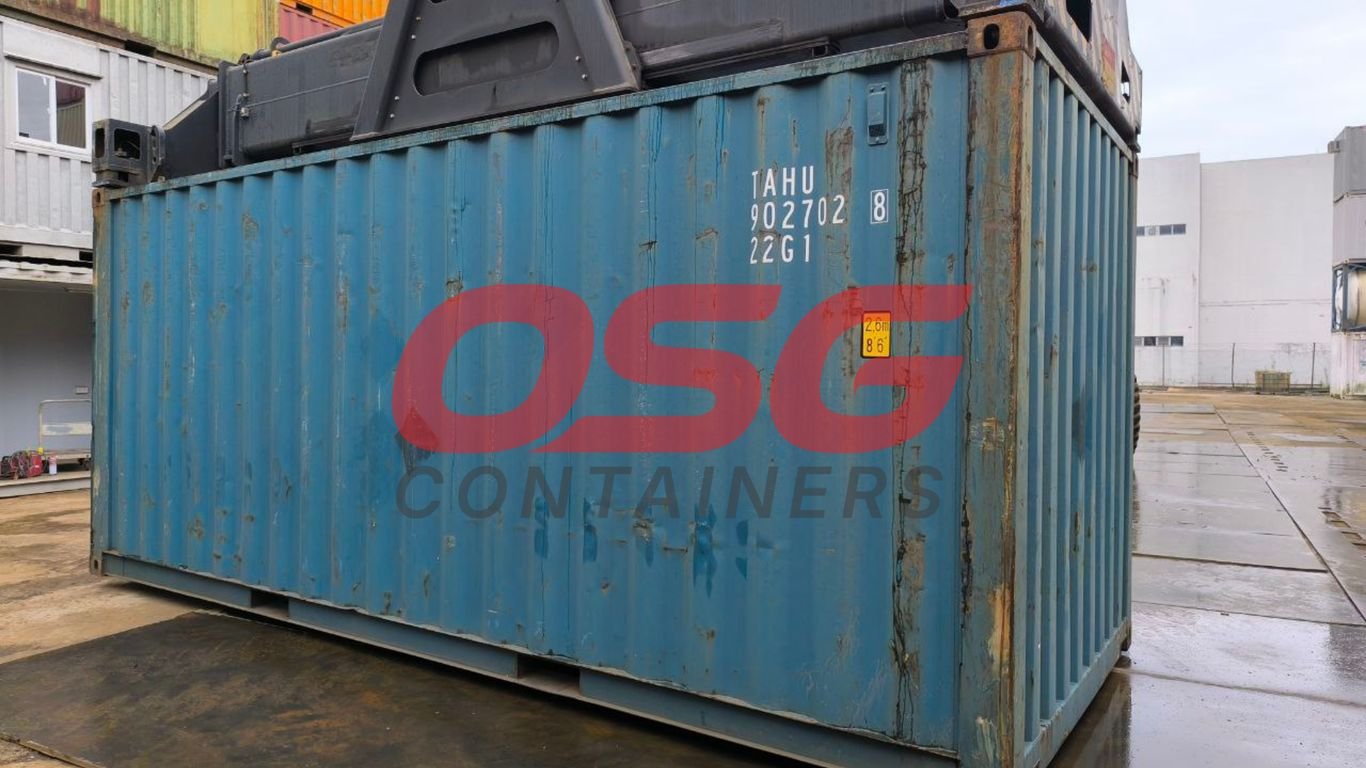
Your brand is more than just your logo or your product. It’s the feeling people get when they interact with you. Customized containers are a direct way to put that feeling into their hands. Imagine a skincare brand sending out products in boxes that feel soft and luxurious, or an outdoor gear company using rugged, textured packaging. It all adds up. Even something as simple as a standard sea container can be branded to make a statement during transit.
- Visual Consistency: Makes sure your brand looks the same everywhere, from your website to the package arriving at someone’s door.
- Emotional Connection: The look and feel of the packaging can create a positive emotional response, making customers feel good about their purchase.
- Storytelling: Packaging can communicate your brand’s values, like sustainability or innovation, without needing a lot of text.
The right packaging transforms a simple delivery into a memorable event, reinforcing brand values and customer loyalty with every unboxing.
Transforming Packaging Into A Conversation Starter
Let’s be honest, people love sharing cool things they get. If your packaging is unique or interesting, customers might just post it online or tell their friends. That’s free advertising! It turns a simple transaction into something shareable, creating buzz around your brand organically. It’s packaging that doesn’t just sit there; it gets people talking.
Differentiating In A Crowded Marketplace
Walk down any store aisle or scroll through an online shop, and you’ll see tons of options. How do you stand out? Your packaging is a huge opportunity. A well-designed, custom container can catch someone’s eye and make them choose your product over a competitor’s, even if they’re similar. It’s about making your product instantly recognizable and desirable.
| Feature | Standard Packaging | Customized Packaging |
|---|---|---|
| Brand Recognition | Low | High |
| Customer Engagement | Minimal | Significant |
| Differentiation | Difficult | Easy |
Conceptualizing Your Customised Containers
This is where the magic really starts to happen. Before you even think about colors or shapes, you need to dig into what your brand is all about. What’s the core feeling you want people to get when they see or touch your packaging? It’s not just about holding a product; it’s about telling a story.
Brainstorming Sessions For Innovative Ideas
Get a bunch of people in a room – maybe from marketing, design, even sales. Throw ideas around. No bad ideas at this stage, seriously. Think about the customer’s journey from the moment they see the box to when they’ve used the product. What kind of experience do you want to create? We’re talking about wild ideas, practical ideas, anything that might spark something great. Using a whiteboard or a shared digital space can really help get all those thoughts out where everyone can see them.
- Consider the unboxing moment: How can it be surprising or delightful?
- Think about the product’s life after it’s out of the box: Can the container be reused?
- What emotions should the packaging evoke? Excitement? Trust? Calm?
Defining Brand Essence Through Design
Once you’ve got a pile of ideas, it’s time to filter. What truly represents your brand? If your brand is all about being eco-friendly, that needs to shine through. If it’s about luxury, the concept should feel premium. This is where you start linking those brainstormed ideas back to your brand’s core values and personality. It’s like finding the soul of your packaging.
The goal here is to translate abstract brand qualities into tangible design elements that will eventually form the packaging.
Collaborative Ideation For Unique Concepts
This isn’t a solo mission. Working together is key. Different perspectives bring different strengths. Maybe someone from customer service has a great insight into what customers actually want or struggle with. Designers can start sketching rough concepts based on the refined ideas. It’s a back-and-forth process, building on each other’s input until you land on a few strong directions that feel right for the brand and exciting for the customer.
Designing The Perfect Customised Containers
So, you’ve got some cool ideas from your brainstorming sessions. Now comes the part where we actually make those ideas look good and work right. This is where the magic happens, turning a basic box into something that really speaks for your brand.
Balancing Aesthetics With Functional Requirements
This is the big one, right? You want your container to look amazing, but it also has to do its job. Think about it: a super fancy box that falls apart in shipping isn’t going to win anyone over. We need to find that sweet spot where it’s eye-catching and also tough enough to protect whatever’s inside. It’s like making sure your favorite mug looks great on the shelf but is also sturdy enough for your morning coffee.
- Durability: Can it handle being moved around, stacked, and maybe even dropped a little?
- Usability: Is it easy for people to open and handle without a struggle?
- Brand Fit: Does the look and feel match what your brand is all about?
Leveraging Color Psychology For Impact
Colors aren’t just pretty; they actually make people feel things. Picking the right colors for your container can totally change how someone sees your brand. Think about it: bright, bold colors might suggest energy and fun, while muted tones could signal sophistication or calm. It’s a subtle way to guide someone’s feelings before they even open the product.
The choice of color can influence perception more than you might think. It’s a silent communicator, setting a mood and expectation for the experience to come.
Creating Visual Mockups For Stakeholder Approval
Before we go all-in on production, we need to see what it’s actually going to look like. This is where mockups come in. They’re like a dress rehearsal for your container. We can create 3D models or even physical prototypes to show everyone involved – your team, your boss, maybe even a key client. This way, everyone’s on the same page, and we can catch any issues or make tweaks before spending a ton of money. It’s way easier to change a digital file than a whole batch of finished boxes. This stage is also where you might consider if you need something more industrial, like looking into used containers or even second hand office containers for sale if the application is different, but for product packaging, it’s about the visual and protective aspects. Working with a good container supplier is key here to get these mockups right.
Material Selection: The Foundation Of Quality
Picking the right stuff for your custom containers is a big deal. It’s not just about how it looks, but how it feels, how strong it is, and even how it gets to your customer. Think of it as the backbone of your whole design. Get this wrong, and even the coolest graphics can fall flat.
Choosing Materials For Durability And Appeal
When you’re thinking about materials, you’ve got a bunch of options. Each one brings something different to the table. You want something that feels good in the hand, right? That first touch is super important. A smooth, solid feel tells people you care about quality. On the flip side, flimsy or rough materials can make your brand seem cheap, no matter how nice the design is.
Here are some common choices and what they’re good for:
- Paperboard: Great for folding boxes. It’s light, easy to print on, and works well for detailed designs.
- Corrugated Board: This is your go-to for strength. If your product is heavy or needs extra protection during shipping, corrugated is the way to go.
- Rigid Board: For that premium, high-end feel. Think luxury goods or special gift boxes. It’s sturdy and gives a substantial impression.
- Kraft Paper: If you’re aiming for a natural, eco-friendly vibe, kraft paper is a solid pick. It’s recyclable and has a nice, earthy look.
Communicating Brand Values Through Eco-Friendly Options
These days, people really pay attention to whether a brand is being good to the planet. So, the materials you choose can actually say a lot about your company’s values. Using recycled paper, plant-based plastics, or even biodegradable options shows you’re thinking beyond just the sale. It connects with customers who care about sustainability. It’s not just about looking good; it’s about doing good too.
Choosing materials that are recyclable or made from recycled content can significantly impact how customers perceive your brand. It signals responsibility and forward-thinking, aligning with a growing consumer preference for environmentally conscious products.
Ensuring Structural Integrity For Product Protection
Beyond looks and feel, the material has to do its job: protect your product. A container that bends, tears, or breaks during transit is a disaster. It means damaged goods, unhappy customers, and lost money. You need to test your materials to make sure they can handle the journey from your warehouse to the customer’s doorstep. This means thinking about how they stack, how they handle bumps, and how they hold up under different conditions. It’s all about making sure the product arrives in perfect shape, every single time.
Bringing Customised Containers To Life
Precision In The Manufacturing Process
So, you’ve got this amazing design, right? The colors are perfect, the shape is just what you envisioned, and it really screams your brand. But how do you actually make it happen? This is where the rubber meets the road, so to speak. Manufacturing is all about taking that digital blueprint and turning it into a physical thing you can hold. It’s not just about slapping ink on cardboard; it’s a whole process. Think about the machines involved – they need to be calibrated just right to cut, fold, and glue everything perfectly. Even a tiny slip-up here can mean a box that doesn’t close properly or graphics that are a bit off. The real magic happens when the design team and the production team are in sync. They need to talk constantly to make sure what looks good on a screen can actually be built efficiently and accurately.
Integral Quality Control For Brand Excellence
Once things are being made, you can’t just assume it’s all going to be perfect. That’s where quality control comes in. It’s like having a sharp-eyed inspector who checks every single box (or at least a good sample) before it gets packed up. They’re looking for all sorts of things:
- Are the colors exactly as specified?
- Are there any smudges or printing errors?
- Is the box sturdy and free from dents or tears?
- Does it assemble correctly without any fuss?
- Are all the measurements spot on?
This isn’t just about making sure the box looks good; it’s about making sure it does its job. A poorly made box can actually hurt your brand more than no box at all. It sends a message that you don’t pay attention to details, and nobody wants that.
Optimizing Production For Timely Delivery
Finally, getting these custom containers to you when you need them is a big deal. Production schedules can get pretty packed, and delays can throw a wrench in your whole product launch or inventory plan. Smart manufacturers plan their runs carefully. They figure out the most efficient way to produce your specific boxes, maybe by grouping similar jobs together or setting up machines in a way that minimizes downtime. It’s a bit like a well-choreographed dance.
The goal is to have a smooth, predictable flow from raw materials to finished goods, all while keeping an eye on costs and making sure the final product meets all the quality checks. It’s a balancing act, for sure, but when it works, it means your custom containers arrive on time, looking exactly how you wanted them to.
This whole stage is really about making sure the vision you had in the design phase actually shows up at your doorstep, ready to impress your customers.
Enhancing Experiences With Smart And Reusable Packaging
Think about your favorite product packaging. Chances are, it wasn’t just a plain box. Today, brands are doing way more than just protecting their goods; they’re turning containers into part of the whole experience. This means making them smart, useful, and something people actually want to keep around.
Integrating Technology For Interactive Journeys
This is where things get really interesting. We’re talking about packaging that does more than just sit there. By adding things like QR codes or even NFC chips, a simple box can become a gateway to more information or fun content. Imagine scanning a code on a coffee bag and instantly getting a video about where the beans came from, or maybe a special brewing guide. It’s like a little digital adventure right in your hands. This makes the unboxing feel like the start of something bigger, not just the end of a purchase.
- QR Codes: Link to websites, videos, or special offers.
- NFC Chips: Enable quick taps for product authentication or exclusive content.
- Augmented Reality (AR): Bring product information or brand stories to life visually.
Smart packaging transforms a passive container into an active communication tool, bridging the gap between the physical product and the digital world. It’s about creating a connection that lasts beyond the initial moment of opening.
Extending Brand Visibility Through Multi-Use Designs
Why throw away a perfectly good box? Smart brands are designing containers that people want to reuse. Think about a sturdy, nicely designed box that can become storage for desk supplies, a keepsake holder, or even a decorative piece. When packaging gets a second life, your brand stays visible in a positive way. It’s a win-win: customers get something practical, and your brand gets continued exposure without adding to waste.
| Feature | Benefit |
|---|---|
| Durable Materials | Supports repeated use and longevity. |
| Thoughtful Design | Encourages repurposing for storage or decor. |
| Easy Assembly/Disassembly | Simplifies reuse and storage. |
Structural Innovation For Lasting Impressions
Sometimes, it’s the physical design itself that makes packaging memorable and reusable. This could be a unique folding mechanism, a magnetic closure that feels satisfying, or a shape that’s just too nice to discard. These structural choices aren’t just about looks; they add a layer of quality and thoughtfulness that customers notice. When packaging feels like a gift that keeps on giving, it leaves a much stronger, more positive impression. It shows you care about the entire customer journey, from the moment they see the product to long after they’ve taken it home.
Bringing It All Together
So, we’ve seen how custom containers are way more than just boxes. They’re like the first handshake a brand gives its customers, setting the stage for the whole experience. From dreaming up cool ideas to picking just the right materials and getting them made perfectly, it’s a whole process. When done right, this kind of thoughtful packaging really makes a brand stick in people’s minds and shows they actually care about the details. It’s pretty neat how a simple box can do so much heavy lifting for a brand’s story and connection with its audience.
Frequently Asked Questions
What exactly are custom boxes and why do brands use them?
Custom boxes are special containers made to perfectly fit a brand’s product and show off its unique style. Brands use them because they help products stand out, make a good first impression, and tell a story about the company even before you open the item. Think of them as a way for the brand to say hello and show they care about details.
How do brands come up with ideas for custom boxes?
It all starts with brainstorming, which is like a creative party where people share lots of ideas. They think about the brand’s personality, what colors feel right, and how to make the box exciting for customers. It’s a team effort to dream up something cool and different.
What’s more important: making the box look good or making it work well?
It’s a mix of both! The box needs to look amazing and catch your eye, but it also has to be strong enough to protect the product inside. Designers have to find that sweet spot where the box is both beautiful and practical, like a cool-looking backpack that’s also comfy to wear.
Does the material used for the box really matter?
Yes, it matters a lot! The material affects how strong the box is, how nice it feels, and even what people think about the brand. Using recycled paper shows the brand cares about the planet, while a sturdy, fancy material might suggest luxury. It’s like choosing clothes – the fabric makes a big difference.
What happens after the box is designed and the materials are chosen?
Once the design is ready, it goes into production. This is where machines and skilled workers carefully build the boxes exactly as planned. There are lots of checks to make sure each box is perfect, strong, and looks just right before it’s sent out.
Can custom boxes do more than just hold a product?
Definitely! Some boxes have special features like QR codes that link to videos or games, making them interactive. Others are designed to be reused for storage or decoration, so the brand stays visible longer and less waste is created. It’s like getting a cool bonus gift with your purchase!