Singapore
 Australia
 Indonesia
 Japan
Japan Malaysia
 New Zealand
 Philippines
 South Korea
 Taiwan
 Thailand
 VIETNAM
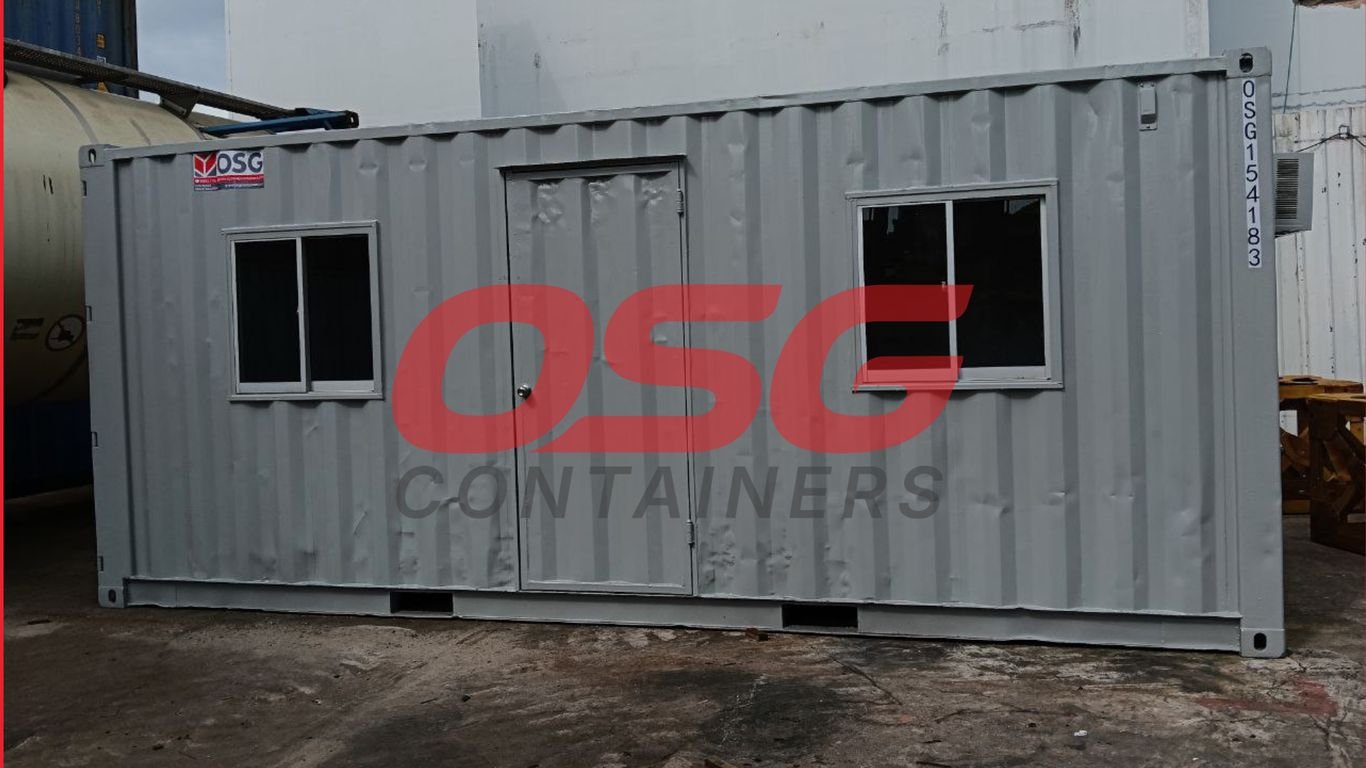
So, you’re thinking about getting an office container rental. Smart move, especially with office space costs these days. But before you sign on the dotted line, there are a few things you really need to check out. It’s not just about picking a box; it’s about making sure it fits your needs, stays secure, and doesn’t cause you a headache later. Let’s break down what to look for, what you can change, and what to steer clear of.
Key Takeaways
- Figure out exactly how much space you need. Don’t rent a container that’s too big and costs you extra, or too small and doesn’t fit your stuff.
- Always give the office container a good once-over before you agree to rent it. Check inside and out for any damage, soft spots on the floor, or signs of pests.
- Security is a big deal. Make sure the container has a solid lock and consider extra security like a lock box to keep your belongings safe.
- Think about what you want to do with the container. Some places let you make changes, like adding power or insulation, but check their rules first.
- Don’t forget about local rules. You might need a permit, and you need to make sure you have enough room for delivery. Also, never put the container straight on the ground.
Assess Your Space Requirements
Before you even start looking at specific container models or companies, the very first thing you need to figure out is just how much room you actually need. It sounds obvious, right? But seriously, this step can save you a ton of cash and hassle down the line. Renting a container that’s way too big means you’re paying for empty space you’ll never use. On the flip side, if you underestimate, you might end up needing a second container or, worse, having to cram everything in, which isn’t ideal for an office.
Determine the Necessary Square Footage
Think about what you’ll be doing in this office container. Will it just be a desk and a chair for one person, or do you need space for multiple workstations, a small meeting area, or even storage for supplies? Make a list of everything that needs to fit. It helps to sketch out a rough floor plan. Consider the height, too – standard containers are about 8.5 feet tall, but you might need more headroom depending on your setup.
Consider Container Dimensions for Your Needs
Containers come in standard sizes, most commonly 20-foot and 40-foot lengths. A 20-foot container is roughly 160 square feet, while a 40-foot is about 320 square feet. For a small, single-person office, a 20-foot might be plenty. If you need more room for equipment, staff, or a more comfortable workspace, a 40-foot is probably a better bet. Some companies also offer 10-foot units, which are great for very limited space needs.
Here’s a general idea:
| Container Size | Approximate Interior Dimensions (L x W x H) | Best For |
|---|---|---|
| 10-foot | 9′ 5" x 7′ 7" x 7′ 10" | Single workstation, minimal storage |
| 20-foot | 19′ 4" x 7′ 7" x 7′ 10" | 1-2 people, small meeting area, moderate storage |
| 40-foot | 39′ 5" x 7′ 7" x 7′ 10" | 3+ people, multiple workstations, larger meeting space, significant storage |
Avoid Overspending on Unused Space
It’s tempting to go for the biggest size just to be safe, but really try to be realistic. If you’re only going to have one or two people in there and not much equipment, a 40-foot container is likely overkill. You’ll be paying a premium for space that just sits empty. On the flip side, don’t squeeze yourself into a space that’s too small. You want a functional office, not a cramped closet. Getting the size right from the start is probably the single biggest way to control rental costs.
Don’t forget to factor in any modifications you might want. If you plan to add shelving, a small kitchenette, or a separate partition, these will take up some of your usable floor space. Always measure twice and rent once, as they say.
Inspect Your Office Container Thoroughly
Before you sign on the dotted line for that office container, a good once-over is absolutely necessary. You wouldn’t buy a used car without checking under the hood, right? The same goes for renting a site office container. Taking a few minutes to inspect it can save you a world of trouble down the road. Whether you’re looking at new or used office containers for sale, or just renting for a short period, this step is non-negotiable.
Examine Exterior and Interior Condition
Start by walking around the outside. Look for any major dents, significant rust spots, or large holes. Check the paint – is it peeling badly? These can be signs of bigger issues or past damage. Then, step inside. Shine a light around. Are there any water stains on the ceiling or walls? These could point to leaks that might have gone unreported. Also, keep an eye out for any signs of mold, which can be a real headache to deal with.
Inspect the Floor for Damage and Soft Spots
Don’t forget the floor. It needs to be solid. Gently walk across it, especially near the edges and corners. Do you feel any give or softness? That could mean water damage or rot. Check if the flooring material itself is intact and not coming loose. A compromised floor isn’t just uncomfortable; it can be a safety hazard and might not support heavy equipment you plan to bring in.
Check for Any Evidence of Pests
This is a less pleasant but important check. You don’t want to move into an office container only to find it’s already home to unwanted guests. Look in corners, along seams, and under any built-in fixtures for droppings, gnaw marks, or actual pests. Bringing a flashlight is a good idea here to really get into the nooks and crannies. It’s better to find out now if there’s a pest problem than after you’ve moved your office supplies in.
A thorough inspection isn’t just about finding flaws; it’s about understanding the condition of the unit you’re renting. Document any existing damage with photos before you accept the container. This protects you and provides a clear record of its state upon delivery.
Prioritize Security Features
When you’re setting up an office container, keeping your stuff safe is a big deal. You don’t want to worry about break-ins or anything getting damaged, especially if you’re storing important documents or equipment. So, let’s talk about making sure your container is as secure as possible.
Ensure a Strong and Tamper-Resistant Lock
This is your first line of defense. A flimsy lock is basically an invitation for trouble. You need something solid that makes it hard for someone to just cut or pry their way in. Think heavy-duty, not your average padlock. Some containers come with basic locks, but it’s always worth checking if you can upgrade or if the rental company offers better options. A good lock is non-negotiable for peace of mind.
Evaluate the Benefit of a Lock Box
Beyond just the lock itself, consider a lock box. This is essentially a metal cover that goes over your padlock. It shields the lock from bolt cutters and makes it much harder to tamper with. It adds an extra layer of protection that can really slow down any would-be thief. It might seem like a small thing, but it makes a noticeable difference in how secure the container feels.
Consider Technological Security Enhancements
For those who need top-tier security, there are more advanced options. While these might cost a bit more, they offer significant protection. Think about things like:
- Alarm Systems: Motion-activated alarms can alert you if someone tries to get in.
- GPS Trackers: If the container were to be moved without your knowledge, a tracker could help locate it.
- Reinforced Doors and Seals: Some containers offer upgraded doors and seals that are harder to force open.
While basic security is important, don’t underestimate the value of advanced features if you’re storing high-value items. It’s about finding the right balance for your specific needs and budget.
Understand Customization Options
Inquire About Modifying Rental Units
So, you’ve got your container, and it’s great for basic storage, but maybe you’re thinking, ‘Could this be more?’ Like, could it actually be a functional office, a workshop, or even a small studio? Many rental companies offer some level of customization, but it’s not always a given. You really need to ask upfront. Some companies might let you add shelving, a basic desk, or even a coat of paint. Others might be more restrictive, especially if you’re only renting for a short period. It’s all about what they allow and what they can do before the unit gets to you.
Explore Add-Ons for Functionality
Beyond just basic modifications, think about what you actually need the container to do. Do you need power for lights or a computer? Maybe some ventilation to keep things from getting stuffy, especially if it’s going to be an office or a place where people will spend time? Some companies offer pre-installed options like:
- Electrical outlets and lighting packages
- HVAC units for heating and cooling
- Extra shelving or workbenches
- Windows or skylights for natural light
- Ramps for easier access
These add-ons can really transform a plain metal box into a usable space. Just remember that these extras usually come with an additional cost, so factor that into your budget.
Check Rental Company Policies on Modifications
This is a big one. Before you get your heart set on turning your rental container into a miniature mansion, you absolutely have to check the rental company’s rules. Some companies are super flexible and will work with you on custom requests. Others have very strict policies, especially regarding anything that permanently alters the container. You don’t want to get hit with unexpected fees or, worse, be told you can’t do what you planned after you’ve already committed.
Always get any agreed-upon modifications or add-ons in writing. Verbal agreements can lead to misunderstandings down the line, and you want to be sure you’re covered. This protects both you and the rental company.
Here’s a quick rundown of what to ask about:
- What modifications are allowed? (e.g., drilling holes, painting, adding fixtures)
- Are there specific add-on packages available? (e.g., office packages, security upgrades)
- What are the costs associated with these modifications and add-ons?
- Will these modifications affect the rental price or deposit?
- What is the process for requesting and approving modifications?
Navigate Local Regulations and Logistics
So, you’ve picked out the perfect container and you’re ready to get it delivered. Hold on just a second! Before you get too excited, we need to talk about the nitty-gritty stuff that can trip you up if you’re not careful: local rules and how to actually get the thing where you want it. It’s not always as simple as just pointing to a spot on your property.
Comply With Local Zoning Laws
This is a big one. You can’t just plop a container anywhere you please. Your local government, whether it’s a city or a county, has rules about what you can and can’t put on your land, especially for commercial use. Sometimes, shipping containers aren’t allowed in certain residential zones, or they might have restrictions on size or how long they can stay. Ignoring these laws can lead to some serious headaches, like hefty fines or even being forced to move the container.
Determine Permit Requirements
Beyond zoning, you might need a permit. Think of it like a permission slip from your town or city. Depending on where you are and how you plan to use the container (is it just storage, or will people be working in it?), you might need a building permit, a land-use permit, or something else entirely. It’s always better to ask your local planning or building department first. They can tell you exactly what you need.
Prepare Adequate Delivery Space
Getting the container to your site is a whole operation. These things are big and heavy, and the delivery truck needs room to maneuver. You need to make sure there’s a clear path from the street to where you want the container placed. Think about:
- Access: Can the truck actually get to your property without hitting anything?
- Clearance: Are there low-hanging branches, power lines, or other obstacles?
- Ground Stability: The ground where the truck will be needs to be firm enough to support its weight, especially when it’s dropping off a heavy container.
- Placement Area: Is the spot where the container will sit level and clear of obstructions?
Don’t underestimate the space needed for delivery. The truck driver needs a lot more room to back up and position the container than you might think. A tight spot can mean delays, extra fees, or even the delivery being impossible.
It might seem like a hassle, but taking the time to sort out these regulations and logistics upfront will save you a ton of trouble down the road. It’s all part of making sure your container office is a smooth operation from day one.
Review Lease Agreements and Quotes
Alright, so you’ve found a container that looks like it’ll do the trick. Before you sign on the dotted line, let’s talk about making sure you’re getting exactly what you expect, and not getting stuck with hidden costs or a deal that doesn’t quite fit.
Request Detailed Quotations
This is where you get down to the nitty-gritty. Don’t just ask for a price; ask for a full breakdown. What exactly is included in that monthly fee? Is it just the container, or does it cover delivery, pickup, and maybe even some basic maintenance?
- Container Size and Type: Make sure the quote specifies the exact dimensions and whether it’s a standard, high-cube, or modified unit.
- Delivery and Pickup Fees: These can add up quickly. Know the cost for getting it to your site and taking it away.
- Rental Duration: Clarify the minimum rental period and what happens if you need it longer.
- Any Additional Services: Think about things like lock boxes, extra security features, or even temporary shelving. Are these included or extra?
Getting multiple quotes is a smart move to compare prices and services. It helps you see who’s offering the best value for your specific needs.
Understand All Covered Services and Costs
This is super important. Sometimes a low monthly rate hides a bunch of extra charges that pop up later. Read everything carefully. If something isn’t clear, ask. Seriously, don’t be shy about asking questions. It’s better to clarify now than to be surprised by a bill later.
You’re essentially entering into a contract, and like any contract, the details matter. Make sure you know what you’re agreeing to, from the daily rate to the conditions for returning the container.
Opt for Flexible Lease Terms
Life happens, right? Your needs might change. Maybe you thought you’d need the container for six months, but you’re done in four. Or perhaps you need it for longer than you initially planned.
- Month-to-Month Leases: These offer the most flexibility if your timeline is uncertain. You can usually cancel with a bit of notice.
- Long-Term Leases: If you know you’ll need the container for an extended period, a longer lease might come with a lower monthly rate. Just be sure you’re committed.
- Early Termination Fees: Check if there are penalties for ending the lease early. This is a big one if you’re leaning towards a longer-term commitment but aren’t 100% sure.
Understanding these terms upfront can save you a lot of headaches and unexpected expenses down the road.
Avoid Common Pitfalls
So, you’ve found the perfect office container and you’re ready to get it set up. Hold on a second! Before you get too excited, there are a few common mistakes people make that can really cause headaches down the road. Let’s make sure you don’t fall into those traps.
Do Not Place Container Directly on the Ground
This is a big one. It might seem like the easiest thing to just plop the container down wherever, but trust me, it’s a bad idea. Putting a steel container straight onto the soil or grass can lead to all sorts of problems. The ground might not be perfectly level, which can warp the floor over time, making it hard to open or close the doors smoothly. Plus, direct contact with the earth is an open invitation for moisture. This can cause rust and corrosion on the container’s steel, and inside, it creates a damp environment perfect for mold and mildew. You also run the risk of attracting pests like termites and rodents, which can damage anything you store inside.
Instead, always elevate your container. You’ve got options:
- Concrete blocks: Simple and effective for basic elevation.
- Gravel bed: Helps with drainage and provides a stable base.
- Timber sleepers: A sturdy choice for supporting the weight.
- Adjustable metal stands or steel support posts: Great for uneven terrain or when precise leveling is needed.
- A permanent concrete pad: The most robust solution if you plan to keep the container in one spot for a long time.
Ensure Watertight and Weatherproof Integrity
When you rent an office container, you’re expecting a dry, secure space. Nobody wants their important documents or equipment getting soaked. Before you sign anything, and definitely before you start moving your stuff in, give the container a good once-over. Check the seals around the doors – are they intact? Look for any obvious holes, cracks, or rust spots on the exterior walls and roof. Even small gaps can let in rain, snow, or wind, not to mention creepy crawlies. A container that isn’t properly sealed can become a soggy mess or a drafty nightmare, making it uncomfortable and potentially damaging to your belongings.
A container that looks good on the outside might still have hidden issues. Always ask the rental company about their inspection process and what guarantees they offer regarding weatherproofing. It’s better to ask now than to deal with water damage later.
Verify Portability if Relocation is Needed
Think about your future needs. Will this office container stay put for the entire rental period, or might you need to move it? If there’s even a chance you’ll need to relocate it, portability becomes a key factor. Some containers are designed for easier movement than others. Ask the rental company about their relocation services and any associated costs. If you plan on moving it yourself, make sure you understand the process and have the right equipment. Trying to move a heavy container without the proper setup can be dangerous and can damage both the container and your property. It’s much simpler to confirm this upfront than to be stuck with a container you can’t easily move when the time comes.
Wrapping It Up
So, you’ve learned a lot about renting a shipping container, from figuring out the right size to making sure it’s secure and fits local rules. It might seem like a lot to think about, but taking these steps really helps avoid headaches later on. Whether it’s for storing extra stuff, setting up a temporary office, or just needing a bit more space, a little planning goes a long way. Don’t forget to give the container a good look-over before you sign anything, and always ask questions if you’re unsure about something. Doing your homework now means you’ll be much happier with your container rental down the road.
Frequently Asked Questions
What size container do I really need?
Figuring out the right size is super important! Think about everything you plan to put inside. If it’s just a few things, a smaller container might work. But if you’re storing furniture or lots of boxes, you’ll need a bigger one. It’s better to have a little extra space than not enough, and it helps prevent dampness too.
How can I make sure the container is safe and secure?
Security is key! Always check that the container has a strong lock that’s hard to break. Some people also like to add a lock box, which makes it even tougher for someone to get in. If you’re storing really valuable items, you might even think about high-tech security options, though these can cost extra.
What if I need to change or add things to the container?
Some rental companies let you make changes, like adding shelves or vents, especially if you’re renting for a longer time or turning it into an office. But, others have rules against it. Always ask the rental company about their policies on modifications before you rent.
Do I need special permission to have a container on my property?
You might! It’s a good idea to check with your local town or city hall. They can tell you if you need a permit and what the rules are for having a container in your area. Not following these rules could lead to fines or having to move the container.
What’s the best way to prepare for the container’s delivery?
Make sure the spot where the container will be dropped off is clear and flat. The trucks that deliver them are big, so they need enough space to maneuver. Also, check for things like low-hanging branches or power lines that might get in the way.
What should I do if I find damage when I inspect the container?
If you notice any dents, rust, holes, or soft spots on the floor, you should point them out to the rental company right away. It’s best to do this before you sign anything. This way, you won’t be blamed for damage that was already there.