Singapore
 Australia
 Indonesia
 Japan
Japan Malaysia
 New Zealand
 Philippines
 South Korea
 Taiwan
 Thailand
 VIETNAM
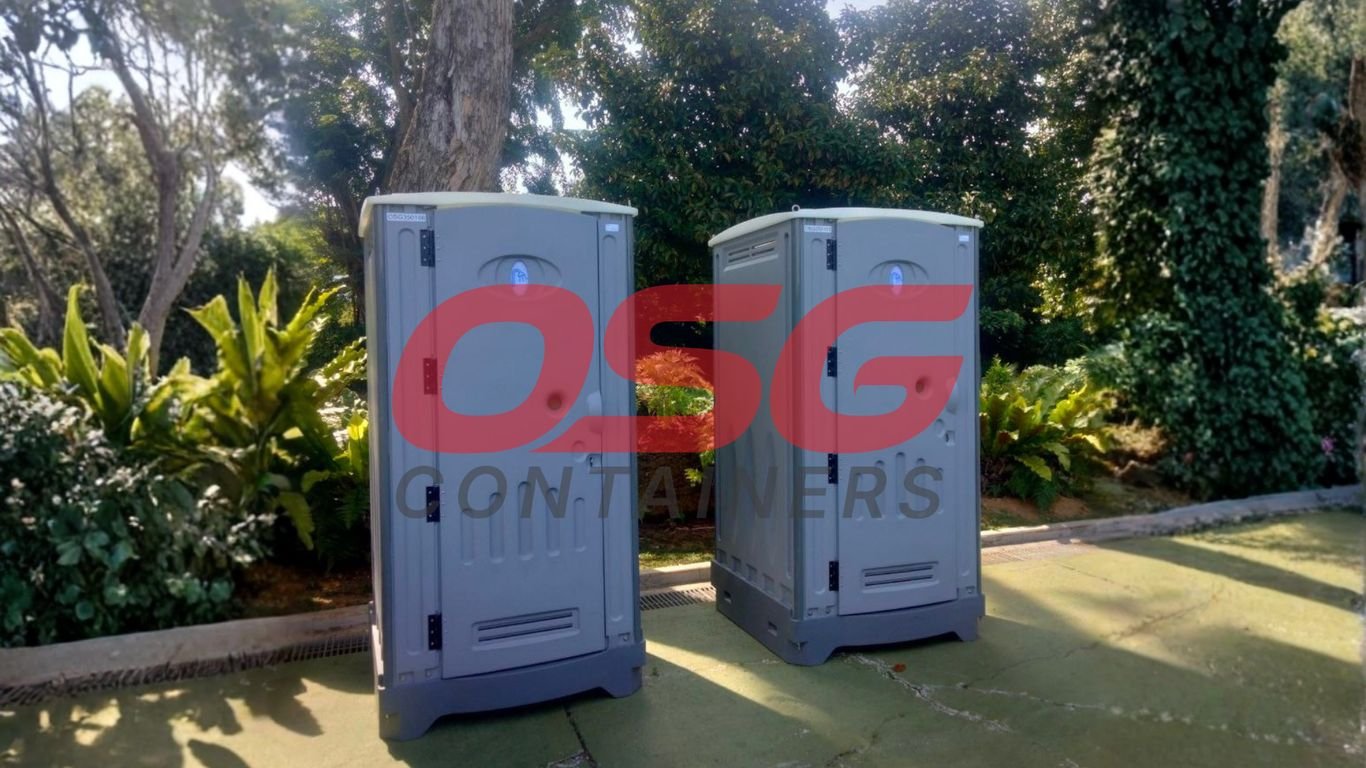
Planning an outdoor event or a construction project? You’ve got a lot to think about, and one of those things is making sure everyone has a place to go. Renting portable toilets, or porta potties, is a common solution. But figuring out the costs, what kind to get, and how to book them can feel a bit overwhelming. This guide is here to help make the whole portable toilet rent process much simpler. We’ll cover everything from what influences the price to picking the right units and avoiding any surprise fees.
Key Takeaways
- The price for a portable toilet rent can change a lot based on the type of unit, how long you need it, and where it’s going. Basic units are cheapest, while fancy trailers cost more.
- Figuring out how many units you need depends on how many people will be there and for how long. A good rule of thumb is one unit for every 50 guests at an event.
- Booking your portable toilet rent ahead of time, especially for busy seasons like summer or big holidays, is a smart move. It helps make sure you get what you need and might even save you some cash.
- Don’t forget about cleaning and waste removal. For longer rentals, plan for regular servicing. For events, think about extra cleanings to keep things fresh for everyone.
- Always ask for detailed quotes from different portable toilet rent companies. Compare what’s included, check for any extra fees, and look at reviews to find a reliable provider.
Understanding Portable Toilet Rent Costs
When you’re planning an event or a construction project, figuring out the cost of a temporary toilet rental is a big part of the budget. It’s not just a simple price tag; several things can change how much you’ll end up paying for a porta potty rental. Let’s break down what goes into that number so you can plan better.
Factors Influencing Portable Toilet Rental Prices
The price for renting portable toilets isn’t set in stone. It really depends on what you need and where you need it. Think about these main points:
- Type of Unit: A basic porta potty is the most budget-friendly. But if you need something fancier, like a unit with a sink, a restroom trailer with air conditioning, or an ADA-compliant model for accessibility, the cost goes up. These specialized units offer more comfort and features, which naturally costs more.
- Rental Duration: How long do you need the toilets? Most companies offer daily, weekly, or monthly rates. Longer rentals usually come with a lower per-day or per-week cost, but the total will be higher. Short-term rentals, like for a single-day event, might have a minimum charge that makes them cost almost as much as a weekend rental.
- Location and Delivery: Where is your site? If it’s far from the rental company’s depot or hard to get to, you might pay more for delivery and pickup. Remote areas or sites with tricky access can increase transportation fees.
- Service Frequency: For longer rentals or busy events, you’ll need regular cleaning and waste removal. Most basic rentals include one service per week, but if you need more frequent attention, that’s an extra charge. High-traffic events or construction sites often require more servicing.
- Number of Units: The more toilets you need, the higher the overall cost. This is usually based on the expected number of guests or workers and how long they’ll be on-site.
Estimating Your Portable Toilet Rent Budget
To get a good estimate for your porta potty rental, start by listing your needs. How many people will be using the toilets? For how many days? What level of comfort are you aiming for? A simple construction site might only need a few basic units for a few months, while a wedding might need a couple of deluxe units for a single day.
Here’s a rough idea of what you might expect for a basic unit, but always get specific quotes:
| Rental Period | Estimated Cost (per unit) |
|---|---|
| Single Day | $100 – $250 |
| Weekly | $150 – $300 |
| Monthly | $250 – $500 |
Remember, these are just ballpark figures. Luxury trailers or units with extra features can easily double or triple these costs. Don’t forget to factor in delivery and any additional services.
Hidden Fees to Watch For
Sometimes, the initial quote doesn’t tell the whole story. Be sure to ask about potential extra charges. Some common ones include:
- Delivery and Pickup Fees: While often included, some companies might charge separately, especially for difficult locations.
- Cleaning and Servicing Fees: Confirm if weekly servicing is included. Extra cleanings or special waste disposal might cost more.
- Damage Waivers: Some companies offer insurance against accidental damage, which might be an optional fee.
- Late Fees: If you miss a payment or return a unit late, there could be penalties.
- Restocking Fees: For units with sinks, ensure that soap, water, and paper towels are covered, or if there’s a charge for restocking.
Always ask for a detailed breakdown of all costs before signing any agreement. Understanding what’s included and what’s extra will help you avoid surprises and stick to your budget for your temporary toilet rental.
Choosing the Right Portable Toilet for Rent
When you’re looking into a portable john rental, it’s not a one-size-fits-all situation. Different events and sites have different needs, and picking the right kind of unit can make a big difference in comfort, cost, and overall satisfaction. Let’s break down the common options so you can make a smart choice.
Basic Portable Toilets for Cost-Effectiveness
These are your standard, no-frills units. They’re perfect for construction sites, casual outdoor gatherings, or any situation where budget is the main concern. They get the job done with a basic toilet and a holding tank. They are usually the most affordable option for a portable john rental.
Deluxe and Luxury Restroom Trailers for Comfort
If you’re hosting a wedding, a corporate event, or anything where you want guests to feel a bit more pampered, a deluxe or luxury trailer is the way to go. Deluxe units might include a small sink and better ventilation. Luxury trailers are like mini, high-end bathrooms on wheels, often with air conditioning, lighting, and even flushing toilets. They definitely cost more, but they add a significant touch of class and comfort.
ADA-Compliant Units for Accessibility Needs
It’s super important to make sure everyone can access facilities. ADA-compliant units are designed for people with disabilities. They’re larger, have grab bars, and are easier to get into and out of. You’ll need these if your event or site has specific accessibility requirements. Don’t forget to factor these into your count!
High-Capacity Options for Heavy Usage
Got a big festival or a long-term construction project with lots of workers? High-capacity units are built to handle more traffic. They hold more waste and can reduce the need for frequent servicing, which can actually save you money and hassle in the long run. They’re a good idea when you expect a lot of people to use the facilities.
Here’s a quick look at what you might find:
| Unit Type | Best For | Key Features |
|---|---|---|
| Basic | Construction, casual events, budget-focused | Toilet, holding tank, basic privacy |
| Deluxe | Parties, weddings, outdoor gatherings | Sink, better ventilation, more space |
| Luxury Trailer | High-end events, corporate functions | AC, lighting, flushing toilet, mirrors, sink |
| ADA-Compliant | Events/sites needing accessibility | Spacious, grab bars, wider door |
| High-Capacity | Festivals, large construction sites | Larger tank, designed for heavy use |
When you’re picking out your portable john rental, think about who will be using the toilets and for how long. A little extra thought upfront can prevent a lot of headaches later on. It’s about balancing what people need with what you can afford.
Smart Planning for Your Portable Toilet Rent
Getting portable toilets for your event or job site might seem straightforward, but a little planning goes a long way. Thinking ahead helps avoid headaches and ensures everyone has access to clean facilities when they need them. It’s all about making sure you have the right number of units, for the right amount of time, and booked with enough notice.
Determining the Right Number of Units
Figuring out how many portable toilets you’ll need is key. Too few, and you’ll have long lines and unhappy guests or workers. Too many, and you’re just wasting money. The number depends on a few things:
- Event Type: A wedding or corporate event might need fewer units than a large music festival or a busy construction site.
- Duration: How long will people be there? A short afternoon gathering has different needs than a multi-day event.
- Attendance: This is the big one. More people means more toilets. A general rule of thumb is to estimate based on expected attendance, but it’s better to have one extra than one too few.
- Alcohol/Food Consumption: If drinks and food are being served, especially alcohol, people will likely use the restrooms more frequently.
Here’s a rough guide, but always check with your rental provider for their recommendations:
| Number of People | Basic Event (8-10 hours) | Construction Site (1-2 shifts) |
|---|---|---|
| 1-50 | 1-2 | 1-2 |
| 51-100 | 2-3 | 2-3 |
| 101-200 | 3-5 | 3-5 |
| 201-500 | 5-10 | 5-8 |
| 500+ | 1 per 50-75 people | 1 per 10-12 workers |
Don’t forget to factor in handwashing stations or sanitizing units, especially for larger crowds or longer events.
Rental Duration and Pricing Strategies
How long you need the portable toilets can really affect the price. Most companies offer daily, weekly, and monthly rates. Often, the longer you rent, the cheaper the per-day or per-week cost becomes. If you’re on a tight budget, think about whether you truly need the units for the entire duration. For construction sites, a monthly rental is usually the most cost-effective. For events, you’ll likely need them just for the day or weekend.
- Long-Term Rentals: Usually come with a discounted rate. Great for construction projects or seasonal events.
- Short-Term Rentals: Priced per day or weekend. Ideal for parties, weddings, or one-off festivals.
- Package Deals: Some companies offer bundles that include delivery, setup, cleaning, and pickup, which can sometimes be cheaper than arranging services separately.
Always ask about potential discounts for renting multiple units or for extended rental periods. It never hurts to inquire!
Booking in Advance for Peak Seasons
This is a big one, especially if your event or project falls during a busy time of year. Think spring and summer for outdoor events, or periods with lots of construction. Booking your portable toilets well in advance is crucial to secure availability and potentially better pricing.
- Peak Seasons: Summer months, major holidays, and popular festival weekends are prime times. Demand is high, and units can get booked up fast.
- Construction Projects: If your project has a set start date, get your toilet rental sorted as soon as possible.
- Last-Minute Needs: Trying to book last minute, especially during peak times, can mean limited options, higher prices, or even no availability at all.
Planning ahead means you can focus on other aspects of your event or project, knowing that your sanitation needs are covered. It also gives you more time to compare providers and find the best deal without feeling rushed.
By considering these planning steps, you can make sure you get the right portable toilets, at the right price, and at the right time, making your event or project run much smoother.
Essential Services with Portable Toilet Rent
When you rent a portable bathroom, you’re not just getting a plastic box with a toilet. There’s a whole service package that comes along with it, and it’s pretty important for keeping things running smoothly and, well, clean.
Cleaning and Maintenance Schedules
This is a big one. Nobody wants to use a dirty porta potty, right? Most portable toilet rental companies include regular cleaning as part of their service. This usually means a weekly visit to pump out the waste, scrub down the surfaces, and restock the toilet paper and any other supplies.
- Basic Cleaning: Typically includes waste removal and a quick wipe-down.
- Deep Cleaning: Might involve more thorough sanitization, especially for longer rentals or high-traffic events.
- Restocking: Ensuring there’s always toilet paper, soap, and paper towels (if applicable).
The frequency of cleaning is often tied to the rental duration and the expected usage. For a weekend festival, you might need more frequent servicing than for a small, short-term construction project.
Waste Removal and Servicing Frequency
This goes hand-in-hand with cleaning. The waste tanks in portable toilets need to be emptied regularly. How often depends on how many people are using the units and how long you’re renting them.
- Standard Servicing: Usually once a week for most rentals.
- Event-Specific Servicing: For large events, you might need daily or even multiple services per day.
- Emergency Pumping: Available if a unit fills up faster than expected.
It’s vital to discuss your expected usage with the rental company. They can help you figure out the right servicing schedule to prevent overflow and unpleasant odors, keeping your guests or workers comfortable.
Included Amenities and Add-Ons
Beyond the basic toilet, many portable bathroom rental services offer extras that can make a big difference. Think about what would make the experience better for the people using them.
- Hand Sanitizer Dispensers: Almost always included or available as an add-on. Great for hygiene.
- Sinks with Running Water: Available in deluxe units or as separate portable sinks. These are a step up from just sanitizer.
- Lighting: Some units come with basic lighting, and others can have solar-powered options added for nighttime use.
- Mirrors and Shelves: Found in more upscale units, these add a touch of convenience.
Don’t forget to ask what’s included in the base price and what costs extra. Sometimes, small add-ons can really improve the user experience without breaking the bank.
Navigating Regulations and Permits
Okay, so you’ve got your portable toilets picked out and you’re ready to book. But hold on a sec, there’s a bit more to it than just calling up a rental company. Depending on where you’re setting these up, you might need to jump through a few hoops with local authorities. It’s not always complicated, but it’s definitely something to think about before you get hit with a surprise.
Understanding Local Placement Requirements
Different towns and cities have their own rules about where you can put portable toilets. It’s not just about finding a flat spot. They might have rules about:
- Setbacks: How far the unit needs to be from property lines, buildings, or water sources.
- Accessibility: Making sure units are placed where people can actually get to them, especially if you have folks with mobility issues.
- Traffic Flow: Not blocking driveways, sidewalks, or emergency exits.
- Aesthetics: Some areas might have rules about how many units can be visible from the street, especially in residential zones.
It’s a good idea to check with your local city or county planning department. Sometimes the rental company can help with this, but it’s always best to be informed yourself. Ignoring these rules can lead to fines or even having to move your units unexpectedly.
Permit Acquisition Guidance
For many situations, especially public events, construction sites that are visible to the public, or anything on public land, you’ll likely need a permit. This permit basically gives you the official go-ahead to place temporary facilities. The process usually involves:
- Identifying the need: Figuring out if your specific project or event requires a permit.
- Contacting the right department: This is often the building department, health department, or public works office.
- Submitting an application: This might include site plans showing where the toilets will go, the number of units, and the duration of the rental.
- Paying fees: There’s usually a cost associated with obtaining a permit.
Some rental companies have experience with this and can offer guidance or even handle the application process for you as part of their service. Ask them upfront if they assist with permits.
Ensuring Compliance for Events and Sites
Compliance isn’t just about getting the permit; it’s about keeping things right throughout your rental period. This means:
- Regular Servicing: Making sure the rental company is sticking to their agreed-upon cleaning and waste removal schedule. Nobody wants a stinky, overflowing unit.
- Proper Waste Disposal: Reputable companies will dispose of waste at approved facilities, following environmental regulations. You don’t want your rental company cutting corners here.
- Unit Condition: Ensuring the units themselves are in good repair and don’t pose any safety hazards.
Think of regulations and permits as the guardrails for your portable toilet setup. They’re there to protect public health, safety, and the environment. While they might seem like a hassle, getting them sorted out beforehand saves a lot of potential headaches and keeps your project or event running smoothly and legally.
Comparing Portable Toilet Rent Providers
So, you’ve figured out what kind of toilets you need and how many. Now comes the part where you actually pick who to rent from. It might seem like all porta-potty companies are the same, but trust me, they’re not. Shopping around is key to getting good service and not overpaying.
Requesting Detailed Quotes
When you start calling around, don’t just ask for a total price. You need the nitty-gritty details. A good quote should break down everything:
- Unit Type: What specific model are you getting? (e.g., standard, deluxe, ADA-compliant)
- Number of Units: How many are included in the price?
- Rental Duration: Is it per day, week, or month? What’s the rate for each?
- Delivery & Pickup Fees: These can add up, especially if your site is far away or hard to access.
- Servicing Schedule: How often will they clean and empty the units? Is this included, or extra?
- Any Add-Ons: Hand sanitizer, extra toilet paper, special cleaning supplies – know the cost of each.
Always ask for a written quote so there are no surprises later. It’s like getting a detailed estimate before a contractor starts work on your house; you want to know exactly what you’re paying for.
Evaluating Service Packages and Discounts
Many companies bundle services to make things easier and sometimes cheaper. See if they have packages that fit your needs. For instance, a construction site might need weekly servicing included, while a one-day festival might just need a drop-off and pickup.
- Volume Discounts: Renting a lot of units? Ask if there’s a discount for bulk orders.
- Long-Term Rentals: If you need units for months, weekly or monthly rates are usually better than daily. See if they offer special pricing for extended periods.
- Package Deals: Sometimes, combining toilet rental with handwashing stations or even portable showers can get you a better overall price.
Don’t be shy about asking for a discount. If you’re a repeat customer or have a large project, they might be willing to work with you.
Checking Provider Reviews and Reputation
This is where you find out what other people’s experiences have been like. A company might have the best prices, but if their service is terrible, it’s not worth it.
- Online Reviews: Check Google, Yelp, or industry-specific sites. Look for patterns in complaints or praise.
- Ask for References: Especially for big events or long-term projects, ask the company if you can speak to a couple of their current or past clients.
- Word of Mouth: If you know anyone in construction or event planning, ask them who they use and if they’d recommend them.
Ultimately, you want a provider that is reliable, shows up on time, keeps the units clean, and communicates well. The cheapest option isn’t always the best if it means dealing with a messy situation or a company that’s hard to get a hold of when you need them.
Taking the time to compare providers carefully will save you headaches and likely some money in the long run. It’s about finding that sweet spot between cost, quality, and dependable service.
Wrapping It Up
So, renting portable toilets might seem like a small detail, but getting it right makes a big difference. Whether it’s for a big party, a wedding, or a construction job, knowing the costs, what’s included, and planning ahead really helps. Don’t forget to check out different companies and ask questions to avoid any surprises. A little bit of planning goes a long way to making sure everyone has a comfortable and clean place to go, no matter where they are.
Frequently Asked Questions
How much does it typically cost to rent a portable toilet?
The price can change a lot depending on what you need. A basic portable toilet might cost around $250 to $500 per month. If you need something fancier, like a restroom trailer with air conditioning, or if you only need it for a short time like a weekend party, it will cost more. Delivery fees and how often you need it cleaned can also affect the total price.
Can I rent a portable toilet for just one day?
Yes, you can definitely rent a portable toilet for a single day, which is great for parties or short events. However, many rental companies have a minimum charge, so even for a few hours, the price might be similar to a weekend rental. Sometimes, you can arrange to keep it a bit longer, like until Monday, for the same weekend price.
What’s usually included in the rental price?
Most of the time, the rental fee covers the toilet itself, getting it to your location, setting it up, and picking it up. It also usually comes with toilet paper and some cleaning supplies. If you’re renting for a longer time, make sure to check if regular cleaning and emptying the waste are included. Extra services might cost more.
How do I figure out how many portable toilets I need?
It depends on how many people will be there and how long they’ll be around. A good rule of thumb for events is about one toilet for every 50 guests if the event lasts around 4 hours. For construction sites, it’s often one toilet for every 10 workers during a standard work week. It’s always better to have one extra than not enough!
Are there special portable toilets for people with disabilities?
Yes, there are! These are called ADA-compliant portable toilets. They are bigger and have features like grab bars and wider doors to make them easier for people with disabilities to use. You’ll need to rent these if your event or site has to follow accessibility rules.
When should I book my portable toilet rental?
It’s best to book as early as you can, especially if your event is during a busy time of year, like spring or summer, or if there’s a big local event happening. Booking ahead helps make sure you get the type of toilet you want and can often help you get a better price before availability gets tight.