Singapore
 Australia
 Indonesia
 Japan
Japan Malaysia
 New Zealand
 Philippines
 South Korea
 Taiwan
 Thailand
 VIETNAM
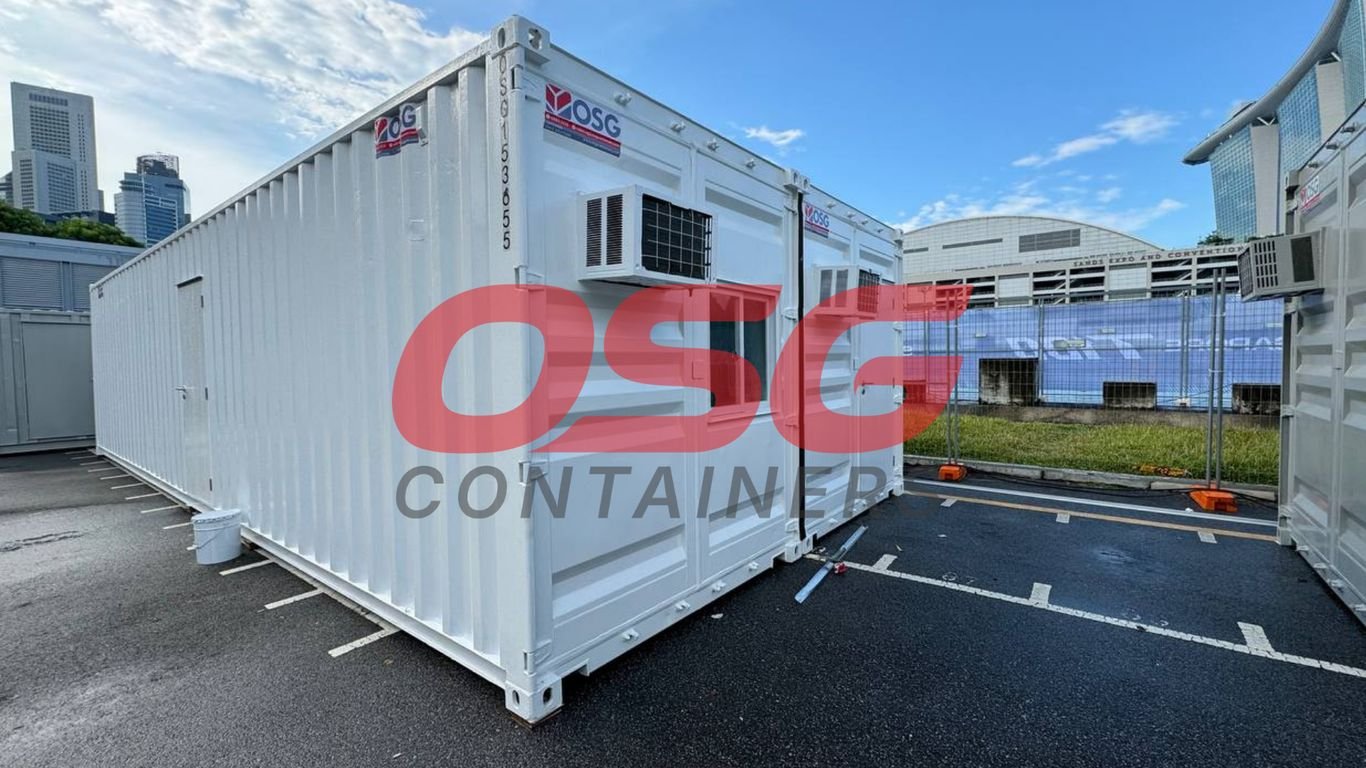
Deciding whether to rent or buy a shipping container for your business can feel like a big puzzle. It’s not just about having extra space; it’s about making a choice that fits your budget, your timeline, and how your business actually works. We’ll look at the pros and cons of each option, focusing on when a container rent makes the most sense for companies big and small.
Key Takeaways
- Renting a container is great for short-term needs like projects or seasonal storage because it has low upfront costs and offers flexibility. You avoid the hassle of maintenance and can easily return the container when you’re done.
- Buying a container makes sense for long-term, permanent storage needs. While the initial cost is higher, it can be more affordable over many years and allows for extensive customization.
- When you rent a container, the rental company usually handles delivery and pickup, simplifying logistics for your business. If you buy, you’re responsible for all moving costs and arrangements.
- Rental agreements often spell out terms, making expenses predictable and reducing risk from unexpected repairs. Owning a container means you bear all the risks and costs associated with maintenance and depreciation.
- Consider your specific situation: temporary projects and uncertain future needs lean towards renting a container, while permanent, stable storage with a desire for modifications points towards purchasing.
Understanding Your Storage Needs
Before you even think about whether to rent or buy a storage container, you really need to get a handle on what you actually need the container for. It sounds obvious, right? But honestly, a lot of businesses jump into this without really thinking it through, and then they end up with a container that’s too big, too small, or just not right for the job. So, let’s break down how to figure out what you’re looking for.
Assessing Duration and Usage
How long do you think you’ll need this extra space? Is it for a short-term project, like a renovation that you know will wrap up in six months? Or is it for something more ongoing, maybe storing inventory for a business that’s growing steadily? This is a big one because it directly impacts whether renting makes more sense (for short, defined periods) or if buying starts to look better (for long-term, indefinite use).
- Short-term projects: Think construction, seasonal inventory spikes, or event setups.
- Medium-term needs: Maybe a business expansion phase or a temporary office space.
- Long-term or indefinite use: Permanent storage for equipment, or a fixed site office.
The longer you need the container, the more likely purchasing becomes a cost-effective option.
Evaluating Site Access and Space
Where is this container going to live? You need to think about the physical space you have available. Is it a tight urban lot with limited maneuvering room, or a wide-open field? Also, consider how easy it is for a truck to get in and out. Some sites are tricky, and a container that’s hard to deliver or pick up can cause a lot of headaches. You’ll want to make sure the container size you’re considering actually fits the space and that delivery trucks can access it without issue.
Don’t forget to check local regulations or any HOA rules about where you can place storage containers on your property. Sometimes there are restrictions you might not be aware of.
Determining Modification Requirements
Do you just need a basic box to keep stuff dry and secure? Or do you have specific needs that require changes? Maybe you need shelving installed, extra ventilation, a different type of door, or even a custom paint job to match your company’s branding. If you’re planning on making significant changes, buying usually gives you a lot more freedom. Renting often comes with restrictions on what you can do to the container, and you’ll likely have to return it in the same condition you got it.
Financial Implications: Rent Container vs. Purchase
When you’re looking at getting a storage container, figuring out the money side of things is a big deal. It really boils down to how much cash you have upfront and what makes sense for your budget over time. Renting usually means you don’t have to drop a ton of money all at once, which is nice if your budget is tight or you’re not sure how long you’ll need the space. Buying, on the other hand, is a bigger hit to your wallet right away, but you own it. Think of it like buying a car versus leasing one – different financial paths with different outcomes.
Upfront Costs and Cash Flow
If you rent, your initial expense is pretty low. You’ll likely pay a deposit and your first month’s rent, and that’s about it. This keeps your immediate cash flow healthy, which can be super important for businesses that have a lot of other expenses to juggle. It’s a good way to get storage without a major financial commitment.
Buying a container means you’re paying the full price upfront, plus delivery fees. This is a significant capital expenditure. However, once it’s paid for, you own a physical asset. This can be a good move if you have the funds available and plan to use the container for a long time, as it avoids ongoing rental payments.
Long-Term Cost-Effectiveness
This is where things get interesting. For short-term needs, renting usually wins out. But if you need a container for several months or, more importantly, years, the rental costs can really add up. You might find yourself paying more in cumulative rent than you would have paid to buy the container outright.
Here’s a quick look at how costs can stack up over five years:
| Container Type | Rental Monthly Cost | Rental 5-Year Total | Purchase Upfront Cost | Purchase 5-Year Total* |
|---|---|---|---|---|
| 20 ft Used | $100 | $6,000 | $2,500 | $2,900 |
| 40 ft New | $180 | $10,800 | $5,000 | $5,400 |
*Purchase 5-Year Total includes estimated basic maintenance.
As you can see, for longer durations, purchasing often becomes the more economical choice. It’s a classic "pay more now, save more later" situation.
Predictable Expenses vs. Capital Investment
When you rent, your monthly payments are generally predictable. You know what you’re going to pay each month, making budgeting easier. Plus, the rental company usually handles major repairs, so you’re protected from unexpected, large repair bills. It’s a more "hands-off" financial approach.
Buying a container turns it into a capital asset for your business. While you’re responsible for all maintenance and potential repairs, you gain full control and can potentially recoup some costs by selling it later. It’s a commitment, but one that offers ownership and potential long-term financial benefits if used consistently.
Ultimately, the best financial decision depends on your specific business situation, how long you anticipate needing the storage, and your comfort level with upfront investment versus ongoing operational costs.
Flexibility and Scalability
When running a business, things rarely stay the same. Your storage needs can change faster than you think, and having the right setup to keep up is super important. This is where flexibility and scalability really come into play.
Adapting to Changing Business Demands
Think about it: one month you might be swamped with inventory, and the next, you might have a lull. Renting a container gives you the freedom to adjust. If your storage needs suddenly grow, you can often swap your current unit for a bigger one or simply rent an additional container. This ability to quickly adapt without being tied down is a huge advantage. When demand drops, you can return the container, avoiding unnecessary costs. This is especially helpful for businesses that have busy seasons or run on project-based work.
Scaling Storage Up or Down
This is where renting really shines compared to buying. With a rental, you’re not stuck with a container that’s too big or too small. Need more space for a big sale or a new product line? You can usually upgrade your rental container or add another one. When things quiet down, you can downsize or return the unit altogether. It’s like having a storage solution that grows and shrinks right along with your business.
Here’s a quick look at how renting helps you scale:
- Temporary Spikes: Easily add more units during peak seasons or for special events.
- Unexpected Growth: Quickly get more space if your business expands faster than planned.
- Downsizing: Reduce your storage footprint and costs when demand decreases.
- Testing New Markets: Rent a container to see if a new venture needs more storage before committing to a purchase.
Ease of Relocation and Return
Moving a purchased container can be a whole production. You have to arrange transport, which can be costly and time-consuming. With a rental, if you need to move your storage location, you typically just let the rental company know. They handle the pickup and can often deliver a new unit to your new site. When your rental period is up, or you no longer need the container, returning it is usually straightforward. You don’t have to worry about finding a buyer or figuring out where to store it yourself. It’s a much simpler process, especially if your business is mobile or your operational needs shift frequently.
Renting containers offers a dynamic approach to storage. It allows businesses to avoid the long-term commitments and fixed costs associated with ownership, making it easier to manage cash flow and respond to market changes. This adaptability is key for businesses that experience fluctuations in inventory or operational scale.
Operational Considerations
When you’re figuring out whether to rent or buy a shipping container, how it actually works day-to-day is a big part of the puzzle. It’s not just about the price tag, but also about who’s responsible for what and how easy it is to get the container where you need it.
Maintenance and Repair Responsibilities
This is a pretty significant difference between renting and buying. If you rent, the company you’re renting from usually takes care of the big stuff. Think about things like rust spots, dents that happen from normal use, or if a door seal starts to go bad. They’ve got a whole fleet, so keeping them in decent shape is their job. You just need to make sure you’re not causing damage beyond normal wear and tear. It means fewer headaches for you, and you don’t have to worry about unexpected repair bills popping up.
Buying a container, though? That means all the upkeep falls on you. You’re the one who has to keep an eye on it. Is it starting to rust? Do the door hinges need some oil? Is the roof still watertight? You’ll need to budget time and money for these things. It’s like owning a car; you’re responsible for oil changes, tire rotations, and fixing it when it breaks down. For a container you plan to use for a long time, this is something you absolutely have to factor in.
Delivery, Pickup, and Logistics
Getting the container to your site and taking it away is another area where renting often simplifies things. Most rental companies handle the delivery and pickup as part of their service. They have the trucks and the know-how to get it placed just right, even if your site is a bit tricky to access. They’ll often even come out beforehand to check if it’s feasible. When you’re done with it, you just call them, and they come get it. Easy.
If you buy, you’re on your own for all that. Moving a container, especially a large one, isn’t like moving a garden shed. You’ll need to arrange for specialized transport, which can be costly. You have to think about how they’ll get it there – do they need a crane? Is there enough space for a big truck to maneuver? And when you want to move it to a new location or sell it, you’re the one making all the arrangements and paying for it.
Customization and Modification Freedom
This is where buying really shines if you have specific needs. When you own a container, you can do pretty much whatever you want with it. Need to add shelves? Go for it. Want to cut in extra windows or doors? No problem. Need to install insulation, ventilation, or even electricity? You’ve got the freedom to make it exactly what you need for your business. It becomes a purpose-built space.
With rentals, customization is usually very limited, if allowed at all. Rental companies want their containers back in a condition they can rent to someone else. So, you typically can’t make any permanent changes. You might be able to add some temporary shelving, but anything more involved is usually a no-go. If you need a container that’s more than just a basic box, buying is almost always the way to go.
The practical side of things often gets overlooked. While the cost is important, thinking about who handles repairs, how you’ll get it moved, and what you can actually do with the container once it’s on your site can make a huge difference in your day-to-day operations. Don’t underestimate the value of convenience and control.
Risk Management and Predictability
When you’re figuring out storage, thinking about what could go wrong and how much you can count on things is pretty important. It’s not just about having a box to put stuff in; it’s about making sure your business stays on track without any nasty surprises.
Mitigating Unexpected Expenses
One of the biggest worries with any business expense is the unknown cost. If you own a container, you’re on the hook for any repairs that pop up. Think rust, dents from a storm, or maybe a door hinge that just gives out. These things can add up fast, and they’re hard to budget for.
- Rental: Most rental agreements cover standard wear and tear and major repairs. If the container has an issue that’s not your fault, the rental company usually handles it. This means your monthly cost stays the same, no surprises.
- Purchase: When you own it, you’re the one calling the repair guy. You’ll need to set aside money for potential fixes, which can be unpredictable. It’s like owning a car – you know it’ll need maintenance, but you don’t always know when or how much it’ll cost.
Owning a container means you’re responsible for its upkeep. This includes everything from patching up minor dents to treating rust before it spreads. If you plan to use it for a long time, these maintenance costs are a real factor to consider in your overall budget.
Understanding Rental Agreements
Rental agreements lay out exactly what you’re getting into. They’re usually pretty clear about the term, the cost, and what happens if something goes wrong. This clarity helps you plan your budget and operations.
- Clear Terms: Rental contracts typically detail the rental period, monthly fees, and any charges for delivery or pickup. They also specify what constitutes normal wear and tear versus damage you’d be responsible for.
- Service Expectations: The agreement often outlines the provider’s responsibilities regarding maintenance and repairs, giving you a predictable service level.
- Flexibility Clauses: Some agreements might include options for early termination or extensions, offering a degree of flexibility if your needs change unexpectedly.
The Risks of Ownership
Buying a container means you’re taking on all the responsibilities that come with owning property. It’s a bigger commitment, and with that comes more potential downsides.
- Depreciation: Like any physical asset, containers can lose value over time, especially if they aren’t well-maintained or if the market for used containers shifts.
- Maintenance Burden: As mentioned, you’re responsible for all upkeep. This includes everything from painting to structural repairs, which can be time-consuming and costly.
- Disposal Costs: When you’re finally done with an owned container, you might have to pay to have it removed or find a buyer, which isn’t always straightforward.
- Regulatory Changes: Local zoning laws or environmental regulations could change, potentially impacting where and how you can use your owned container.
When to Rent a Container
Renting a cargo container makes a lot of sense when your storage needs are temporary or uncertain. It’s a way to get the space you need without the big commitment of buying. Think of it like borrowing a tool for a specific job instead of buying the whole workshop.
Temporary Project Storage
Construction sites are a prime example. You might need a secure place to store tools, materials, and equipment for the duration of a build. Once the project wraps up, you don’t want to be stuck with a container. Renting a 20 ft sea container, for instance, gives you that needed space for months, and then you just hand it back. It’s perfect for short-term gigs where you can’t predict exactly when you’ll be done.
Seasonal Business Demands
Retailers often see huge spikes in inventory during holiday seasons or special sales events. Instead of buying extra storage that sits empty most of the year, renting a container provides a flexible solution. You can bring in extra stock, keep it secure on-site, and then return the container when the rush is over. This keeps your capital free for other business needs.
Uncertain Future Storage Needs
Maybe your business is growing, but you’re not sure how quickly or what your storage needs will look like in a year or two. Renting allows you to adapt. If you suddenly need more space, you can often arrange for a larger container or an additional one. If your needs decrease, you can downsize or return the container without a second thought. It’s a low-risk way to manage storage when the future is a bit fuzzy. This is especially true if you’re considering options in places like container singapore, where logistics can sometimes be complex and renting simplifies things.
Renting avoids the large upfront cost of purchasing, making it easier to manage cash flow, especially for smaller businesses or those with fluctuating income. You also sidestep the responsibilities of maintenance and repairs, as these are typically handled by the rental company. This means fewer headaches and more time to focus on your core business operations.
Here’s a quick look at why renting fits certain situations:
- Flexibility: Easily scale up or down as needed.
- Low Upfront Cost: Avoids a large capital expenditure.
- Maintenance Included: Rental company handles repairs.
- No Long-Term Commitment: Return the container when you’re done.
- Quick Deployment: Often available for immediate use.
When to Purchase a Container
Buying a container makes a lot of sense when you know you’ll need storage for a long time. It’s like buying a house instead of renting – a bigger upfront cost, sure, but over the years, it often works out cheaper and gives you more freedom. If you’re looking at needing storage for more than a couple of years, purchasing might be the way to go.
Long-Term, Permanent Site Storage
If your business has a fixed location or you’re working on projects that will span many years, owning a container is a solid choice. Think about construction sites that need a secure place for tools and materials for the entire duration of a multi-year build. Or maybe you have a manufacturing plant that needs extra, permanent storage space. A container, especially a sturdy 40 high q container, can serve as a reliable, on-site storage solution for the foreseeable future. You won’t have to worry about rental agreements ending or fluctuating monthly fees. It just becomes part of your business infrastructure.
Extensive Customization Needs
When you buy, you get to do whatever you want with the container. Renting usually comes with strict rules about modifications. But if you need to add shelves, special ventilation, insulation, windows, extra doors, or even electrical hookups, buying is the only way to go. You can turn that basic steel box into a specialized workshop, an office, or a unique retail space. The possibilities are pretty much endless, and you can tailor it exactly to how your business operates.
Viewing Container as a Business Asset
Purchasing a container means it’s an asset on your company’s books. This can be good for accounting and tax purposes. Plus, when you’re done with it, you can sell it. Depending on its condition and the market, you might even get a good portion of your initial investment back. It’s not just a cost; it’s something that holds value and can potentially generate a return. Owning means you control its destiny – use it, modify it, move it, or sell it when the time is right.
So, Rent or Buy? The Final Word
Alright, so we’ve looked at the whole rent versus buy thing for shipping containers. It really boils down to what your business is up to right now and what you see happening down the road. If you need storage for just a bit, or your needs change a lot, renting is probably your best bet. It keeps things simple and doesn’t tie up a ton of cash upfront. But, if you know you’ll need that container for years and want to make it your own with shelves or whatever, buying might make more sense in the long run. Just remember to think about all the little costs and hassles that come with owning, like moving it or fixing it up. Ultimately, the smartest choice is the one that fits your budget and keeps your operations running smoothly without a bunch of headaches.
Frequently Asked Questions
When is it better to rent a storage container instead of buying one?
Renting is usually the smarter choice if you only need storage for a short time, like during a renovation or for a seasonal event. It’s also great if you’re not sure how long you’ll need it or if you want to avoid maintenance chores. Renting means predictable costs and the freedom to return or swap containers easily.
What are the main benefits of buying a shipping container?
Buying a container makes sense if you plan to use it for many years. You get full control over how you use it, including making custom changes. It can become a valuable asset for your business, and you don’t have to worry about monthly rental fees piling up over the long haul.
What are the biggest upfront costs when deciding between renting and buying?
When you rent, the main cost is usually a monthly fee, so there’s no huge payment upfront. Buying a container means paying the full price of the container, plus costs for delivery and any modifications you want right away. This is a much bigger initial investment.
How does renting a container affect my business’s flexibility?
Renting offers a lot of flexibility. You can easily get a bigger or smaller container if your needs change, or return it when you’re done. This is perfect for businesses that experience busy and slow periods or have projects with changing requirements.
Who is responsible for maintenance and repairs if I rent a container?
Typically, the company you rent from handles most of the maintenance and repairs. This saves you time and money, as you don’t have to worry about unexpected repair bills or fixing damage yourself. It’s one less thing for your business to manage.
Can I customize a rented container, or is that only for purchased ones?
Generally, purchased containers offer much more freedom for customization. Rental companies often have strict rules about making changes to their containers. If you need to add shelves, special doors, or insulation, buying is usually the better option to get exactly what you need.