Singapore
 Australia
 Indonesia
 Japan
Japan Malaysia
 New Zealand
 Philippines
 South Korea
 Taiwan
 Thailand
 VIETNAM
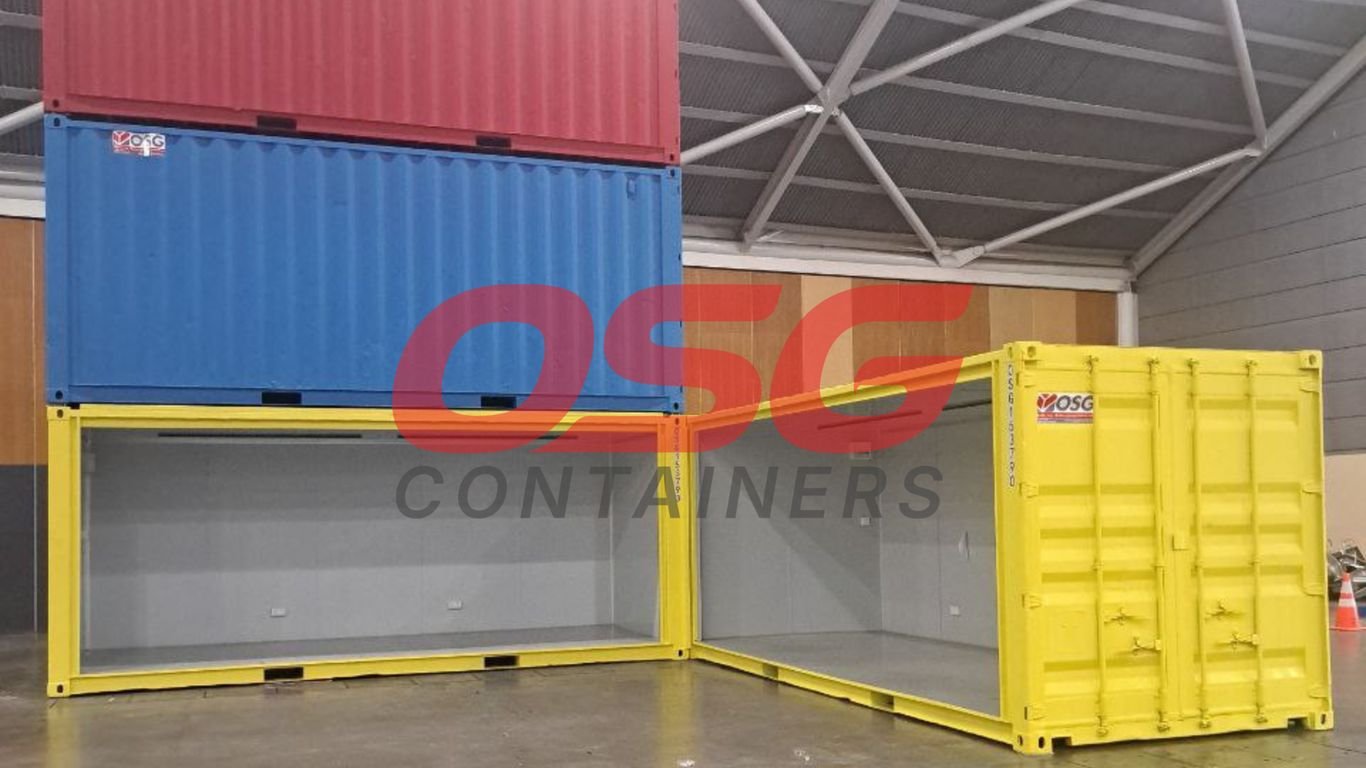
Thinking about getting a cargo container but feeling a bit lost with all the different sizes and grades out there? It’s a common thing. We use these big metal boxes for everything from shipping goods across oceans to creating extra storage space on our property. But figuring out which cargo container is the right fit can be tricky. This guide breaks down the specs, so you can make a smart choice without all the confusion.
Key Takeaways
- Cargo containers come in standard sizes like 20ft and 40ft, with High Cube versions offering extra height for taller items.
- Container grades (like One-Trip, Cargo-Worthy, and Wind/Weathertight) indicate their condition and suitability for different uses, affecting price and durability.
- Key specifications to consider include internal and external dimensions, door openings, and weight ratings (tare, payload, max gross) for safe and efficient loading.
- Specialized containers like Open-Tops, Flat Racks, and Reefers are designed for specific cargo types, from oversized machinery to temperature-sensitive goods.
- Choosing the right cargo container involves assessing your cargo’s volume and nature, considering loading methods, and checking shipping route regulations.
Understanding Cargo Container Sizes
When you start looking into shipping containers, it can seem like there are only a couple of options. But really, there’s a whole range of sizes, and knowing the differences is pretty important for getting your stuff where it needs to go without a hitch. It’s not just about length; width, height, and even door openings play a big role.
Standard Container Dimensions
The most common sizes you’ll hear about are the 20-foot and 40-foot standard containers. These are your workhorses for a lot of shipping. A 20 ft sea container, for instance, is great for heavier, denser cargo like machinery or bulk materials because it offers a good balance of size and weight capacity. The 40-foot standard is essentially double the length, giving you more room for lighter, bulkier items like furniture or general goods.
Here’s a quick look at the typical measurements:
| Container Type | External Dimensions (L x W x H) | Internal Dimensions (L x W x H) | Door Opening (W x H) | Volume (Approx.) |
|---|---|---|---|---|
| 20′ Standard | 20′ x 8′ x 8’6" | 19’4" x 7’8" x 7’10" | 7’8" x 7’5" | 1,170 cu ft |
| 40′ Standard | 40′ x 8′ x 8’6" | 39’5" x 7’8" x 7’10" | 7’8" x 7’5" | 2,390 cu ft |
High Cube Container Variations
If you need a bit more vertical space, that’s where High Cube (HC) containers come in. They’re the same length and width as their standard counterparts but are about a foot taller. This extra height can make a surprising difference, especially if you’re shipping items that are just a little too tall for a standard container, or if you want to maximize space by stacking things higher.
- 40′ High Cube: Offers about 2,690 cubic feet of space, compared to the 2,390 cubic feet of a standard 40-footer.
- 45′ High Cube: Even longer and taller, these are often used for domestic shipping within North America and can hold around 3,040 cubic feet.
- Height Difference: Standard containers are typically 8’6" tall externally, while High Cubes are 9’6" tall.
Specialized Container Lengths
Beyond the 20 and 40-footers, you might encounter other lengths, though they’re less common for international shipping. For example, 10-foot containers are available for smaller storage needs, and 53-foot containers are popular for domestic transport in North America, especially for rail and truck movements. It’s always good to know these exist, even if you’re primarily looking at the standard sizes.
When planning your shipment, always double-check the exact internal dimensions and door openings. Manufacturers and shipping lines can have slight variations, and those inches can matter when you’re trying to fit everything in.
Exploring Cargo Container Grades
So, you’re looking at cargo containers and wondering about the different ‘grades.’ It can get a little confusing because once a container isn’t actively sailing the seas, there isn’t one single, official way everyone grades them. This means different companies might use slightly different terms or standards. Understanding these grades is key to picking the right container for your needs and budget. Let’s break down what these classifications usually mean.
One-Trip Container Condition
Think of these as the newest kids on the block. They’ve made just one journey across the ocean, usually filled with goods from overseas. After that single trip, they’re ready for a new life on land. They’re typically manufactured within the last couple of years and look pretty sharp. You might see a few minor scuffs or scratches from their voyage, but overall, they’re in great shape, almost like new. They often have fresh paint and flooring that’s in good condition. If you need something that looks clean and professional, especially if it’s going to be visible, a one-trip container is usually your best bet.
Cargo-Worthy Container Standards
These containers have seen more action than the one-trippers. They’ve been used for ocean freight for a while, but they’re still considered structurally sound enough to carry cargo internationally. To be certified as ‘cargo-worthy’ (often abbreviated as CW), an inspector has to give them the thumbs-up, confirming they can handle another shipping journey. They might have faded paint, some dents, maybe a bit of surface rust, and the flooring could show more wear and tear, like scratches or patches. Generally, these are containers between 1 and 10 years old. If your main goal is to actually ship goods with the container, and you don’t need that ‘brand new’ look, a cargo-worthy container is a solid choice. It’s a step down from one-trip in appearance but still very functional.
Wind and Weathertight Classifications
When a container is no longer suitable for international shipping, it often gets classified as ‘wind and weathertight’ (WWT). These are typically older containers, often over 10 years old. The main promise here is that they’ll keep your stored items safe from the elements – no rain getting in, no wind causing trouble. They’ll definitely show more signs of wear: paint will be faded, there will be dents, maybe some rust, and the flooring might have seen better days with plenty of scratches and gouges. If you’re looking for a straightforward storage solution and the container’s appearance isn’t a big deal, WWT containers offer a more budget-friendly option. They’re great for on-site storage where looks aren’t the priority.
Grade A, B, and C Assessments
Beyond the general categories like one-trip or cargo-worthy, containers are often further graded based on their physical condition, usually on an A, B, or C scale. This grading looks at things like dents, scratches, and rust. It’s important to remember that these grades can apply to different categories. For instance, a one-trip container might be an ‘A’ or ‘B’, while cargo-worthy and WWT containers can also fall into A, B, or C.
- Grade A: This is the top tier for condition. Expect minimal to moderate dents and scratches, and only superficial rust. They’re in very good shape overall.
- Grade B: These containers have more noticeable wear. You’ll find moderate dents and rust, but nothing too extreme. Some one-trip containers that got a bit banged up on their journey might end up here.
- Grade C: This grade signifies significant wear and tear. Think heavy dents, rust, and a generally worn appearance. These are often best suited for projects where the container will be heavily modified or if you’re on a tight budget and appearance is the least of your concerns.
When evaluating container grades, it’s helpful to think about two main aspects: structural integrity and visual appeal. A container might be perfectly sound for storage (structurally good) but look a bit rough around the edges (aesthetically challenged) due to rust or dents. Conversely, a newer container might look great but have minor cosmetic flaws from its single trip.
Here’s a quick look at how the grades generally stack up:
| Grade | Typical Age | Appearance |
|---|---|---|
| One-Trip | New (0-2 yrs) | Excellent, minor cosmetic blemishes possible |
| Grade A | Varies | Very good, minimal to moderate wear |
| Grade B | Varies | Good, moderate wear and tear |
| Grade C | Older | Fair to poor, significant wear and tear |
Keep in mind that ‘Cargo-Worthy’ and ‘Wind & Weathertight’ are more about the container’s suitability for shipping rather than just its cosmetic grade, though they often correlate with the A, B, C assessments.
Key Cargo Container Specifications
When you’re looking at cargo containers, it’s not just about the outside dimensions. You’ve got to dig into the details to really know what you’re working with. This means looking at the nitty-gritty specs like internal and external measurements, how big the door openings are, and all the weight ratings. Even a 40 high cube container, which seems pretty straightforward, has specific numbers you need to pay attention to.
Internal and External Measurements
These are the basic building blocks. External measurements tell you the overall footprint of the container – how much space it takes up on the ground or on a ship. Internal measurements, on the other hand, tell you the actual usable space inside. It’s important to remember that the walls of the container take up some space, so the internal dimensions will always be smaller than the external ones. For example, a standard 40-foot container has external dimensions of roughly 40′ L x 8′ W x 8’6" H, but the inside is closer to 39’5" L x 7’8" W x 7’10" H.
Door Opening Dimensions
This might seem minor, but the door opening is super important, especially if you’re loading bulky items. You need to make sure your cargo can actually fit through the door! The width and height of the door opening dictate what can be loaded and unloaded easily. A standard 40-foot container’s door opening is typically around 7’8" wide and 7’5" high. If you’re looking at a high cube model, like a 40 high cube container, the door opening is usually the same width but taller, giving you that extra vertical space.
Weight Ratings: Tare, Payload, and Max Gross
Understanding the weight ratings is critical for safety and compliance. You don’t want to overload a container, and knowing these numbers helps prevent that.
- Tare Weight: This is the weight of the container when it’s completely empty. Think of it as the container’s own weight.
- Payload (or Net Capacity): This is the maximum weight of cargo you can put inside the container. It’s the usable weight limit.
- Max Gross Weight: This is the absolute maximum weight the container is rated for, including both the container itself (tare weight) and the cargo (payload). It’s the total weight limit.
Here’s a quick look at typical weights for a 40-foot High Cube container:
| Weight Type | Approximate Weight |
|---|---|
| Tare Weight | 8,400 lbs |
| Max Gross Weight | 67,200 lbs |
Always check the CSC (Convention for Safe Containers) plate on the container itself. This metal plate provides the official weight ratings and certifications specific to that unit. It’s your go-to source for accurate weight information.
Knowing these specifications helps you avoid problems down the road, whether you’re shipping goods or using containers for storage.
Specialized Cargo Container Types
Not every shipment fits neatly into a standard box. That’s why there are special container types, each designed for unique cargo needs. When you’re looking at options, maybe even from a supplier in container singapore, it’s good to know what these specialized containers are all about.
Open-Top Container Features
Open-top containers are pretty much like standard ones in length and width, but here’s the key difference: the roof can be removed or covered with a heavy-duty tarp. This makes them perfect for stuff that’s too tall or awkwardly shaped to fit through a regular door, like big machinery or raw materials. You’ll often load these from above using a crane. Just a heads-up, the internal height might be a little less because of the removable top beams.
Flat Rack Container Design
Think of flat racks as containers with no side walls and no roof. They usually come in 20-foot and 40-foot sizes. These are built for really heavy, oversized loads that just won’t fit in a normal container – think vehicles, large pipes, or construction equipment. The flat design lets cargo stick out, but you’ve got to be careful to balance the weight evenly across the deck.
Refrigerated Container Capabilities
Reefers, as they’re called, are insulated containers with built-in refrigeration units. They keep your cargo at a specific temperature, which is super important for things like food, medicine, or other items that can spoil. Standard sizes are 20-foot and 40-foot, though the insulation and cooling equipment take up a bit of internal space.
Tank Container Applications
Tank containers, also known as ISO tanks, are specifically made for liquids, chemicals, or gases. They have a cylindrical tank fitted inside a standard frame, usually a 20-foot one. While the outside frame follows ISO standards, the actual amount it can hold depends on the liquid’s volume and safety rules.
When choosing a specialized container, always double-check the exact internal dimensions and weight limits. Sometimes, the specialized equipment inside or the design itself can affect how much you can actually fit and carry compared to a standard container of the same external size.
Choosing the Right Cargo Container
Picking the right container can feel like a puzzle, but it doesn’t have to be complicated. It really comes down to a few key things. Thinking about what you’re shipping and how you’ll get it there is the first step. Don’t just grab the first size you see; a little planning goes a long way.
Assessing Cargo Volume and Nature
First off, what exactly are you sending? Is it heavy machinery, delicate furniture, or maybe bulk goods? The type of cargo matters a lot. Dense items might fit better in a smaller, sturdier container, while lighter, bulkier things might need more room. You’ll also want to figure out the total volume. Measure your stuff or estimate its cubic feet. This helps you avoid paying for space you don’t need or, worse, finding out your cargo won’t fit.
- Dense Goods: Think metals, machinery, or stone. A 20-foot container is often a good fit.
- Bulky Goods: Furniture, textiles, or appliances. A 40-foot or even a high cube might be better.
- Tall Items: If your cargo is taller than standard, a high cube container (which is about a foot taller) is probably your best bet.
Considering Loading and Shipping Route
How will you get your items into the container? Some containers have special doors or can be loaded from the top, which can make things much easier depending on your equipment. Also, where is this container going? Different countries and even different ports have rules about container sizes. You don’t want to get to your destination only to find out your container isn’t allowed.
Always double-check the door opening dimensions. It sounds obvious, but it’s easy to overlook if you’re focused on the overall size. Make sure your largest piece can actually get through!
Matching Container Specs to Project Needs
So, you’ve thought about your cargo and where it’s going. Now, let’s put it all together. You need to look at the container’s specs – its internal measurements, weight limits, and even the door size. If you’re just looking for a place to store things on your property, you might not need a ‘cargo-worthy’ container. You could even rent container options for temporary needs. But if it’s going on a ship or a train, you’ll need to be more precise. Getting this right means your cargo arrives safely and you don’t end up with unexpected costs or delays. It’s all about finding that sweet spot between capacity, cost, and compliance.
Customizing Your Cargo Container
So, you’ve picked out the perfect container size and grade for your needs. That’s great! But what if it’s not exactly what you envisioned? Don’t sweat it. Most shipping containers, especially the one-trip or cargo-worthy ones, are built like tanks and can be modified to fit all sorts of uses beyond just hauling goods.
Modification Options for Storage
Need a place to stash your tools, equipment, or inventory? A standard container is a solid start, but you can make it even better. Think about adding:
- Shelving units: Get organized and make the most of your vertical space. You can install heavy-duty shelves to keep things tidy and accessible.
- Workbenches: If you plan on using the container as a workshop or a temporary office, a sturdy workbench is a must-have.
- Lighting and electrical outlets: Running power to your container opens up a world of possibilities, from powering tools to keeping the lights on.
- Insulation: Depending on what you’re storing and where the container will be located, insulation can make a big difference in temperature control.
Upgrades for Enhanced Functionality
Beyond basic storage, containers can be transformed into surprisingly functional spaces. We’re talking about turning a simple metal box into something much more.
- Windows and doors: Need more natural light or easier access? Adding extra windows or a personnel door can make a huge difference.
- HVAC systems: For sensitive items or if you plan to spend time inside, installing an air conditioning and heating unit is a game-changer.
- Ramps: Loading and unloading heavy equipment becomes a breeze with a custom-fit ramp.
- Security enhancements: While containers are already secure, you can add extra locks, reinforced doors, or alarm systems if you need top-tier protection.
The beauty of modifying a shipping container lies in its inherent strength and adaptability. These units are designed to withstand extreme weather and rough handling, meaning they provide a robust base for almost any customization project you can imagine. From simple storage sheds to more complex office spaces or workshops, the possibilities are vast.
Paint and Exterior Finishes
Let’s be honest, a standard container’s drab grey or blue might not be the look you’re going for. A fresh coat of paint does more than just make it look good; it can also add a layer of protection.
- Standard colors: Most suppliers offer a range of common colors like white, green, or black.
- Custom colors: Want something specific? You can often get containers painted to match your brand or blend in with their surroundings.
- Protective coatings: Beyond just paint, some coatings offer extra rust prevention or UV resistance, which is especially useful if the container will be exposed to harsh elements for a long time.
Wrapping It Up
So, we’ve gone over a lot of details about shipping containers, from their different sizes and grades to how they can be changed up. It might seem like a lot at first, but knowing these specs really helps when you need to move stuff or just need some extra storage. Whether you’re shipping goods overseas or just need a sturdy box for your yard, picking the right container makes a big difference. Don’t forget to double-check the exact measurements and what you’re putting inside. It’s all about making sure your cargo gets where it needs to go, safe and sound.
Frequently Asked Questions
What are the most common sizes for cargo containers?
The most common sizes you’ll see are 20-foot and 40-foot containers. Think of them like different sized moving trucks. The 20-foot is great for smaller loads or storage, while the 40-foot offers twice the space for bigger shipments or more stuff. There are also ‘High Cube’ versions of these that are a bit taller, giving you even more room.
What does ‘Cargo-Worthy’ mean for a container?
When a container is called ‘Cargo-Worthy,’ it means it’s strong enough and in good enough shape to be used for shipping goods overseas. It might have some dents or rust from its travels, but it’s still solid and safe for carrying cargo. If you plan to ship things, you’ll need a container that meets these standards.
What’s the difference between a standard container and a High Cube container?
A High Cube container is basically a standard container that’s a little bit taller. Imagine a regular box versus a slightly deeper box. This extra height, usually about a foot more, can be super helpful if you’re shipping items that are tall or if you just need to pack more stuff in without using an extra container.
Can I change a cargo container to fit my needs?
Absolutely! People often modify cargo containers for all sorts of uses, like turning them into offices, workshops, or extra storage spaces. You can add things like shelves, windows, doors, insulation, and even electricity. It’s like getting a blank metal box that you can customize into almost anything you need.
What does ‘Tare Weight’ and ‘Payload’ mean?
Tare weight is simply how much the empty container weighs by itself. Payload, on the other hand, is the maximum weight of the stuff you can actually put inside the container. So, if you know the tare weight and the payload, you can figure out the total weight the container can handle when it’s full.
Are there special containers for things like liquids or refrigerated goods?
Yes, there are! For liquids, chemicals, or gases, you’d use a ‘Tank Container.’ And if you need to keep things cold, like food or medicine, you’d get a ‘Refrigerated Container,’ often called a ‘Reefer.’ These special containers have built-in features to handle specific types of cargo safely.