Singapore
 Australia
 Indonesia
 Japan
Japan Malaysia
 New Zealand
 Philippines
 South Korea
 Taiwan
 Thailand
 VIETNAM
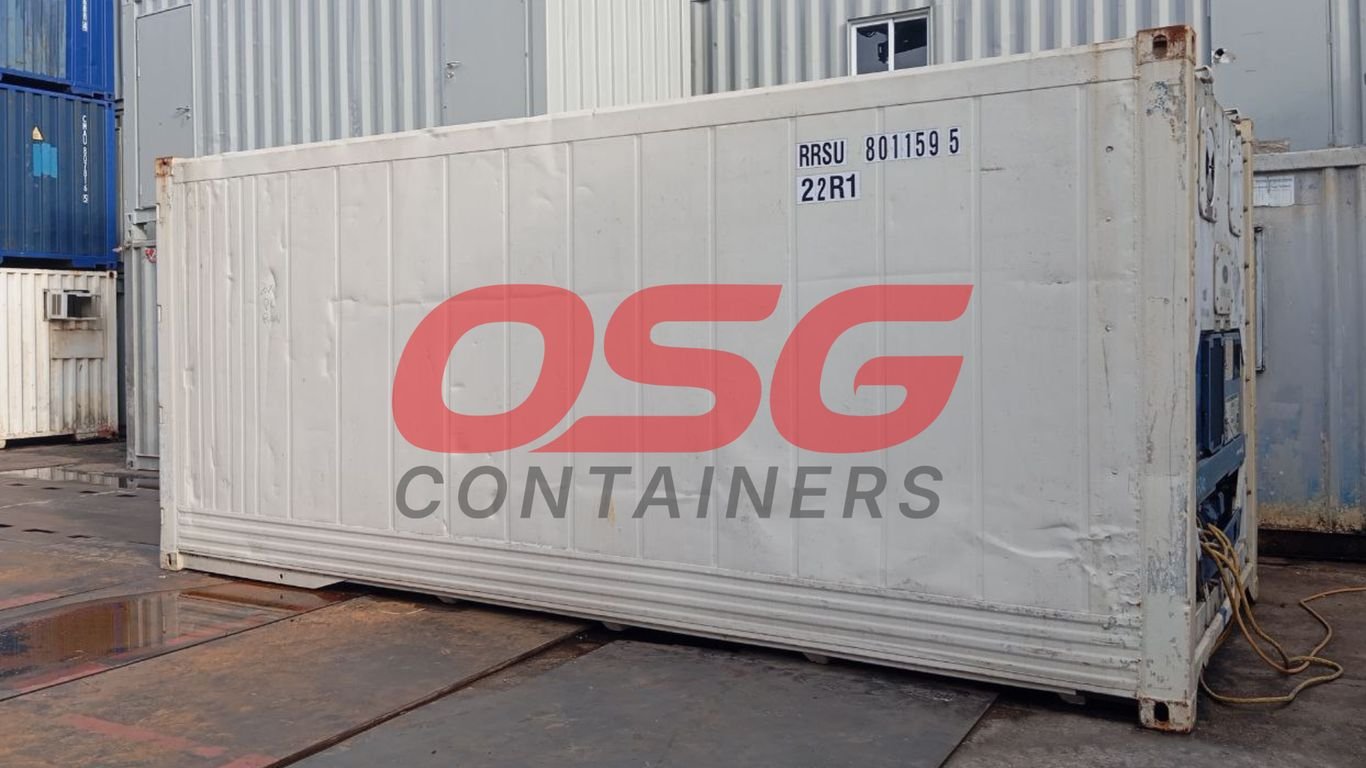
Ever wondered how that carton of fresh berries makes it from a farm halfway across the world to your local grocery store, still looking and tasting like it was just picked? The answer, more often than not, is a reefer container. These aren’t your average shipping boxes; they’re specialized units designed to keep things cool, or even frozen, during their long journeys. Think of them as giant, mobile refrigerators for the global trade world. The term “reefer” itself is just a shortened, nautical way of saying “refrigerated.” It’s a bit of slang that stuck, and now it’s the standard term for these temperature-controlled shipping workhorses.
Key Takeaways
- A container reefer is a special shipping box with a cooling system built-in, made to keep items at a set temperature, whether cold or frozen.
- These containers stay cool thanks to insulation, a refrigeration unit, and fans that spread the cold air evenly.
- Container reefers are super important for moving things that spoil easily, like food and medicine, stopping them from going bad.
- They need power to work, usually from ships, trains, trucks, or special generator sets.
- Many container reefers today have tech to track temperature and other details in real-time.
Understanding The Container Reefer
Ever wondered how that carton of fresh berries makes it from a farm halfway across the world to your local grocery store, still looking and tasting like it was just picked? The answer, more often than not, is a reefer container. These aren’t your average shipping boxes; they’re specialized units designed to keep things cool, or even frozen, during their long journeys. Think of them as giant, mobile refrigerators for the global trade world. The term "reefer" itself is just a shortened, nautical way of saying "refrigerated." It’s a bit of slang that stuck, and now it’s the standard term for these temperature-controlled shipping workhorses.
What Is A Reefer Container?
A reefer container, short for refrigerated container, is a specialized shipping unit built to transport goods that need a specific temperature range to stay fresh and safe. Unlike a standard dry container, which is basically just a metal box, a reefer has a built-in refrigeration system. This system allows it to maintain temperatures from as low as -30°C (-22°F) for frozen goods, all the way up to a chilly 30°C (86°F) for certain temperature-sensitive items, though most operate within a much narrower, colder range. These containers are vital for moving anything perishable, from fruits and vegetables to pharmaceuticals and even some electronics that can be damaged by heat.
Nautical Origins Of The Term "Reefer"
The word "reefer" itself has roots in maritime history. It’s a shortened, informal term for "refrigerated," likely originating from sailors and dockworkers referring to refrigerated ships or containers. It’s a bit of slang that became so common it’s now the official industry term. So, when you hear "reefer container," just picture a shipping container that’s also a high-tech fridge.
Reefer Containers Versus Dry Containers
| Feature | Dry Container | Reefer Container |
|---|---|---|
| Temperature Control | None | Active (cooling/heating) |
| Insulation | Minimal | High-performance |
| Refrigeration Unit | No | Yes |
| Primary Use | Non-perishable goods | Perishable goods (food, pharma) |
| Cost | Lower | Higher |
| Power Requirement | None | Requires external power source |
The outer shell of a reefer container is usually made of steel, but the real magic happens inside. These containers are built with thick layers of insulation, typically polyurethane foam. This insulation is key because it creates a barrier, stopping the outside heat from getting in and the inside cold from escaping. Think of it like a super-powered thermos. The better the insulation, the less work the refrigeration unit has to do, which saves energy and keeps the temperature more stable. The doors also have special seals to make sure no warm air sneaks in.
Reefer containers are indispensable for global trade, ensuring that sensitive goods arrive in perfect condition. Their ability to maintain precise temperatures sets them apart from standard shipping containers, making them a specialized and vital part of the supply chain for many industries. The careful engineering behind these reefer containers allows for a wide range of applications, from keeping food fresh to preserving delicate medicines.
How Container Reefers Maintain Temperature
The Role Of Insulation And Enclosure
Reefer containers are basically insulated boxes with a built-in refrigeration unit. The walls, ceiling, and floor are made with thick layers of polyurethane foam, which is a really good insulator. This keeps the outside heat from getting in and the inside cold from escaping. Think of it like a super-powered thermos for your cargo. The doors also have special seals to make sure there are no leaks. This whole setup is designed to create a sealed environment where the temperature can be controlled precisely. It’s not just about the cooling unit; the container itself plays a big part in keeping things at the right temperature.
Components Of The Refrigeration Unit
The heart of any reefer is its refrigeration unit. It’s a complex piece of machinery, but at its core, it works by moving heat from inside the container to the outside. It has a few main parts:
- Evaporator: This is inside the container. It absorbs heat from the air, making the air inside colder. As it absorbs heat, moisture from the air can freeze onto it, so it needs to defrost periodically.
- Compressor: This is like the engine of the system. It compresses a refrigerant gas, which makes it hotter and increases its pressure.
- Condenser: Located on the outside of the container, this part releases the heat from the compressed refrigerant gas into the outside air.
- Expansion Valve: This reduces the pressure of the refrigerant, making it cold again so it can go back to the evaporator and repeat the cycle.
This cycle runs continuously, or as needed, to keep the temperature exactly where you set it. It’s pretty neat how it works, constantly circulating the refrigerant to manage the heat.
Ventilation And Airflow
Just having a cold box isn’t enough. You need to make sure that cold air gets everywhere inside. Most reefers have a system that blows cold air in from the bottom. This air then circulates up and around the cargo. This is super important to avoid "hot spots" where the temperature might be higher than it should be. Some containers also have ventilation features. These can be adjusted to let out gases that might be produced by the cargo itself, like ethylene from fruits, which can speed up ripening. It’s all about creating a consistent environment for whatever you’re shipping. This careful management of airflow is just as vital as the cooling itself, and it’s something that needs to be considered even when you’re thinking about things like iso tanks that might need specific atmospheric conditions.
Powering The Container Reefer
So, how do these temperature-controlled boxes actually get the juice they need to keep things frosty? It’s not magic, though sometimes it feels like it when you’re dealing with a tight deadline. Reefer containers need a steady supply of electricity to run their refrigeration units. Without it, that expensive cargo would be in serious trouble.
Electricity and Generator Set Options
When a reefer is on a ship, it’s usually plugged directly into the vessel’s own power system. Think of it like plugging your fridge into the wall at home, but on a much, much bigger scale. This is generally the most reliable way to keep things running during long sea voyages. Once the container reaches land, it can often be connected to ‘shore power’ – basically, the electricity grid at the port or terminal. This is great because it uses the existing infrastructure.
But what happens if the main power flickers or goes out? Or what if the container needs to be moved away from a power source? That’s where generator sets, or ‘gensets’, come in. These are essentially portable generators that attach to the reefer. They can be mounted underneath (‘underslung’) or clipped onto the front (‘clip-on’).
Here’s a quick rundown of the main power sources:
- Port or Depot Power: Plugged into the main electrical grid at terminals or warehouses. Usually requires a 3-phase, 415V connection.
- Ship Power: Directly connected to the cargo ship’s onboard electrical system during transit.
- Gensets: Fuel-powered generators used when shore or ship power isn’t available. These can be:
- Clip-on: Mounted externally on the container.
- Underslung: Attached beneath the trailer, common for road transport.
Understanding Power Requirements
Reefer units are power-hungry beasts. They need a consistent flow of electricity to maintain those precise temperatures, whether it’s keeping frozen goods frozen or chilled items perfectly cool. The exact power needed can vary depending on the specific refrigeration unit, the ambient temperature, and how full the container is, but they typically run on a 3-phase, 415V supply. Some units can also operate on lower voltages with the help of voltage transformers, offering a bit more flexibility.
Keeping a reefer running smoothly is all about a reliable power source. Whether it’s plugged into a dock, a ship, or a dedicated generator, the goal is the same: uninterrupted cooling for your valuable cargo. It’s a constant balancing act between power availability and the need for temperature stability.
It’s important to remember that a reefer container maintains a temperature; it doesn’t cool down cargo that’s already warm. So, the goods need to be pre-cooled before they even go inside. The power supply is there to keep that pre-set temperature, not to do the initial cooling work.
Container Reefer Performance And Applications
Temperature Control Capabilities
Reefer containers are built to keep things at just the right temperature, whether that’s super cold or just a little bit chilly. Most standard reefers can handle a range from about 25 degrees Celsius down to -40 degrees Celsius. This wide range means they’re good for all sorts of stuff, from keeping produce fresh to making sure frozen foods stay frozen solid. Some special "super freezer" models can even go as low as -70 degrees Celsius, which is pretty wild. This level of control is what makes them so important for shipping things like:
- Fresh fruits and vegetables
- Meat, poultry, and seafood
- Dairy products and baked goods
- Pharmaceuticals and medical supplies
- Certain chemicals that need specific temperatures
The ability to precisely manage temperature is the core function that makes these containers indispensable for modern logistics.
Wide Variety Of Applications
Because they can maintain such specific temperatures, reefers are used for a lot more than just food. Think about it: medicines need to stay stable, and some electronics can be sensitive to extreme heat or cold. That’s where reefers step in. They’re basically mobile, controlled environments. Some advanced reefers even have a neat trick called dual-temperature capability. This means they can create two different temperature zones inside a single container using a divider. So, you could ship frozen items in one half and chilled items in the other, all in the same box. This is a huge help when you have mixed loads and don’t want to pay for two separate containers.
Keeping cargo at the right temperature isn’t just about preventing spoilage; it’s about maintaining product integrity, safety, and efficacy, especially for sensitive items like pharmaceuticals. The engineering involved ensures that even on long journeys across varied climates, the internal environment remains stable.
Meeting Regulatory Compliance Standards
Shipping certain goods, especially food and medicine, comes with a lot of rules. These regulations often dictate how the cargo must be stored and transported to ensure it’s safe for consumers or patients. Reefer containers are designed with these rules in mind. They have systems that can monitor and record the temperature throughout the journey. This data log is super important because it proves that the cargo was kept within the required temperature range the whole time. If something goes wrong, this record can show what happened. Plus, the consistent temperature control helps prevent issues like bacterial growth in food or degradation of medicines, which are common problems if temperatures fluctuate too much. It’s all about making sure everything arrives in good condition and meets all the legal requirements.
Key Components Of A Container Reefer
So, you’ve got this reefer container, right? It’s not just a big metal box; it’s got some pretty important bits and pieces working together to keep your stuff at just the right temperature. Let’s break down what makes these things tick.
Interior Fans and Control Units
Inside the container, you’ll find fans. These aren’t just for show; they’re constantly circulating the air. This airflow is super important for making sure the temperature stays even throughout the whole container, no matter where your cargo is placed. Then there’s the control unit. Think of this as the brain of the operation. You tell it what temperature you need, and it works to maintain it. It also keeps an eye on things like humidity and can even flag if something goes wrong with alarms.
Fresh Air Vent and Unit Evaporator
Reefers have a fresh air vent. This might seem odd when you’re trying to keep things cold, but it’s actually for letting out gases that some products, like fruits, release as they ripen. It also lets in a bit of fresh air. The unit evaporator is another key player. It’s responsible for removing excess moisture from the air inside. Too much humidity can ruin packaging and make food go bad faster. This part can actually heat or cool the air that the fans blow around, depending on what’s needed.
Condenser and Voltage Transformers
On the outside, you’ll see the condenser. This is where the heat removed from inside the container gets released into the outside air. How it does this can vary, but the goal is always to get rid of that heat efficiently. Some reefers also come with voltage transformers. This is handy because it means the container can work with different power supplies, sometimes even lower voltages, which is useful when you’re dealing with various power sources around the world.
It’s pretty amazing how these components work together. The insulation keeps the outside world out, the fans and evaporator manage the air and moisture inside, the control unit keeps everything dialed in, and the condenser dumps the heat. It’s a whole system designed to protect your cargo.
Container Reefer Dimensions And Specifications
So, you’re curious about the actual size and specs of these temperature-controlled shipping boxes? It’s not just one-size-fits-all, you know. Reefer containers, like their dry counterparts, generally follow ISO standards, which is pretty important for making sure they fit on ships, trains, and trucks worldwide. But, and this is a big ‘but’, the exact measurements and weight capacities can wiggle a bit depending on who made it and how old it is.
Most reefers you’ll run into come in two main flavors: the standard 20-foot and the longer 40-foot. There’s also a ‘High Cube’ version of the 40-footer, which gives you a bit more vertical space. This extra height can be a lifesaver when you’re trying to maximize your cargo load.
Here’s a quick look at how they stack up:
| Feature | 20ft Reefer | 40ft Reefer | 40ft High Cube Reefer |
|---|---|---|---|
| Internal Length | 17.9 ft / 5.44 m | 37.9 ft / 11.56 m | 38.0 ft / 11.59 m |
| Internal Width | 7.5 ft / 2.29 m | 7.5 ft / 2.28 m | 7.5 ft / 2.285 m |
| Internal Height | 7.5 ft / 2.27 m | 7.4 ft / 2.25 m | 7.9 ft / 2.40 m |
| Tare Weight | 6,790 lbs / 3,080 kg | 10,584 lbs / 4,800 kg | 9,880 lbs / 4,600 kg |
| Max Payload | 60,417 lbs / 27,400 kg | 61,079 lbs / 27,700 kg | 65,036 lbs / 29,500 kg |
| Cubic Capacity | 28.3 m³ / 999 cu ft | 59.3 m³ / 2,093 cu ft | 67.0 m³ / 2,366 cu ft |
It’s not just about the outside dimensions, though. The inside is where the real action is. You’ve got things like:
- Interior Fans: These are super important for making sure the cold air gets everywhere inside the container, not just in one spot. They help keep the temperature nice and even.
- Control Unit: This is the brain of the operation. It’s where you set the temperature, and it monitors everything to keep it just right. Some advanced units can even manage humidity and ventilation.
- T-Flooring: Many reefers have special flooring with narrow slats. This helps the cold air circulate from the bottom up, making sure the entire cargo gets cooled evenly.
Remember that the weight of the refrigeration unit itself is included in the tare weight. Also, the internal dimensions can be slightly reduced by the insulation lining and the refrigeration machinery at one end. Always check the specific container’s data plate for exact measurements and weight limits.
When you’re looking at reefers, you’ll also see differences in their power requirements. Most run on electricity, usually a 3-phase supply. If you’re moving the container and can’t plug it into shore power, you’ll need a generator set (genset) attached to the truck or trailer. These specs are pretty vital for planning your logistics, so don’t overlook them!
Wrapping It Up
So, we’ve gone over what reefer containers are and how they work. They’re basically super-insulated boxes with a cooling unit built right in, keeping everything from your fruit to your medicine at just the right temperature, no matter how far it travels. It’s not just about keeping things cold, though; it’s about making sure they arrive in good shape. Without these specialized containers, a lot of the food and other stuff we count on wouldn’t make it to us. They’re a pretty big deal for businesses and for us just trying to get our groceries. Definitely important stuff.
Frequently Asked Questions
What exactly is a reefer container?
A reefer container, short for refrigerated container, is basically a super-insulated shipping box with its own cooling system built right in. It’s designed to keep things like food, medicines, and other items that can spoil at a very specific, steady temperature while they travel long distances, whether by ship, train, or truck. Think of it as a giant, mobile refrigerator for global shipping.
How do these containers keep things cold?
Reefer containers have a refrigeration unit attached, kind of like the one in your home fridge or freezer. This unit uses special gases and a cycle of cooling to pull heat out from the inside. The container itself is also heavily insulated, like a super-powered thermos, to stop outside heat from getting in. Fans inside help move the cold air around so everything stays evenly chilled.
Can a reefer container make things frozen or just keep them cool?
Yes, they can do both! Reefer containers are built to maintain a wide range of temperatures. They can keep things chilly, like fresh fruits and vegetables, or they can go all the way down to freezing temperatures to keep items like ice cream or frozen meats perfectly solid. Some special ones can even get super cold for things like certain medicines.
What’s the difference between a reefer container and a regular shipping container?
A regular shipping container, often called a dry container, is just a basic metal box meant for things that don’t need special temperature control. A reefer container, on the other hand, is a specialized unit. It has thick insulation and a built-in refrigeration system to actively control the temperature inside, which a dry container lacks.
How do reefer containers get power to run their cooling systems?
Reefer containers need electricity to work. When they’re on a ship or at a port, they can be plugged into the ship’s power or the port’s electricity supply. If they need to be moved or if a steady power source isn’t available, they can use a special generator set, often called a ‘genset,’ that attaches to the container.
Why are reefer containers so important for shipping?
They are super important because they allow us to ship perishable items like food and medicine all around the world without them spoiling. This means we can enjoy fresh produce year-round, and vital medicines can reach people who need them, no matter how far away they are. They help reduce waste and make global trade possible for many different products.