Singapore
 Australia
 Indonesia
 Japan
Japan Malaysia
 New Zealand
 Philippines
 South Korea
 Taiwan
 Thailand
 VIETNAM
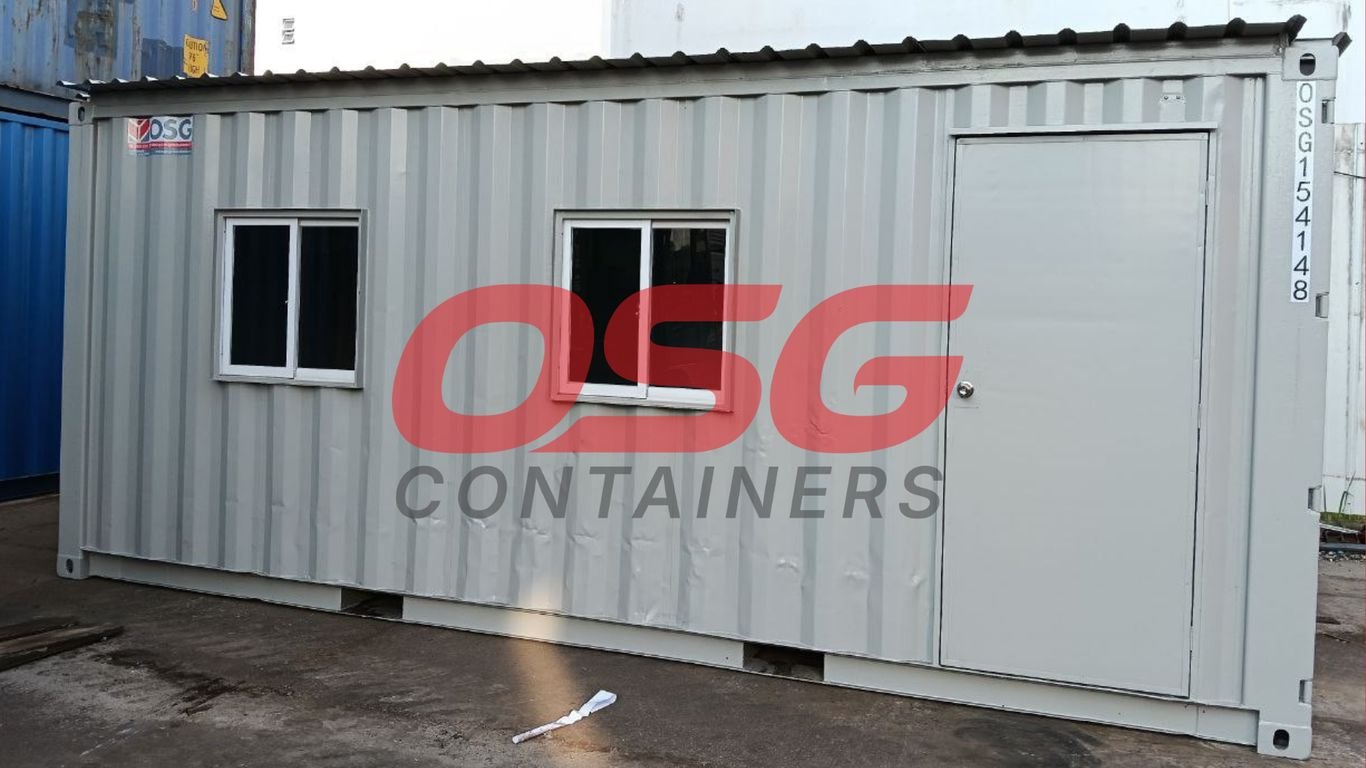
So, you’ve probably seen those metal boxes used for shipping stuff around, right? Well, turns out, they’re being turned into actual offices now. It’s kind of a big deal because it’s changing how businesses can set up shop. Think of it as building blocks for your company’s space, but way faster and often cheaper than a traditional building. This whole container office thing is popping up everywhere, and it’s making businesses more flexible and ready for whatever comes next.
Key Takeaways
- Container offices offer a budget-friendly way to create workspaces, often costing less than traditional construction.
- These modular units can be set up much faster than regular buildings, saving time and labor costs.
- Repurposing shipping containers is an eco-friendly choice, reducing waste and the need for new materials.
- The mobile nature of a container office allows businesses to easily relocate or expand their operations as needed.
- Container offices can be customized to fit specific business needs, integrating technology for efficient work.
The Rise Of The Container Office
Transforming Shipping Containers Into Functional Workspaces
Remember when shipping containers were just big metal boxes used to haul stuff across oceans? Well, things have changed. These sturdy, industrial units are now being reimagined as fully functional, modern office spaces. It’s a pretty neat idea, honestly. Instead of building something from scratch, we’re taking these existing structures and giving them a whole new life. This isn’t just about being trendy; it’s a smart way to create adaptable workplaces.
Think about a standard 20 ft container. It’s a solid, weather-resistant shell that can be transformed with insulation, windows, doors, and all the interior fittings you’d expect in an office. You can even get specialized ones, like an open top container, if your project needs something a bit different. The basic structure is already there, which cuts down on a lot of the usual headaches associated with construction.
- Initial Structure: Durable steel frame, ready for modification.
- Weather Resistance: Built to withstand tough conditions during transit, so they’re tough for office use too.
- Modularity: Easy to connect multiple units for larger spaces.
The shift from seeing containers as mere transport vessels to recognizing their potential as architectural components marks a significant evolution in how we think about building and workspace design. It’s about resourcefulness and seeing opportunity where others might see only discarded materials.
A Modern Solution To Evolving Business Needs
Businesses today need to be quick on their feet. Things change fast, and traditional offices can be slow and expensive to adapt. That’s where container offices really shine. They offer a flexible alternative that can keep up with the pace of modern business. Whether you’re a startup needing a quick setup or a larger company looking to expand into new areas without a huge commitment, these spaces fit the bill.
Consider the typical needs of a growing business:
- Flexibility: The ability to move or reconfigure space as needed.
- Speed: Getting operational quickly without lengthy construction delays.
- Cost: Managing budgets effectively, especially for smaller enterprises.
Container offices address all these points. They’re not just a temporary fix; they’re a viable, long-term solution for companies that value agility and smart resource management. A 20 feet container can become a compact, efficient office, or several can be combined to create a larger campus.
Sustainability Through Repurposing
Let’s talk about the green side of things. Repurposing shipping containers is a fantastic way to be more environmentally friendly. Instead of using new raw materials, we’re giving these steel giants a second chance. This significantly reduces waste and the energy typically used in manufacturing new building materials. It’s a practical application of the circular economy.
- Reduced Waste: Diverts containers from landfills or scrap yards.
- Lower Carbon Footprint: Less energy consumed compared to traditional construction.
- Resource Conservation: Utilizes existing, durable materials.
It’s a win-win. Businesses get a cost-effective and unique workspace, and the planet gets a break. Plus, many container office conversions incorporate other eco-friendly features, like solar panels and efficient insulation, further boosting their green credentials. It’s a tangible way for companies to show they care about sustainability.
Unlocking Business Agility With Container Offices
Mobility For Dynamic Operations
In today’s business world, things change fast. Companies need to be able to move and adapt quickly, and traditional offices just can’t keep up. That’s where container offices really shine. Because they’re built from shipping containers, they’re designed to be moved. Need to set up a temporary site for a construction project? No problem. Want to open a pop-up shop in a new city? Easy. These offices can be transported and set up in new locations without a huge hassle.
This kind of mobility is a game-changer for businesses that have projects in different places or need to respond to market shifts. You’re not tied down to one spot. It means you can be where your customers are, or where the work is, without massive delays or costs.
Scalability For Growth And Downsizing
Businesses don’t always grow in a straight line, right? Sometimes you need more space, and sometimes you need less. Container offices make this kind of adjustment much simpler. They’re modular, meaning you can add more container units if your team gets bigger or you need more room for equipment. It’s like building with LEGOs – you just add another block.
On the flip side, if your company downsizes or a project ends, you can just as easily remove units. This flexibility means you’re not stuck paying for empty office space you don’t need. It’s a much smarter way to manage your real estate footprint and your budget.
Here’s a quick look at how scalability works:
- Expansion: Add more container modules side-by-side or stacked.
- Relocation: Move the entire setup to a new site.
- Downsizing: Remove unneeded modules and repurpose them elsewhere.
Rapid Deployment For Urgent Needs
Sometimes, you just need an office now. Maybe there’s been a natural disaster and you need a temporary command center, or a new contract requires an immediate on-site presence. Traditional construction can take months, even years. Container offices, however, can be ready to go in a matter of weeks, sometimes even days.
The speed at which a container office can be deployed is one of its most significant advantages. This rapid setup allows businesses to maintain operational continuity and seize opportunities without being held back by lengthy construction schedules.
This speed means less downtime and faster project starts. It’s a practical solution when time is of the essence, giving businesses a competitive edge by allowing them to react quickly to changing circumstances or new opportunities.
Cost-Effectiveness And Efficiency
Let’s talk about the money side of things, because honestly, who isn’t thinking about that? Container offices really shine when it comes to keeping costs down without sacrificing quality. They offer a seriously smart way to get a functional workspace without the massive price tag of traditional buildings. Think about it: you’re starting with a pre-built, sturdy structure. That alone cuts out a huge chunk of the expenses associated with laying foundations, framing walls, and all that jazz.
Budget-Friendly Alternatives To Traditional Construction
Building a new office from scratch can drain a company’s bank account faster than you can say "permits." Container conversions, on the other hand, are generally much more affordable. You’re essentially buying a used, but very robust, steel box and turning it into something useful. This means less money spent on raw materials and a lot less hassle.
Here’s a quick look at why they’re easier on the wallet:
- Lower Upfront Costs: The price of a repurposed shipping container is typically a fraction of what you’d pay for traditional construction materials and labor for a similar-sized space.
- Reduced Material Waste: Since the main structure is already there, you’re not buying lumber, bricks, or concrete for the basic shell. This also means less waste heading to the landfill.
- Predictable Pricing: The cost of a container and the basic conversion is usually more straightforward to estimate than a custom-built structure, helping with budgeting.
The initial investment for a container office is significantly less than for a conventional building. This allows businesses, especially startups and smaller enterprises, to allocate their capital towards core operations rather than being tied up in real estate.
Reduced Construction Timelines And Labor Costs
Time is money, right? Container offices are built with speed in mind. Because they’re essentially prefabricated modules, the on-site work is minimal. This means your team can move in and start working much sooner than with a traditional build. Less time on-site also translates directly into lower labor costs. You’re not paying a large crew for months on end.
- Faster Assembly: Most of the work happens off-site in a controlled environment. Once the container arrives, it’s mostly about placement, connecting utilities, and interior finishing.
- Less On-Site Disruption: Fewer workers and less heavy machinery mean less noise and disruption to your existing operations or the surrounding area.
- Skilled Labor Focus: The specialized skills needed are often concentrated in the conversion workshop, rather than requiring a large, general labor force on your specific site for an extended period.
Lower Operational Expenses Through Smart Design
It’s not just about getting the doors open; it’s about running the place efficiently day-to-day. Container offices are often designed with energy efficiency in mind. Good insulation, smart window placement, and the option to integrate things like solar panels can really cut down on your monthly utility bills. Plus, their compact nature can sometimes mean lower property taxes or lease costs, depending on your setup.
- Energy Efficiency: Proper insulation and modern HVAC systems keep heating and cooling costs down.
- Maintenance: The durable steel exterior requires less upkeep than traditional building facades.
- Flexibility: If your needs change, a container office can often be relocated or reconfigured more easily, avoiding costly demolition and rebuilding.
Customization And Design Possibilities
Tailoring Spaces To Unique Business Requirements
Forget cookie-cutter offices. Container offices really shine when it comes to making them fit exactly what your business needs. You’re not stuck with a standard layout. Think about it: you can decide where the doors and windows go, how many rooms you need, and even the overall shape if you’re linking multiple containers together. This means you can create a space that just makes sense for your team’s workflow, whether you’re a small startup needing an open-plan hub or a growing company requiring private offices and meeting rooms.
Integrating Smart Technology For Seamless Operation
These aren’t just metal boxes; they can be high-tech hubs. We’re talking about built-in smart lighting that adjusts automatically, climate control systems you can manage from your phone, and integrated network cabling that makes setting up your IT a breeze. Imagine walking into an office that’s already perfectly lit, at the right temperature, and fully connected before you even sit down. It’s about making the workspace work for you, cutting down on those little daily annoyances.
Enhancing Productivity With Ergonomic Interiors
It’s not just about looks, though they can look pretty sharp. The real win here is creating an environment where people can actually do their best work. This means thinking about things like natural light, good ventilation, and acoustics – nobody wants to work in a noisy, stuffy box. You can choose flooring, wall finishes, and even furniture layouts that promote comfort and focus. A well-designed container office can genuinely boost how much work gets done.
The flexibility of container offices means you can adapt the space as your business evolves. Need to add a new workstation or reconfigure a meeting area? It’s often much simpler and faster than with traditional buildings. This adaptability is a huge plus for businesses that expect to change and grow.
Here’s a quick look at some common customization options:
- Layout: Single unit, multiple units joined side-by-side or stacked.
- Windows & Doors: Placement, size, and type (e.g., sliding glass doors, standard entry).
- Insulation & Climate Control: Options for different climates and energy efficiency goals.
- Interior Finishes: Flooring, wall coverings, ceiling options.
- Utilities: Pre-installed electrical, plumbing, and HVAC systems.
- Exterior: Paint colors, cladding, and branding elements.
Durability And Environmental Responsibility
The Robust Nature Of Shipping Container Structures
Shipping containers are built tough, designed to withstand the rigors of international shipping. Think about it – they’re stacked high on ships, exposed to salt spray, and endure all sorts of weather. This means the steel they’re made from is incredibly strong and resistant to rust and corrosion, especially the Corten steel often used. When repurposed as offices, this inherent toughness translates into a structure that’s not only secure but also remarkably long-lasting. They can handle extreme temperatures and harsh conditions without much fuss, which is a big plus if your business operates in less-than-ideal climates or needs a site office that can take a beating.
Minimizing Environmental Impact Through Eco-Friendly Practices
Repurposing shipping containers is a win for the planet. Instead of manufacturing new building materials, which uses a lot of energy and resources, we’re giving these containers a second life. This significantly cuts down on waste and the carbon footprint associated with traditional construction. It’s a practical way for businesses to show they care about the environment without sacrificing functionality. Plus, the manufacturing process for containers is already done, so we’re skipping a big chunk of the environmental cost right from the start.
Incorporating Green Technologies For Sustainable Workplaces
Beyond just repurposing, container offices are perfect canvases for integrating green tech. You can easily add things like solar panels to the roof for clean energy, or install rainwater harvesting systems. Good insulation is key, of course, and can be added to keep the space comfortable year-round, reducing the need for excessive heating or cooling. Smart lighting and energy-efficient HVAC systems are also simple additions that make a big difference in reducing operational costs and environmental impact. It’s about creating a workspace that’s not just functional but also responsible.
Here are some ways container offices contribute to sustainability:
- Waste Reduction: Diverts steel containers from landfills or scrap yards.
- Lower Embodied Energy: Utilizes materials already produced, reducing manufacturing energy.
- Resource Conservation: Requires fewer raw materials compared to conventional buildings.
- Adaptable for Green Tech: Easily fitted with solar panels, green roofs, and water recycling systems.
The inherent strength and modularity of shipping containers make them an ideal choice for businesses looking to build sustainably. Their robust construction means they stand up well to the elements, while their repurposing aligns with growing environmental consciousness. Adding modern green technologies further solidifies their position as an eco-friendly office solution.
A Growing Trend Across Industries
It’s pretty wild how fast these container offices are popping up everywhere, right? It feels like just yesterday they were a niche idea, and now you see them being used by all sorts of businesses, big and small. They’re not just for construction sites anymore, though those guys definitely love them for quick, tough office spaces.
Adoption By Startups And Small Businesses
Startups and small businesses are really digging these container offices. Think about it: you’ve got limited cash, and you need a place to work that doesn’t tie you down with a massive lease or a years-long construction project. Container offices fit the bill perfectly. They’re way cheaper than traditional builds, and you can get one set up pretty fast. Plus, they have this cool, modern vibe that startups often go for. It’s like, "We’re innovative, and our office shows it!"
- Lower upfront costs: Significantly less expensive than building from scratch.
- Faster setup: Get your business operational much quicker.
- Flexible locations: Easily move if your business needs change.
- Unique aesthetic: Offers a distinct, contemporary look.
Solutions For Large Corporations And Remote Teams
But it’s not just the little guys. Big companies are getting in on this too. They use them for all sorts of things – maybe a temporary office while their main building is being renovated, or for setting up a new branch office in a location that wasn’t planned for long-term. And with more people working remotely or in hybrid setups, these container offices are awesome for creating smaller, distributed team hubs. Instead of everyone commuting to one central spot, you can have these smaller, functional workspaces closer to where people live. It makes managing remote teams a lot easier and can even boost morale by giving people a dedicated space outside their home.
The adaptability of container offices means they can serve as anything from a satellite office for a large corporation to a temporary project management hub, demonstrating their broad appeal.
Versatile Applications Beyond Traditional Offices
Honestly, the uses go way beyond just being an office. I’ve heard of them being used as pop-up shops for retailers who want to test out a new market without committing to a permanent store. Non-profits are using them as mobile clinics or training centers that can be moved to different communities. Even educational institutions are looking at them for temporary classrooms or specialized labs. It’s all about that flexibility and being able to put a functional space exactly where you need it, when you need it, without a huge fuss. This versatility is a huge part of why they’re becoming so popular across so many different fields.
The Future is Flexible
So, looking at all this, it’s pretty clear that container offices are more than just a passing fad. They offer a really practical way for businesses to be nimble, save some cash, and even do a bit for the planet. Whether you need a quick setup for a project or a more permanent spot that can grow with you, these modular spaces are changing the game. It’s a smart move for any company that wants to keep up with how work is changing and build a workspace that actually fits their needs, now and down the road.
Frequently Asked Questions
What exactly is a container office?
A container office is basically a big metal box, like the ones you see on ships or trains, that has been changed into a place to work. People cut out doors and windows, add walls inside, and put in things like electricity and air conditioning to make it a comfortable office space.
Are container offices strong and safe?
Yes, they are! These containers are made to be super tough to handle long journeys and bad weather. They are built from strong steel, so they can last a long time and keep you safe inside.
Can I move a container office easily?
One of the best things about them is that you can move them! If your business needs to move to a new spot, you can pick up the container office and take it with you. It’s like having a portable office.
Is it cheaper to get a container office than a regular building?
Usually, yes! Building a normal office takes a lot of time and money. Container offices can be set up much faster and often cost less to buy and build, which is great for businesses that don’t have a huge budget.
Can I make my container office look and work just how I want it?
Absolutely! You can change the inside and outside of a container office to fit what your business needs. You can choose the colors, the layout, and even add special features like smart technology to make it perfect for you.
Are container offices good for the environment?
They can be! Instead of building something new, people use old shipping containers that might have been thrown away. This is called recycling, and it helps reduce waste. Plus, they can be designed to use less energy, which is also good for the planet.