Singapore
 Australia
 Indonesia
 Japan
Japan Malaysia
 New Zealand
 Philippines
 South Korea
 Taiwan
 Thailand
 VIETNAM
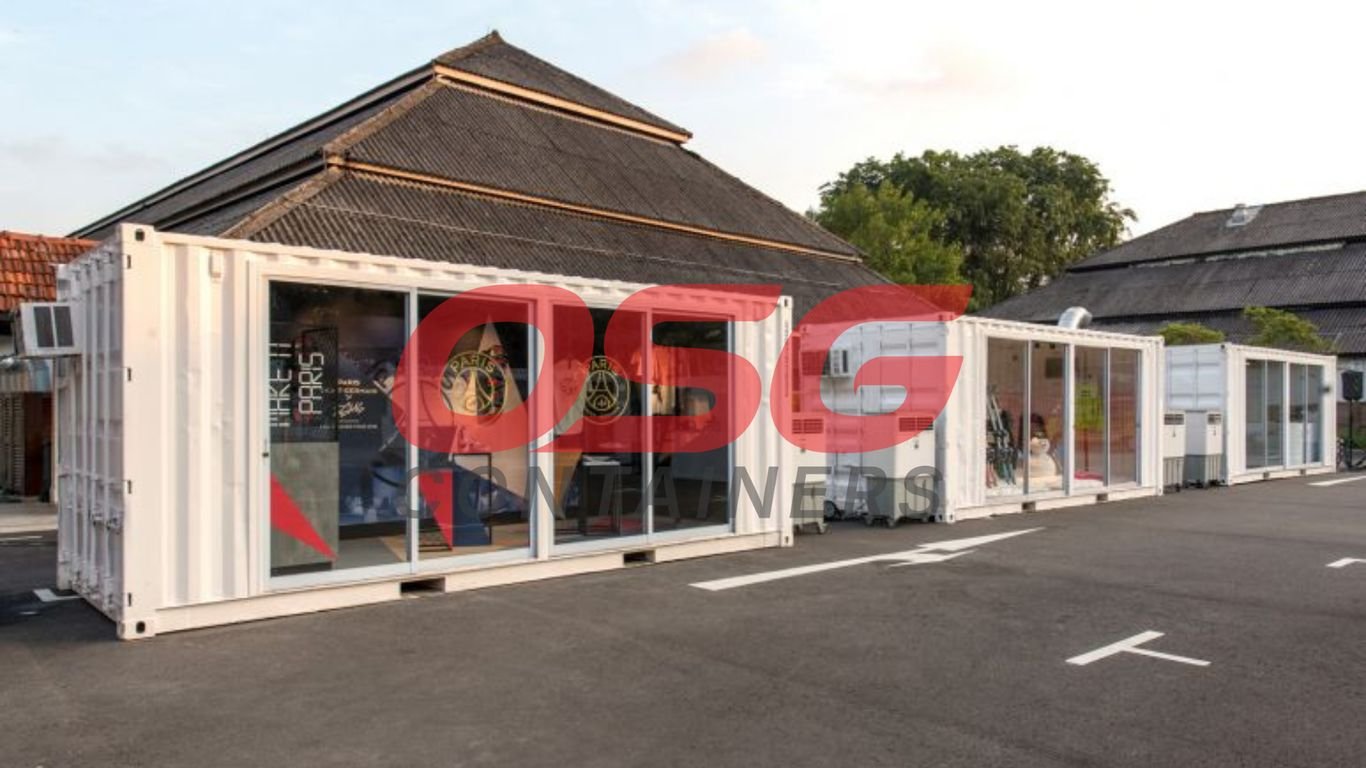
Shipping containers are popping up everywhere, and not just for hauling goods across the ocean. People are finding all sorts of cool ways to use them, especially for businesses. Think about a shop that can move, or a workshop that can go wherever the job is. One of the most popular ways to use a big one, like a 40 feet container, is for a temporary store, often called a pop-up shop. It’s a smart way to test out a new market or just create some buzz without the huge cost of a regular building. We’ll look at how these metal boxes can become anything from a trendy boutique to a handy mobile office.
Key Takeaways
- A 40 feet container is a great, affordable option for creating a temporary retail space or pop-up shop.
- Containers offer flexibility, allowing businesses to set up shop in various locations like city streets or event grounds.
- You can customize a container with windows, doors, paint, and interior fittings to match your brand and create a unique customer experience.
- Beyond retail, these containers can be turned into mobile workshops, art studios, or even emergency shelters.
- Using a container is often faster and cheaper than building a traditional store, making it a smart choice for many businesses.
Transforming a 40 Feet Container Into A Retail Pop-Up
Why Choose A Container For Your Pop-Up Shop?
So, you’re thinking about a pop-up shop, huh? It’s a smart move, especially if you want to test the waters in a new market or just create some buzz without the huge commitment of a permanent store. And when it comes to pop-ups, a 40-foot container is a seriously cool option. Think about it: these things are built tough, they’re already a defined space, and they’re way more affordable than renting a traditional storefront. Plus, they’re super adaptable. You can move them around, set them up in all sorts of places – think busy street corners, festivals, or even a parking lot. It’s a way to get your brand out there quickly and efficiently.
Here’s a quick look at why they make sense:
- Cost-Effective: Buying or renting a container is generally cheaper than leasing commercial real estate. You also often skip out on things like property taxes and long-term maintenance fees.
- Mobile and Flexible: Need to be where the action is? A container can be transported to different locations, letting you chase events or seasonal demand.
- Quick Setup: With some planning, you can get a container pop-up ready to go much faster than a conventional store build-out.
- Unique Branding: A container offers a blank canvas that can be customized to really stand out and reflect your brand’s personality.
The real beauty of using a container is its inherent structure. It’s a ready-made box that, with a bit of work, becomes a functional and eye-catching retail space. This simplicity cuts down on a lot of the guesswork involved in traditional retail setups.
Key Considerations Before Conversion
Before you start dreaming up paint colors and display shelves, there are a few practical things to sort out. It’s not just about cutting a hole for a door and calling it a day. You’ve got to think about where it’s going to live, what you need inside, and how it’s all going to work.
Here’s what you should be thinking about:
- Location, Location, Location: Where will this pop-up actually be? You need to check local rules about permits and zoning. Can you even put a container there? Also, think about foot traffic and visibility. Is it easy for people to see and get to your shop?
- Utilities: Will you need electricity for lights, a cash register, or maybe even a small fridge? How about heating or cooling? You need to make sure the site can support these needs, or factor in the cost of generators or portable units.
- Container Condition and Type: Are you going for a brand new container or a used one? A used one might be cheaper, but you need to make sure it’s structurally sound and doesn’t have any hidden issues. For a 40-footer, consider if you need a standard height or a ‘high cube’ for a bit more headroom.
- Layout and Flow: How will customers move through the space? A 40-foot container is long and narrow, so planning the entrance, exit, and the path customers take is important to avoid bottlenecks and make browsing comfortable.
| Feature | Considerations |
|---|---|
| Permits/Zoning | Check local regulations; may require temporary use permits. |
| Site Access | Can a truck deliver and place the container? Is the ground level and stable? |
| Utilities | Proximity to power, water, and internet hookups. Generator needs? |
| Container Size | 40ft standard vs. high cube; impacts interior space and headroom. |
| Container State | New vs. used; check for rust, dents, and structural integrity. |
Steps To A Successful Container Pop-Up
Turning a metal box into a retail destination involves a few key stages. Getting these right means your pop-up will be functional, look good, and hopefully, make you some sales.
- Design and Planning: This is where you figure out the look and feel. Sketch out your layout, decide where displays will go, and plan for lighting. Think about how your brand will be represented visually.
- Modifications: This is the actual building part. You might need to add windows, a proper door, insulation, electrical wiring, and maybe even flooring. Painting the exterior and interior also makes a big difference.
- Furnishing and Merchandising: Once the structure is ready, bring in the furniture. This includes display shelves, counters, seating if needed, and any point-of-sale systems. Arrange your products attractively.
- Setup and Launch: Transport the container to its final location. Connect any utilities, do a final check of everything, and then it’s time to open your doors.
It sounds like a lot, but breaking it down makes it manageable. The goal is to create an inviting space that draws people in and makes them want to explore what you have to offer. Remember, a well-executed container pop-up can be just as effective, if not more so, than a traditional store.
Creative Applications Beyond Retail For A 40 Feet Container
While pop-up shops are a fantastic use for these versatile steel boxes, their potential stretches way beyond just selling products. Think about it: these containers are basically pre-built, sturdy modules that can be dropped just about anywhere. This makes them super handy for all sorts of projects that need a flexible, robust space.
Mobile Workshops And Production Units
Need a place to build, fix, or create on the go? A 40-foot container can be kitted out as a mobile workshop. Imagine a woodworking shop that can be set up at a remote job site, or a fabrication unit that travels to different events. They’re great for:
- Tool and Equipment Storage: Keep everything secure and organized.
- On-Site Repairs: Fix machinery or equipment right where it’s needed.
- Custom Fabrication: Build specialized items away from a main facility.
These units can be outfitted with workbenches, power outlets, lighting, and even climate control to keep your tools and materials in good shape. The ability to deploy a fully functional workspace almost anywhere is a game-changer for many industries.
Unique Art Studios And Galleries
Artists often crave dedicated spaces, and containers offer a blank canvas (literally!). A 40-foot container can become a spacious studio, complete with good lighting and ventilation. For visual artists, the industrial aesthetic can even be part of the creative process. They can also be transformed into temporary galleries, bringing art directly to communities or events. Consider these points:
- Sound Isolation: The steel walls offer a decent level of natural soundproofing, which is great for musicians or anyone working with noisy equipment.
- Climate Control: Keeping sensitive materials or artwork at a stable temperature is easy with added insulation and HVAC.
- Security: These containers are inherently secure, protecting valuable art supplies or finished pieces.
Converting a container into an art studio means you can have a dedicated creative zone without the commitment of a long-term lease on traditional commercial space. Plus, you can move your entire studio if you need to relocate.
Emergency Shelter Solutions
In times of crisis, speed and reliability are everything. Shipping containers can be rapidly converted into emergency shelters, providing immediate, weather-resistant housing for displaced individuals or temporary medical facilities. Their standardized size means they can be stacked efficiently for transport and storage, ready to be deployed wherever disaster strikes. They offer:
- Rapid Deployment: Shelter can be set up within hours of arrival.
- Durability: Protection against harsh weather conditions.
- Customization: Interiors can be adapted for sleeping quarters, basic sanitation, or medical aid stations.
These shelters are a practical and cost-effective way to provide essential support when it’s needed most.
Designing Your 40 Feet Container Retail Space
Layout and Flow for Customer Experience
When you’re working with a 40 feet container, space is definitely a consideration. You can’t just throw up walls and expect people to find their way around. Think about how customers will actually move through your shop. Where’s the entrance? Where’s the exit? How do you want them to see your products? A good layout makes people feel welcome and encourages them to browse. For a smaller space, like a 20 ft container, this is even more important. You want to avoid that cramped feeling. Consider a simple, linear flow or maybe a U-shape if you have enough room. Keep the path clear so people don’t bump into displays. It’s all about making it easy and pleasant for shoppers to explore what you’re offering.
Incorporating Branding and Aesthetics
Your container pop-up is a chance to really show off your brand. Don’t just slap a logo on the side and call it a day. Think about the overall look and feel. What colors represent your brand? What kind of vibe are you going for – modern, rustic, playful? You can paint the exterior, add custom signage, or even install some cladding to give it a unique look. Inside, the flooring, lighting, and wall finishes all play a part. Even simple things like the style of your display shelves can say a lot about your brand. Making your container look good is just as important as the products you sell.
Essential Fixtures and Furnishings
Now for the practical stuff: what do you actually need inside your container? This really depends on what you’re selling. If you’re selling clothes, you’ll need racks and maybe a fitting area. For smaller items, shelves and display tables are key. You’ll also need a point-of-sale area, which could be a simple counter or a small desk. Don’t forget about lighting – good lighting makes products look better and makes the space feel more inviting. You might also need seating if you’re selling something that requires customers to linger, like coffee or books. When choosing furniture, think about pieces that are functional but also fit your brand’s style. You don’t want bulky items taking up too much precious space in your 40 feet container.
| Fixture Type | Purpose |
|---|---|
| Display Shelving | Showcasing products |
| Counter/POS Station | Transactions and customer interaction |
| Lighting Fixtures | Product highlighting and ambiance |
| Seating (Optional) | Customer comfort and extended browsing |
| Storage Units | Inventory and back-of-house organization |
Logistics Of A 40 Feet Container Pop-Up
Getting your container pop-up from an idea to a functioning shop involves a few key logistical steps. It’s not just about getting the container; it’s about where it goes, how it gets there, and what it needs to run.
Site Selection And Permitting
First things first, you need to figure out where your pop-up will live. This isn’t just picking a pretty spot; it involves checking local rules. You absolutely need to confirm that your chosen location allows for a temporary structure like a container shop. This means looking into zoning laws and getting the right permits. Some places are super strict, while others are more laid-back. It’s always better to ask around at the local city hall or planning department before you get too far along.
Here are some things to think about when picking a spot:
- Visibility: Is it easy for people to see your shop? High foot traffic areas are usually best.
- Accessibility: Can customers easily get to your pop-up? Think about parking or public transport.
- Utilities: Will you need power, water, or internet? Make sure the site can support these.
- Permits: What paperwork do you need to file? This can take time, so start early.
Don’t underestimate the time and effort required for permitting. It’s a common hurdle that can delay your opening if not handled properly. Researching thoroughly and talking to local officials upfront can save a lot of headaches later on.
Transportation And Installation
Once you’ve got your location sorted and your container is ready, it needs to get there. This is where transportation comes in. You’ll need a specialized truck and driver who knows how to handle shipping containers. They’re heavy and awkward, so you can’t just use any old tow truck. The cost of moving the container can vary a lot depending on the distance and how difficult the site is to access.
When the container arrives, it needs to be placed correctly. This usually involves a crane or a forklift to set it down precisely where you want it. If you’re planning on using the container for a longer period or in a busy area, you might need to think about securing it to the ground to prevent it from moving, especially in windy conditions.
Utility Hookups And Maintenance
Your container pop-up needs power to light up, run your point-of-sale system, and maybe even power a small air conditioner or heater. You’ll need to arrange for electrical hookups. This might mean connecting to a nearby power source or, for more remote locations, looking into generator options. Don’t forget about internet access if you need it for payments or customer Wi-Fi.
Maintenance is also a part of the deal. While containers are built tough, things can still happen. Regular checks for leaks, especially after heavy rain, are a good idea. Keeping the exterior clean and perhaps repainting it if it starts to look worn will help maintain your brand’s image. If you’re container renting, check the terms of your agreement regarding maintenance responsibilities.
The Affordability And Efficiency Of Container Retail
Cost Savings Compared To Traditional Stores
Let’s be real, setting up a shop the old-fashioned way can cost a small fortune. Renting prime real estate, building out the interior, dealing with long leases – it all adds up fast. That’s where container pop-ups really shine. Buying or even renting a shipping container is significantly cheaper than leasing a traditional storefront. You can skip a lot of those hefty overheads like property taxes and ongoing maintenance fees that come with a permanent building. Plus, these containers are built tough, so you’re not constantly worried about wear and tear.
Speed Of Deployment And Setup
Need to get your product in front of customers quickly? A container is your best bet. They’re designed to be moved, so once you’ve got it prepped and ready – maybe with some paint, shelving, and a cool sign – it can be transported and set up pretty fast. This is a huge plus if you’re aiming for a seasonal event or a limited-time market. You can get it on-site and open for business way faster than waiting for a brick-and-mortar space to be ready.
Reusability And Long-Term Value
Think of a container pop-up not just as a one-off gig, but as a flexible asset. After your event or market run, you can simply move it to a new location for another pop-up. This adaptability means you get more bang for your buck over time. It’s a smart way to test new markets or reach different customer bases without being tied down to one spot. It’s a solid investment that keeps on giving.
Containers offer a practical and budget-friendly way to get your business out there. They’re sturdy, adaptable, and can be set up in a flash, making them a great choice for businesses looking to make a splash without breaking the bank.
Here’s a quick look at why they make sense:
- Lower Upfront Costs: Significantly less expensive than traditional retail leases.
- Reduced Overhead: Avoids many costs associated with permanent stores.
- Flexibility: Easily moved to different locations for various opportunities.
- Quick Setup: Get operational much faster than with conventional builds.
- Durability: Built to withstand various weather conditions.
Wrapping It Up
So, it’s pretty clear that these big metal boxes are way more than just places to stash stuff. We’ve seen how they can pop up as shops, giving businesses a cool, flexible way to connect with customers without breaking the bank. It’s not just about saving money, though. It’s about being smart, adaptable, and maybe even a little bit creative. Whether it’s for a short-term sale or a new venture, turning a container into a retail space is a solid idea. It’s a practical solution that’s catching on, and honestly, it’s pretty neat to see what people come up with.
Frequently Asked Questions
Why are shipping containers good for pop-up shops?
Shipping containers are a great choice for pop-up shops because they’re cheaper than regular stores, easy to move around, and you can change them to look exactly how you want. They’re also built tough, so they can handle different weather.
What’s the first thing I should think about when turning a container into a shop?
The most important thing is picking the right spot. You need to make sure it’s okay with the local rules, that you can get electricity and other things you need, and that lots of people will see it and be able to get to it easily.
How big should my container be?
The size you need depends on what you’re selling and how much space you want for customers to walk around. Common sizes are 10, 20, or 40 feet long. Think about how much stuff you need to show and if you need a place for people to wait or try things on.
Can I really make a container look nice inside and out?
Absolutely! You can add windows, doors, paint, flooring, lights, and even air conditioning. You can also add shelves, counters, and displays to make it look like a real store that matches your brand.
Is it hard to move and set up a container shop?
Containers are made to be moved, so it’s usually pretty straightforward. You’ll need a special truck to move it to your chosen spot. Once it’s there, you just need to connect any power or water you need, and then you can set up your displays.
Are container shops cheaper than regular stores?
Yes, they are usually much cheaper. You don’t have to pay as much for the container itself as you would for renting a building. Plus, you often save money on things like property taxes and long-term maintenance.