 Singapore
 Australia
 Indonesia
 Japan
Japan Malaysia
 New Zealand
 Philippines
 South Korea
 Taiwan
 Thailand
 VIETNAM
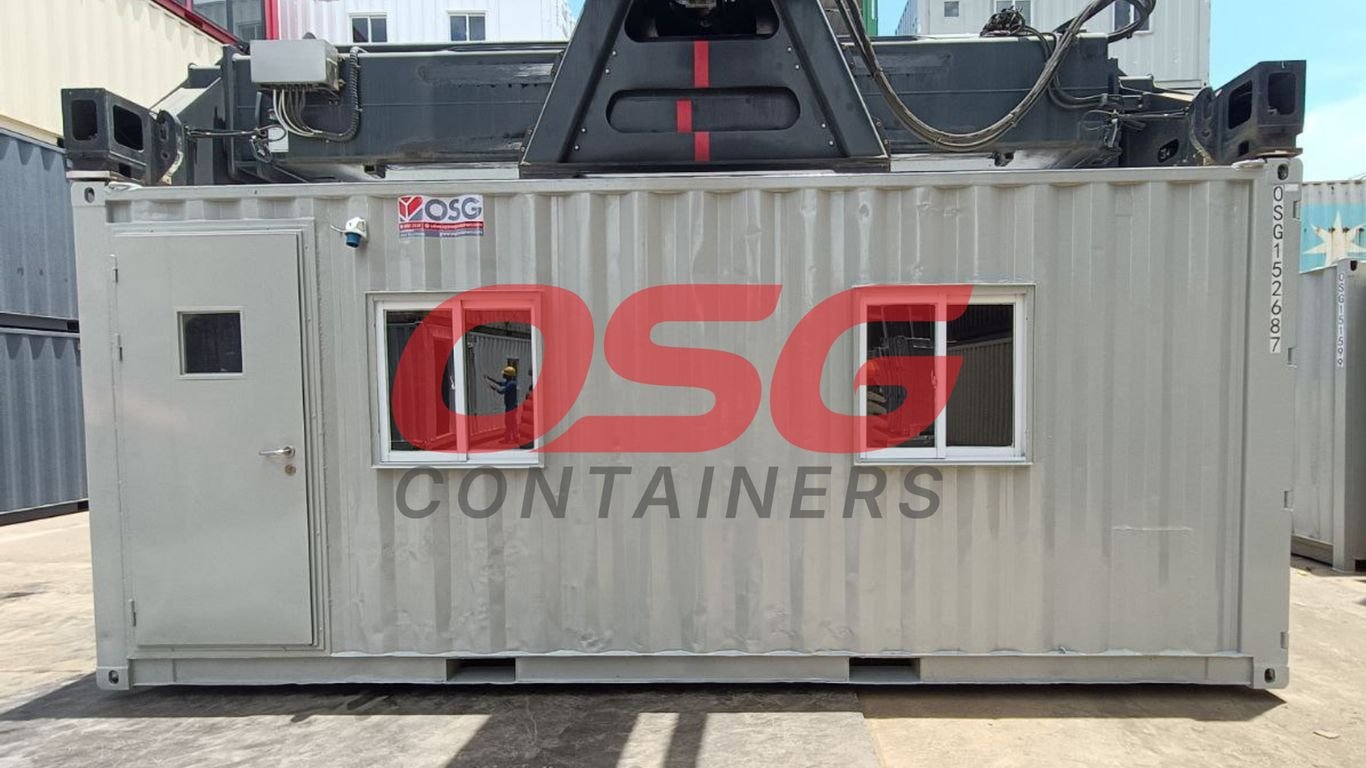
Starting a new business is exciting, but figuring out where to put everyone can be a headache. Renting traditional office space often comes with big costs and long leases, which just doesn’t work for many new companies. That’s where containers office solutions come in. They offer a way for startups to get a workspace that’s affordable, quick to set up, and can change as the business grows. Think of them as smart, adaptable spaces that help new businesses get off the ground faster and work smarter.
Key Takeaways
- Containers office setups offer startups significant cost savings compared to traditional leases, with lower upfront expenses and predictable ongoing costs.
- The flexible nature of containers office spaces allows them to be easily expanded, moved, or reconfigured, matching a startup’s dynamic growth.
- Startups can quickly deploy containers office solutions for various needs, from permanent headquarters to temporary event spaces or project sites, speeding up operations.
- Customization options for containers office allow startups to create branded, functional, and comfortable workspaces that reflect their company culture.
- Choosing the right containers office partner involves assessing size needs, understanding local regulations, and selecting a supplier experienced in modifications and logistics.
Why Startups Are Embracing Container Offices
Startups are all about moving fast and adapting. Traditional office leases and build-outs just don’t cut it anymore. They’re slow, expensive, and frankly, a pain. That’s where container offices come in. They offer a way for new businesses to get a professional workspace without the usual headaches.
Cost Savings Without Compromise
Let’s be real, startups are usually watching every penny. Leasing a fancy downtown office can eat up a huge chunk of your budget before you’ve even made your first sale. Container offices offer a much more affordable entry point. You get a solid, functional space for a fraction of the cost of traditional builds or long-term leases. Plus, the ongoing costs like utilities are often lower because these units are smaller and designed to be efficient. It means more money stays in your business for things like hiring talent or developing your product.
| Cost Area | Traditional Office | Container Office |
|---|---|---|
| Upfront Investment | High | Moderate |
| Monthly Rent/Lease | High | Low |
| Utilities | Moderate to High | Low |
| Maintenance | Moderate to High | Low |
Flexibility That Matches Growth
Startups are rarely static. One month you might have a small team, and the next, you’re hiring like crazy. Trying to scale a traditional office space is a nightmare. You’re stuck in a lease, paying for space you don’t need, or scrambling to find a bigger place. Container offices are built for this. Need more room? Just add another container. Want to move your whole operation? You can take your office with you. This kind of adaptability is a huge deal when you’re trying to grow quickly.
- Easy Expansion: Add units as your team grows.
- Relocatable: Move your entire office with minimal disruption.
- Configurable: Change the internal layout to suit new needs.
The ability to quickly adjust your physical workspace mirrors the agility required in today’s fast-paced startup environment. It removes a significant barrier to rapid scaling.
Rapid Deployment for Quick Launches
In the startup world, speed is everything. Launching a new product, onboarding a new team, or kicking off a big project often comes with tight deadlines. Waiting months for a traditional office to be ready can mean missed opportunities. Container offices can be delivered, set up, and ready to go in a matter of days or weeks. This means you can start working, collaborating, and generating revenue much sooner, giving you a competitive edge.
Designing Your Ideal Container Office Space
So, you’ve decided a container office is the way to go. Awesome! But now comes the fun part: making it truly yours. Forget those cookie-cutter boxes you might be picturing. These spaces are incredibly adaptable, letting you build something that not only works for your team but also screams your startup’s brand.
Customizable Interior Layouts
Think about how your team actually works. Do you need a big open area for collaboration, or are quiet zones for focused work more your style? Container offices can be configured in so many ways. You can have:
- Private offices for heads of departments or sensitive meetings.
- Open-plan workstations for day-to-day tasks.
- A dedicated conference room with all the tech for client calls.
- Even a small break area or kitchenette to keep everyone fueled.
It’s all about fitting the space to your workflow, not the other way around. You can really tailor the inside to match how your people get things done.
Tailored Utility and Tech Upgrades
Don’t worry, these aren’t just empty shells. You can get them kitted out with all the essentials. We’re talking proper electrical hookups for all your computers and gadgets, reliable HVAC systems to keep things comfy no matter the weather outside, and even plumbing if you need sinks or restrooms.
Plus, if your startup is tech-heavy, you can integrate smart solutions. Think about:
- High-speed internet and Wi-Fi boosters.
- Smart thermostats for energy management.
- Integrated sound systems for common areas.
- Security cameras and access control systems.
It’s about building a modern, functional workspace that supports your business operations without a hitch.
Aesthetic Branding Opportunities
This is where container offices really shine for startups. They’re a blank canvas waiting for your brand’s personality. You can go beyond just slapping your logo on the door. Consider:
- Exterior Finishes: Custom paint jobs, modern siding, or even unique cladding can make your office stand out.
- Signage: Bold, well-designed signage is a must.
- Interior Design: Use your brand colors in the decor, choose furniture that fits your vibe, and add artwork that reflects your company culture.
Making your container office look good isn’t just about appearances; it’s a powerful way to build brand recognition and create a positive first impression for clients and potential hires. It shows you’re serious about your business and your image.
Essentially, your container office can become a physical extension of your brand, a place that inspires your team and impresses visitors, all while being a practical and cost-effective solution.
The Versatile Applications of Container Offices
Office Space for Growing Teams
Need a place for your team to work that doesn’t break the bank or tie you down? Container offices are a solid choice. They can be set up as your main headquarters or as extra space if your team is spread out. Think of them as a flexible office building, but on your terms. They offer a professional look and feel, making it easy for your team to get work done without feeling cramped or stuck in a temporary setup. It’s a practical way to house your growing crew.
Pop-Up Offices for Events
Got a big event coming up? A trade show, a product launch, or a community gathering? A container office can be your branded hub. These units can be moved and set up pretty quickly, making them great for temporary needs. You can create a cool, branded space that stands out, giving attendees a place to connect with your company. It’s a smart way to make a splash without a huge commitment.
Project-Specific On-Site Offices
If your startup is working on a project away from your main office, like a construction site or a remote research location, a container office is super handy. It gives your team a dedicated workspace right where they need it. These can be equipped with power, internet, and all the basics, so work can continue smoothly. It beats trying to manage things from a distance or setting up a makeshift area. It’s like bringing your office to the job.
Flexible Co-working Hubs
Some startups are even using multiple containers to create shared workspaces. This is perfect for freelancers, other early-stage companies, or hybrid teams that need a flexible place to work. You can design the space to suit different needs, offering private areas, common zones, and meeting rooms. It’s a modern take on the office, allowing for collaboration and flexibility in a cost-effective package. It’s a great way to build a community around your workspace, much like a mini WeWork, but with the added benefit of being portable. This adaptability is a real plus for businesses that are still figuring out their long-term space needs, and it’s a far cry from the rigid structure of a traditional container home setup.
Sustainability and Container Office Solutions
It’s not just about saving money; using container offices is also a pretty good move for the planet. Startups today are really thinking about their environmental footprint, and thankfully, container offices fit right into that. Repurposing these big metal boxes means we’re cutting down on waste and giving materials a second life.
Reuse and Recycling Benefits
Instead of making brand new structures, we’re taking decommissioned shipping containers, like the common 40 foot containers, and turning them into functional workspaces. This process diverts a lot of material from landfills. It’s a smart way to build without starting from scratch.
Energy Efficiency Features
These units can be surprisingly energy-efficient. With good insulation and modern HVAC systems, they keep a comfortable temperature year-round, using less power than you might think. Plus, you can add things like solar panels or LED lighting to make them even greener. Think about how much less energy you’d need compared to a sprawling traditional building. Even adding a small, self-contained unit for things like a mobile toilet in Singapore can be designed with water-saving fixtures.
Minimal Site Impact During Setup
Setting up a container office usually means a lot less disruption to the land. You don’t need massive foundations or extensive excavation. This means less impact on the local environment, which is a big plus, especially if you’re setting up in a sensitive area or need a quick setup.
Building with containers often requires less heavy machinery and fewer raw materials than conventional construction. This translates to a smaller carbon footprint from the outset and less disturbance to the ground where the office will sit. It’s a more considerate approach to development.
Here’s a quick look at how they stack up:
- Reduced Material Waste: Utilizes existing structures.
- Lower Embodied Energy: Less energy needed for manufacturing new components.
- Faster Construction: Less time on-site means less disruption.
- Potential for Relocation: Can be moved, reducing the need for new builds elsewhere.
Choosing the Right Container Office Partner
Finding the right company to help you set up your container office is a big deal. It’s not just about getting a box; it’s about getting a functional, comfortable, and professional space that fits your startup’s needs. Think of it like picking a contractor for a home renovation – you want someone reliable and good at what they do.
Assessing Container Sizes and Combinations
Before you even talk to suppliers, you need to have a good idea of what you need. How many people will be working there? What kind of work will they be doing? Do you need private offices, open-plan areas, or a mix? Most suppliers offer standard sizes, usually 20-foot or 40-foot containers. But don’t stop there. Many startups find that combining two or more containers gives them the flexibility they need. This could mean placing them side-by-side for a wider space or stacking them for a multi-level office. It’s all about matching the physical space to your team’s workflow.
Here’s a quick look at common container sizes:
| Size | Internal Dimensions (approx.) | Best For |
|---|---|---|
| 20-foot | 19′ L x 7.7′ W x 8.5′ H | Small teams, individual offices, storage |
| 40-foot | 39′ L x 7.7′ W x 8.5′ H | Larger teams, open-plan layouts, meeting rooms |
Understanding Site and Permit Requirements
This is where things can get a little tricky, but it’s super important. You can’t just plop a container office anywhere. You’ll need to check with your local city or county about zoning laws and building permits. Some areas are really straightforward, while others have specific rules about where you can place temporary structures. Don’t forget about site preparation, too. You’ll need a level surface, and you’ll have to think about how utilities like electricity and water will connect. A good partner will help you figure this out, but it’s your responsibility to get the final approvals.
It’s always better to ask too many questions upfront about permits and site prep than to face unexpected delays or fines later on. A little research now saves a lot of headaches down the road.
Partnering with a Trusted Supplier
When you’re looking for a supplier, don’t just go for the cheapest option. Look for companies that specialize in converting containers into offices. They’ll know about insulation, ventilation, electrical work, and interior finishing. Ask about their experience with startups and if they can show you examples of past projects. The rental of containers is a service, and you want a provider that offers more than just the basic unit. A good supplier will guide you through the customization process, help with logistics, and stand behind their work. They should be able to answer questions about durability, maintenance, and even future resale or buy-back options if that’s something you’re considering. Ultimately, you want a partner who understands your startup’s unique journey and can provide a workspace solution that grows with you.
Overcoming Common Container Office Considerations
Ensuring Proper Insulation and Climate Control
Look, nobody wants to work in a space that feels like an icebox in winter or a sauna in summer. It’s a fair point. But modern container offices are built with this in mind. They come with good insulation, and you can add heating and cooling systems, like mini-split units, that work really well. These systems are designed to keep your team comfortable no matter what the weather’s doing outside. It’s not just about comfort, either; a stable temperature helps people focus better.
Implementing Robust Security Measures
When you’re setting up shop, especially if you’re in a less busy area or have valuable equipment, security is a big deal. You don’t want to worry about break-ins. Most container office suppliers offer reinforced doors, strong locks, and options for alarm systems. You can even integrate security cameras. It’s about making sure your workspace and everything in it is safe and sound, giving you peace of mind so you can concentrate on your business.
Guaranteeing Reliable Connectivity Options
In today’s world, a slow or spotty internet connection can bring a startup to a standstill. It’s not just about emails; it’s video calls, cloud access, and all the digital tools you rely on. While containers might seem remote, getting good internet is totally doable. You can get Wi-Fi boosters, and many suppliers can help set up hardwired Ethernet connections directly into the container. Think of it like setting up a traditional office – you just need to plan for your internet needs upfront.
Addressing Perceptions of Container Spaces
Sometimes, people hear "container office" and picture something basic, maybe even a bit rough around the edges. It’s a common first thought. But honestly, once you see one of these converted spaces, that idea usually goes out the window. They’re finished professionally, with proper flooring, lighting, and climate control. They look and feel like any modern office, often with a unique, stylish edge. The key is that the finished product speaks for itself, quickly changing any initial doubts into genuine appreciation for the space.
It’s easy to get caught up in the idea of what something might be like, but when it comes to container offices, the reality is often much better than the expectation. With the right planning and a good supplier, these spaces are fully equipped to handle the demands of a busy startup environment. They’re not just a place to work; they’re a functional, secure, and comfortable extension of your business.
Real-World Startup Success with Container Offices
Tech Company Expands with Container Offices
A fast-growing software startup in Victoria found themselves outgrowing their initial space faster than they could have imagined. Instead of committing to a lengthy and expensive traditional lease in the city center, they opted for a two-unit container office setup adjacent to their existing building. This move not only provided the much-needed extra room for their expanding team but also helped maintain their close-knit company culture. The cost savings compared to leasing new downtown real estate were significant, allowing them to reinvest those funds into product development and hiring.
Creative Agency Enhances Brand with Custom Design
This agency wanted an office that screamed ‘creativity’ and reflected their bold brand identity. They worked with a container office provider to create a truly unique space. The exterior was painted a striking black and yellow, complete with custom signage and large, floor-to-ceiling windows that let in tons of natural light. The result? A workspace that clients loved visiting and that served as a constant, visible marketing tool for the agency itself. It proved that container offices can be just as stylish, if not more so, than conventional buildings.
Engineering Firm Utilizes Mobile Office Solutions
An engineering firm with projects scattered across different locations needed a way to keep their teams productive without long commutes. They deployed several container offices directly at their project sites. Each unit was outfitted with workstations, drafting tables, and a small meeting area, providing a fully functional and comfortable workspace right where the action was. This flexibility meant their teams could focus on the work at hand, regardless of how remote the location, without sacrificing productivity or collaboration.
The key takeaway from these examples is that container offices aren’t just a budget-friendly alternative; they are a strategic tool that startups can use to adapt quickly, express their brand, and maintain operational efficiency in diverse and demanding environments.
Wrapping It Up: The Smart Startup Office
So, if you’re running a startup and feeling the squeeze of traditional office spaces, maybe it’s time to look at these container offices. They’re not just a quick fix; they’re a smart way to get your team set up fast, keep costs down, and actually make your workspace look good and feel right for your brand. Plus, you’re doing a little something good for the planet by reusing materials. It’s a pretty solid deal for businesses that need to move quickly and think ahead.
Frequently Asked Questions
Why are container offices a good choice for new businesses?
Container offices are a smart pick for startups because they cost less than regular buildings, you can set them up really fast, and they’re easy to change or move as your business grows. This means you save money and can adapt quickly to new opportunities without being tied down.
Can I design my container office to look like my company’s brand?
Absolutely! You can paint them any color, add your logo, and design the inside to fit your company’s style. They can look just as professional and unique as any traditional office space, helping your brand stand out.
What if my team gets bigger? Can a container office grow with us?
Yes, they’re super flexible. If you need more space, you can easily add another container or connect them together. It’s much simpler than trying to find a bigger traditional office or renovating your current one.
Are container offices good for the environment?
They really are! Using old shipping containers means we’re reusing materials that might otherwise be thrown away. Plus, they usually use less energy to heat and cool, and setting them up doesn’t disturb the land as much as building something new.
How long does it take to get a container office ready to use?
It’s much quicker than you might think! Depending on how fancy you want it and how ready your site is, a container office can often be delivered and set up in just a few days or weeks. This speed is a huge plus for startups that need to start working right away.
Are container offices safe and comfortable?
They are built tough with strong steel and secure locks, making them very safe. They also come with good insulation and heating/cooling systems, so they’re comfortable no matter the weather outside. You can also add extra security features if you need them.


