 Singapore
 Australia
 Indonesia
 Japan
Japan Malaysia
 New Zealand
 Philippines
 South Korea
 Taiwan
 Thailand
 VIETNAM
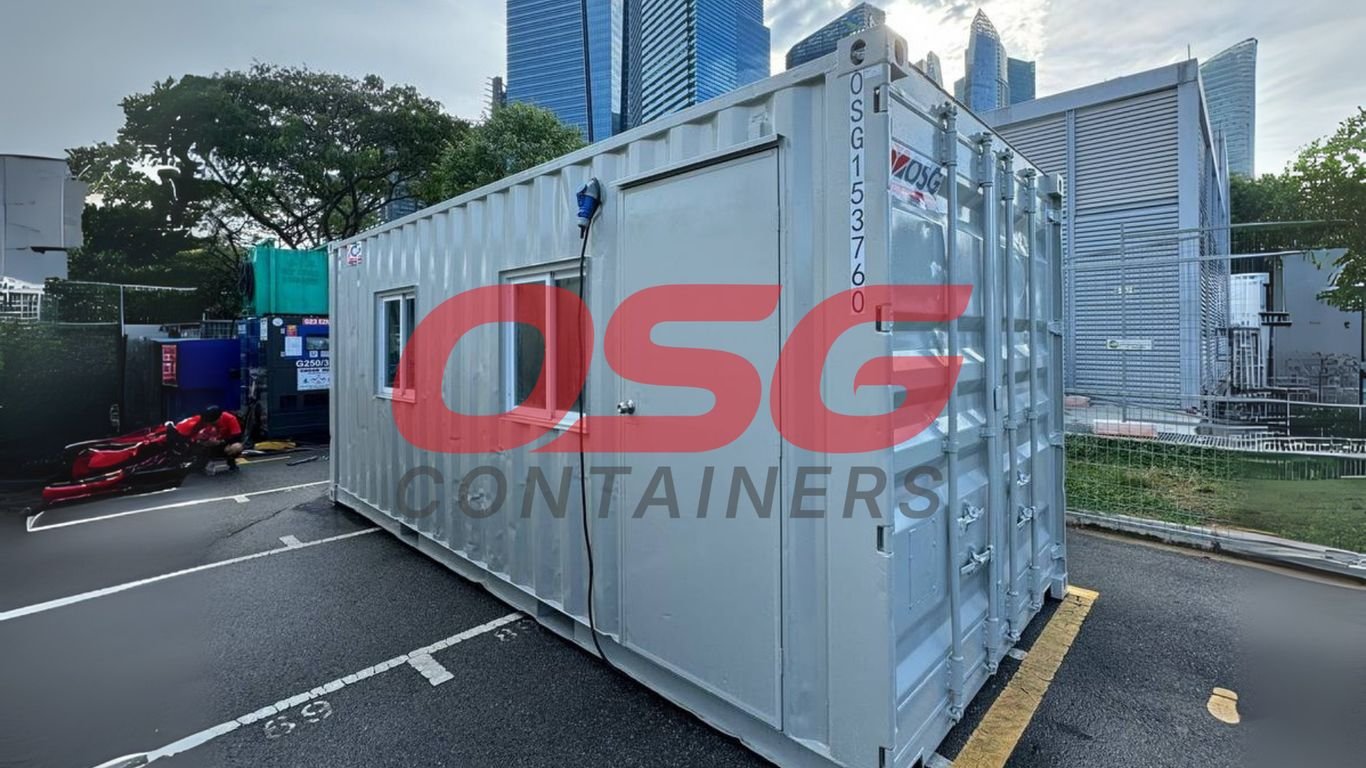
Thinking about renting a shipping container? It’s a smart move for so many reasons, whether you’re tackling a big project, planning an event, or just need some extra space. Forget the hassle of traditional storage units; with container rentals, the storage comes right to you. This guide breaks down everything you need to know about renting containers, from picking the right size to making the most of your rental.
Key Takeaways
- Figure out what you need the container for and how long you’ll need it before you start looking.
- Container sizes vary, so pick one that fits your stuff without being too big or too small.
- Renting is usually best for short-term needs, while buying makes sense for long-term solutions.
- Get a quote, prepare your site for delivery, and schedule a time that works for you.
- Containers are super versatile, great for events, businesses, construction sites, and more.
Understanding Your Container Rental Needs
Before you even think about calling a rental company, it’s a good idea to get a handle on what you actually need. This isn’t rocket science, but a little planning goes a long way. Think of it like packing for a trip – you wouldn’t just throw random stuff in a bag, right? You figure out where you’re going, how long you’ll be there, and what you’ll be doing.
Define Your Project and Timeline
So, what’s the deal? Are you renovating the house and need to stash furniture? Maybe your business has a busy season coming up and you need extra inventory space? Or perhaps you’re planning a big move? Knowing the ‘why’ and ‘how long’ is step one. If you’re remodeling, you might need a container for a few months. If it’s for a seasonal business, maybe just a couple of weeks. Having a rough start and end date, even if it’s just an estimate, helps a lot. It’s way easier to figure out the right container size and rental period when you have this info.
Here are some common reasons people rent containers:
- Home Renovations: Keep your belongings safe from dust and damage.
- Seasonal Business Needs: Store extra inventory or equipment during peak times.
- Moving: Pack and load at your own pace, without the rush.
- Decluttering: Create space at home while you sort through items.
- Job Site Storage: Secure tools and materials right where you need them.
Don’t stress too much about nailing the exact end date. Most rental companies are pretty flexible. You can usually start with a shorter rental period, like a month, and then extend it if you need more time. It’s better to have a little buffer than to be scrambling at the last minute.
Choose the Right Shipping Container Size
Containers come in different sizes, and picking the wrong one can be a pain. Too small, and you’re playing Tetris with your stuff. Too big, and you’re paying for space you don’t need. The most common sizes you’ll see are 10-foot, 20-foot, and 40-foot.
Here’s a quick rundown:
- 10ft Container: Good for smaller projects, like storing a few pieces of furniture, garden tools, or items from a studio apartment. It doesn’t take up a ton of space on your property.
- 20ft Container: This is the workhorse for many people. It’s great for a whole-home move (think 2-3 bedrooms), a significant renovation, or storing business inventory.
- 40ft Container: If you’ve got a lot to store – like multiple rooms of furniture, large equipment, or bulk materials for a big construction project – the 40-footer is your best bet.
If you’re on the fence between two sizes, it’s usually best to go with the larger one. Having a bit of extra room makes loading easier, reduces the risk of damaging items by stacking them too high, and gives you space for those last-minute things you almost forgot.
Rent vs. Buy a Storage Container: Which Option Works Best?
This is a big question, and the answer really depends on your situation. If you only need the container for a short period – say, a few months for a renovation or a specific project – renting is often the way to go. It’s less of a commitment and usually has a lower upfront cost. Plus, you don’t have to worry about what to do with it once the project is done; you just arrange for pickup.
Buying a container makes more sense if you plan to use it long-term, maybe as permanent storage for your business, or if you intend to modify it (like turning it into an office or workshop). Buying is a bigger investment upfront, but if you need it for years, it can be more cost-effective in the long run. Some people even start with a rental and then decide to buy it if their needs change. It’s worth looking at both options to see what fits your budget and timeline best.
The Container Rental Process Explained
Renting a shipping container might seem straightforward, but there are a few steps to make sure everything goes smoothly. It’s not just about picking a container and having it dropped off; there’s a bit more to it. Think of it like planning any other project – a little preparation goes a long way.
Get a Customized Shipping Container Rental Quote
Before you can even think about delivery, you need to get a price. This isn’t usually a one-size-fits-all situation. Companies will want to know a few things to give you an accurate quote. They’ll ask about the size of the container you think you need, how long you plan to rent it, and where it needs to go. Some might also ask about what you’ll be storing, as that can sometimes affect pricing or recommendations. Don’t be afraid to ask questions about what’s included in the quote – delivery fees, pickup fees, and any potential taxes or permits should be clear upfront. It’s a good idea to get quotes from a couple of different places to compare prices and what they offer.
Prepare Your Site for Container Delivery
This is a big one. The container needs a place to sit, and it needs to be accessible for the delivery truck. You’ll need to make sure the spot you’ve chosen is relatively level. If it’s too sloped, the container might not sit right, and opening the doors could be a problem. Also, think about the path the truck will take. Can it get to your chosen spot without hitting anything, like trees, fences, or power lines? You’ll need enough clearance for the truck and the container itself. Most companies will provide a diagram showing the space requirements, which is super helpful. Consider where you want the doors to face, too – you’ll want them facing a direction that makes it easy for you to load and unload.
Here’s a quick rundown of what to check:
- Level Ground: The surface should be firm and as level as possible.
- Clearance: Ensure there’s enough overhead and side space for the truck and container.
- Access Route: The truck needs a clear path to reach the drop-off location.
- Door Orientation: Decide which way you want the doors to face for easy access.
You’ll want to think about drainage too. If the area tends to collect water, you might need to take steps to prevent your container from sitting in puddles, especially if you’re storing sensitive items.
Schedule Delivery with Expert Placement
Once you’ve got your site ready and you’ve agreed on a quote, it’s time to schedule the delivery. The rental company will work with you to find a date and time that fits your schedule. Delivery day is when the magic happens. A specialized truck, often a tilt-bed or a rollback, will bring your container. The driver is trained to maneuver the truck and carefully place the container exactly where you want it. They use a hydraulic system to gently lower the container onto the ground. It’s pretty cool to watch, and they’re usually quite good at getting it into tight spots. Just be present during the delivery if possible, so you can confirm the placement and ask any last-minute questions.
Maximizing Your Container Rental Experience
So, you’ve got your container on-site. Awesome! Now, let’s talk about making sure you get the most out of it, from the moment you start loading to when it’s time to say goodbye.
Pack Like a Pro with Your Rental Container
Loading a shipping container isn’t just about shoving stuff in. A little planning goes a long way to protect your belongings and make sure you can actually find what you need when you need it. Think of it like packing for a big move, but with a bit more permanence.
- Stage and Sort: Before anything goes into the container, get organized. Lay out your boxes and items where you can see them. Label everything clearly – you’ll thank yourself later. This also helps you figure out what needs to go in first.
- Heavy Stuff First, Low and Centered: Big, heavy items like appliances, filing cabinets, or even boxes of books should go on the floor. Place them towards the back and middle of the container. This keeps the weight balanced and prevents things from shifting too much.
- Distribute Weight Evenly: Try to spread the load out. Don’t put all the heavy boxes on one side or just in the front. A balanced container is a safer container, both for transport (if you move it) and just for general stability.
- Protect Your Goods: Use moving blankets, bubble wrap, or stretch film for furniture and delicate items. Corner protectors can save edges from getting dinged. If you’re storing things long-term, consider moisture control. Desiccant packs can help in humid areas.
- Create an Aisle: If you think you’ll need to access items during the rental period, leave a narrow walkway. This makes it much easier to get to things without having to move a mountain of boxes.
- ‘Open First’ Box Strategy: Pack a separate box with essentials you might need right away – think tools, extension cords, basic cleaning supplies, or important documents. Load this box last, right by the doors, so it’s the first thing you see.
Remember, hazardous materials like propane tanks, paint thinner, or gasoline are a big no-no. They’re dangerous and usually against rental agreements.
Access, Relocation, and Container Security Tips
Having a container on your property means you have storage right where you need it, 24/7. But with that convenience comes the need for smart security and knowing your options.
- Security First: A good, heavy-duty padlock is your first line of defense. Consider a lockbox for extra protection. If you’re storing particularly valuable items, try to position them so they aren’t easily visible from the container doors.
- Lighting: If you anticipate needing access after dark, simple battery-operated or solar-powered lights can make a huge difference. No need for fancy wiring.
- Relocation Options: Life happens, and sometimes you need to move the container. If there’s even a slight chance you might need to shift it to another spot on your property or even to a different location, mention this when you first book your rental. Many providers offer relocation services, but it’s best to arrange it upfront.
- Insurance Check: If you’re storing business inventory or equipment, it’s a good idea to check if your current business insurance policy covers items stored in an on-site container. It’s better to know now than to find out later.
Pickup, Extend, or Purchase Your Rental Container
Your project is wrapping up, and it’s time to figure out what’s next for your container. You’ve got a few straightforward options:
- Schedule Pickup: When you’re completely done, just let your rental company know. They’ll arrange a time to come and haul the container away. Easy peasy.
- Extend Your Rental: If you need a bit more time – maybe the project took longer than expected, or you’re not quite ready to unpack everything – extending your rental is usually a simple process. Just contact the provider to arrange it.
- Purchase Your Unit: Sometimes, you realize that container is just too useful to give back. If it’s become an indispensable part of your storage solution, you might have the option to buy it outright. Ask your rental company about purchasing options, especially if you’ve grown attached to your steel storage buddy.
Creative Uses for Renting Containers
Renting a shipping container opens up a world of possibilities beyond simple storage. These sturdy steel boxes are surprisingly adaptable, making them a go-to for events, temporary businesses, and unique gathering spots. They offer a practical and often budget-friendly way to create functional spaces quickly.
Event Structures and Stages
Forget flimsy tents that blow over in the slightest breeze. When you’re renting a container for an event, you’re getting a solid, secure structure. You can use them as:
- Ticketing Booths or Information Centers: A 10ft or 20ft container is perfect for staff to manage entry or provide event details.
- Backstage or Green Rooms: Give performers or VIPs a private, secure space away from the crowds.
- Temporary Stages: With some modifications, a container can serve as a raised platform for bands or speakers, offering a stable and professional look.
- Perimeter Walls: Stacked or lined up, freight containers for rent can create a robust boundary, offering more security than standard fencing.
Merchant Stands and Pop-Up Kiosks
Planning a pop-up shop or need temporary vendor spots at a festival? Renting a container is a smart move. They’re:
- Weatherproof: Protect your goods and your customers from rain or sun.
- Secure: Lock them up tight at the end of the day, keeping inventory safe.
- Customizable: Add shelving, paint them to match your brand, or even install windows and counters.
Instead of wrestling with temporary booths, you can have a ready-to-go retail space that looks professional and stands up to the elements. It’s a great way to test a new market or handle seasonal sales spikes without a huge upfront investment.
Temporary Lounges and Restaurants
Need a cool spot for people to hang out or grab a bite at your event? Containers can be transformed into:
- Outdoor Seating Areas: Set up a few containers with tables and chairs for a unique dining experience.
- Pop-Up Bars or Cafes: Outfit a container with a counter, refrigeration, and serving window.
- Relaxation Zones: Create a comfortable lounge area with seating and shade, offering a break from the main event hustle.
These spaces can be configured in many ways, offering a unique atmosphere that regular tents or buildings can’t match. Renting container units for these purposes means you get a stylish, functional space without the long-term commitment.
When considering creative uses, remember that modifications might be restricted with rental agreements. Always check with your rental provider about what changes you can make before you start planning your custom setup. Simple additions like shelving or paint are often fine, but structural changes usually require permission or are not allowed at all. This is where understanding your rental contract really pays off.
Using freight containers for rent in these innovative ways shows just how versatile these structures can be. They provide a sturdy, adaptable, and eye-catching solution for a wide range of temporary needs.
Industry-Specific Container Rental Applications
Shipping containers, often called cargo containers, aren’t just for moving goods across oceans. They’ve become super handy for all sorts of businesses and projects right here on land. Renting them means you get extra space or a specialized setup exactly when you need it, without the big commitment of buying.
Retail and E-commerce Overflow Storage
Got a busy season coming up? Or maybe your online store is booming and your stockroom is bursting at the seams? Renting a shipping container is a smart move. You can place a 20-foot container right outside your store or warehouse to hold extra inventory. This keeps your main space tidy and makes it easy to restock shelves. You can even add shelving inside to organize things better, turning it into a temporary backroom.
- Handles seasonal sales spikes.
- Provides easy access to extra stock.
- Keeps your primary storage area clear.
Construction and Jobsite Solutions
Construction sites are chaotic places, and keeping tools, materials, and safety gear organized and secure is a big challenge. A rented 40-foot container can act as a central command center on site. It’s a secure place to store everything from power tools to lumber, protecting them from weather and theft. This keeps your project on schedule and reduces the risk of losing expensive equipment.
Having a secure, on-site storage unit can prevent delays caused by theft or weather damage to materials. It also means your crew spends less time searching for tools and more time working.
Agricultural Storage Needs
Farms have unique storage demands, especially during planting and harvest seasons. Renting cargo containers can be a lifesaver for storing things like spare parts for machinery, bags of seed, or harvested crops. Adding ventilation kits can help keep things fresh, and placing the container on blocks can keep it level even on uneven ground. It’s a flexible way to manage extra storage needs without building permanent structures.
| Item Stored |
|---|
| Spare machinery parts |
| Seeds and fertilizer |
| Harvested produce |
| Tools and equipment |
Comparing Container Rental Options
When you’re looking for extra space, whether for a big project, an event, or just overflow storage, you’ve got a few choices. Two common ones that pop up are shipping containers and those portable storage pods, sometimes called "moving pods." They both offer temporary storage, but they’re not quite the same thing. Then there’s also the option of using a moving truck, which might seem like a good idea for short-term needs.
Shipping Containers vs. Storage Pods
Think of shipping containers as the heavy-duty workhorses. They’re built tough, usually made of steel, and designed to withstand rough conditions. This makes them great for long-term storage, job sites, or when you need something really secure. They come in standard sizes, like 20-foot and 40-foot lengths, which gives you a lot of space. Renting a shipping container is often the go-to for businesses needing robust, secure, and sizable storage solutions.
Storage pods, on the other hand, are generally smaller and designed more for moving household items or for shorter-term storage needs. They’re often made of lighter materials and might not offer the same level of security or weather resistance as a steel shipping container. While they can be convenient for a move across town, they might not be the best fit if you need to store heavy equipment or protect items from extreme weather for an extended period.
Here’s a quick look:
| Feature | Shipping Container Rental | Storage Pods |
|---|---|---|
| Durability | High (Steel) | Moderate |
| Security | High | Moderate |
| Size Options | Standard (20′, 40′) | Various, often smaller |
| Typical Use | Job sites, long-term, business | Moving, short-term |
| Weather Resist. | Excellent | Good |
Renting a shipping container gives you a solid, secure box that can handle a lot. It’s like having a mini-warehouse you can place right where you need it. Pods are more like portable closets for your stuff during a move.
Shipping Containers vs. Moving Trucks
This comparison is usually about short-term needs versus more substantial storage. A moving truck is great if you’re moving from one place to another in a relatively short timeframe. You load it up, drive it to your new location, and unload it. Simple enough.
However, if you need storage for more than a day or two, or if you need a place to keep things while you’re renovating or waiting for your new space to be ready, a moving truck isn’t ideal. You’d have to keep paying for the truck rental, and it’s not designed for long-term, secure storage. Plus, you can’t just leave a moving truck parked on your property for weeks on end.
- Duration: Moving trucks are for days; container rentals are for weeks, months, or even longer.
- Security: Shipping containers offer a locked, secure space. Moving trucks are only secure while you’re present or if you can lock them up, which isn’t always practical.
- Placement: You can have a container delivered and placed on your site for convenient access. A moving truck needs to be driven.
- Cost: For anything beyond a few days, renting a container is usually more cost-effective than continuously renting a moving truck.
Wrapping It Up
So, there you have it. Renting a shipping container might seem like a big deal at first, but as we’ve seen, it’s actually pretty straightforward. Whether you’re planning a huge event, tackling a home renovation, or just need some extra space for your business, these containers offer a solid, flexible solution. They’re way more practical than you might think, and getting one delivered right to your doorstep makes the whole process a lot less stressful. Just remember to figure out what you need beforehand, pick the right size, and you’ll be all set. It’s a smart way to get the space you need without all the usual hassle.
Frequently Asked Questions
What’s the main difference between renting a shipping container and buying one?
Renting is great for short-term needs, like a few months for a home remodel or a seasonal business rush. It’s flexible and you don’t have to worry about long-term storage. Buying is better if you need a container for a long time, want to make permanent changes to it, or need a permanent spot for storage.
How do I know what size container I need?
Think about what you need to store. A 10-foot container is good for a few big items or tools. A 20-foot is popular for moving a house or storing business inventory. A 40-foot is best for large projects, farms, or lots of equipment. If you’re unsure, it’s usually better to get a slightly bigger one.
What should I do to get my site ready for a container delivery?
Make sure the delivery truck can easily reach the spot where you want the container. You’ll need a clear path and enough space for the truck to maneuver and drop the container safely. Also, check for any overhead obstructions like tree branches or power lines.
Can I move the container myself if I need to relocate it?
Generally, you can’t move the container yourself. Rental companies have special equipment and trained drivers to move containers safely. If you need to move it to a new location, contact the rental company to arrange for relocation services.
How do I keep my stuff safe inside a rented container?
Use a strong, heavy-duty lock or a lockbox. Try to pack items so that valuable things aren’t easily seen from the outside. If you’re storing sensitive items, consider adding battery-powered lights inside for easier access and visibility.
What happens when my rental period is over?
You have a few options! You can schedule a pickup, where the company will take the container away. You can also ask to extend your rental if you still need it. Some companies even let you buy the container if you’ve found it really useful and want to keep it.


