Singapore
 Australia
 Indonesia
 Japan
Japan Malaysia
 New Zealand
 Philippines
 South Korea
 Taiwan
 Thailand
 VIETNAM
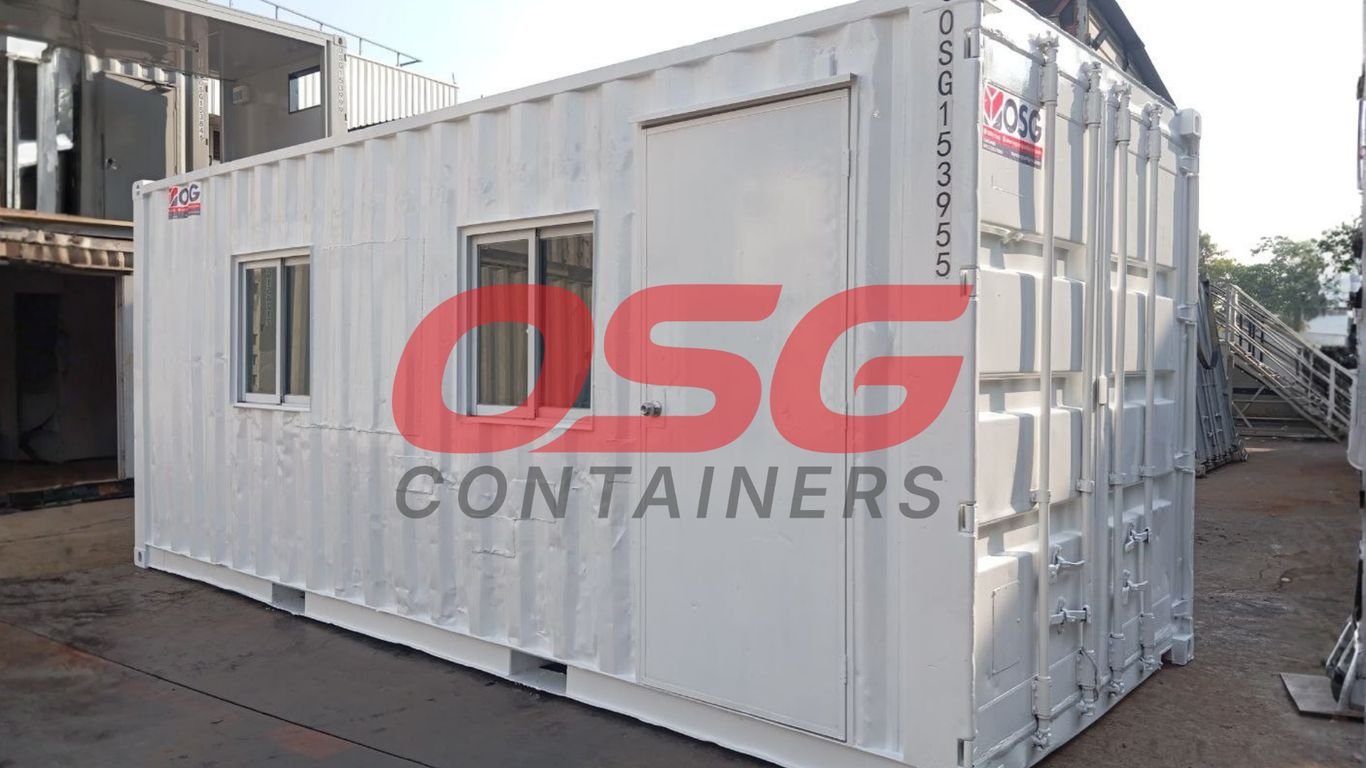
Thinking about getting more space for your business or personal stuff? A 20 footer container might be just the ticket. These things are tough, they keep your belongings safe from the weather, and they’re not ridiculously big. Lots of smart businesses are finding out how useful they are, not just for storing things but for all sorts of other projects too. Let’s take a look at why this kind of container is becoming so popular.
Key Takeaways
- A 20 footer container is a standard steel box, about 20 feet long, built tough for shipping and storage.
- They’re made from strong steel, so they can handle rough weather and keep your stuff protected.
- These containers offer a good amount of storage space, perfect for businesses or personal needs.
- You can use a 20 footer container for many things, like storage, temporary offices, or even small shops.
- You can customize them with things like shelves, insulation, or windows to make them fit exactly what you need.
1. What Is A 20-Foot Container?
When you think about moving goods around the world, or even just needing some extra space on your property, shipping containers probably come to mind. Among the different sizes available, the 20 ft container stands out as a really popular choice. It’s not as massive as a container 40 feet long, but it packs a lot of utility into its frame.
Basically, a 20-foot container is a standardized steel box. It’s built tough to handle long journeys across oceans and rough handling at ports. Think of it as a portable, secure vault for your stuff. While a 40 feet container might be the go-to for huge shipments, the 20 ft version is often just right for smaller businesses or personal projects.
Here’s a quick look at its standard dimensions:
| Dimension | Measurement (Approx.) |
|---|---|
| Exterior Length | 20 feet (6.1 m) |
| Exterior Width | 8 feet (2.44 m) |
| Exterior Height | 8.6 feet (2.59 m) |
| Interior Length | 19.35 feet (5.9 m) |
| Interior Width | 7.56 feet (2.3 m) |
| Interior Height | 7.7 feet (2.35 m) |
These containers are designed to be stacked, moved by specialized cranes, and generally withstand pretty harsh weather. They are built to last, which is why they are so useful for so many different things beyond just shipping.
The real beauty of the 20-foot container lies in its balance. It’s big enough to hold a good amount of goods, like the contents of a small apartment, but it’s also manageable enough for easier transport and placement on a property. This makes it a practical option for a wide range of users.
So, whether you’re looking to ship products, need secure on-site storage, or even want to build a unique structure, the 20 ft container is a solid starting point. It’s a workhorse in the world of logistics and beyond.
2. Durability And Weather Resistance
When you’re looking at a 20-foot container, one of the first things that stands out is just how tough they are. These things are built to last, and that’s a big deal for anyone using them for storage or as a workspace. They’re typically made from Corten steel, which is a special kind of steel that’s really good at resisting rust and corrosion. This means they can handle being out in the elements year after year without falling apart.
These containers are designed to be wind and watertight, offering solid protection against the elements. Whether it’s heavy rain, snow, or even strong winds, the steel construction provides a robust shield. This is super important if you’re storing anything sensitive, like electronics, furniture, or important documents. You don’t want water getting in and ruining your stuff, right?
Here’s a quick look at what makes them so tough:
- Material: Corten steel is the go-to. It’s strong and holds up well against rust.
- Construction: They’re built to withstand rough handling during shipping, so everyday weather is no big deal.
- Sealing: The doors are designed to seal up tight, keeping rain and wind out.
Of course, even the toughest containers can have issues if they’re not maintained. Things like dents or surface rust can happen over time, especially with used containers. But generally, a well-maintained 20-footer can last for a good long while, often over a decade.
One thing to watch out for, especially in humid climates, is condensation inside the container. This is sometimes called "container rain." Good ventilation and proper insulation can really help manage this, keeping the inside dry and your stored items safe from moisture damage.
3. Storage Capacity
When you’re looking at a 20-foot container, the first thing that probably comes to mind is, ‘How much stuff can actually fit in there?’ It’s a pretty solid amount, honestly. Think of it as a compact but mighty storage unit.
The standard 20-foot container offers about 1,172 cubic feet of space. That’s a good chunk of volume, and it translates to roughly 146 square feet of floor space. It’s enough to hold the contents of a decent-sized apartment, maybe a two-bedroom place, including furniture, boxes, and appliances. It’s also a common size for storing things like a small car or a motorcycle, though you’d want to measure carefully.
Here’s a quick breakdown of what that space looks like:
- Exterior Dimensions: Approximately 20 ft long x 8 ft wide x 8.6 ft high.
- Interior Dimensions: Roughly 19.35 ft long x 7.56 ft wide x 7.7 ft high.
- Cubic Capacity: Around 1,172 cubic feet (33.2 cubic meters).
It’s not just about the raw volume, though. The way you pack it makes a big difference. You can stack items, use shelving, or even organize it for easy access. It’s a versatile space that can be adapted to what you need to store.
While the 20-foot container is a popular choice for its balance of size and manageability, it’s worth remembering that ‘capacity’ can be a bit subjective. How efficiently you pack and the nature of the items themselves will ultimately determine how much you can fit. For taller items or bulkier goods, you might need to consider a high cube version, which adds an extra foot of height.
4. Versatility In Applications
These 20-foot containers are surprisingly adaptable. They aren’t just for shipping stuff overseas anymore. Think about it: you can use them for simple storage on your property, or you can get creative and turn them into something totally new. They’re tough, so they can handle being outside, holding anything from extra inventory to equipment.
But the real magic happens when you start thinking beyond just storage. Businesses are finding all sorts of ways to use these containers:
- Temporary or permanent retail spaces: Imagine a pop-up shop or a small boutique that can be set up quickly and even moved if needed.
- On-site workshops or studios: Need a dedicated space for your craft or business that’s separate from your home? A container can be perfect.
- Event booths or concessions: For festivals or markets, a container offers a secure and eye-catching setup.
- Additional office space: If your business is growing and you need more room, a container can be a cost-effective office solution.
The beauty of these containers lies in their modular nature. You can start with one for a simple need and then add more or modify them as your requirements change. They offer a blank canvas for practical solutions.
They’re also a great option for temporary needs, like storing materials on a construction site or providing a secure spot for event equipment. Their ability to be transported easily means they can go where you need them, when you need them.
5. Customization Possibilities
One of the coolest things about 20-foot containers is how much you can change them. They aren’t just plain boxes; you can really make them your own. Whether you need a simple storage unit or something more elaborate like an office or even a home, these containers are a blank canvas.
Think about the inside first. You can add shelves, cabinets, or even specialized racks to keep things organized. If you’re storing sensitive items or planning to use the container as a living space, insulation is a must. It helps keep the temperature steady, and you can add heating or air conditioning too. Don’t forget about power – adding outlets and lights makes a huge difference, especially if you’re working inside.
Then there’s the outside. A fresh coat of paint can make a container look brand new and protect it from the weather. You can even add your business logo or branding. Want more natural light? Adding windows and maybe even a skylight can really brighten things up and make the space feel more open.
Here are some common ways people customize containers:
- Interior Fit-out: Shelving, insulation, electrical wiring, lighting, climate control.
- Exterior Modifications: Painting, adding doors, windows, security features like lockboxes.
- Structural Changes: Cutting openings for specific uses, adding ramps, or even combining multiple containers.
The beauty of customizing a 20-foot container lies in its adaptability. You’re not limited by a fixed structure; instead, you can modify it to suit your exact requirements, turning a basic steel box into a functional and personalized space.
6. Security Enhancements
When you’re thinking about using a 20-foot container, especially for storing valuable items or setting up a workspace, security is a big deal. These containers are built tough, made from strong steel that’s hard to break into. The standard cargo doors are pretty solid, and they usually come with a good locking mechanism. But, you can always add more layers of protection.
Think about upgrading the locks. While the standard ones are decent, you can get heavy-duty padlocks or even specialized container locks that are much harder to tamper with. Some people also add extra steel plating around the door frames or even install alarm systems. For really sensitive stuff, you might consider adding a secondary internal door or a more robust locking bar system.
Here are a few common security additions:
- Heavy-duty padlocks: Look for ones made from hardened steel.
- Locking bars and hasps: These reinforce the existing door mechanism.
- Steel reinforcement: Adding extra steel plates around vulnerable areas.
- Alarm systems: Motion sensors or door alarms can alert you to unauthorized entry.
- CCTV integration: If the container is part of a larger property, linking it to surveillance cameras is a good idea.
The inherent strength of the steel construction provides a significant baseline of security. However, for businesses or individuals with high-value contents, investing in enhanced locking mechanisms and access controls is a smart move to deter theft and vandalism effectively.
7. Container Homes And Offices
So, you’ve got this sturdy metal box, right? A 20-foot container. It might seem like just a shipping thing, but people are getting super creative with them. Turning these containers into actual homes or offices is becoming a real trend. It’s kind of wild when you think about it, but they’re surprisingly good for this.
Why? Well, they’re built tough. They’ve already survived sea voyages, so they can handle a lot. Plus, they’re a blank slate. You can add windows, doors, insulation – basically, make it livable or workable.
Think about it for a small business. Need a place to work but don’t want to pay crazy rent? A container office is way cheaper than a traditional building. You can set it up pretty quickly too. And for homes? It’s a more affordable way to get your own space, and it’s kind of eco-friendly since you’re reusing something.
Here’s a quick look at what goes into making one livable or usable:
- Insulation: This is a big one. You don’t want your place to be a sauna in summer or an icebox in winter. Proper insulation makes a huge difference.
- Windows and Doors: Gotta let light in and have a way to get in and out, obviously. You can pick different styles to make it look less like a shipping box and more like a home.
- Utilities: Running electricity and maybe even plumbing is totally doable. You can get lights, outlets, and heating/cooling systems installed.
- Finishing Touches: This is where it becomes your space. Paint, flooring, furniture – you can make it look really nice.
It’s not just about slapping some paint on and calling it a day. Making a container into a comfortable living or working space takes planning and some work, but the end result can be pretty unique and cost-effective.
It’s a smart move for folks who want something different, something practical, and maybe a bit more budget-friendly than the usual options. Plus, you get bragging rights for living or working in a repurposed shipping container!
8. Container Cafes And Retail Spaces
Thinking about starting a cafe or a small shop? A 20-foot container might be just the ticket. These units offer a really unique and cost-effective way to get your business off the ground. Forget about building from scratch; you can get a container set up pretty quickly.
The compact size makes them perfect for pop-up shops or businesses in areas where space is tight. Plus, they have this cool, industrial vibe that a lot of customers find appealing. You can really make it your own with some smart design choices.
Here’s a quick look at what goes into making a container into a business space:
- Layout Planning: Figure out where your counter, seating, and any kitchen equipment will go. Even in a small space, good flow is key.
- Utilities: You’ll need to get electricity and water hooked up. This usually involves professional installation for safety and code compliance.
- Finishing Touches: Think about flooring, wall coverings, and of course, paint. Making it look inviting is a big part of attracting customers.
- Exterior Appeal: Adding signage, maybe some outdoor seating, or even a nice paint job can make a huge difference in how people see your business.
When you’re looking into this, consider container renting options. Sometimes, renting is a good way to test the waters before committing to a purchase, especially if you’re not sure how long you’ll need the space or if your business model might change.
Setting up a cafe or shop in a container means you’re not tied down to a long-term lease in a traditional building. This flexibility can be a real advantage, letting you move to a different location if needed or scale down if things don’t go as planned. It’s a way to be agile in the business world.
9. High Cube Containers
Sometimes, a standard container just doesn’t quite cut it. That’s where the High Cube (HC) container comes in. Think of it as the taller sibling of the regular shipping container. While a standard 20-foot container stands about 8 feet 6 inches tall, a High Cube version adds an extra foot, bringing its total height to around 9 feet 6 inches.
This extra vertical space might not sound like a lot, but it can make a big difference, especially for certain projects. It’s super handy if you’re storing tall items, like machinery or even some types of vehicles, or if you’re converting the container into a living or working space and want a bit more headroom. It just feels less cramped.
Here’s a quick look at how the dimensions stack up:
| Feature | Standard 20ft Container | 20ft High Cube Container |
|---|---|---|
| Exterior Height | 8′ 6" | 9′ 6" |
| Interior Height | Approx. 7′ 10" | Approx. 8′ 10" |
| Added Height | N/A | 1 foot |
While the extra height is the main draw, remember that High Cube containers can also be a bit heavier and might cost a little more than their standard counterparts. It’s always good to check the specs and prices to see if the added space is worth the difference for your specific needs.
So, if you’re looking at a project where every inch of vertical space counts, a High Cube container is definitely worth considering. It offers that little bit of extra room that can turn a tight fit into a perfect solution.
10. Pros And Cons
So, you’re thinking about a 20-footer, huh? They’re pretty popular for a reason, but like anything, they’ve got their good points and their not-so-good points. Let’s break it down.
The Upsides:
- Tough as Nails: These things are built from strong steel, usually Corten steel, which means they can handle pretty much any weather you throw at them. Rain, sun, wind – they’re designed to keep your stuff safe and dry.
- Super Versatile: Seriously, you can use them for shipping, sure, but people turn them into homes, offices, workshops, even little shops. The possibilities are pretty wild.
- Space Saver: For their size, they pack a good amount of storage. They’re not massive, so they don’t take up a huge footprint, which is great if you’re tight on space.
- Secure: They’re basically a steel box. Add a good lock, maybe a lockbox, and your belongings are pretty well protected from theft and the elements.
- Customizable: You can add windows, doors, insulation, shelving – whatever you need to make it work for you. It’s not just a box; it can be a functional space.
- Eco-Friendly Option: Reusing an old shipping container is a good way to go green. It’s recycling in a big way.
The Downsides:
- Height Limits: Standard containers aren’t super tall. If you’ve got really tall items or want a high ceiling in a converted space, you might need to look at the ‘high cube’ versions, which cost a bit more.
- Weighty Matters: While they hold a lot, they do have weight limits. If you’re planning to move super heavy industrial machinery, you’ll need to check the specs carefully.
- Used Container Quirks: If you buy a used one, expect some character. Dents, maybe a bit of rust – nothing that usually affects function, but it might not look factory fresh.
- Condensation Can Be a Thing: Sometimes, moisture can build up inside, especially if it’s not properly ventilated or insulated. This ‘container rain’ can be a pain if you’re storing sensitive items or living in it.
When you’re weighing up whether a 20-footer is the right choice, think about what you’ll actually be using it for. If you need a lot of vertical space or plan to move incredibly heavy items, you might need to consider alternatives or modifications. But for most storage, workshop, or basic living space needs, they’re a solid bet.
Here’s a quick rundown:
| Feature | Pros |
|---|---|
| Durability | Built tough from steel, weather-resistant. |
| Versatility | Shipping, storage, homes, offices, retail, workshops. |
| Space Efficiency | Good storage capacity for its footprint. |
| Security | Strong steel construction, can be further secured. |
| Customization | Can be modified with windows, doors, insulation, etc. |
| Environmental | Reusing containers is a sustainable choice. |
| Height | Standard height might be limiting for some uses. |
| Weight Capacity | Has limits, not suitable for extremely heavy machinery. |
| Used Condition | May have minor cosmetic imperfections like dents or rust. |
| Condensation | Potential for moisture buildup if not properly ventilated/insulated. |
Wrapping It Up
So, there you have it. The 20-foot container isn’t just a metal box; it’s a really solid option for businesses looking to get smart about their space and logistics. Whether you need extra storage, a place to work, or something else entirely, these containers are tough, dependable, and can be changed to fit what you need. They’re a practical choice that makes a lot of sense for companies trying to be efficient and maybe save a bit of cash too. Think about it – a strong, adaptable space that’s ready to go. It’s a simple solution that really works.
Frequently Asked Questions
What exactly is a 20-foot container?
A 20-foot container, also called an ISO shipping container, is a strong metal box. It’s mainly used to move or store things. Think of it as a tough, standardized box that can handle journeys by ship, train, or truck.
Are these containers tough and safe from the weather?
Yes, they are built really strong! Made from a special kind of steel that doesn’t rust easily, these containers can handle tough weather like rain, wind, and sun. They’re designed to keep your stuff protected.
How much stuff can actually fit inside a 20-foot container?
A 20-foot container offers a good amount of space, usually enough to hold the belongings from a small apartment or a few pieces of furniture. It’s a great size for many storage needs without taking up too much room.
Can I change a 20-foot container to be something else, like a small house or office?
Absolutely! People get really creative with these containers. You can turn them into tiny homes, cool offices, shops, or cafes. With some changes like adding windows, doors, and insulation, they become useful spaces.
What’s the difference between a regular 20-foot container and a ‘high cube’ one?
The main difference is height. A ‘high cube’ container is about a foot taller than a standard 20-foot container. This extra height is handy if you need to store taller items or want more headroom in a converted space.
How do I know if a used container is good to buy?
When buying a used container, it’s good to know it’s ‘cargo worthy.’ This means it’s been checked and is strong enough for shipping. Look for containers that are wind and watertight, meaning they keep out the elements.