Singapore
 Australia
 Indonesia
 Japan
Japan Malaysia
 New Zealand
 Philippines
 South Korea
 Taiwan
 Thailand
 VIETNAM
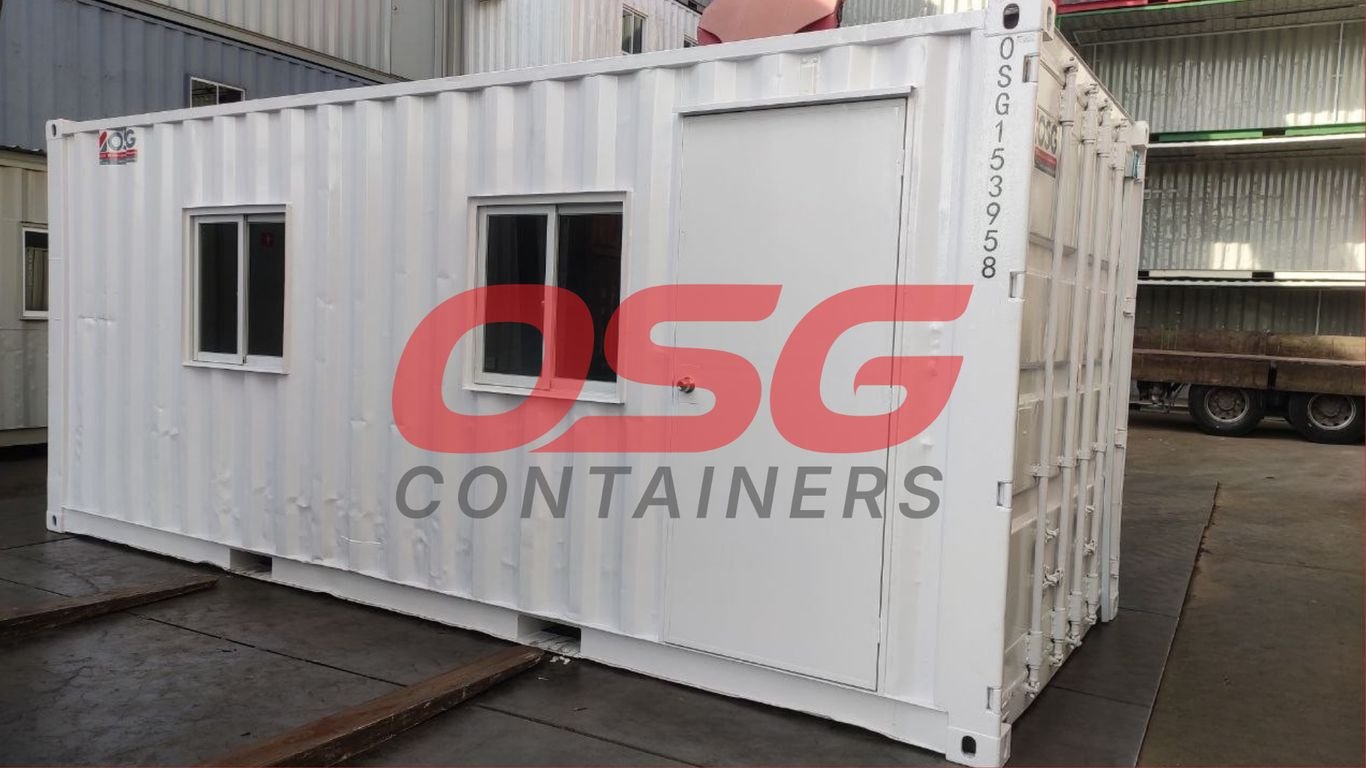
More and more businesses are looking for ways to cut down on costs while also being kinder to the planet. It turns out, those big metal boxes used for shipping stuff might just be the answer. Container offices are popping up everywhere, offering a smart and green way to set up shop. They’re not just about saving money; they’re a big step towards more sustainable business practices.
Key Takeaways
- Container offices use repurposed shipping containers, cutting down on the need for new building materials and reducing waste.
- These offices are designed for energy efficiency, often with good insulation and options for solar power, which lowers utility bills.
- By using existing structures, container offices conserve natural resources and have a smaller carbon footprint compared to traditional buildings.
- Their durable nature means they last a long time with less maintenance, saving money over the years.
- Container offices are flexible and can be used in many settings, from busy cities to remote project sites, making them a versatile solution.
The Environmental Advantages Of Container Offices
Repurposing Durable Materials For Construction
So, you’re thinking about a new office space, huh? Instead of building from scratch, which uses a ton of new stuff, consider container offices. These are basically old shipping containers that get a new life as workspaces. This repurposing is a huge win for the environment because it means we’re not digging up more raw materials or using up energy to make brand new steel. Think about it: these containers have already traveled the world, and instead of ending up as scrap, they become functional buildings. It’s a smart way to cut down on waste and the carbon footprint that comes with making new construction materials. Plus, steel is super durable and can be recycled again down the line, which is pretty neat.
Energy-Efficient Modifications For Reduced Consumption
Container offices aren’t just about reusing materials; they’re also designed to be easy on energy use. A lot of thought goes into making them comfortable without guzzling electricity. They often get fitted with really good insulation, which is key. This means they stay cooler when it’s hot out and warmer when it’s cold, so you’re not constantly running the AC or the heater. Some even have special windows that help keep the temperature steady. It’s all about making the space work with nature, not against it, which means lower energy bills for the business and less strain on the power grid. It’s a win-win, really.
Minimizing Land Use With Space-Saving Designs
One of the cool things about container offices is how little space they take up. They’re compact by nature, which is fantastic, especially if you’re in a crowded city or just don’t have a lot of land to spare. Instead of needing a huge plot for a traditional building, you can often fit a container office onto a smaller footprint. This is great because it means less disruption to the natural environment. You’re not clearing large areas or paving over green spaces. They can even be stacked or arranged in different ways to make the most of the available area, proving that you don’t need a massive footprint to have a great workspace.
How Container Offices Conserve Natural Resources
Reducing Demand For New Building Materials
Think about it: instead of mining ore, processing it, and manufacturing brand new steel beams or bricks, we’re taking something that already exists and giving it a new life. That’s the core idea behind container offices. They’re built from retired shipping containers, which are incredibly sturdy and designed to handle tough journeys. By repurposing these containers, we skip a whole lot of the resource-intensive processes that go into making traditional building materials. This means less mining, less manufacturing energy, and less waste ending up in landfills. It’s a pretty straightforward way to cut down on the need for virgin resources.
Lowering Energy Consumption During Construction
Building a traditional office from the ground up takes a ton of energy. You’ve got heavy machinery, long transport times for materials, and all the processes involved in creating concrete, steel, and wood. Container offices, on the other hand, have a much smaller energy footprint right from the start. The main work is modifying an existing structure. This usually involves less heavy equipment, shorter transport distances if the containers are sourced locally, and fewer energy-hungry manufacturing steps. It’s a more efficient way to get a functional workspace up and running.
Incorporating Green Technologies For Sustainability
Container offices aren’t just about repurposing. They’re often designed with future sustainability in mind. Many come ready for or can easily be fitted with things like solar panels on the roof. This means your office can generate its own clean energy, cutting down on reliance on the grid and fossil fuels. Some setups even include systems for collecting rainwater, which can be used for non-potable needs like flushing toilets or watering plants. These additions make the office more self-sufficient and reduce its overall environmental impact, turning a simple container into a smart, green workspace.
Key Features That Make Container Offices Green Workspaces
Container offices really shine when you look at the specific things that make them good for the environment. It’s not just about using old boxes; it’s about how they’re designed and what goes into them.
Superior Insulation For Temperature Regulation
One of the biggest wins for container offices is how well they can keep a steady temperature inside. Think about it: these steel boxes travel the world, so they’re built tough. But to make them comfortable offices, they get a serious upgrade with insulation. This isn’t just about slapping some foam on the walls. We’re talking about materials that really work to keep the heat out in the summer and the warmth in during the winter. This means your heating and cooling systems don’t have to work overtime, which saves a ton of energy. Less energy used means a smaller carbon footprint, and honestly, it just makes the space more pleasant to work in.
Integration Of Renewable Energy Sources
Many container offices are designed with the future in mind, and that often means incorporating renewable energy. Solar panels are a really popular addition. They can be mounted on the roof, turning sunlight directly into electricity for the office. This cuts down on reliance on the grid, which is often powered by fossil fuels. It’s a pretty straightforward way to make your office run on cleaner energy. Some places even look at wind turbines for smaller setups, though solar is more common for offices.
Water Conservation Through Rainwater Harvesting
Saving water is another big deal for green buildings, and container offices can be set up to do just that. Rainwater harvesting systems collect rain from the roof and store it. This collected water can then be used for things like flushing toilets or watering any plants around the office. It might sound simple, but it can significantly reduce the amount of fresh water a business needs to pull from municipal supplies. This is especially helpful in areas where water is scarce.
The clever design of container offices often includes features that might not be immediately obvious but contribute significantly to their eco-friendly status. It’s a holistic approach to building that considers energy, water, and material use from the ground up.
The Cost-Effectiveness Of Sustainable Office Solutions
Lower Upfront Investment Compared To Traditional Buildings
Let’s talk money. Building a traditional office space can rack up some serious costs before you even think about furniture. We’re talking land acquisition, extensive foundation work, materials, labor – the list goes on. Container offices, on the other hand, often come with a much smaller price tag right out of the gate. Since you’re repurposing existing structures, a big chunk of the manufacturing and material costs is already handled. This means businesses can get up and running with a functional, professional workspace without taking out a second mortgage. It’s a smart way to get a solid office without breaking the bank.
Reduced Utility Bills Through Energy Efficiency
This is where the green aspect really pays off in your wallet. Container offices are designed with energy conservation in mind. Think superior insulation that keeps the place toasty in winter and cool in summer. This drastically cuts down on the need for constant heating and air conditioning, which are usually the biggest culprits for high energy bills. Plus, many suppliers offer options like solar panels or energy-efficient windows. Over time, these features add up to significant savings on your monthly utility expenses. It’s not just good for the planet; it’s good for your bottom line.
Long-Term Durability And Minimal Maintenance
Shipping containers are built tough. Seriously, they’re designed to handle rough seas and heavy loads during transport. This means they’re incredibly durable and can withstand pretty harsh weather conditions. What does this mean for you? Less worry about constant repairs and upkeep. Unlike some traditional buildings that might need regular maintenance to keep them in good shape, a well-modified container office can last for decades with minimal fuss. This longevity translates into lower maintenance costs over the life of the building, making it a sound investment for the long haul.
The initial outlay for a container office is often considerably less than for a conventional building. This is primarily due to the reuse of existing shipping containers, which bypasses many of the resource-intensive stages of new construction. Furthermore, the inherent durability of steel containers means they require less frequent repairs and maintenance over their lifespan, contributing to lower overall ownership costs.
Versatile Applications For Container Offices
Urban Settings And Small Business Needs
Container offices are a fantastic fit for busy city environments where space is often at a premium. Think about those small, unused plots of land tucked away between buildings – a standard construction project might not even be feasible there. But a repurposed shipping container, maybe a sturdy 20 ft container, can be quickly set up to provide much-needed office space. This is a game-changer for startups and small businesses that need a professional base without the huge overhead of traditional leases or building from scratch. They’re easy to move if your business needs to relocate within the city, too.
Rural Operations And Conservation Projects
Out in the countryside, these offices really shine. For agricultural businesses, a container office can serve as a convenient hub for managing operations, especially during busy seasons. Conservation groups working on remote projects can deploy a container office as a base camp, providing a secure and comfortable workspace. Imagine needing an office for a wildlife monitoring station or a reforestation project – a container 20 feet long can be outfitted with everything needed and then easily relocated as the project moves. It’s a practical solution that respects the natural landscape.
Industrial Sites And Disaster Relief Efforts
On industrial sites, whether it’s a construction zone or a manufacturing plant, having an on-site office is often a necessity. A container 20 ft office offers a robust and quick solution for project managers or site supervisors. They can withstand tough conditions and provide a secure spot for planning and coordination. Beyond that, their rapid deployment makes them invaluable in disaster relief. When emergencies strike, these units can be quickly set up as command centers or temporary offices for aid workers, offering a stable presence in chaotic situations. The adaptability of an open top container, for instance, could even be useful for specific on-site material management needs during such events.
Finding Eco-Friendly Container Office Suppliers
So, you’re sold on the idea of a container office – smart move! Now comes the part where you actually find someone to build it for you. It might seem a little tricky at first, but there are definitely companies out there that specialize in making these things green. The key is knowing what to look for and asking the right questions.
Identifying Specialists In Sustainable Container Solutions
Start by looking for companies that specifically mention sustainability or eco-friendly practices in their services. These aren’t just general container modification outfits; they’re the ones who think about things like recycled materials, energy efficiency, and minimizing waste from the get-go. They often repurpose used shipping containers, which is a big win for reducing demand for new steel. Plus, they’re more likely to incorporate features like good insulation, low-VOC paints, and efficient windows.
Leveraging Online Resources And Industry Events
Your computer is your best friend here. Search online for terms like "sustainable container offices," "eco-friendly modular buildings," or "green shipping container homes." You’ll find directories, forums, and company websites. Don’t just look at what they say; see if you can find reviews or testimonials from other clients. Trade shows focused on green building or modular construction are also fantastic places to meet suppliers face-to-face. You can see their work, ask detailed questions, and get a feel for their commitment to sustainability.
Prioritizing Transparency In Sourcing And Manufacturing
When you talk to potential suppliers, ask them directly about their process. Where do they get their containers? What kind of insulation do they use? Are their paints and finishes non-toxic? A good, eco-conscious supplier will be happy to share this information. They should be able to explain how their methods reduce environmental impact. If a company is vague or hesitant to discuss their sourcing and manufacturing, it might be a sign to look elsewhere.
Here’s a quick checklist to consider when vetting suppliers:
- Container Source: Do they primarily use repurposed containers?
- Materials: What kind of insulation, paints, and finishes are used? Are they low-VOC or recycled?
- Energy Features: Do they offer options for solar panels, efficient windows, or smart climate control?
- Waste Management: What’s their approach to minimizing waste during the modification process?
- Certifications: Do they have any green building certifications or affiliations?
Choosing the right supplier is more than just picking a builder; it’s about partnering with a company that shares your vision for a sustainable future. Their commitment to eco-friendly practices will directly impact the environmental benefits of your new office space. Don’t be afraid to ask tough questions – your business and the planet will thank you.
Making the Green Choice for Your Business
So, it’s pretty clear that using container offices is a smart move for businesses wanting to save money and help the planet. They’re built tough, use fewer new materials, and can be made super energy-efficient with things like good insulation and even solar panels. Plus, they just look cool and different, which can be a nice change of pace. It’s not just about having a place to work; it’s about showing you care about the environment. By picking container offices, you’re joining a bigger effort to be more sustainable and leave a better world for everyone. It’s a simple choice that makes a real difference.
Frequently Asked Questions
How do container offices help the environment?
Container offices are great for the environment because they use old shipping containers that would otherwise be thrown away. This means we don’t have to make as many new building materials, which saves energy and reduces pollution. They are also often built to be very good at keeping heat in or out, so you don’t need as much electricity for heating or cooling.
Are container offices cheaper than regular offices?
Yes, container offices usually cost less to build than traditional buildings. Plus, because they’re good at saving energy, your monthly bills for electricity and heating will be lower. They are also built tough, so they don’t need a lot of repairs over time, saving you more money in the long run.
What makes a container office energy-efficient?
Many container offices have special insulation that helps keep the temperature just right inside, so you don’t need to blast the air conditioner or heater as much. Some also have solar panels on the roof to make their own clean electricity from the sun, and others collect rainwater to use instead of using regular water.
Can container offices be used anywhere?
Container offices are super flexible! They can be used in busy cities where space is tight, or out in the countryside for farms or nature projects. They’re also useful for temporary buildings at construction sites or even as quick shelters after a disaster.
Are container offices good for saving natural resources?
They really are! By using old shipping containers, we don’t need to cut down as many trees or dig up as much metal to build new offices. The building process for containers also uses less water and energy compared to making a regular building from scratch.
How do I find a good company that makes eco-friendly container offices?
Look for companies that specifically say they focus on green building and use recycled materials. Check online reviews and see if they are open about how they build their containers. Going to trade shows about green building can also help you meet these companies and see their work.