Singapore
 Australia
 Indonesia
 Japan
Japan Malaysia
 New Zealand
 Philippines
 South Korea
 Taiwan
 Thailand
 VIETNAM
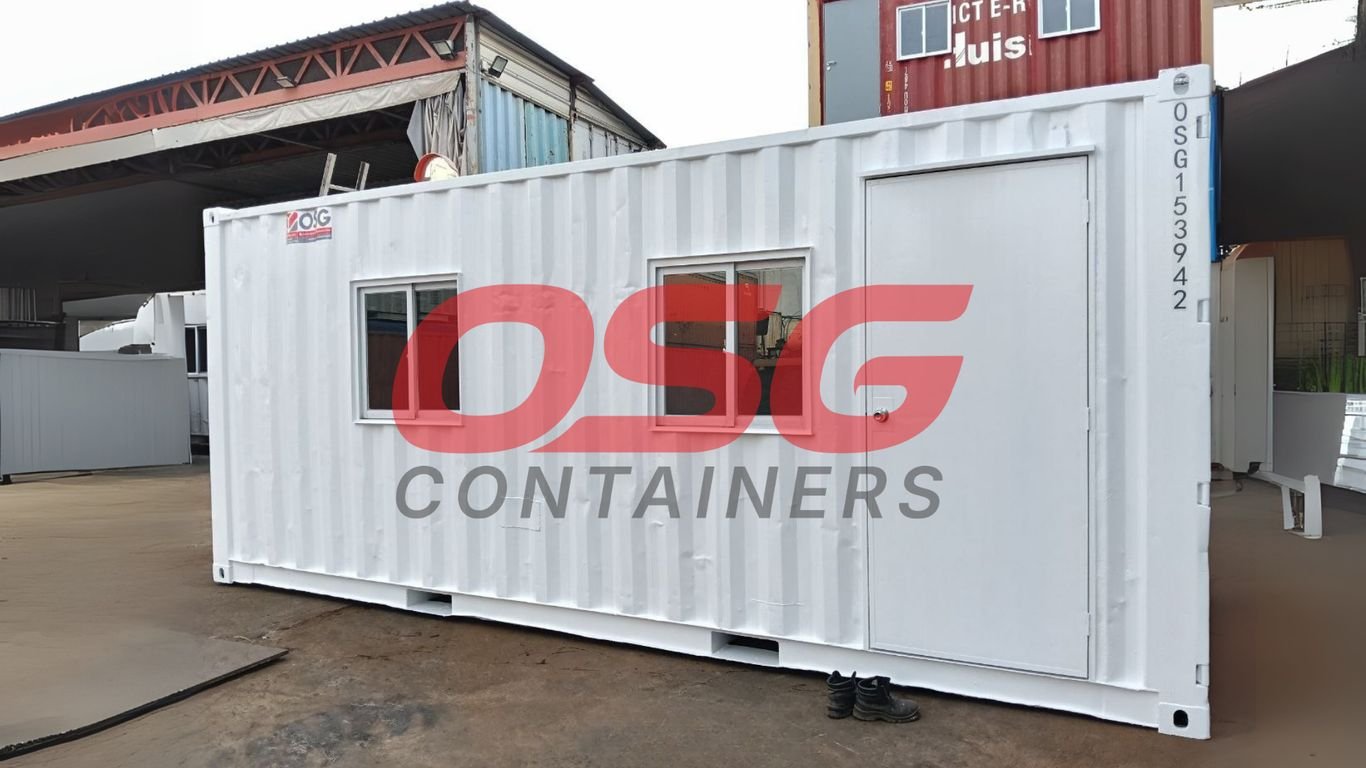
Building a good site office isn’t just about having a place to park your hard hat. It’s about creating a functional, comfortable, and modern workspace that helps your project run smoothly. Think of it as the command center for your operation. A well-designed site office can make a big difference in how efficiently everyone works and how good people feel while they’re on the job. We’ll look at what makes a site office truly great today.
Key Takeaways
- A flexible site office setup allows for easy changes to the workspace layout, adapting to different tasks and team needs throughout a project.
- Integrating smart technology, like reliable video conferencing and good internet, makes communication and collaboration much easier, especially for remote teams.
- Prioritizing employee wellness with comfortable furniture and access to natural light can boost morale and productivity within the site office.
- Creating dedicated areas for breaks and informal chats helps build team connections and encourages idea sharing.
- Sustainable choices in materials and energy use not only help the environment but can also create a more pleasant atmosphere in the site office.
Creating An Adaptable Site Office Environment
Forget the days of rigid, unchanging office layouts. Modern project sites need spaces that can shift and change as the project does. Think about how your team’s needs might change from the initial planning stages to the final build-out. A good site office isn’t just a box; it’s a dynamic hub. This is where adaptable designs really shine, especially with options like container offices that can be reconfigured or even moved.
Embracing Flexible Workstations
Traditional setups with fixed desks just don’t cut it anymore. We’re talking about workstations that can be easily rearranged, adjusted, or even swapped out. This allows teams to quickly change their setup based on the task at hand, whether it’s a quick huddle or focused individual work. It’s about giving people choices in how and where they get their work done.
- Modular furniture: Desks and tables that can be combined or separated easily.
- Adjustable height options: For standing or sitting work, catering to different preferences.
- Mobile units: Furniture on wheels that can be moved around without much fuss.
Movable Walls For Dynamic Layouts
Imagine being able to shrink or expand a meeting space in minutes. Movable walls make this possible. They let you transform a large open area into smaller, private zones for focused work or client meetings, and then open it all back up when needed. This kind of flexibility means you’re not wasting space and can adapt to whatever the day throws at you.
The ability to reconfigure spaces on the fly is a game-changer for project sites. It means the office can support different work styles and team sizes throughout the project lifecycle.
Flooring To Define Work Zones
Don’t underestimate the power of flooring. Using different materials can subtly, yet effectively, mark out different areas within the site office. For instance, a more durable, easy-to-clean material like vinyl might be great for high-traffic areas, while carpet tiles could be used in quieter zones to absorb sound. This helps create distinct zones for different activities without needing physical barriers everywhere.
Integrating Smart Technology In The Site Office
Let’s face it, a modern site office isn’t just about having a roof over your head and a desk to work at. It’s about making that space work for you, and that means bringing in some smart tech. Think about it: your team is out there building things, and they need tools that help them connect, communicate, and get things done efficiently, even when they’re miles from the main office. Smart technology isn’t a luxury anymore; it’s a necessity for keeping projects on track.
Seamless Video Conferencing Solutions
Gone are the days of grainy video calls where you can barely make out who’s talking. Today’s site offices need reliable video conferencing. This means having good quality cameras and microphones that pick up everyone in the room, not just the person right in front of the screen. It also means easy-to-use systems that don’t require a degree in IT to operate. Imagine a project manager needing to quickly check in with the head office or a specialist consultant joining a site meeting remotely. A smooth video call makes that happen without a hitch, saving time and preventing misunderstandings.
- High-definition cameras: Clear visuals so everyone can see what’s being discussed.
- Omnidirectional microphones: Captures audio from all around the room.
- Simple connection methods: Plug-and-play or one-click join options.
- Screen sharing capabilities: Easily display plans, progress reports, or designs.
Enhanced Connectivity For Collaboration
What good is all this fancy tech if the internet is crawling? Reliable, fast internet is the backbone of any modern site office. This isn’t just about email; it’s about accessing cloud-based project management software, sharing large files, and keeping communication lines open. Think about teams needing to upload daily progress reports with photos or download updated blueprints. Without good connectivity, these tasks become frustrating roadblocks.
Having robust Wi-Fi and wired network access throughout the site office is non-negotiable. It supports everything from basic communication to advanced data sharing, keeping everyone in sync.
Automated Environmental Controls
This might sound a bit fancy, but it’s really about comfort and productivity. Imagine a site office that automatically adjusts its temperature based on how many people are inside, or lights that dim when a video call starts to avoid screen glare. These systems can also learn your preferences. For example, setting the temperature to a comfortable level before the workday even begins. It’s about creating an environment where people can focus on their work without being distracted by being too hot, too cold, or dealing with annoying light issues. It shows you care about the working conditions, which can make a big difference in morale.
Prioritizing Wellness Within The Site Office
When you’re building a site office, it’s easy to get caught up in the nuts and bolts of construction and forget about the people who will actually be working there. But honestly, a happy and healthy team is a productive team. So, let’s talk about making the site office a place where people feel good.
Ergonomic Furniture For Comfort
Think about it: people spend a lot of time sitting at desks. If the chairs are bad, or the desks are the wrong height, you’re going to have folks complaining about sore backs and stiff necks. That’s not good for anyone. Investing in decent, adjustable chairs and desks makes a big difference. It’s not just about looking fancy; it’s about preventing pain and keeping people focused on their work instead of their discomfort.
- Adjustable chairs with good lumbar support.
- Desks that can be raised or lowered to suit different people.
- Footrests for extra comfort.
Making sure the furniture fits the people using it is a simple step that pays off. It shows you care about their well-being, and that goes a long way.
Access To Natural Light And Air
Staring at walls all day can really get you down. If possible, try to position the site office so it gets some natural light. Big windows help a lot. Also, think about ventilation. Being able to open windows for fresh air, or having a decent air circulation system, makes the space feel less stuffy and more pleasant. It’s amazing how much a bit of fresh air and sunlight can lift spirits and help people concentrate.
Healthy Refreshment Options
What people eat and drink during the day matters. Having a place where people can grab a healthy snack or a decent cup of coffee can really improve morale. Think beyond just vending machines full of junk food. Maybe a small area with a kettle, a microwave, and some space to store healthy options like fruit or yogurt. It’s a small thing, but it shows you’re thinking about their overall well-being, not just the job at hand.
Fostering Collaboration In The Site Office
These days, getting people to work together well is a big deal, especially on a project site. It’s not just about having desks near each other; it’s about creating spaces where ideas can actually flow and people feel comfortable sharing them. Think about it – when folks can easily chat, bounce ideas around, or just have a quick huddle, projects move faster and smoother. We need places that make this happen naturally.
Dedicated Breakout Zones
Forget just a sad little table in the corner. Breakout zones are meant to be comfortable spots where people can step away from their main work. These areas should feel a bit more relaxed, maybe with some comfy chairs or a small sofa. It’s where those informal chats happen, the ones that often solve problems or spark new ideas without anyone even realizing it. Having a place that feels less like ‘work’ and more like a comfortable lounge can make a huge difference in how people interact.
- Comfortable Seating: Think armchairs, sofas, or even beanbags. Anything that encourages people to relax and chat.
- Informal Tables: Small tables for coffee cups, laptops, or just spreading out some papers.
- Refreshment Station: Easy access to coffee, water, or snacks makes these areas more inviting.
These informal spots are where the real magic often happens. People let their guard down, and that’s when the best ideas tend to pop up.
Open Plan Areas For Teamwork
Now, open plan areas are a bit different. They’re great when a whole team needs to be on the same page, maybe for a quick stand-up meeting or when people need to ask each other questions constantly. Sales teams or creative groups often do well here because communication is right there. However, it’s not for everyone. If you need quiet or have sensitive stuff to discuss, an open space can be noisy and distracting. It’s a trade-off, for sure.
| Area Type | Best For | Potential Downsides |
|---|---|---|
| Open Plan | Constant communication, quick team syncs | Noise, distractions, lack of privacy |
| Small Booths | Private calls, one-on-one chats | Limited space, can feel isolating |
| Meeting Rooms | Formal discussions, brainstorming sessions | Can feel too structured |
Virtual Collaboration Tools
Even with great physical spaces, we still need digital tools. Not everyone is always on-site, and sometimes you just need to share a screen or have a quick video call with someone off-site. Having reliable video conferencing setups and good internet is non-negotiable. It means that even if someone is miles away, they can still feel like part of the team and contribute effectively. Good tech bridges the physical gaps. It’s about making sure everyone, no matter where they are, can join the conversation and see what’s going on.
Sustainable Design For A Modern Site Office
Thinking about sustainability in your site office isn’t just a nice-to-have anymore; it’s becoming a standard expectation. It’s about making smart choices that are good for the planet and can actually save you money in the long run. When you’re setting up a site office, especially if you’re using something like a 20 foot container or a larger 20ft container setup, there are plenty of ways to build green from the ground up.
Energy-Efficient Lighting
Forget those old, power-hungry fluorescent tubes. Modern site offices should be kitted out with LED lighting. They use way less electricity, last much longer, and give off a better quality of light. Think about motion sensors too. Lights automatically turn off when no one’s around, which is a simple but effective way to cut down on wasted energy. For a 20 foot office, this can make a noticeable difference in your power bill.
Use Of Recycled Materials
When you’re fitting out your site office, look for materials that have a second life. This could mean using recycled insulation, reclaimed wood for furniture or wall panels, or even flooring made from recycled rubber or plastic. It reduces waste going to landfills and often means you’re getting durable, unique-looking materials. It’s a win-win: good for the environment and often adds character to the space.
Incorporating Indoor Plants
Plants do more than just look nice. They can actually help clean the air inside your site office, making it a healthier place to work. Plus, having a bit of greenery around can really lift people’s moods and make the space feel less sterile. Even a few well-placed potted plants can make a difference in a compact 20 foot container office. It’s a simple way to bring a bit of nature indoors.
Building a sustainable site office means thinking about the entire lifecycle of the materials and energy used. It’s about making conscious decisions that minimize environmental impact while creating a functional and pleasant workspace. This approach not only benefits the planet but also contributes to a healthier and more cost-effective operation on site.
Designing A Welcoming Site Office Atmosphere
Comfortable Seating Areas
Think about it: nobody wants to feel like they’re stuck in a sterile box all day. Making a site office feel more like a place people want to be is a big deal. It starts with the seating. Instead of just a few hard chairs, imagine some comfy couches or armchairs in a corner. These aren’t just for lounging; they’re great for informal chats, quick breaks, or even getting some focused work done away from the main desk. It makes the space feel less like a temporary setup and more like a real hub.
Hospitality-Inspired Touches
This is where you can really make a difference. Think about what makes a hotel lobby or a nice café feel inviting. Maybe it’s a small coffee station with good quality coffee and tea, or perhaps some healthy snacks available. It’s about showing your team you care about their comfort. Even small things, like having a place to charge phones easily or a small area with some magazines or books, can shift the mood. It’s about creating a vibe that says, ‘We’re glad you’re here.’
Visually Appealing Aesthetics
Let’s be honest, a plain grey box isn’t exactly inspiring. Bringing in some visual interest can do wonders. This doesn’t mean you need expensive art, but think about things like a nice rug to define a seating area, some plants to liven things up, or even just painting one wall a calming color. Good lighting is also key – not just harsh overheads, but maybe a floor lamp in a corner. A well-designed space shows respect for the people working in it.
- Color Palette: Opt for calming blues, greens, or warm neutrals. Avoid overly bright or jarring colors.
- Natural Elements: Incorporate plants, wood accents, or even stone textures.
- Lighting: Mix ambient, task, and accent lighting. Consider dimmable options.
- Personalization: Allow space for team photos or project milestones.
Creating a site office that feels welcoming is about more than just furniture. It’s about thoughtful details that make people feel comfortable, valued, and more productive. It’s a small investment that pays off in team morale and overall atmosphere.
Wrapping It Up
So, we’ve talked about a bunch of things that make a site office actually work well for people. It’s not just about having a roof over your head; it’s about creating a space where folks can get their jobs done without a ton of hassle. Think about flexible spots to work, tech that actually helps instead of hinders, and making sure the place is decent for the planet and for the people inside it. When you get these basics right, you’re not just building a structure, you’re building a better environment for everyone involved. It really does make a difference.
Frequently Asked Questions
What’s the main goal of a modern site office?
The main idea is to create a work area that’s comfy, helps people get work done easily, and makes them feel good. It’s about having a space that works for different tasks and people, not just a boring room with desks.
Why are flexible workspaces important?
Flexible spaces mean you can change things around. You can have quiet spots for focus, open areas for talking with others, or comfy places to relax. This lets people pick the best spot for what they need to do, which helps them work better and feel happier.
How does technology help in a site office?
Smart tech makes working together easier. Think of things like video calls that work smoothly, fast internet for sharing ideas, and even systems that control lights and temperature. It helps everyone stay connected and makes the office run more smoothly.
What does ‘wellness’ mean for an office?
Wellness means taking care of the people in the office. This includes having comfy chairs and desks that adjust, letting in natural light and fresh air, and offering healthy food and drink options. It’s about making sure people feel good while they work.
Why are collaboration areas needed?
Collaboration areas are spots designed for people to team up and share ideas. Having places like comfy lounges or open tables encourages teamwork and brainstorming. This helps teams solve problems and come up with new ideas together.
What does ‘sustainable design’ mean for an office?
Sustainable design is about being kind to the planet. This means using things like energy-saving lights, materials that can be reused, and bringing in plants. It helps save resources and makes the office a healthier place to be.