Singapore
 Australia
 Indonesia
 Japan
Japan Malaysia
 New Zealand
 Philippines
 South Korea
 Taiwan
 Thailand
 VIETNAM
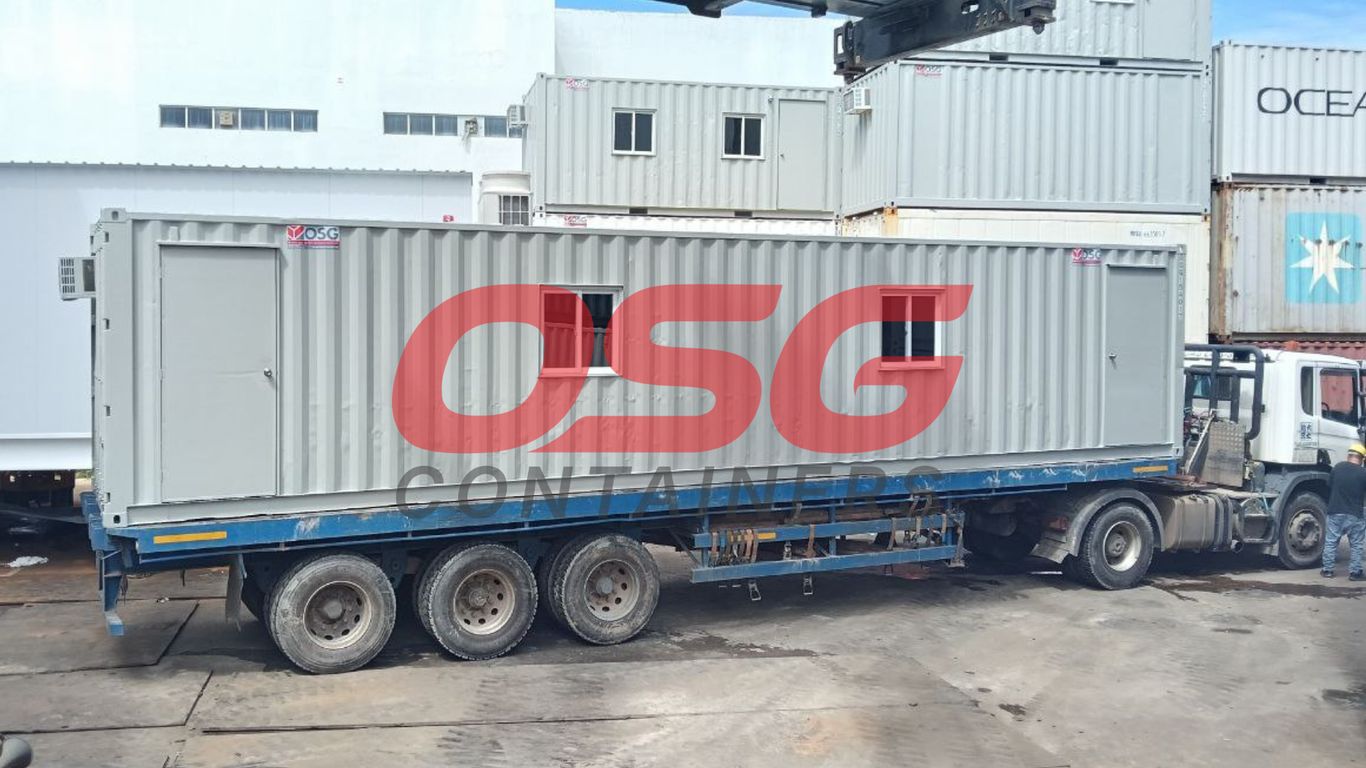
Picking the right shipping container size can feel like a big decision for any business. You’ve got the 20ft container, a common choice, and then there’s the 40ft, which offers more space. It’s not just about how much stuff you have, but also about how you plan to move it and what it costs. We’ll break down the differences to help you figure out which one is actually better for your business, focusing on things like cargo weight, volume, budget, and how easy it is to handle.
Key Takeaways
- A 40ft container is about twice as long as a 20ft container, giving you much more space, but not necessarily double the weight capacity. This means a 20ft container is often better for heavy, dense items.
- For bulky, lighter goods, a 40ft container is usually the way to go because it offers more volume. Think furniture or large appliances.
- While a 40ft container costs more, the price per cubic foot can be lower than a 20ft container, making it more cost-effective if you can fill most of its space.
- Consider where you’ll be loading and unloading. A 20ft container is easier to maneuver in tight spots and requires less heavy equipment, making it suitable for more challenging locations.
- The best container choice depends on your specific cargo, budget, and logistical setup. Regularly reassessing your needs is important, as business requirements can change.
Understanding Container Dimensions And Capacity
Key Differences in Size and Volume
When you’re trying to figure out which shipping container is right for your business, the first thing to get a handle on is the size. It sounds simple, but there’s more to it than just length. You’ve got your standard 20ft container and the much larger 40ft container, and they’re not just different in how long they are. The extra space in a 40-footer can be a big deal, but it’s not always the best choice. It’s like comparing a compact car to a minivan – both get you places, but they hold different amounts and have different feels.
The most obvious difference is the length, with the 40ft container offering nearly double the usable space of a 20 feet container. But remember, the width and height are usually the same for standard models. This means if you’re stacking things or arranging them side-by-side, that dimension stays consistent. However, there are also ‘high cube’ versions available, which add an extra foot of height. This can be a game-changer if you’re storing tall items or planning to use the container for something like a workshop.
Weight Capacity Versus Cubic Space
It’s not just about how much stuff you can fit, but also how much it weighs. This is where things get interesting. A 20ft container might be smaller, but it can still hold a good amount of weight. A 40ft container, while offering way more volume, also has a higher weight limit, but you need to think about how you’re using that space. Are you shipping bricks or feathers? That makes a difference.
Here’s a quick look at the numbers:
| Container Type | Tare Weight (approx.) | Max Payload Capacity (approx.) | Cubic Capacity (approx.) |
|---|---|---|---|
| 20ft Container | 5,070 lbs (2,300 kg) | 55,126 lbs (25,000 kg) | 1,172 cu ft (33.2 m³) |
| 40ft Container | 8,268 lbs (3,750 kg) | 61,200 lbs (27,600 kg) | 2,389 cu ft (67.7 m³) |
Always remember that advertised dimensions are usually external. The actual usable space inside the container is a bit less due to the thickness of the walls and doors. For a 20 ft container, the internal length is around 19 feet 4 inches, and for a 40 ft container, it’s about 39 feet 5 inches. The internal width is generally around 7 feet 8.5 inches for both. Always check the internal dimensions to make sure your cargo will actually fit comfortably.
Exploring High Cube Options
Sometimes, standard height just doesn’t cut it. That’s where high cube containers come in. These are essentially the same length and width as their standard counterparts, but they’re taller. This extra vertical space can be incredibly useful for certain types of cargo or projects. Think about shipping tall machinery or needing extra room for overhead storage within the container. High cube options are available for both 20ft and 40ft sizes, giving you even more flexibility in how you pack and what you can ship.
Matching Your Cargo To The Right Container
So, you’ve got stuff to move, and you’re staring down the barrel of two main options: the 20-footer or the 40-footer. It sounds simple, right? Just pick the bigger one if you have more stuff. But honestly, it’s a bit more involved than that. Getting this choice right can save you a headache and a good chunk of change.
Ideal Scenarios For A 20ft Container
A 20ft container is your go-to when you’re dealing with shipments that are heavy but don’t take up a ton of space. Think of things like machinery parts, dense raw materials, or even a smaller batch of finished goods that are packed tightly. It’s also a lifesaver when your loading area is a bit cramped or you have limited space for maneuvering the container itself. Sometimes, a smaller container is just more practical.
Here’s a quick look at what a 20ft container typically offers:
- Cubic Capacity: Around 1,172 cubic feet (33.2 m³). Good for a solid amount, but not for sprawling items.
- Payload Capacity: Roughly 55,126 lbs (25,000 kg). This is where it shines for dense cargo.
- Tare Weight: About 5,070 lbs (2,300 kg). Lighter empty weight means more of the total allowed weight can be your cargo.
When A 40ft Container Is The Optimal Choice
If your goods are bulky, lighter, or you just have a lot of them, the 40ft container is probably your best bet. It offers nearly double the cubic space of a 20ft, making it ideal for things like furniture, large appliances, or even a significant volume of lighter manufactured goods. It’s also great if you want more room to arrange your items inside, which can sometimes speed up loading and unloading.
Consider a 40ft container when:
- You have a large volume of items that aren’t excessively heavy.
- Your cargo consists of bulky items that take up a lot of space.
- You want more room to organize and secure your shipment within the container.
Balancing Weight And Volume For Your Goods
This is where things get interesting. It’s not just about how much your stuff weighs, but also how much space it takes up. A 20ft container can handle a lot of weight, but its volume is limited. A 40ft container can carry more weight overall, but its real advantage is the significantly larger volume. You might be able to fit more than double the volume of goods in a 40ft compared to a 20ft, but the weight capacity isn’t quite double.
Here’s a simplified comparison:
| Container Type | Max Payload Capacity (approx.) | Cubic Capacity (approx.) |
|---|---|---|
| 20ft Container | 55,126 lbs (25,000 kg) | 1,172 cu ft (33.2 m³) |
| 40ft Container | 61,200 lbs (27,600 kg) | 2,389 cu ft (67.7 m³) |
You need to look at both the weight and the volume your cargo requires. Shipping dense, heavy items might fill up a 20ft container by weight before it’s full by volume. Conversely, light, bulky items might fill a 40ft container by volume long before you reach its weight limit. Picking the right size means making sure your cargo fits efficiently without wasting space or exceeding weight limits.
Cost-Effectiveness And Economies Of Scale
When you’re looking at shipping containers, the price tag is obviously a big deal. It’s not just about the sticker price of the container itself, but also the cost to move it and how much you can fit inside. This is where the idea of economies of scale really comes into play, especially when you start comparing the 20ft and 40ft options.
The Per-Unit Cost Advantage Of Larger Containers
Generally speaking, a 40ft container gives you more bang for your buck when it comes to space. While it costs more upfront than a 20ft, you’re getting more than double the internal volume. This means that if you can fill that extra space, the cost per cubic meter of shipping your goods can be significantly lower. Think of it like buying in bulk at the grocery store; you often get a better price per item when you buy a larger quantity. This is the core of the economy of scale – spreading your fixed costs over a larger volume of goods.
Here’s a rough idea of how the space and cost can stack up:
| Container Type | Approximate Internal Volume (Cubic Meters) | Approximate Shipping Cost (Relative) | Cost Per Cubic Meter (Relative) |
|---|---|---|---|
| 20ft Standard | 33 | 1.0 | 1.0 |
| 40ft Standard | 67 | 1.5 | 0.75 |
| 40ft High Cube | 76 | 1.6 | 0.70 |
Note: These are illustrative figures. Actual costs vary widely based on route, carrier, and market conditions.
When A Half-Full 40ft Container Isn’t Worth It
That lower per-unit cost for a 40ft container only works if you’re actually using that space efficiently. Sending a 40ft container that’s only half-full is usually a bad financial move. You’re paying for all that extra space, but not getting the benefit of filling it with cargo. In this scenario, you might end up paying more overall than if you had used a 20ft container and filled it up properly. It’s all about matching the container size to the actual volume of your shipment. If your goods don’t quite fill a 40ft, but would comfortably fill a 20ft, the smaller container is often the more sensible choice, even if the per-cubic-meter rate looks less attractive on paper.
The temptation to always go for the bigger container for potential savings can be strong. However, true cost-effectiveness comes from smart utilization. A partially filled larger container often represents wasted money and resources, negating the benefits of economies of scale. It’s a classic case of ‘more’ not always being ‘better’ if it’s not needed.
Budget Considerations For Smaller Shipments
For businesses that don’t have massive volumes of goods to ship regularly, or for those dealing with smaller, more frequent orders, the 20ft container often makes more sense from a budget perspective. They are cheaper to rent or buy, and cheaper to transport. If your cargo is dense and heavy, a 20ft container might reach its weight limit before it’s even close to full, making the 40ft container’s extra space irrelevant. In these cases, sticking with the 20ft avoids the risk of paying for unused capacity or exceeding weight limits, which can lead to extra fees and delays. It offers a more manageable and predictable cost for smaller operations or specific types of cargo.
Logistical And Operational Considerations
Site Constraints And Accessibility For Loading
When you’re figuring out which container size works best, there are a few real-world things to think about beyond just how much stuff you have. It’s not just about the cargo itself, but also how you’ll get it there and where it needs to go. Think about how you’ll actually get your goods into the container. Loading and unloading can be a big part of the process. A 20-footer is easier to maneuver in tight spaces, which can be a lifesaver if your loading dock or storage area is a bit cramped. On the flip side, a 40-footer gives you more room to work inside, making it simpler to arrange bulkier items or multiple pallets without feeling like you’re playing Tetris.
- 20ft Container: Ideal for smaller, denser loads or when space is limited for placement and loading.
- 40ft Container: Better for larger volumes, allowing more space for organizing goods and potentially faster loading.
Transporting Larger Versus Smaller Units
Beyond cargo specs, there’s the simple reality of moving the container itself. A 40ft unit requires a larger truck, more space to manoeuvre, and heavier equipment to offload. That’s not always a problem at major ports or industrial sites — but it can be a deal-breaker in regional or remote areas. This is where 20ft containers still hold a major advantage. They’re easier to transport through narrow roads or onto tight sites.
Handling And Equipment Requirements
Smaller cranes or forklifts can handle 20ft containers, which makes them a go-to option for rural deliveries, temporary setups, and multi-stop freight runs. They’re also more flexible in mixed-load scenarios where full container load (FCL) isn’t always achievable. For long-haul domestic freight across major corridors, bigger containers cut down on load duplication and increase fuel efficiency per cubic metre moved.
Choosing the right container size isn’t just about fitting your goods; it’s about fitting your operational reality. Consider the physical space you have for loading and unloading, the type of vehicles and equipment available for transport, and the accessibility of your final destination. A container that’s difficult to move or position can lead to delays and increased costs, regardless of how well it fits your cargo.
Strategic Decision-Making For Your Business
Aligning Container Size With Business Strategy
Picking the right container size isn’t just about fitting your stuff in. It’s a business decision that ties directly into your overall strategy. Think about it: if your business model relies on moving a lot of lightweight, bulky items, a 40ft container makes more sense. It’s like choosing the right vehicle for the job. Trying to cram furniture into a tiny car is a pain, right? Same idea here. On the flip side, if you’re shipping dense, heavy machinery, a 20ft might be your best bet. It’s more manageable and often more cost-effective for those specific loads. The goal is to make your shipping process work for your business, not against it.
The Role Of Data In Container Selection
Gone are the days when you just picked a container size based on habit. Today, smart businesses are looking at the numbers. Route optimization software, real-time tracking, and warehouse management systems can give you a clear picture of your freight flow. This data helps you avoid common pitfalls, like sending out a half-empty 40-footer or overloading a 20-footer. It’s about making informed choices. For example, if your data shows you consistently have shipments that fill about 70% of a 40ft container, maybe it’s time to stick with the 40ft. But if it’s closer to 40%, you might be better off with two 20ft containers, especially if that offers better flexibility or lower overall costs when you factor in handling and potential delays.
Here’s a quick look at typical capacities:
| Container Size | Internal Volume (approx.) | Max Payload (approx.) |
|---|---|---|
| 20ft Standard | 33.2 m³ | 28,200 kg |
| 40ft Standard | 67.7 m³ | 27,600 kg |
| 40ft High Cube | 76.3 m³ | 27,600 kg |
Note: Max payload can vary by manufacturer and container condition.
Flexibility And Regular Reassessment
Your business isn’t static, so why should your container choice be? What works today might not work next year, or even next quarter. Market demands shift, product lines change, and your supply chain might need to adapt. It’s a good idea to review your container strategy periodically. Maybe you’ve been using 20ft containers for years, but a new product line means you’re now shipping lighter, bulkier items. That’s a signal to reconsider the 40ft. Or perhaps you’re expanding into new markets with different infrastructure; that could influence your decision too.
Don’t get locked into a container size just because it’s what you’ve always done. Regularly checking if your current choice still fits your needs, your cargo, and your budget is key to keeping your logistics efficient and cost-effective. It’s about staying agile in a changing world.
Think about these points when you reassess:
- Cargo Profile: Has the type, density, or volume of your goods changed?
- Route Efficiency: Are there new transport options or restrictions affecting container movement?
- Cost Analysis: How do current shipping rates and handling costs compare for each container size?
- Warehouse Space: Does your storage capacity align with the container sizes you’re using?
- Delivery Speed: Does the container size impact your transit times or ability to meet customer demands?
Specific Use Cases For Each Container Size
Heavy and Dense Goods With A 20ft Container
When you’re dealing with items that pack a punch in terms of weight but don’t necessarily spread out much, the 20ft container often makes a lot of sense. Think about shipping raw materials like metal coils, heavy machinery parts, or even a couple of cars. These things are dense, meaning they weigh a lot for the space they take up. A 20ft container has a solid weight capacity, and using it for these kinds of loads means you’re not paying for a ton of empty space you don’t need. It’s about matching the container’s strength to your cargo’s density.
- Ideal for: Machinery, dense raw materials, vehicles, smaller construction equipment.
- Benefit: Maximizes cost-effectiveness by not overpaying for unused volume.
- Consideration: Ensure the weight doesn’t exceed the container’s payload limit.
Bulky and Lighter Items With A 40ft Container
Now, if your goods are more on the ‘big but not super heavy’ side, the 40ft container really shines. We’re talking about things like furniture, large appliances, textiles, or even finished products that take up a lot of room but aren’t individually super heavy. The 40ft container offers nearly double the cubic space of a 20ft, which is a game-changer for these types of shipments. You can fit more items, arrange them more efficiently, and potentially reduce the number of trips needed. This is where you really see the economies of scale kick in for volume-based shipping.
- Ideal for: Furniture, appliances, large electronics, textiles, packaged consumer goods.
- Benefit: Significant space advantage for bulky items, potentially reducing shipping costs per unit.
- Consideration: Ensure you can fill a good portion of the container to justify the larger size.
Specialized Equipment and Vehicle Transport
Sometimes, standard containers just don’t cut it. For items that are too tall or wide to fit inside a regular container, you might look at options like an open top container. These are great for oversized cargo that needs to be loaded from above using a crane. They offer flexibility when standard container dimensions are a problem. On the flip side, if you’re setting up a temporary site office or a remote workshop, a repurposed container, like a container office, can be a practical and cost-effective solution. It’s about adapting the container to the specific needs of the cargo or the operational requirement.
When selecting a container, always think about the entire lifecycle of your goods – from loading and transit to final delivery and any potential on-site use. The right container isn’t just about fitting things in; it’s about how it supports your overall operation.
So, Which Container Is Right for You?
Alright, so we’ve talked a lot about 20-foot versus 40-foot containers. Honestly, there’s no single ‘better’ option. It really comes down to what you’re shipping and how you’re shipping it. If you’ve got heavy, dense items, a 20-footer might be your best bet. But if you’re moving a lot of lighter, bulkier stuff, that 40-footer is probably the way to go. Don’t forget that a 40-footer isn’t usually twice the price of a 20-footer, so sometimes it’s actually cheaper per cubic foot to get the bigger one, even if you don’t fill it completely. Think about your cargo, your budget, and where it needs to go, and you’ll figure out the right fit. Happy shipping!
Frequently Asked Questions
What’s the main difference between a 20ft and a 40ft container?
The biggest difference is size! A 40ft container is twice as long as a 20ft container, meaning it can hold a lot more stuff. While they are about the same width and height, the extra length of the 40ft gives it more room for your cargo. Think of it like choosing between a small car and a big van – both get you where you need to go, but one carries much more.
Which container is better for heavy items?
If you’re shipping really heavy things like machines or metal, a 20ft container is often a better choice. Even though it’s smaller, it’s built to handle a lot of weight in a compact space. A 40ft container can hold more volume, but it might reach its weight limit before it’s full, unlike a 20ft container which is often better for dense loads.
When should I choose a 40ft container over a 20ft container?
You should pick a 40ft container if you have a lot of items, like the contents of a big house, or if you’re shipping large things like several cars or bulky store items. It gives you double the space of a 20ft container, which is great for big shipments. If you’re moving lots of furniture or inventory, using one 40ft container can be cheaper than using two 20ft ones.
Can I fit more items in a 40ft container even if it’s not completely full?
Yes, often! A 40ft container has more than double the space of a 20ft container. Even if you don’t fill it all the way up, the cost per cubic foot can sometimes be lower for a 40ft container. This means it might be more cost-effective to use a half-full 40ft container than a full 20ft container, depending on your cargo and shipping prices.
Are there other container sizes besides 20ft and 40ft?
Yes, there are! You can also get ‘high cube’ containers, which are taller than standard ones. These come in both 20ft and 40ft sizes, giving you even more vertical space for stacking items or shipping tall equipment. Sometimes, you might even find 45ft containers.
How does the location or site affect my choice of container?
The place where you’re loading or unloading matters. A 20ft container is easier to move around in tight spots, like small loading docks or narrow roads. A 40ft container needs more space to maneuver and requires bigger equipment to handle. So, if your site is cramped or hard to access, a 20ft container might be a much simpler choice.