Singapore
 Australia
 Indonesia
 Japan
Japan Malaysia
 New Zealand
 Philippines
 South Korea
 Taiwan
 Thailand
 VIETNAM
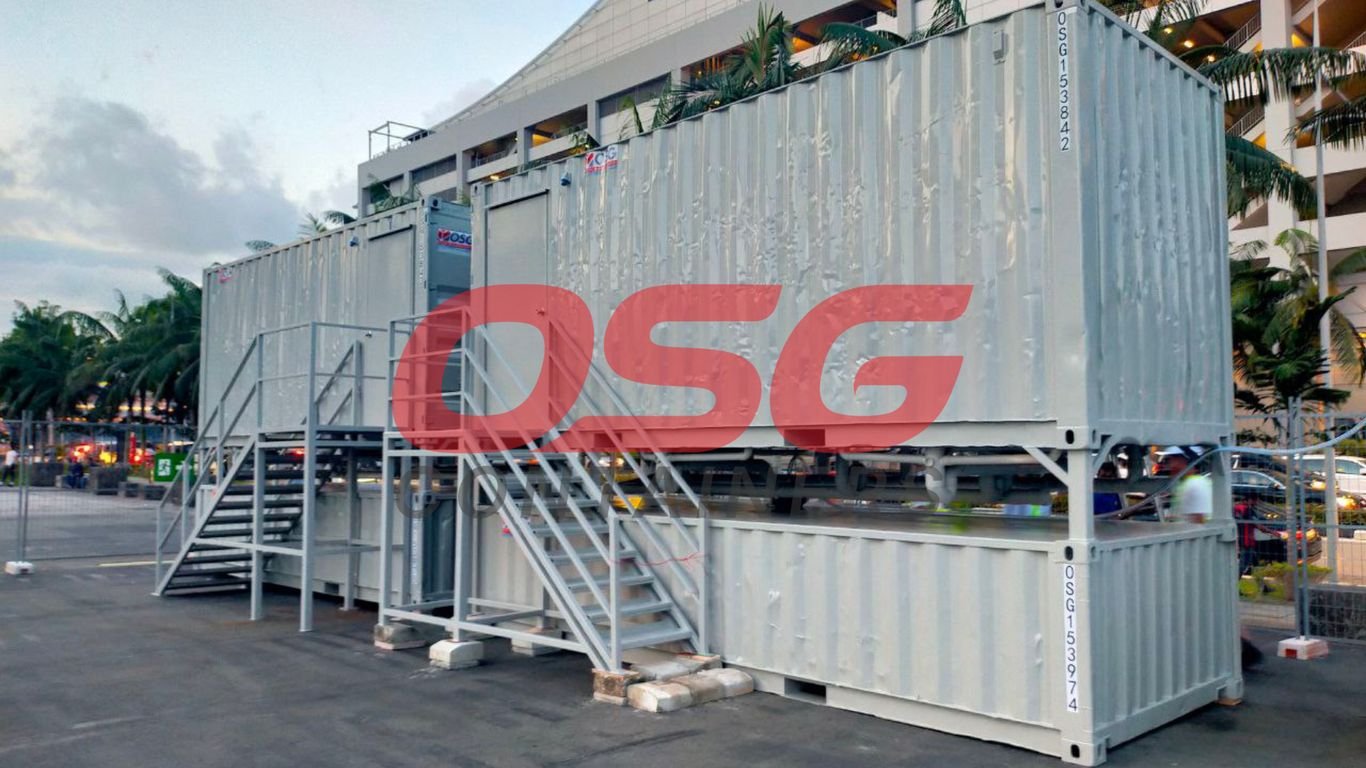
You know, it’s pretty wild how things change. We used to just see these big metal boxes on ships and trains, right? Just for hauling stuff. But now? People are turning them into houses, shops, even offices. It’s like a whole new way of building is happening, and it’s all thanks to the good old shipping container. It’s cheaper, it’s faster, and honestly, it’s a lot better for the planet. Let’s look at how these things are shaking up the construction world, one box at a time.
Key Takeaways
- Shipping containers offer a budget-friendly and eco-conscious alternative to traditional building materials, reducing waste.
- Their modular nature allows for quick construction and flexible designs, adaptable to various needs.
- Repurposing containers promotes green building practices and can lead to energy-efficient spaces.
- Container builds can significantly cut down on project timelines and overall costs.
- These versatile steel boxes are being used for homes, businesses, and community projects, showing their broad application.
From Freight To Foundations: The Shipping Container Revolution
The Unlikely Building Block
It’s kind of wild when you think about it. These big metal boxes, the ones you see stacked high at ports or chugging along on trains, are becoming… houses? And shops? And offices? It sounds a bit out there, but that’s exactly what’s happening. Shipping containers, originally designed to haul goods across oceans, are finding a second life as building materials. They’re tough, they’re standardized, and there are a lot of them just sitting around. This makes them a surprisingly good starting point for all sorts of construction projects, from tiny homes to larger community buildings.
Resilience Engineered for Construction
These containers aren’t flimsy. They’re built from strong Corten steel, made to withstand rough seas, salty air, and all sorts of weather. This means they’re already pretty robust before anyone even touches them for building. Think about it: they’re designed to be stacked dozens high on a ship, so they can handle a lot of weight and stress. This inherent strength translates well to construction, offering a solid foundation that can be adapted for various uses.
Here’s a quick look at why their design works:
- Durability: Corten steel resists corrosion, meaning they hold up well over time.
- Standardization: They come in set sizes (like 20-foot or 40-foot lengths), which makes planning and assembly much simpler.
- Modularity: Their uniform shape means you can easily connect them, stack them, or cut openings for doors and windows.
The very qualities that make a shipping container good for transport – its strength, its predictable dimensions, and its ability to be moved easily – also make it a smart choice for building. It’s like getting a pre-fabricated, super-strong shell that you can then customize.
Modular Design for Modern Needs
One of the biggest draws of using shipping containers is their modular nature. Because they’re all the same size and shape, you can easily combine them to create larger spaces or arrange them in different configurations. This flexibility is a huge advantage, especially in urban areas where space can be tight or when you need to build quickly. You can add more containers later if you need to expand, which is a lot easier than trying to add an extension to a traditional brick building. This adaptability is perfect for businesses that might need to change their layout or for homeowners who want to grow their living space over time.
Unlocking Sustainable Construction With Shipping Containers
Reducing Environmental Impact Through Repurposing
Think about all those shipping containers just sitting around after they’ve done their job carrying goods across the globe. Instead of letting them become scrap metal, we’re seeing them get a second life as building materials. This is a huge win for the environment because it means we’re not using as many new resources like timber or concrete, which take a lot of energy and land to produce. It’s like giving these steel boxes a whole new purpose, keeping them out of landfills and reducing the carbon footprint associated with making brand new building stuff. Repurposing these containers is a direct way to cut down on waste and conserve natural resources.
Energy Efficiency and Green Building Integration
When you build with shipping containers, you get a really solid, insulated structure. They’re already built tough to handle rough seas, so they make a strong base. We can add modern insulation and energy-saving features, like solar panels or efficient windows, to make them even greener. This means less energy is needed to heat and cool the space, which is good for your wallet and the planet. It’s about making sure these repurposed structures are not just cool-looking but also perform well environmentally.
Minimizing Waste in the Building Process
Traditional construction can create a mountain of waste – leftover wood, concrete scraps, you name it. Container building is different. Because the containers themselves are the main structure, there’s much less cutting and fitting of raw materials. Plus, many modifications can happen off-site in a controlled environment, which means less mess and waste on the actual building location. It’s a cleaner way to build, from start to finish.
Building with repurposed shipping containers significantly cuts down on the waste typically generated by conventional construction methods. This approach prioritizes resourcefulness and reduces the environmental burden of new material extraction and processing.
Here’s a quick look at how container building helps reduce waste:
- Less Material Waste: The primary structure is already made, reducing the need for new raw materials.
- Off-Site Fabrication: Modifications done in workshops lead to better material use and less on-site debris.
- Standardized Components: Using pre-made container units means less cutting and fitting of individual pieces.
- Reduced Transportation: Often, containers are sourced locally, cutting down on transport emissions compared to shipping raw materials.
Cost-Effectiveness And Rapid Deployment
Significant Savings Over Traditional Materials
When you look at the numbers, building with shipping containers just makes sense for a lot of projects. Think about it: these things are built tough, designed to handle rough seas and heavy loads. That inherent strength means you’re not spending as much on framing, concrete, or specialized materials that traditional buildings need. It’s a big chunk of savings right from the start. Plus, because they’re standardized, sourcing them is usually straightforward, cutting down on procurement headaches and costs.
Accelerated Timelines From Blueprint to Occupancy
One of the most attractive aspects of using shipping containers is how fast you can get a project done. Traditional construction can drag on for months, sometimes years. With containers, a lot of the heavy lifting – the structural work, really – is already done. You’re essentially assembling pre-made modules. This means you can go from having a design on paper to people actually using the space much, much quicker. This speed is a game-changer, especially for businesses that need to get up and running fast or for housing projects where speed is critical.
Off-Site Fabrication for Faster Project Completion
This is where the real magic happens. A huge portion of the work on a container build can happen in a controlled factory environment, away from the unpredictable weather and site-specific issues that plague traditional construction. Think about all the cutting, welding, and initial fitting that can be done indoors. Then, these finished modules are transported to the site and put together. It’s like a giant, efficient Lego set. This off-site approach not only speeds things up but also tends to result in a higher quality build because it’s done with more precision and less disruption.
Here’s a quick look at how the timeline can stack up:
- Traditional Build: Site prep, foundation, framing, roofing, exterior, interior work – often 6-12+ months.
- Container Build: Site prep, foundation, container delivery & assembly, finishing touches – often 2-6 months.
The ability to pre-fabricate and assemble modules off-site significantly reduces on-site disruption, noise, and waste, making container construction a more neighborly and efficient option, particularly in dense urban areas.
Design Versatility And Aesthetic Appeal
Customization Beyond Industrial Roots
Forget the idea that shipping containers are just plain, grey boxes. These things are way more adaptable than you might think. Architects and builders are getting super creative, turning these steel shells into something totally unique. We’re talking big windows that go from floor to ceiling, adding wood or metal siding to give them a different look, and even putting decks on top or making parts of the structure stick out. The industrial vibe can be a real plus, giving a modern, edgy feel that works in cities or the countryside. Whether you’re going for a super simple look or something more fancy, containers can be shaped to fit.
Creating Visually Stunning and Unique Spaces
It’s amazing what people are doing. You see container homes that look like modern art installations, pop-up shops that grab your attention instantly, and even cafes that feel really cool and different. The basic shape of a container is a great starting point, but it’s what you do with it that counts. Think about:
- Adding different textures: Cladding with reclaimed wood, corrugated metal, or even stucco can completely change the exterior feel.
- Playing with openings: Large glass doors, strategically placed windows, and skylights bring in light and connect the inside with the outside.
- Creating multi-level designs: Stacking and arranging containers in interesting ways can lead to dynamic forms and unique rooflines.
The beauty of using containers is that they offer a strong, pre-built structure that can be modified in countless ways. This means you can achieve a high-end look without the typical high-end price tag associated with complex custom builds.
Adaptable Layouts for Diverse Functions
One of the best things about containers is how flexible they are. You can arrange them in so many ways to fit whatever you need. Need a small, cozy home? Stack two containers. Want a bigger office space? Line up several and connect them. This modularity means you’re not stuck with a fixed design. You can:
- Reconfigure easily: If your needs change, you can often add, remove, or rearrange container modules.
- Maximize small lots: Their compact nature is perfect for tight urban spaces where traditional construction might be difficult.
- Create distinct zones: Use different containers or arrangements to create separate areas for living, working, or entertaining within a single project.
Shipping Containers In Residential Living
Innovative And Compact Home Designs
Shipping containers, like the common 20 ft container, are proving to be surprisingly adaptable for creating unique and efficient homes. Forget the idea of a cramped metal box; these structures are being transformed into stylish, functional living spaces. Their uniform size makes them a dream for modular design, allowing architects and builders to create layouts that maximize every square foot. Think open-concept living areas, clever storage solutions built right into the walls, and even multi-level homes stacked from multiple units. It’s about making the most of the space, whether you’re looking at a single 20 foot sea container for a tiny home or combining several for a larger family dwelling. Even specialized containers, like an isotank (though less common for direct living), show the breadth of possibilities in repurposing industrial steel.
Affordable Housing Solutions
One of the biggest draws of container homes is their potential to significantly lower housing costs. Compared to traditional construction, using repurposed shipping containers can cut down on material expenses and labor time. This makes homeownership more accessible, especially in areas where housing prices are sky-high. It’s a way to get a solid, durable home without the massive price tag. Plus, the modular nature means you can start small and add on later as your budget allows, making it a flexible solution for many.
- Reduced material costs due to repurposing.
- Faster construction timelines mean lower labor expenses.
- Potential for off-grid living integration, saving on utility bills.
- Adaptable designs can grow with your needs, avoiding costly future expansions.
The shift towards container homes isn’t just about saving money; it’s about rethinking what a home can be. It’s about smart design, efficient use of resources, and creating durable, comfortable living spaces that are within reach for more people.
Expanding Living Spaces With Modular Additions
Need more room? Shipping containers offer a fantastic way to expand your existing home. Whether you need an extra bedroom, a home office, or a guest suite, adding a container module is often quicker and more cost-effective than traditional extensions. These additions can be designed to match your current home’s style or stand out with their own unique industrial charm. You can even use different types of containers, like open top containers for specific architectural features, to create truly custom additions. This modular approach provides flexibility, allowing you to adapt your living space as your life changes, without the hassle of major demolition and reconstruction.
Commerce Reimagined: Shipping Containers In Business
Pop-Up Retail Shops For Dynamic Brands
Forget those flimsy tents or temporary booths. Shipping containers are giving pop-up shops a serious upgrade. These sturdy steel boxes can be transformed into eye-catching retail spaces that are both durable and easy to move. Imagine a brand launching a new product at a music festival or a seasonal boutique popping up in a busy downtown area – a container makes it happen quickly and affordably. They offer a unique, industrial-chic vibe that naturally draws attention, and because they’re so adaptable, businesses can test out new markets or locations without a huge commitment. It’s a smart way for brands to be where their customers are, whenever and wherever that might be.
Stylish Container Cafés And Restaurants
Who knew old cargo containers could be so hip? We’re seeing them everywhere now, turned into cool cafés and restaurants. They have this raw, industrial look that people seem to love, and designers can really get creative with the interiors. You can have a cozy coffee spot or a trendy eatery, all within the confines of a container. Plus, setting one up is often way faster and cheaper than building a traditional restaurant from scratch. Think about it: you get a ready-made structure that just needs to be outfitted. It’s a fantastic option for entrepreneurs looking to make a splash in the food scene without breaking the bank.
Modular Office Spaces For Modern Workplaces
Offices are changing, and shipping containers are part of that shift. Instead of being stuck in a generic office park, businesses can create unique workspaces using containers. Need a small, focused team space? A single container might do. Expanding? Just add another one. This modularity means offices can grow and change with the company. They offer a distinct look that can reflect a company’s innovative spirit, and the construction process is generally much quicker than traditional builds. Plus, they can be set up in places where a conventional building might not be feasible, opening up new possibilities for office locations.
The adaptability of shipping containers means businesses can create spaces that are not only functional but also tell a story about their brand – one of innovation, efficiency, and a forward-thinking approach to sustainability. This isn’t just about having a place to work or sell; it’s about crafting an experience.
Community And Disaster Relief Applications
Fostering Collaborative Community Projects
Shipping containers are really shaking things up when it comes to building community spaces. Think about it – these sturdy boxes can be transformed into all sorts of useful places. We’re seeing them pop up as maker spaces where artists and inventors can work together, or as vibrant community centers that bring people together for events and activities. They’re also great for pop-up markets, giving local vendors a place to sell their goods without the huge cost of a permanent shop. It’s all about creating flexible, accessible spots that can adapt to what a community needs.
- Pop-up markets and food stalls: Offering affordable retail and dining options.
- Community workshops and maker spaces: Providing areas for shared tools and creative projects.
- Temporary event venues: Hosting festivals, gatherings, and local celebrations.
These structures offer a tangible way to build shared spaces quickly and affordably, making them ideal for initiatives that aim to strengthen local bonds and provide accessible resources.
Rapid Deployment For Emergency Housing
When disaster strikes, getting people into safe shelter fast is the top priority. This is where shipping containers really shine. They can be quickly converted into emergency housing, medical clinics, or temporary schools. Because they’re already built and designed to be moved, they can be sent to affected areas much faster than traditional construction. This speed can literally save lives by providing immediate, secure, and weatherproof shelter for those who have lost their homes. They can be set up in remote locations or areas where infrastructure has been damaged, offering a reliable solution when it’s needed most.
| Application | Key Benefit |
|---|---|
| Emergency Shelters | Quick setup, durable, weatherproof |
| Mobile Clinics | Immediate medical access, adaptable spaces |
| Temporary Schools | Safe learning environments for displaced children |
| Aid Distribution Hubs | Secure storage and distribution points |
Creating Gathering Spaces And Educational Hubs
Beyond immediate relief, containers are also being used to create more permanent community gathering spots and educational facilities. Imagine a library housed in a few stacked containers, or a small community center that can be expanded later by adding more units. They’re also being used for educational purposes, like science labs or art studios for schools that need extra space. The modular nature means these spaces can grow and change as the community’s needs evolve, making them a smart, long-term investment in community development. It’s a practical way to add needed facilities without breaking the bank.
The Future is Stacked
So, what does all this mean? Basically, shipping containers are way more than just old metal boxes. They’re proving that we can build cool, useful stuff without trashing the planet. From homes to shops, these containers are showing us a smarter, more sustainable way to create the spaces we need. It’s not just a fad; it’s a real shift in how we think about building, making things last, and using what we already have. Pretty neat, right?
Frequently Asked Questions
What exactly is a shipping container home?
Think of a shipping container home as a house built using old metal boxes that used to carry goods on ships. These strong boxes are cleaned up and changed into living spaces, offering a cool and eco-friendly way to build homes.
Are shipping container homes good for the environment?
Yes, they are! Using old containers means we don’t need to make as many new building materials, which saves energy and reduces waste. It’s like giving these big metal boxes a second life instead of letting them become trash.
Are these container homes strong and safe?
Absolutely. Shipping containers are made of tough steel and are built to survive rough weather at sea. When they are turned into homes by experts, they are made even stronger and safer, with proper insulation and building techniques.
Can you design a container home to look nice?
Definitely! People are getting really creative with container homes. You can add big windows, cool siding, and unique layouts to make them look modern, cozy, or whatever style you like. They don’t have to look like plain metal boxes.
Are shipping container homes cheaper than regular houses?
Often, yes! Because the main structure is already there, building with containers can cost less than building with traditional materials like wood or brick. Plus, they can often be built faster, saving on labor costs too.
Can you make a container home bigger if you need more space?
Yes, you can! Shipping containers are like building blocks. You can start with one or two and then add more later on if you need an extra room, a bigger kitchen, or a place for guests. It’s easy to expand them.