Singapore
 Australia
 Indonesia
 Japan
Japan Malaysia
 New Zealand
 Philippines
 South Korea
 Taiwan
 Thailand
 VIETNAM
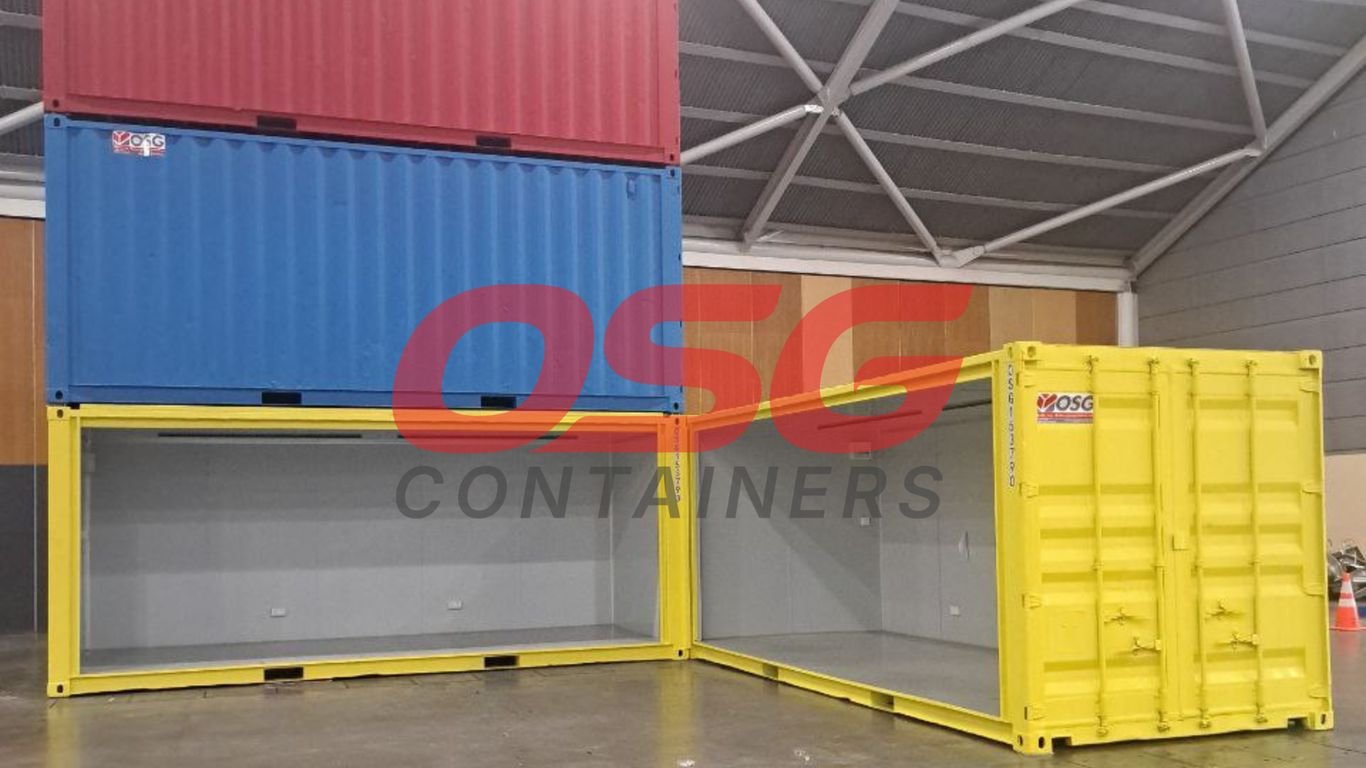
You see them everywhere, right? Those big metal boxes stacked high on ships or sitting at ports. They’re the unsung heroes of getting stuff from point A to point B, especially when those points are on opposite sides of the planet. We’re talking about the 20ft sea container, a simple but brilliant piece of engineering that totally changed how the world does business. Let’s take a look at why this standard-sized box is so important for keeping things moving.
Key Takeaways
- The 20 ft sea container is a standard size that makes shipping goods super easy and predictable across different types of transport like ships, trains, and trucks.
- These containers are built tough from steel, so they can handle rough weather and protect whatever’s inside during long journeys.
- Using 20 ft containers is often cheaper for businesses compared to other options, helping them save money on moving their products.
- Beyond just shipping, these containers are really adaptable and can be turned into storage units, small buildings, or other useful spaces.
- When buying a 20 ft sea container, it’s smart to check its physical condition, look at its past repair history, and make sure it fits your specific needs for size and strength.
The Enduring Legacy of the 20ft Sea Container
Revolutionizing Global Trade
Before the mid-20th century, moving goods across oceans was a messy, time-consuming affair. Cargo was loaded and unloaded piece by piece, often leading to damage and significant delays. Then came Malcolm McLean, a trucking company owner who saw a better way. He envisioned a standardized metal box that could be easily transferred between ships, trains, and trucks without the cargo ever needing to be touched. This simple idea fundamentally changed how the world does business.
The Birth of Standardized Shipping
McLean’s innovation wasn’t just about a box; it was about creating a system. In 1956, his first container ship, the "Ideal X," sailed from Newark to Houston. This marked the beginning of standardized shipping. The International Organization for Standardization (ISO) later stepped in, setting global dimensions. The 20ft container, with its 8ft width and 8ft 6in height, became a workhorse.
Here’s a look at the basic dimensions that made it all possible:
| Dimension | Measurement |
|---|---|
| Length | 20 feet |
| Width | 8 feet |
| Height | 8 feet 6 inches |
Malcolm McLean’s Visionary Innovation
McLean’s genius lay in recognizing the inefficiencies of the old way. His approach slashed loading costs dramatically, making international trade far more accessible. It wasn’t just about saving money; it was about creating predictability and reliability in a global supply chain that desperately needed it. This innovation paved the way for the intermodal transport system we rely on today, where goods can move from a factory floor to a customer’s doorstep with minimal handling.
Understanding the 20ft Sea Container’s Design and Functionality
Standardized Dimensions for Seamless Logistics
The real magic of the 20ft sea container lies in its consistent size. Think of it like a universal building block for shipping. These containers are built to strict international standards, meaning a 20-footer from one port is pretty much identical to one from another. This standardization is what makes global trade flow so smoothly.
Here are the typical outside dimensions:
- Length: 20 feet (about 6.1 meters)
- Width: 8 feet (about 2.44 meters)
- Height: 8.5 feet (about 2.59 meters)
Inside, you get about 1,170 cubic feet of space, which is a good amount for a lot of different goods. The empty container usually weighs around 5,000 pounds, but it can carry a hefty load, up to about 60,000 pounds. This predictable sizing means ships, trains, and trucks can all be designed to handle them efficiently, without needing special equipment for every single box.
This consistent sizing is the backbone of intermodal transport, allowing cargo to move from a ship to a train to a truck without needing to be re-packed. It’s a simple idea that saves a ton of time and money.
Durable Construction for All Conditions
These containers aren’t made of cardboard, that’s for sure. They’re typically built from strong, corrugated steel. This material is chosen for a reason: it’s tough enough to handle the rough and tumble of being loaded, unloaded, and stacked high on ships. Plus, steel holds up well against the elements, whether it’s salty sea air, heavy rain, or intense sun.
- Weather Resistance: The steel construction and often a protective paint job help keep moisture out, preventing rust and protecting the cargo inside.
- Structural Integrity: The corrugated sides aren’t just for looks; they add a lot of strength, allowing the containers to be stacked many high without collapsing.
- Longevity: Because they’re built to last, many containers get a second life, being repurposed for storage or other uses long after their shipping days are done.
Security Features for Valuable Cargo
Keeping goods safe during transit is a big deal. 20ft containers come with built-in security features to give people peace of mind. The doors are designed to seal tightly, and they have strong locking mechanisms. You’ll often find special points where you can attach security seals or padlocks.
- Locking Gear: Robust handles and locking bars make it difficult for unauthorized access.
- Door Seals: Rubber gaskets around the doors help keep out dust, water, and pests.
- Tamper Evidence: The ability to add seals means you can tell if someone has tried to open the container while it was in transit.
These features, combined with the strong steel shell, make the 20ft container a secure box for everything from electronics to furniture.
The Economic Advantages of Utilizing 20ft Sea Containers
Cost-Effectiveness for Businesses
When you’re looking at moving goods, especially if you’re not shipping massive amounts all the time, the 20ft container really shines. Think of it like this: you wouldn’t rent a huge moving truck to haul a few boxes, right? The 20ft container is the sweet spot for a lot of businesses. It’s cheaper to buy or rent than its bigger 40ft cousin, and that saving adds up fast, especially if you’re dealing with international shipping or need a reliable storage solution. For companies in places like container singapore, where logistics are key, using these standard sizes means predictable costs and easier planning. This makes them a smart financial choice for smaller to medium-sized shipments and storage needs.
Optimizing Transportation Budgets
Using 20ft containers helps keep your shipping costs in check. Because they’re a standard size, ports and shipping lines have efficient ways to handle them. This means less time waiting around and lower handling fees. They fit well on most ships, trains, and trucks, making the whole journey smoother and less expensive. You can also get more of them onto a ship compared to oddly shaped cargo, which can sometimes lead to better per-unit shipping rates. It’s all about making the most of the space and the systems already in place.
Maximizing Cargo Volume Efficiently
While they aren’t the largest containers out there, 20ft units are designed to pack a lot in. Their sturdy steel build means you can stack things pretty high inside without worrying too much. Plus, you can add shelves or dividers to make the most of every inch. This efficient use of space means you can ship more goods per container, which again, cuts down on your overall transportation expenses. It’s a practical way to get your products from point A to point B without breaking the bank.
The standardized dimensions of 20ft containers are a big deal. They fit into existing infrastructure worldwide, from cranes at the port to the back of a truck. This compatibility means less special equipment is needed, and that translates directly into lower costs for everyone involved in the supply chain.
Versatility Beyond Transportation: Repurposing 20ft Containers
So, you’ve got a 20ft container. It’s done its job hauling goods across oceans and continents. But what happens when its shipping days are over? Well, that’s where things get really interesting. These tough steel boxes aren’t just one-trick ponies; they have a whole second life waiting for them.
Adaptable Storage Solutions
Think about it. These containers are already built to protect stuff from the elements. That makes them perfect for extra storage. Whether you’re a business needing a place for excess inventory, tools, or equipment, or a homeowner with too much junk in the garage, a used 20ft container is a solid option. They’re way more secure than a flimsy shed and can be placed pretty much anywhere you have a bit of flat ground. Plus, they’re watertight, which is a big deal when you’re storing things you don’t want ruined by rain or snow.
- Secure storage for businesses: Keep valuable equipment or seasonal stock safe from theft and weather.
- Personal storage expansion: Free up space at home by storing furniture, vehicles, or recreational gear.
- On-site construction storage: A convenient and secure place for tools and materials right at the job site.
Innovative Architectural Applications
This is where things get really creative. People have started using these containers as building blocks for all sorts of structures. We’re talking homes, offices, cafes, art studios, and even entire communities. They’re surprisingly adaptable. You can cut windows and doors, stack them up, insulate them, and pretty much turn them into anything you can imagine. It’s a cost-effective way to build, and honestly, it gives a unique, modern look to whatever you’re creating.
Building with containers is becoming a popular choice for those looking for unique, affordable, and quick construction solutions. Their modular nature means you can start small and expand later, or create complex designs by combining multiple units.
Customizable for Diverse Needs
The real beauty of repurposing a container is how much you can make it your own. You’re not just getting a box; you’re getting a blank canvas. Need shelves for your workshop? Easy. Want to turn it into a small coffee stand? Totally doable. How about a pop-up shop for your business? Done. You can add insulation, electricity, plumbing, paint it any color you want – the possibilities are pretty much endless. It’s a way to get a custom-built space without the usual custom-built price tag.
Here’s a quick look at what you might add:
- Insulation: Crucial for making any container habitable or comfortable for sensitive goods.
- Windows and Doors: Essential for access and natural light, can be placed almost anywhere.
- Electrical and Plumbing: Allows for full functionality as an office, home, or workshop.
- Interior Finishes: Drywall, flooring, and paint to make it feel like a real building.
Navigating the Purchase and Quality of a 20ft Sea Container
So, you’re thinking about buying a 20ft shipping container. It’s a big step, and you want to make sure you get a good one, right? It’s not just about picking the cheapest option; you need to look at a few things to make sure it’ll do the job you need it to do, whether that’s for shipping goods or for some other purpose.
Key Quality Parameters to Inspect
When you’re looking at a container, give it a good once-over. Structural integrity is the most important thing to check. Look for any major dents, rust spots, or holes, especially around the corners and along the roof and floor. The doors should open and close smoothly, and the seals should look intact to keep the weather out. Check the floor too; it should be solid and free of rot. It’s also worth looking at the paint condition – a fresh coat might hide underlying issues, but peeling paint can be a sign of neglect.
Evaluating Maintenance Records
Don’t just take a seller’s word for it. If possible, ask to see maintenance records. This gives you a peek into how the container has been cared for. Were there any major repairs? How were they handled? Good records show a commitment to upkeep, which is a positive sign. It helps you understand if the container has been well-maintained throughout its working life.
Understanding Previous Usage
Containers have a history, and knowing it can save you trouble later. Was it used for general cargo, or something more specialized? While a standard 20ft container is versatile, knowing its past use can sometimes hint at potential issues. For example, a container that carried chemicals might need extra cleaning or have residual odors. Also, consider if it’s a standard 20ft or perhaps a 40 high q container if you need more space, though the purchase considerations remain similar.
Buying a used container means you’re getting a product with a past. It’s like adopting a pet; you want to know its background to make sure it’s a good fit for your home. A little digging now can prevent a lot of headaches down the road.
The Role of 20ft Sea Containers in Modern Logistics
Facilitating Intermodal Transportation
These 20ft containers are the workhorses that make moving goods between different types of transport so much easier. Think about it: a shipment can leave a factory on a truck, get loaded onto a train without anyone touching the actual cargo inside, and then hop onto a ship. This whole process, called intermodal transport, is made possible because the container itself is the standardized unit. You don’t have to repack everything at each stop. This saves a ton of time and money. If you’re looking to rent a container for this kind of operation, finding one that fits ISO standards is key.
Ensuring Efficient Last-Mile Delivery
Getting goods from the big port or rail yard to the final destination, like a store or your doorstep, is often the trickiest part. A 20ft cargo container is often the perfect size for this ‘last mile.’ It’s small enough to navigate city streets and tight loading docks, unlike its bigger 40ft cousins. This means fewer delays and less hassle getting products where they need to be. It really helps cut down on those frustrating delivery snags.
Reducing Environmental Impact
When you think about how many goods are shipped globally, the environmental footprint can be huge. Using standardized containers like the 20ft ones helps. They allow for more efficient loading onto ships and trains, which generally use less fuel per ton of cargo than trucks. Plus, by reducing the need for multiple handling steps, you cut down on wasted energy and potential spills. It’s a small part of the big picture, but it adds up.
The ability to move goods consistently and predictably across different transport methods is what keeps supply chains from grinding to a halt. A 20ft container is a simple, yet brilliant, piece of engineering that makes this possible on a global scale.
Here’s a quick look at why they’re so good for moving things:
- Standard Size: Fits on almost any truck, train, or ship designed for containers.
- Durability: Built tough to protect goods from weather and rough handling.
- Security: Locks down tight, keeping cargo safe from theft.
- Efficiency: Reduces loading and unloading times significantly.
Wrapping It Up
So, there you have it. These big metal boxes, the 20-footers and their larger cousins, are really the workhorses of getting stuff from point A to point B, all over the planet. They’ve totally changed how we move things, making it way cheaper and simpler. From the factory floor to your doorstep, these containers are always on the move, keeping everything flowing. It’s pretty wild to think about how much goes on behind the scenes just to make sure your online order or the parts for your car get where they need to be. They’re not just boxes; they’re the reason we can get pretty much anything we want, whenever we want it.
Frequently Asked Questions
What exactly is a 20ft sea container and why is it important?
A 20ft sea container is like a standard metal box used to ship goods all over the world. Think of it as a super strong, reusable crate. These containers are super important because they make it way easier and cheaper to move stuff from one country to another, whether by ship, train, or truck. They’re the main way we get products from all over the planet to our stores.
How did these containers change the way we trade things?
Before these containers, moving goods was a huge headache. People had to load and unload everything piece by piece, which took forever and cost a lot. When the standard container came along, it was like a game-changer. You could just load a whole container onto a ship or train without touching the items inside. This made shipping much faster, safer, and way more affordable, opening up global trade like never before.
Are 20ft containers all the same size?
Yes, they are! That’s the beauty of them. They have set measurements, like being 20 feet long, 8 feet wide, and about 8.5 feet tall. This standard size means they fit perfectly onto ships, trains, and trucks designed to carry them. It makes moving them around the world smooth and easy because everything is built to handle these exact dimensions.
Are these containers just for shipping, or can they be used for other things?
They’re incredibly versatile! While they’re awesome for shipping, people also use them for all sorts of other stuff. You can turn them into extra storage sheds, cool pop-up shops, temporary offices, or even build houses and cafes out of them. Because they’re so strong and weather-proof, they make great building blocks for all kinds of projects.
When I buy a used 20ft container, what should I look out for?
When buying a used one, give it a good once-over. Check for any big dents, rust spots, or holes, especially on the walls and floor. Make sure the doors open and close smoothly and that the seals are in good shape to keep water out. It’s also smart to ask about its history and if it’s been well-maintained. A container that’s in good shape will last you much longer.
How do 20ft containers help make deliveries easier?
These containers are key to making deliveries smooth, especially the ‘last mile’ – that final step to get products to your door. Because they’re standardized, they can be easily moved from a big ship to a train, and then to a truck without unloading. This means less hassle, less chance of damage, and quicker delivery times, helping businesses get their products to customers efficiently.