Singapore
 Australia
 Indonesia
 Japan
Japan Malaysia
 New Zealand
 Philippines
 South Korea
 Taiwan
 Thailand
 VIETNAM
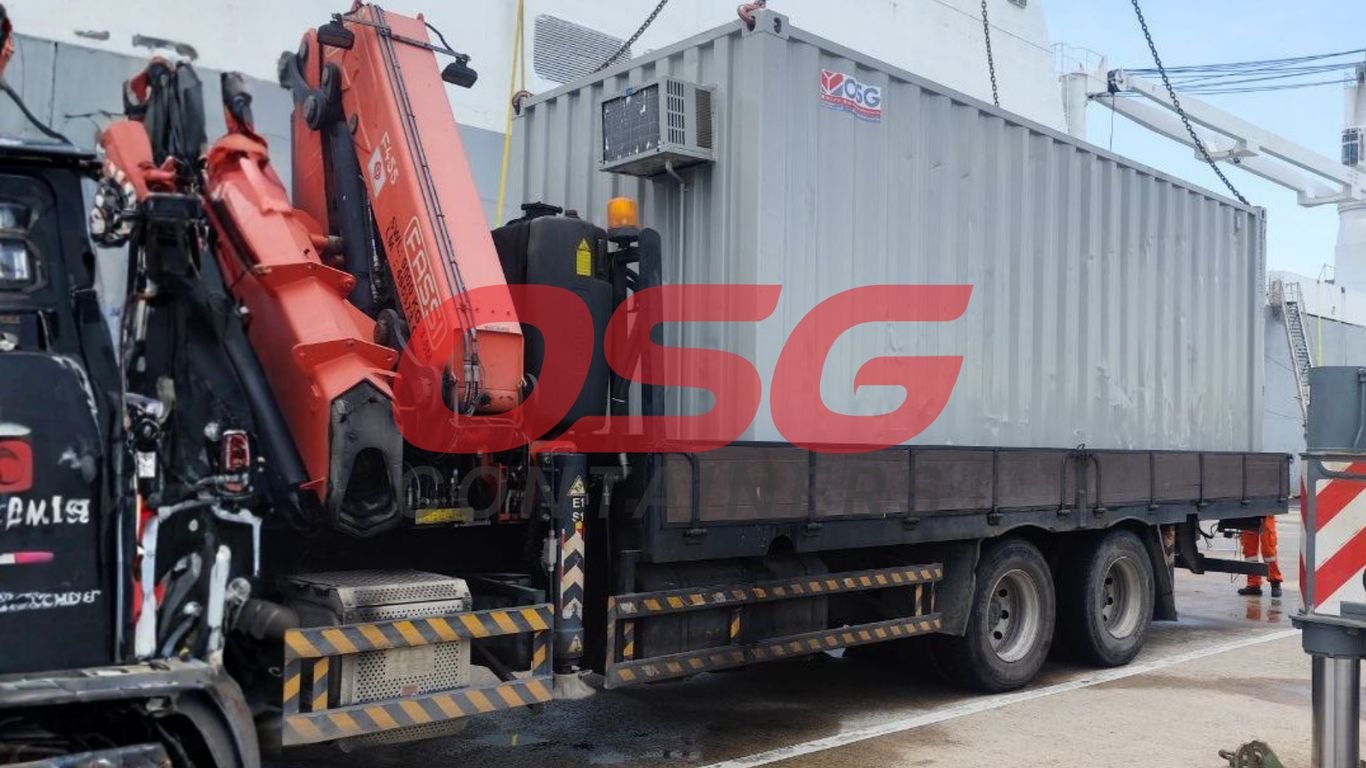
When you’re moving goods around the globe, chances are you’ve seen them – those big metal boxes stacked high on ships, trains, and trucks. The 40-foot container, often called a ‘cont 40 feet’, is pretty much the standard for a reason. It’s a workhorse that keeps international trade moving. But knowing just the length isn’t enough. There’s a lot more to these containers than meets the eye, from how much they can actually hold to the different types available for specific jobs. Let’s break down what you really need to know.
Key Takeaways
- A standard 40 foot container has external dimensions of 40′ L x 8′ W x 8’6″ H, but internal space is slightly less due to wall thickness.
- These containers offer significant cargo capacity, typically around 2,390 cubic feet, making them suitable for large shipments.
- Understanding tare weight and maximum payload is vital to avoid exceeding legal weight limits and potential fines.
- Different types of 40 foot containers exist, like High Cube, Open-Top, Flat-Rack, and Refrigerated, each designed for specific cargo needs.
- Always check container markings like the CSC plate and unique container numbers for safety, compliance, and tracking purposes.
Understanding 40 Foot Container Dimensions
So, you’re looking at shipping some stuff, maybe a lot of stuff, and you keep hearing about these 40-foot containers. They’re pretty much everywhere in global shipping, and for good reason. They’re big, they’re sturdy, and they can move a ton of cargo. But what exactly are we talking about when we say ’40 foot’? It’s not just a number; it’s a standard that means these boxes are built to specific sizes, no matter where they come from or where they’re going. Knowing these dimensions is super important, whether you’re trying to figure out if your furniture will fit or if you’re planning out a whole shipment for your business. Get it wrong, and you could be looking at delays, extra costs, or cargo that just doesn’t fit.
External Dimensions Of A 40 Foot Container
When people talk about a 40-foot container, they’re usually referring to its outside measurements. These are pretty much set in stone thanks to international standards, specifically ISO 668. This means a standard 40-foot container will always measure:
- Length: 40 feet (12.19 meters)
- Width: 8 feet (2.44 meters)
- Height: 8 feet 6 inches (2.59 meters)
These external dimensions are what you see when the container is sitting there. They’re important for planning how much space it will take up on a truck, a train, or a ship, and also for making sure it can actually get to where it needs to go, like through gates or down narrow roads.
Internal Space And Usable Volume
Now, the inside is where you actually put your stuff, and it’s a bit different from the outside. Because the container walls are made of thick, corrugated steel, you lose a little bit of space all around. So, while the outside is 40 feet long, the inside length is usually around 39 feet 5 inches (12.03 meters). The width shrinks a bit too, down to about 7 feet 7 inches (2.35 meters), and the height is typically around 7 feet 9 inches (2.39 meters). This gives you a total usable volume of about 2,390 cubic feet (67.7 cubic meters). It’s still a massive amount of space, but it’s good to know the exact numbers so you don’t plan on fitting something that’s just a few inches too big.
It’s easy to think the internal space is just a bit less than the external, but the difference adds up. Always plan with the internal dimensions in mind to avoid surprises when loading.
Door Opening Dimensions For Loading
This is a big one that people sometimes forget. You might have plenty of internal space, but can your biggest item actually get through the door? The door opening is narrower and shorter than the internal dimensions. For a standard 40-foot container, the door opening is usually about 7 feet 8 inches wide (2.34 meters) and 7 feet 6 inches high (2.28 meters). If you’re shipping large machinery, furniture, or anything bulky, you absolutely need to measure it against these door dimensions before you book. Trying to force something through or realizing it won’t fit after the container arrives is a major headache and can cost a lot of money to sort out.
Key Specifications Of A 40 Foot Standard Container
So, you’re looking at a 40-foot container. It’s a pretty standard piece of equipment in the shipping world, and knowing its specs is super important before you start loading it up. It’s not just about shoving stuff in; there are actual numbers you need to pay attention to.
Tare Weight And Maximum Payload
First off, let’s talk weight. Every container has a tare weight, which is just what the empty container itself weighs. For a standard 40-footer, this is usually around 8,268 lbs (3,750 kg). But the real number you care about is the maximum payload. This is the most weight you can actually put inside the container. For a standard 40ft, that’s typically around 58,000 lbs (26,300 kg). Exceeding this limit can cause serious problems, from fines to safety hazards during transport. Always check the specific container’s CSC plate for its exact limits.
Pallet Capacity And Load Planning
If you’re shipping goods on pallets, knowing how many fit is key for efficient loading. A standard 40-foot container can usually hold about 25 Euro pallets or 21 standard US pallets. This isn’t an exact science, though, as the way you stack them matters. Good load planning means you’re not wasting space and you’re distributing the weight evenly. Remember, even if you have space, you can’t go over that maximum payload we just talked about.
Volume And Storage Capabilities
When we talk about volume, we’re looking at how much stuff can fit inside. A standard 40-foot container offers about 2,390 cubic feet (67.7 cubic meters) of space. This is a decent amount, but it’s less than a 40 foot high cube (40 hq) container, which gives you extra height. Think of it like this:
- Standard 40ft: Good for general cargo, machinery, and goods that aren’t excessively tall.
- 40ft High Cube (40 hq): Better if you have taller items or want to maximize vertical space.
So, while the standard 40ft is a workhorse, knowing the difference between it and a high cube can be a game-changer for your storage and shipping plans.
Understanding these specifications isn’t just about numbers on a page; it’s about practical planning. It helps you avoid costly mistakes, ensures your cargo arrives safely, and makes the whole shipping process much smoother. Don’t skip this step!
Choosing The Right 40 Foot Container Type
So, you’ve decided a 40-foot container is the way to go for your shipment. That’s great! But did you know there isn’t just one kind? Depending on what you’re shipping, you’ll want to pick the right specialized container. It’s not just about fitting your stuff inside; it’s about making sure it gets there safely and without a hitch.
40 Foot High Cube For Extra Height
Sometimes, a standard container just doesn’t cut it because your cargo is a bit too tall. That’s where the 40-foot High Cube comes in. It’s basically a standard 40-footer but with an extra foot of height. This extra space can make a big difference for bulky items or when you’re trying to maximize every inch of space.
- Added height: Offers more vertical room for taller goods.
- Similar footprint: Takes up the same ground space as a standard 40-footer.
- Ideal for: Tall machinery, stacked goods, or items that need a bit more breathing room.
40 Foot Open-Top For Oversized Cargo
What if your cargo is too tall to even fit through the doors of a standard or high cube container? Or maybe it’s awkwardly shaped? An open-top container is your answer. Instead of a solid roof, it has a removable tarpaulin cover. This means you can load cargo from the top, usually with a crane. It’s super handy for things like construction equipment or large industrial parts that just won’t go in through the doors.
40 Foot Flat-Rack For Out-Of-Gauge Loads
Now, for the really unusual stuff – things that are wider or longer than a regular container. That’s what a flat-rack is for. It’s essentially a strong base with sides that fold down or are completely open. You can load cargo onto it from the sides and top, and it can handle some seriously heavy and oversized items like vehicles, boats, or massive industrial components. These are built for cargo that just doesn’t fit in any box.
40 Foot Refrigerated For Temperature Control
Got anything that needs to stay chilled or frozen? We’re talking about things like fresh produce, pharmaceuticals, or certain chemicals. For these, you need a 40-foot reefer container. These units have a built-in refrigeration system that keeps the temperature exactly where you need it. They’re a bit heavier and take up slightly more space inside due to the cooling equipment, but they are absolutely vital for protecting sensitive cargo. You’ll see these used a lot for reefer cargo shipments.
Compliance And Identification Markings
So, you’ve got your 40-foot container picked out. But before it heads out on its journey, it’s gotta have the right markings. Think of it like a passport for your cargo – these labels tell everyone what it is, where it’s from, and that it’s safe to handle. It’s all about making sure things run smoothly whether it’s on a ship, a train, or a truck.
Understanding ISO Codes
These codes are pretty much the universal language for shipping containers. The main one you’ll see is the ISO 6346 code. It’s a mix of letters and numbers that tells you who owns the container and what type it is. You’ll see a four-letter code, usually ending in U, J, or Z, followed by six digits and a final check digit. This whole system is managed by the Bureau International des Containers (BIC), so sometimes you’ll hear it called a BIC-Code. It helps keep track of who’s who in the container world.
There’s also the ILU-Code, which popped up to help with swap bodies and containers in Europe. It follows a similar format but has different ownership codes. The important thing is that these codes are standardized, so no matter where your container goes, people can identify it.
The Importance Of The CSC Plate
This is a big one. The CSC plate, which stands for Convention for Safe Containers, is basically a safety certificate. It’s a metal plate attached to the container that shows it meets all the safety requirements for international travel. You’ll find details like the container’s maximum gross weight, its tare weight, and when it was last inspected. It’s a legal requirement for any container moving internationally, and without it, your container isn’t going anywhere. It also tells you about its stacking strength, which is super important for how high they can stack them on ships.
Here’s what you’ll typically find on a CSC plate:
- Container Owner/Operator Code: The BIC code.
- Date of Manufacture: When the container was built.
- CSC Expiry Date: When the next inspection is due.
- Maximum Gross Weight: The absolute heaviest the container can be when loaded.
- Tare Weight: The weight of the empty container.
- Stacking Load (Forward/Rear): How much weight it can handle when stacked.
- Racking Load (Max): The load it can handle when being lifted by corner fittings.
Container Numbers For Tracking
Every single container gets its own unique identification number. It’s usually a combination of four letters and six numbers, followed by a single check digit. This number is like a social security number for the container. It’s how shipping lines, freight forwarders, and even you can track the container’s journey from origin to destination. When you book a shipment, this number is key for checking its status and making sure it’s on the right track. It’s pretty amazing how these numbers connect everything across the globe.
These identification markings aren’t just for show; they are vital for the smooth operation of global trade. They ensure safety, accountability, and efficient movement of goods across different modes of transport and international borders. Without them, the whole system would be chaotic.
Practical Checks Before Booking A Container
So, you’re ready to book a 40-foot container. That’s great! But before you hit that ‘confirm’ button, there are a few things you really should check. Trust me, doing these checks upfront can save you a massive headache, not to mention a good chunk of cash, down the line. It’s like double-checking your packing list before a big trip – better safe than sorry.
Measuring Cargo Against Door Openings
This is a big one. You might think, ‘My stuff fits inside the container, so it’ll fit through the door, right?’ Not always. Always measure your largest items against the container’s door opening dimensions. Sometimes, a piece of equipment might be long and thin, fitting easily inside, but its width or height might be just a bit too much for the door. It’s a simple measurement, but it’s super important.
Ensuring Proper Weight Distribution
We all know containers have weight limits, but how you load them matters too. You don’t want all the heavy stuff piled up on one side or end. That can make the container unstable during transit, which is a big safety no-no. Try to distribute the weight as evenly as possible. Think about placing heavier items on the bottom and towards the center. This helps keep things balanced on the truck, train, or ship. It’s also good to know the maximum payload for your specific container type. Some specialized containers, like those used for office containers for rent, might have different weight considerations.
Verifying Container Condition and Availability
When you book, especially if you need a specific type like a 40-foot high cube or a refrigerated unit, make sure it’s actually available and in good shape. A quick look for major dents, rust spots, or holes in the walls and roof is a good idea. You don’t want your cargo arriving damaged because the container wasn’t up to par. Also, if you’re in a location like Singapore (container sg), availability of certain types might be tighter, so confirming this early is key.
Don’t just assume the container you book will be perfect. A little bit of due diligence goes a long way in preventing surprises during the shipping process. It’s about being prepared and making sure your goods travel safely and efficiently.
Moving And Placing A 40 Foot Container On-Site
So, you’ve got your 40-foot container, and now it’s time to get it where it needs to be. This isn’t like parking a car; it takes some serious planning and the right gear.
Site Preparation For Delivery
First things first, you need to make sure your site is ready. Think about the delivery truck – it’s a big rig, and it needs space. We’re talking about needing about 120 feet of clear space just to drive in and maneuver. Plus, you’ll want to check for overhead obstructions; 16 feet of vertical clearance is a good rule of thumb. And don’t forget the sides – give yourself about 10 feet of width on either side of the path the truck will take. It sounds like a lot, but trust me, you don’t want the driver getting stuck or having to make a risky turn.
Ground Requirements For Weight Bearing
This is a big one that people often overlook. A loaded 40-foot container is heavy. Really heavy. Each corner can put a ton of pressure on the ground – think around 15,000 to 17,000 pounds. If your ground is soft, muddy, or uneven, the container can sink, tilt, or even damage itself. You might need to lay down gravel, pour a concrete pad, or use steel plates to spread that weight out evenly. For a temporary spot, sturdy, treated lumber blocks can work, but make sure they’re rated for the load. You don’t want your expensive cargo sitting on a lopsided foundation.
Equipment Needed For Handling
Moving these containers isn’t a DIY job. You’ll need specialized equipment. This usually means a crane with a good lifting capacity or a heavy-duty tilt-bed truck. Trying to move it yourself with the wrong gear is a recipe for disaster and can be really dangerous. Always remember, never try to lift a container by its doors, roof, or side panels. Those parts aren’t built for that kind of stress.
The orientation of the container doors is something to consider before it’s even placed. Once it’s down and loaded, moving it again can be a major hassle and expense, especially if you’re in a tight spot. Plan where you want those doors to face from the start.
Here’s a quick rundown of what you’ll need to think about:
- Clearance: Ensure enough space for the delivery truck to maneuver (around 120 ft horizontal, 16 ft vertical, 10 ft width).
- Ground Stability: Prepare the ground to handle significant weight concentration at the corners.
- Lifting Gear: Arrange for appropriate equipment like cranes or specialized trucks for placement.
- Safety First: Never attempt to lift or move the container using its doors or panels.
Legal Weight Limits And Safety
Every time a 40-foot container goes out on the road, rails, or ship, someone has to worry about how much it weighs. Knowing legal weight limits isn’t just smart; it’s required by law. Let’s break down what you’ll run into depending on how you’re moving this enormous steel box.
Understanding Road Transport Weight Regulations
Weight limits aren’t the same everywhere—where your container goes changes the exact rules. Overloading can mean huge fines and even impoundment.
| Jurisdiction | Maximum Gross Vehicle Weight | Max Cargo in 40′ Container |
|---|---|---|
| United States (DOT) | 80,000 lb (36,287 kg) | ~45,000–50,000 lb (20,000–22,680 kg)* |
| EU (Directive 96/53) | 36,000 kg (79,366 lb) | ~24,000–27,000 kg* |
*Actual cargo depends on truck and trailer weight.
Quick checkpoints:
- Always include truck and trailer weight in your calculations.
- Each state or country may have extra requirements (axle limits, permits, etc.).
- Exceeding limits puts your shipment and road users at risk.
Cargo Capacity On Rail Transport
If you’re shipping by rail, weight limits are a little different. North American railroads can move more weight than the highways allow.
| Transport Mode | Max Gross Weight (40′ Container) |
|---|---|
| US Rail | 67,200 lb (30,500 kg) |
| Road (US) | 80,000 lb (36,287 kg, includes truck/trailer) |
Rail is often used for heavy, dense loads that might max out a container’s design limits before running out of space.
Safety Gear And Best Practices
The safer you load and handle containers, the better it is for everyone. Before moving or working around containers, it’s important to have the right gear and strategies. Here’s a go-to safety checklist:
- Wear steel-toe boots and gloves — dropped loads or sharp edges aren’t uncommon.
- Hard hats are a must, especially when cranes or lift trucks are in use.
- Make sure high-visibility vests are worn if you’re working around moving vehicles or at busy yards.
- Never stand under a suspended load — wait until the container is securely in place.
- Double-check securing points before lifting or trucking out.
Mishaps with heavy containers can wreck equipment, delay shipments, or worse. Adding a few minutes for safety checks always beats the disaster of an accident.
Staying within legal and safe weight limits is about more than rules—it’s about people getting home safe at the end of the day. A little extra attention to limits and gear goes a long way.
So, What’s the Big Deal with 40-Foot Containers?
Look, these big metal boxes, especially the 40-footers, are basically the workhorses of getting stuff from point A to point B all over the planet. They’re pretty standard, which is why they work so well. Knowing their size, how much they can hold, and even how to check them before you book can really save you some headaches and cash. Whether you’re moving your whole house or shipping products for your business, getting the details right means your stuff arrives safe and sound. It’s not rocket science, but a little bit of planning goes a long way.
Frequently Asked Questions
What are the exact outside measurements of a 40-foot container?
A standard 40-foot container is 40 feet long, 8 feet wide, and 8 feet 6 inches tall. Think of it as a big, strong metal box that’s pretty much the same size all over the world.
How much stuff can actually fit inside a 40-foot container?
While the outside is 40 feet long, the inside space is a little less because of the thick walls. You get about 39.5 feet of length, 7.7 feet of width, and 7.8 feet of height to fill up.
What’s the difference between a standard 40-foot container and a High Cube?
The main difference is height! A High Cube container is about a foot taller than a standard one, giving you more room for taller items. Everything else, like length and width, stays the same.
Can I put really heavy items in a 40-foot container?
Yes, but you have to be careful! While a container can hold a lot, there’s a maximum weight limit, usually around 58,000 pounds for the cargo itself. Always check the specific limits to avoid fines or damage.
What if my cargo is too big for the container doors?
That’s where special containers like Open-Top or Flat-Rack come in handy. Open-Tops let you load from the top with a crane, and Flat-Racks are like sturdy platforms for items that stick out.
How do I know if a container is safe and ready for shipping?
Look for the CSC plate! It’s like a sticker that tells you the container is approved for shipping and lists its maximum weight. Also, always check the container for any damage before you book it.