Singapore
 Australia
 Indonesia
 Japan
Japan Malaysia
 New Zealand
 Philippines
 South Korea
 Taiwan
 Thailand
 VIETNAM
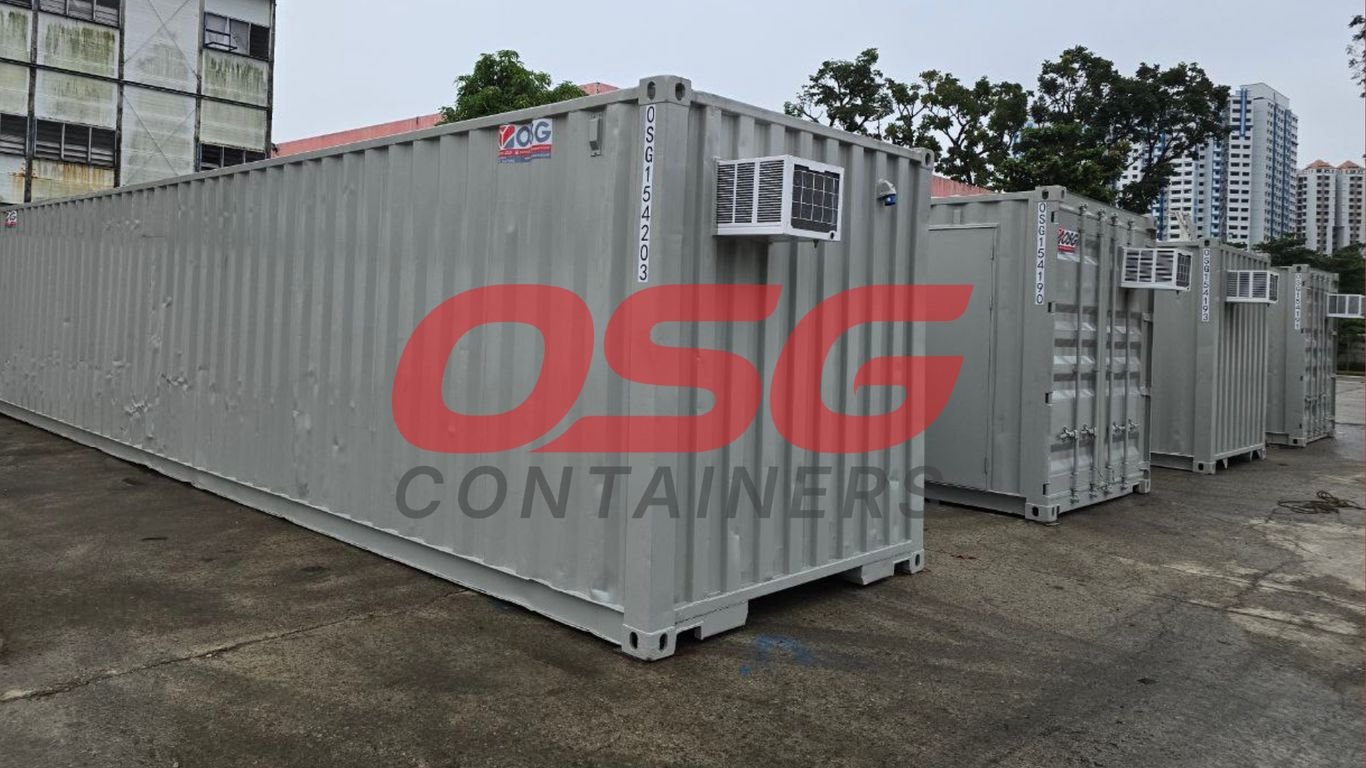
Shipping things that can go bad, like food or medicine, needs extra care. Regular containers are fine for dry goods, but for items needing a specific temperature, they just won’t work. This is where 40ft refrigerated containers, or ‘reefers,’ really come into their own. They’re built to create a controlled environment, keeping your sensitive cargo safe from the outside world.
Key Takeaways
- Reefer refrigerated containers are essential for transporting perishable goods, maintaining precise temperature control to prevent spoilage and waste.
- These containers shield cargo from extreme environmental conditions, ensuring product integrity and quality throughout transit.
- Using a reefer refrigerated container helps meet strict regulatory compliance, especially for food and pharmaceutical industries.
- Despite higher initial costs, reefer refrigerated containers offer long-term cost-effectiveness through reduced product loss and durable construction.
- Modern reefer refrigerated containers feature advanced capabilities like humidity regulation and adjustable ventilation for diverse cargo needs.
Understanding The Core Functionality Of A Reefer Refrigerated Container
So, you’ve got stuff that needs to stay cold, right? Whether it’s fresh produce, frozen meats, or even certain medicines, getting them from point A to point B without them going bad is a big deal. That’s where refrigerated containers, or ‘reefers’ as everyone calls them, come into play. They’re not just fancy boxes; they’re basically mobile, super-insulated refrigerators built to handle the rough and tumble of shipping.
Shielding Cargo From Environmental Extremes
Think of a reefer container as a high-tech thermos for your goods. Its walls, floor, and ceiling are packed with thick insulation. This isn’t just for show; it’s what keeps the outside world’s temperature from messing with your cargo. Whether it’s scorching heat on a dock or a chilly night during transit, the insulation works to keep the inside temperature steady. This protection is key for anything sensitive, stopping those wild temperature swings that can ruin a whole shipment.
Maintaining Product Integrity and Quality
Keeping things cold is one thing, but keeping them just right is another. Different items have different temperature needs. For instance, your fresh berries might need to stay around 2°C, while frozen fish needs to be at -18°C or even colder. Reefers can be dialed into these specific temperatures, and some advanced models can even control humidity and the air inside. This precise control slows down spoilage and keeps your products tasting and looking fresh, just like they should.
Here’s a quick look at what some common reefers can handle:
| Reefer Type | Approximate Temperature Range |
|---|---|
| 20ft Standard Reefer | -30°C to +30°C |
| 40ft High Cube Standard | -35°C to +30°C |
| 40ft High Cube Super Freezer | -60°C to -20°C |
Controlled Atmosphere in Shipping Container
Beyond just temperature, modern reefers can also manage the air inside. This is called a Controlled Atmosphere (CA) system. It’s like giving your cargo its own breathable environment. By adjusting levels of oxygen and carbon dioxide, these systems can significantly slow down the ripening process for fruits and vegetables or prevent certain types of decay. This advanced control is what truly separates a reefer from a regular container and is vital for preserving the quality of highly sensitive goods over long journeys.
The core idea behind a reefer is to create a stable, controlled environment that shields the cargo from external fluctuations. It’s a combination of robust insulation and a powerful, reliable refrigeration unit working together to maintain the precise conditions required by the goods inside, no matter the journey.
Minimizing Spoilage And Reducing Waste With Reefer Containers
When you’re shipping anything that can go bad, like food or medicine, you need to be extra careful. Standard shipping containers are fine for dry stuff, but they won’t cut it for items that need a specific temperature. That’s where these 40ft refrigerated containers, or ‘reefers’ as they’re called, really shine. They’re built to create a controlled environment, keeping your sensitive cargo safe from the outside world.
Minimizing Spoilage and Reducing Waste
The biggest win with these containers is how well they keep your cargo fresh and safe. Think about fruits, vegetables, dairy, or even medicines. Without the right temperature, these items can go bad quickly, leading to big losses. A 40ft reefer container has a powerful refrigeration unit that can hold a steady temperature, often between -40°F and 86°F. This means your goods are protected from the heat outside, no matter how long the trip or where it’s going. It’s like having a mobile, controlled environment for your sensitive items. Because these containers maintain such precise temperature control, they significantly cut down on spoilage. Less spoilage means less waste, which directly impacts your bottom line. If you’re in the food business, this can mean the difference between a profitable shipment and a costly loss. Businesses that buy new shipping containers often do so specifically to improve their cold chain management and reduce these kinds of losses. It’s a smart move for any company dealing with perishable goods.
Protecting Perishable Goods During Transit
These containers are like a mobile, insulated vault. They’re designed to keep the inside temperature steady, no matter what’s happening outside. Think about shipping fresh berries from California to New York. Without a reefer, the heat of the summer sun or a cold snap in the mountains could ruin the whole batch. The reefer’s cooling unit works hard to maintain the set temperature, protecting the cargo from these wild swings. This means your produce, pharmaceuticals, or any other temperature-sensitive item stays in good condition throughout the journey. It’s a big deal for keeping things fresh and usable.
Enhancing Shelf Life for Wider Market Access
It’s not just about keeping things cold; it’s about keeping them right. Different products have different needs. For example, fresh fruits and vegetables might need a temperature between 0°C and 13°C, depending on the item. Leafy greens like to be kept close to freezing, while citrus fruits can handle a bit warmer. Frozen goods, like seafood or meat, need to be kept at -18°C or colder. Some specialized items, like certain biologics, might even need temperatures as low as -60°C. Reefers can be set to these precise ranges, and some even have features to control humidity and gas levels. This careful control helps slow down ripening or prevent spoilage, keeping the product as close to its original state as possible. This precise environmental control is key to maintaining the quality and safety of perishable goods. By protecting sensitive products from spoilage, reefer containers minimize loss, reduce waste, and enhance profitability. Whether transporting ice cream, vaccines, or exotic blooms, their adjustable temperature and humidity settings cater to a wide range of goods.
Ensuring Consistent Cold Chain Reliability
When you’re moving anything that can go bad, like food or medicine, you need to be extra careful. Standard shipping containers are fine for dry stuff, but they won’t cut it for items that need a specific temperature. That’s where these 40ft refrigerated containers, or ‘reefers’ as they’re called, really shine. They’re built to create a controlled environment, keeping your sensitive cargo safe from the outside world.
Ensuring Consistent Cold Chain Reliability
These containers are basically high-tech refrigerators on wheels, or rather, on ships and trains. They have these really sophisticated systems that constantly monitor and adjust the temperature. If something goes a little off, alarms go off immediately, and the system tries to fix it. This constant attention means your cargo is protected, even on long trips across different climates. It’s this steady reliability that keeps sensitive items like pharmaceuticals or fresh produce in good condition. You can really count on them to do their job.
Temperature Control For Diverse Perishables
It’s not just about keeping things cold; it’s about keeping them right. Different products have different needs. For example, fresh fruits and vegetables might need a temperature between 0°C and 13°C, depending on the item. Leafy greens like to be kept close to freezing, while citrus fruits can handle a bit warmer. Frozen goods, like seafood or meat, need to be kept at -18°C or colder. Some specialized items, like certain biologics, might even need temperatures as low as -60°C. Reefers can be set to these precise ranges, and some even have features to control humidity and gas levels. This careful control helps slow down ripening or prevent spoilage, keeping the product as close to its original state as possible. This precise environmental control is key to maintaining the quality and safety of perishable goods.
Moisture Control For Optimal Product Condition
Keeping things at the right temperature is the main job, right? Well, these reefers do that with serious accuracy. They can hold temperatures from just above freezing all the way down to super cold, like -30°C, depending on what you’re shipping. Plus, they’re really good at controlling the moisture inside, which is a big deal for things like fresh produce or certain medicines. The insulation is top-notch, so the outside weather doesn’t mess with the inside climate.
- Maintains specific temperature ranges: From chilled to frozen, with tight control.
- Controls internal humidity: Prevents drying out or excessive moisture.
- High-quality insulation: Minimizes temperature fluctuations from external conditions.
Without these containers, the cold chain would break, and many goods wouldn’t survive the journey. Today’s technology makes them even more reliable with features like remote tracking and data logging, giving you peace of mind.
Meeting Strict Regulatory Compliance For Sensitive Cargo
When you’re shipping things that can go bad, like food or medicine, there are a lot of rules you have to follow. Standard shipping containers just won’t cut it for items that need a specific temperature. That’s where refrigerated containers, or ‘reefers,’ really come in handy. They’re built to create a controlled environment, keeping your sensitive cargo safe from the outside world and making sure you don’t run into trouble with regulations.
Compliance With Industry Regulations And Best Practices
Many industries, especially pharmaceuticals and food service, have really strict rules about how products must be transported and stored. Using a reefer container helps you meet these requirements. The consistent temperature and humidity control, along with digital monitoring systems, provide a clear record that you’ve followed all the necessary guidelines. This compliance is vital for avoiding fines and maintaining your business’s reputation. It’s like having a mobile guard house for your cargo, making sure it stays within the approved parameters the whole trip.
- Pre-cooling is key: Always make sure the container is cooled down to the right temperature before you load your goods. This helps the unit maintain the set temperature more easily.
- Accurate settings: Double-check that the refrigeration unit is set to the exact temperature required for your specific cargo.
- Regular check-ups: Keep up with the maintenance schedule for the refrigeration unit. A well-serviced unit is less likely to fail.
Maintaining Cargo Integrity and Compliance
Reefer containers utilize advanced temperature control technologies to achieve the desired temperature range. These technologies can range from compressor-based systems that use refrigerants to cool the container quickly, to cryogenic systems using liquid nitrogen or carbon dioxide. Furthermore, modern reefers come equipped with sophisticated monitoring systems that track real-time data. This means any deviations in temperature or humidity levels can be quickly addressed by staff members on duty. This constant oversight is what helps maintain cargo integrity and proves you’re meeting all the necessary standards.
The data logs from these containers are incredibly useful. They provide a detailed history of the journey, showing exactly what temperature the cargo was kept at, and for how long. This documentation is often required by regulatory bodies and can be a lifesaver if any questions or issues arise about the condition of the goods upon arrival.
This consistent temperature control isn’t just a nice-to-have; it’s a necessity for many products. These containers provide that reliable control, protecting your investment and your customers’ satisfaction while keeping you on the right side of the law.
Cost-Effectiveness And Durability Of Reefer Refrigerated Containers
When you’re shipping stuff that needs to stay cold, it might seem like a big expense at first. But honestly, when you look at the whole picture, these 40ft reefer containers actually save you money in the long run. They prevent spoilage, which is a huge cost saver. Think about it: a whole shipment of fruit or medicine going bad because the temperature wasn’t right? That’s a total loss. Reefers keep that from happening.
Cost-Effectiveness and Reliability
While buying or renting a reefer container costs more than a standard one, the real savings come from avoiding product loss. Plus, they are built tough. They’re made of steel, so they can handle rough journeys and keep your goods safe. This durability means fewer repairs and replacements over time. It’s like buying a good quality tool; it costs more initially but lasts way longer and works better. These containers are basically high-tech refrigerators on ships and trains. They have really sophisticated systems that constantly monitor and adjust the temperature. If something goes a little off, alarms go off immediately, and the system tries to fix it. This constant attention means your cargo is protected, even on long trips across different climates. You can really count on them to do their job.
Reducing Transportation Expenses
The initial investment in a reefer container might seem high, but the reduction in product spoilage quickly offsets this. Imagine losing an entire shipment of high-value pharmaceuticals or fresh produce due to temperature fluctuations. The cost of that loss far outweighs the expense of a reliable reefer unit. Furthermore, their robust construction, typically from high-strength steel, means they can withstand the rigors of international shipping, including harsh weather and constant movement. This resilience translates to a longer service life and fewer unexpected repair bills compared to less durable alternatives. They are designed to be wind and watertight, just like regular shipping containers, but with that added layer of temperature control. This means they’re not just protecting your goods from getting too warm or too cold, but also from rain, salt spray, and general wear and tear during transit.
Durable Construction for Secure Transport
Reefer containers are built like tanks. They’re typically made from strong steel, which means they can take a beating during transit, whether that’s on a bumpy truck ride or rolling across the ocean. This tough exterior protects your sensitive cargo from external damage and the elements. Inside, they have excellent insulation to keep the temperature steady, and the floors are often designed with T-shaped slats to help circulate the cold air evenly. This attention to detail in construction means your goods are not only kept at the right temperature but are also physically secure throughout the entire journey. You can get a good look at container condition before buying, checking for things like flooring quality and door seals, which are key for maintaining that controlled environment. Buying a used container can be a smart move if you inspect it properly, looking for a solid build and functional equipment, maybe even checking for a Pre-Trip Inspection certificate if it’s a reefer unit. They are designed to be compatible with standard handling equipment, fitting seamlessly into existing logistics chains, much like an iso tank would.
Advanced Features Of Modern Reefer Refrigerated Containers
Advanced Temperature Control Capabilities
Modern reefer containers are way more than just insulated boxes with a cooling unit. They’ve got some pretty sophisticated tech packed inside to keep your cargo in perfect condition. The real game-changer is the precision temperature control. We’re talking about digital panels that let you dial in the exact temperature your goods need, whether that’s just above freezing for fresh produce or way down into the negatives for frozen items. These systems are designed to maintain that temperature consistently, no matter what the weather is doing outside. It’s like having a mobile, super-reliable cold room that travels with your shipment.
Humidity Regulation For Specific Goods
Beyond just temperature, a lot of modern reefers can also manage the humidity levels inside. This is super important for certain types of cargo. Think about fresh flowers, certain pharmaceuticals, or even some types of produce – they can get ruined if it’s too dry or too moist. These containers have systems that can add or remove moisture to keep things just right. It really helps extend the life and quality of these sensitive items.
- Flowers: Need a specific humidity to stay fresh and vibrant.
- Pharmaceuticals: Many medicines require very stable humidity to remain effective.
- Certain Produce: Some fruits and vegetables can spoil quickly if the humidity isn’t controlled.
Adjustable Ventilation Systems
Another neat feature is the adjustable ventilation. This system allows for the circulation of fresh air within the container. Why does this matter? Well, as goods respire or if there are any off-gassing issues, the air quality inside can change. Proper ventilation helps remove stale air, prevents the buildup of unwanted gases like ethylene (which can speed up ripening), and helps maintain a consistent atmosphere. You can often tweak these settings based on what you’re shipping, making sure everything stays in the best possible condition.
Controlling the internal environment goes beyond just temperature. Managing humidity and air circulation are key to preventing spoilage and maintaining the integrity of sensitive goods during long transit periods. This level of control is what truly sets modern reefers apart.
The Bottom Line on Reefers
So, when it comes to getting your delicate goods from point A to point B without them going bad, these 40-foot refrigerated containers are pretty much the go-to solution. They keep things at just the right temperature, no matter if it’s a short trip or a journey across the ocean. This means less waste, happier customers, and a smoother operation for businesses that deal with anything that needs to stay cool. They really are a key part of how we get so many different kinds of products, from your morning fruit to important medicines, delivered safely and still in good shape.
Frequently Asked Questions
What exactly is a reefer container and why is it different from a regular one?
A reefer container is like a special moving box with its own air conditioner and heater built-in! Regular containers are just empty boxes, but reefers have a cooling unit that keeps the temperature inside just right for things like food or medicine. They’re super important for keeping stuff from going bad during a long trip.
How do reefers keep my food from spoiling on a long journey?
Reefers work by keeping a steady, cold temperature inside. Imagine shipping fresh berries from sunny California to a cold place like Maine. The reefer’s machine makes sure the berries don’t get too hot or too cold, no matter what the weather is like outside. This keeps them fresh and tasty until they reach their destination.
Can reefers keep different kinds of food at their own special temperatures?
Yes, they can! Different foods need different temperatures. For example, ice cream needs to be super frozen, while fresh lettuce likes it just a little bit above freezing. Reefers can be set to very exact temperatures, so your ice cream stays frozen and your lettuce stays crisp, all at the same time in different trips.
Are reefers expensive to use compared to regular containers?
While a reefer container might cost a bit more to rent or buy than a plain one, it actually saves money in the long run. It stops your valuable food or medicine from spoiling, which would be a much bigger loss. Plus, they are built really tough, so they last a long time.
Do I need a reefer container if I’m shipping medicine?
Absolutely! Many medicines, especially vaccines, need to be kept at very specific temperatures to stay effective and safe. Using a reefer container ensures that these important medical supplies are protected from temperature changes during shipping, so they work when people need them.
What happens if the reefer’s cooling system breaks down during a trip?
Modern reefers have smart systems that constantly check the temperature. If something goes wrong with the cooling, alarms usually go off right away. The people in charge can then try to fix it quickly or move the cargo to another reefer. They are built to be very reliable, but there are always backup plans just in case.