Singapore
 Australia
 Indonesia
 Japan
Japan Malaysia
 New Zealand
 Philippines
 South Korea
 Taiwan
 Thailand
 VIETNAM
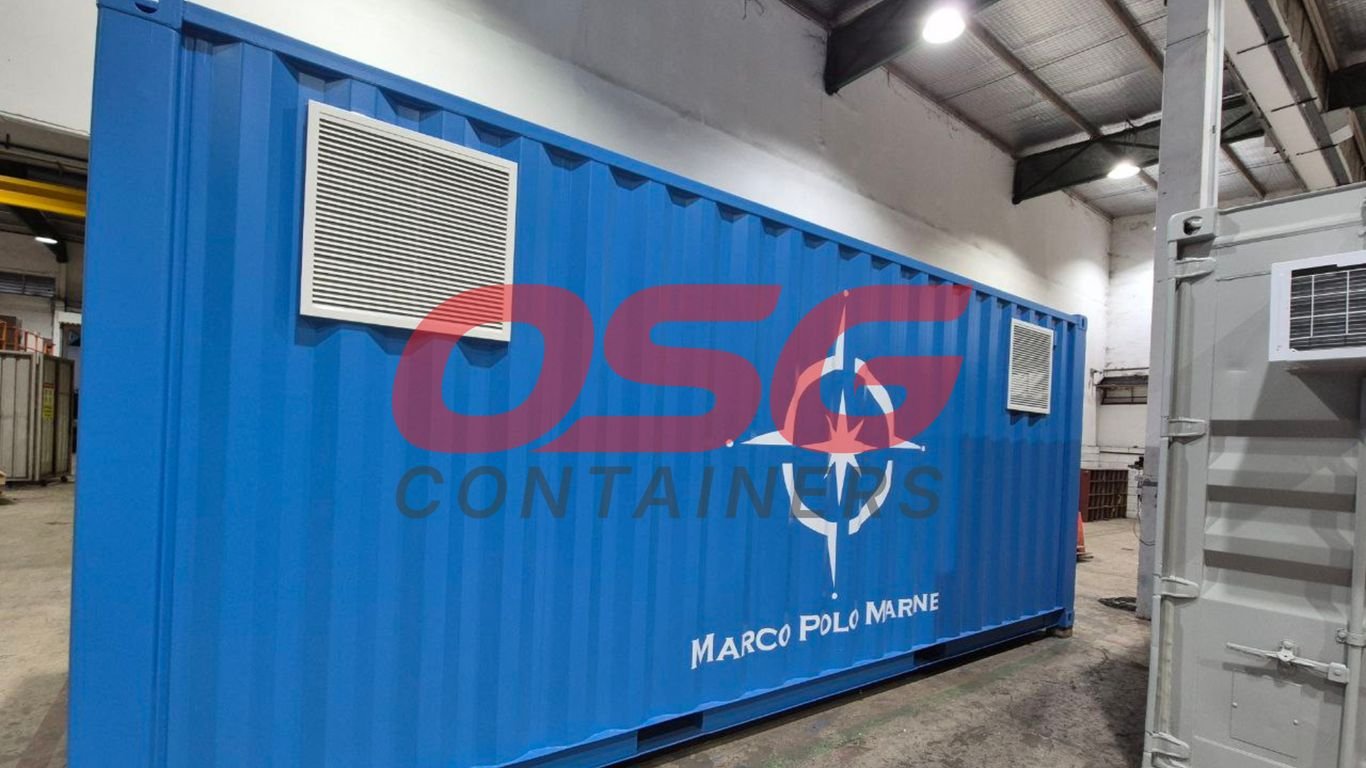
In today’s world, keeping things fresh and safe during shipping is super important. Think about all the food, medicine, and other stuff that needs to stay just right. That’s where reefer refrigerated containers come in. They’re like little moving refrigerators that keep your sensitive cargo in perfect condition, no matter how far it’s going. Businesses are really starting to see how useful these specialized containers are for making sure their products arrive just as they should.
Key Takeaways
- Reefer refrigerated containers are vital for keeping perishable goods fresh during transport, a necessity in global trade.
- Different types of reefer refrigerated containers exist, from standard models to specialized ones for very sensitive items, each with its own costs and uses.
- Using a reefer refrigerated container can save money by cutting down on spoiled goods and making sure products last longer.
- Businesses can either buy a reefer refrigerated container or rent one, and the best choice depends on how much they plan to use it and their budget.
- The future of reefer refrigerated containers involves smart technology, like sensors that track conditions, and more eco-friendly cooling methods.
Understanding The Essential Role Of Reefer Refrigerated Containers
What Are Reefer Refrigerated Containers?
Refrigerated containers, or "reefers" as they’re commonly called in the shipping world, are basically specialized shipping containers built to keep things at a specific temperature. Think of them as mobile refrigerators for huge loads. They’re not just standard metal boxes; they’re designed with thick insulation and a built-in refrigeration unit. This setup allows them to maintain a consistent temperature, whether it’s super cold for frozen goods or just chilled for fresh produce. They are the backbone for moving anything that can’t handle regular shipping temperatures, like fruits, vegetables, dairy, meat, seafood, and even certain medicines.
Primary Purpose Of Temperature-Controlled Transport
The main job of these reefers is pretty straightforward: keep temperature-sensitive stuff from going bad. This means preventing spoilage, maintaining quality, and extending the usable life of products. For businesses dealing with perishables, this is huge. It means less waste, fewer financial losses, and the ability to get products to customers far away while they’re still fresh. Without them, a lot of the food we eat, especially things that aren’t grown locally, just wouldn’t make it to our plates in good condition. It’s all about preserving the integrity of the cargo from the moment it’s packed until it reaches its final destination.
Key Benefits For Perishable Goods
Using reefers offers a bunch of advantages for anything that needs to stay cool:
- Extended Shelf Life: By keeping temperatures steady, reefers can significantly increase how long products stay fresh. This is a big deal for international shipping where transit times can be long.
- Reduced Spoilage and Waste: Consistent temperature control means fewer goods get ruined during transit. This directly translates to lower costs and less product being thrown away.
- Maintained Product Quality: From the crispness of lettuce to the potency of a vaccine, reefers help ensure that the product arrives looking and performing as it should.
- Access to Global Markets: They allow businesses to ship perishable items across continents, opening up new markets and opportunities that wouldn’t be possible otherwise.
The ability to control the internal environment of a shipping container is not just a convenience; it’s a necessity for many industries. It bridges the gap between where goods are produced and where they are consumed, ensuring safety and quality along the way.
Exploring The Diverse Types Of Reefer Refrigerated Containers
When you’re looking to ship temperature-sensitive goods, not all refrigerated containers are created equal. Think of it like choosing the right tool for a specific job; you wouldn’t use a hammer to screw in a bolt, right? The same applies here. The market offers a range of reefer containers, each designed with particular needs in mind. Understanding these differences can really help you pick the best option for your cargo, whether you’re looking at 10 storage containers for sale or a specific 20 reefer container for sale.
Standard Reefer Containers For General Perishables
These are your workhorses. Standard reefers are the most common type you’ll encounter. They’re built to maintain a steady temperature, making them perfect for a wide variety of everyday perishables like fruits, vegetables, dairy products, and some meats. They offer reliable temperature control without the fancy bells and whistles, which often translates to a more budget-friendly choice for businesses that don’t need ultra-precise conditions. They get the job done for most general food transport needs.
Specialized Containers For Sensitive Cargo
Now, if your cargo is a bit more delicate – think pharmaceuticals, certain biotech products, or even high-value flowers – you’ll want to look at specialized containers. These units often come with extra features. Some might have redundant cooling systems, meaning if one part fails, another kicks in immediately, which is a big deal when you can’t afford any temperature dips. Others have advanced monitoring that can track humidity and even gas levels, crucial for things that might spoil or degrade if the atmosphere isn’t just right. These containers are engineered for absolute precision and security.
Super Freezer Containers For Ultra-Low Temperatures
Some products need to be kept really cold. We’re talking about things like certain types of fish destined for high-end sushi markets, specialized medical samples, or specific vaccines that require deep freezing. Super freezer containers can achieve temperatures far below what a standard reefer can manage, often going down to -70°C (-94°F). They are built with robust insulation and powerful refrigeration systems to handle these extreme cold requirements.
Controlled Atmosphere Containers For Produce Preservation
For fresh produce, especially items that continue to ripen after harvest, controlled atmosphere (CA) containers are a game-changer. These aren’t just about keeping things cold; they actively manage the air inside the container. By adjusting the levels of oxygen, carbon dioxide, and nitrogen, CA containers can significantly slow down the ripening process and reduce spoilage. This means your fruits and vegetables can stay fresher for much longer during transit, reaching their destination in better condition. It’s like putting the produce in a state of suspended animation.
The choice of reefer container directly impacts the quality and shelf-life of your goods. Selecting the right type means less spoilage, happier customers, and a healthier bottom line for your business. It’s not just about moving goods; it’s about preserving their value.
Maximizing Efficiency With Reefer Refrigerated Containers
Extended Shelf Life and Reduced Waste
One of the biggest wins with using reefer containers is how much longer your products stay good. Think about it: keeping things at just the right cool temperature stops them from going bad too quickly. This means less stuff gets thrown away, which is good for your wallet and the planet. For businesses dealing with food, medicine, or anything that spoils, this extended freshness is a game-changer. It lets you ship things further and for longer without worrying as much about spoilage. This directly translates to fewer losses and a healthier bottom line.
Versatility Across Multiple Transportation Modes
Reefers aren’t just for ships, you know. They’re super adaptable. You can move them from a big cargo ship to a train, then onto a truck, all without messing with the temperature inside. This makes getting your goods from the farm or factory all the way to the store or customer much smoother. It’s like a continuous, perfectly chilled journey. This flexibility means you can set up your supply chain however works best for you, no matter where your goods need to go.
Cost-Effectiveness Through Spoilage Prevention
Okay, so buying or renting a reefer container isn’t exactly cheap upfront. But when you look at the big picture, they actually save you money. How? By stopping your products from spoiling. Imagine a whole truckload of expensive fruit going bad because the temperature wasn’t right. That’s a huge loss. Reefers prevent that. They keep things in perfect condition, so you don’t lose money on damaged or rotten goods. Plus, happy customers who get fresh products every time tend to come back for more.
The ability to maintain precise temperature control across different transport methods means businesses can reach new markets and serve customers with higher quality products, ultimately boosting sales and brand reputation. It’s about more than just keeping things cold; it’s about smart business strategy.
Navigating Ownership Versus Leasing Of Reefer Refrigerated Containers
So, you’ve decided a reefer container is the way to go for your business. That’s great! But now comes a big question: should you buy one outright, or is leasing a better fit for your needs? It’s not a simple yes or no answer, and honestly, it depends a lot on your specific situation.
Long-Term Benefits Of Owning A Reefer
Buying a reefer container means it’s yours. All yours. This gives you a lot of freedom. You can use it whenever you want, for whatever you need, without worrying about lease end dates or penalties. It’s a solid asset for your company, showing a real commitment to your supply chain. Plus, owning can save you money in the long run because you’re not making monthly payments forever. Think about it: no more lease fees piling up year after year. You might also get some tax breaks for owning business equipment, which is always a nice bonus.
- Full control over deployment and usage.
- Potential for significant cost savings over many years.
- Asset appreciation and possible tax advantages.
- Ability to repurpose the container as your business needs change.
Flexibility And Convenience Of Leasing
Leasing, on the other hand, is all about flexibility. If you have seasonal demands, a one-off big project, or you’re just not sure how much you’ll need reefers in the future, leasing makes a lot of sense. You get access to the equipment without a massive upfront cost. This frees up your capital for other parts of your business. It’s also a good way to get your hands on the latest technology without the worry of your equipment becoming outdated. When your lease is up, you can simply upgrade to a newer model if you want.
Leasing can be a smart move for businesses that experience fluctuating demand or want to avoid the burdens of long-term equipment ownership and maintenance.
Analyzing Cost Implications For Your Business
When you’re crunching the numbers, you’ve got to look at the whole picture for both options. Buying means a big chunk of cash upfront, but then your costs are mostly maintenance and power. Leasing has lower initial costs, but those monthly payments add up over time. You also need to think about repair costs. If you own, you’re responsible for all maintenance and repairs. If you lease, some of that might be covered by the lease agreement, but you need to read the fine print carefully. It really comes down to what makes more financial sense for your cash flow and your long-term business plan.
| Factor | Owning a Reefer | Leasing a Reefer |
|---|---|---|
| Upfront Cost | High | Low |
| Monthly Expenses | Lower (maintenance, power) | Higher (lease payments, potential usage fees) |
| Long-Term Cost | Potentially lower | Potentially higher |
| Flexibility | Lower (tied to asset) | High (can upgrade/change as needed) |
| Maintenance Burden | Full responsibility | Often partially or fully covered by lessor |
| Asset Ownership | Yes | No |
Addressing Challenges In The Reefer Refrigerated Container Industry
So, while reefers are pretty amazing for keeping things fresh, they aren’t without their headaches. It’s not all smooth sailing, you know? Businesses looking to get into this need to be aware of a few bumps in the road.
High Initial Investment Costs
Let’s just get this out of the way: these specialized containers aren’t cheap. Compared to a regular shipping container, a reefer unit costs a good bit more upfront. Think of it like buying a fancy, high-tech fridge versus a basic cooler. This can be a real hurdle, especially for smaller companies just starting out or looking to expand their fleet. You really have to weigh if the investment makes sense for the kind of goods you’re moving and how often.
Essential Technical Maintenance Requirements
These units are basically sophisticated refrigerators on wheels, or rather, on ships and trains. That means they need regular check-ups and upkeep. The refrigeration systems, the insulation, the power units – they all need attention. If something breaks down mid-transit, you’re looking at spoiled goods, unhappy customers, and lost money. So, you’ve got to factor in the cost and logistics of keeping these machines running perfectly. It’s not a ‘set it and forget it’ kind of deal.
Environmental Impact and Sustainability Concerns
This is a big one these days. Running those powerful refrigeration units uses a lot of energy, and historically, that’s meant a larger carbon footprint. People are more aware of this now, and there’s pressure to find greener ways to do things. While newer models are getting better, and there’s a push for more eco-friendly refrigerants, it’s still something businesses need to consider and manage. It’s a balancing act between keeping goods cold and being kind to the planet.
The complexity of reefer technology means that upkeep isn’t just about fixing a leaky seal; it involves specialized knowledge and parts. This can make repairs more time-consuming and costly than with simpler equipment.
Here’s a quick look at what goes into keeping a reefer ship-shape:
- Regular Inspections: Checking the refrigeration unit, seals, and insulation for any wear and tear.
- Preventative Maintenance: Scheduled servicing to catch potential issues before they become major problems.
- Repairs: Addressing any breakdowns promptly with qualified technicians.
- Energy Management: Monitoring power consumption and looking for ways to optimize efficiency.
The Future Of Reefer Refrigerated Containers
Smart Refrigerated Containers With IoT Integration
The next big thing in reefer containers is definitely smart technology. Think of it like giving your container a brain. These units are packed with sensors that constantly monitor things like temperature, humidity, and even where the container is. All this information is sent straight to you in real-time. This means you can keep an eye on your cargo from anywhere, and if something starts to go wrong, like the temperature creeping up, you get an alert right away. It’s a huge step up from just hoping everything is okay during a long trip. This kind of oversight helps prevent spoilage before it even happens, which is a game-changer for businesses dealing with sensitive goods. Plus, this data can help with planning future shipments and making sure your whole supply chain runs smoother.
Advancements In Eco-Friendly Refrigerants
We all know that keeping things cold uses energy, and traditionally, that meant using refrigerants that weren’t great for the environment. But that’s changing. Companies are developing and using new types of refrigerants that do the job just as well but have a much smaller impact on the planet. These newer options help reduce greenhouse gas emissions, which is a big win for sustainability. It means businesses can still get their products where they need to go, perfectly chilled, without adding as much to their carbon footprint. It’s about finding that balance between keeping goods fresh and taking care of the Earth.
Modular Facilities And Repurposed Container Solutions
It’s not just about the containers themselves anymore. There’s a growing trend in using reefer containers in new ways. Instead of just for shipping, businesses are turning them into modular cold storage units. Imagine taking a standard 20ft reefer container or even a 40ft reefer container for sale and setting it up as a temporary cold room for a farm or a distribution center. Some companies are even linking multiple containers together to create larger, custom-built cold storage facilities. This is a really flexible approach. If your needs change, you can adjust the setup. It’s often quicker and cheaper than building a traditional warehouse, and it’s a smart way to reuse these containers. Whether you’re looking for a 40ft reefer container for sale or a smaller unit, repurposing them offers a lot of possibilities.
The future of refrigerated transport is looking a lot smarter and greener. With technology like IoT and better refrigerants, we’re seeing more control and less environmental impact. Plus, creative uses for containers, like modular storage, are making cold chain logistics more adaptable than ever before.
Wrapping It Up
So, it’s pretty clear that these reefer containers aren’t just fancy boxes. They’re a pretty big deal for keeping things fresh, whether it’s your salad greens or life-saving medicine. Businesses are seeing the sense in them, not just for getting stuff from A to B, but for cutting down on waste and making sure customers get good quality. Plus, with all the new tech coming out, like smart sensors and greener ways to keep things cool, they’re only getting better. If you’re in a business that deals with anything that needs to stay cold, it really makes sense to look into how these reefer containers can help you out.
Frequently Asked Questions
What exactly is a reefer container?
A reefer container, short for refrigerated container, is a special kind of shipping box that has its own cooling system. Think of it like a big, portable refrigerator for transporting goods that need to stay cold, like food or medicine, all around the world.
Why are these containers so important for businesses?
They are super important because they keep food fresh and prevent it from spoiling during long trips. This means less waste, which saves businesses money, and customers get good quality products. They also help keep things like medicines safe.
Are there different kinds of reefer containers?
Yes, there are! Some are for regular cold stuff like fruits and veggies. Others are super freezers for things like ice cream that need to be extra, extra cold. There are even special ones that control the air inside to keep produce fresh for even longer.
Is it better to buy or rent a reefer container?
That depends! Buying one is good if you plan to use it a lot over many years, as it can save money in the long run. Renting is great if you only need it for a short time, like during a busy season, because it’s more flexible and doesn’t cost as much upfront.
What are the main challenges with using reefer containers?
They can be pretty expensive to buy at first, and they need regular check-ups and repairs to keep the cooling system working right. Also, because they use a lot of energy to stay cold, people are looking for ways to make them better for the environment.
What’s new and upcoming in the world of reefer containers?
The future is looking smart! Many new reefers will have sensors that connect to the internet, so you can track the temperature and location in real-time from your phone. They’re also working on using cooler fluids that are better for the planet and finding new ways to use old containers for storage.