Singapore
 Australia
 Indonesia
 Japan
Japan Malaysia
 New Zealand
 Philippines
 South Korea
 Taiwan
 Thailand
 VIETNAM
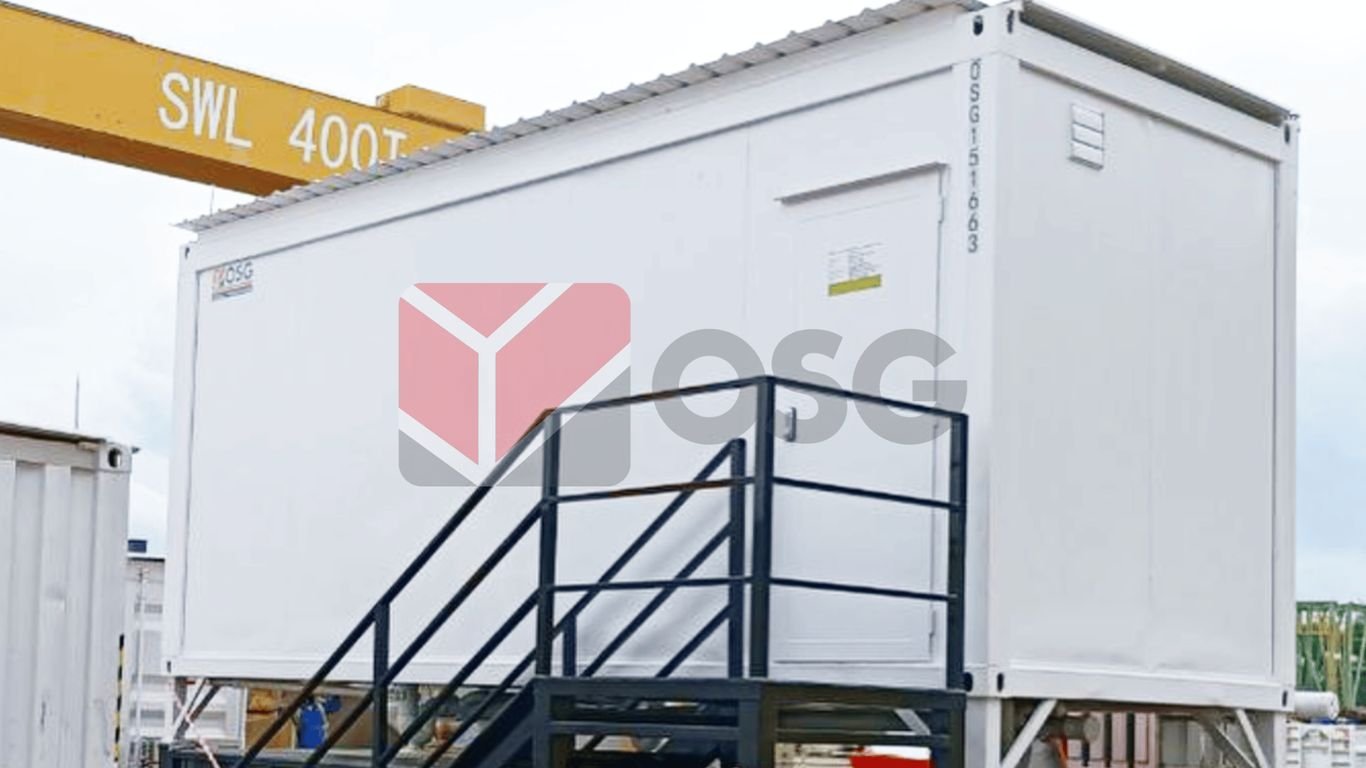
Ever found yourself with a short-term project and nowhere to stash materials or gear? Maybe you’re remodeling the house, running an event, or your business needs a quick storage fix. That’s where the idea to rent container units pops up. It sounds simple, but there’s more to it than just calling up a company and having a box dropped off. From picking the right size to sorting out costs and avoiding surprise fees, there’s a checklist you’ll want to follow. This guide walks you through the basics of renting containers for short-term projects, so you don’t end up with more headaches than solutions.
Key Takeaways
- Rent container units are a flexible choice for short-term projects, but costs can add up if the project drags on.
- Choosing the right container size and features up front saves money and hassle later.
- Always check for hidden fees—delivery, pickup, damage waivers, and cleaning can all sneak into your bill.
- Read the rental agreement closely, especially the rules about modifications and how to return the container.
- Pick a provider with good reviews and clear support policies to avoid trouble if something goes wrong.
Determining If Renting a Container Is Right for Your Project
Assessing Project Duration and Budget
Most people start by thinking about how long they’ll need the container and how much they’re willing to spend. Renting is often the first choice for short-term projects—maybe you need extra storage for a few weeks during a busy season, or a simple office for a temporary job site. If your project wraps up within a few months, renting keeps costs predictable and upfront.
Here’s a simple way to decide:
| Project Length | Rent or Buy? |
|---|---|
| 1-3 months | Rent |
| 3-12 months | Usually Rent |
| Over 12 months | Consider Buy |
Be aware that longer rental periods can end up costing more than just buying outright. Always ask yourself: If my project drags on, am I risking overruns in my budget?
- Set a realistic project timeline, not just your ideal dates.
- List out all known costs, including delivery and pickup.
- Give yourself a buffer, since project timelines rarely go exactly as planned.
Sometimes, the peace of mind in not having to handle resale or storage after the project is over is worth more than squeezing every dollar out of your budget.
Understanding When To Rent Instead of Buy
There are clear scenarios where renting just makes more sense. If your situation is changing a lot—like a startup testing new operations or a construction company needing space for a single site—renting lets you stay flexible. Renting also works well if:
- You want to try a container solution before you commit long-term.
- You’re not sure about future storage needs or project location.
- You don’t want the hassle of handling repairs, since most rental providers take care of that.
Renting can also get you a container fast—it’s often quicker than buying, as rental inventory is already prepped and ready. This quick turnaround can be critical when timing is tight. For operations that see changing demands, short-term rentals offer more adaptability than buying.
Weighing Flexibility Versus Long-Term Value
Flexibility is one of the main perks of renting—swap out containers, change your rental period, or simply return the unit if your needs change. But let’s be real: If you think you’ll need the container for more than a year, buying probably gives better long-term value.
Here’s what to consider:
- Renting means you don’t have to worry about maintenance or storage after your project ends.
- Buying may be cheaper in the long run for multi-year projects, but requires up-front investment and ongoing care.
- Rentals usually come with some restrictions on modifications and usage—make sure your plans for the container fit those rules.
If you’re stuck, it’s helpful to weigh your requirements against the flexibility rental offers, and think about any project extensions that might sneak up on you. Sometimes, working with a container supplier can help clarify what fits your unique project best.
There’s no single right answer, but asking honest questions about duration, budget, and flexibility goes a long way in making the choice easier.
Choosing the Best Container Size and Type for Short-Term Needs
Selecting the right rental container for a short-term project makes a big difference in cost, convenience, and usability. The main thing to think about is matching the container size and type with what you actually need. There’s a bit more to it than just picking the biggest box on the lot.
Comparing Standard and High Cube Containers
There are a few main types of steel containers, but most people rent either standard height or high cube versions. High cube containers (like a 40 high q container) offer about a foot of extra height compared to standard ones, which gives you more headroom for bulkier items or better air flow.
| Size Type | Dimensions (L x W x H, feet) | Typical Use |
|---|---|---|
| 20′ Standard | 20 x 8 x 8.5 | General storage, small projects, tight spaces |
| 40′ Standard | 40 x 8 x 8.5 | Larger loads, equipment, records |
| 40′ High Cube | 40 x 8 x 9.5 | Bulky materials, extra height, better air flow |
If you’re stacking pallets or storing tall items, a 40 high q container gives you more flexibility for not much extra cost. But if your job is short and you just need quick storage, a 20-footer can be easier to fit in smaller spaces.
Matching Size to Project Requirements
Before you pick a size, list exactly what you’ll be putting inside. Renting too big means you’ll overpay; going too small will just cause headaches. Here’s how to get it right:
- Estimate the total volume of materials or equipment you’ll store.
- Measure larger items (machines, furniture) to make sure they’ll fit.
- Consider access: do you need to walk inside the container with room to spare?
- Think about where the container will be placed and whether you’re restricted by space or local regulations.
Sometimes, people rent a big 40 high q container thinking it’s safer to go up a size, but if your site is small, delivery can be a nightmare. Always check site access first and measure twice.
Selecting Special Features or Modifications
Short-term projects can still benefit from extra features if you know what to look for. While full customization is limited for rental containers, many providers offer basic add-ons:
-
- Lock boxes or padlock shields for better security
- Shelving/racks for organizing tools & supplies
- Ventilation or climate control for sensitive items
- Lighting if you’ll access the unit at night
- Ask about container condition—some companies rent out newer, cleaner containers for a bit more, which is worth it if you need a clean workspace.
For more ideas on picking the right container type and options, consider expert container selection tips to help you avoid surprises before your project even starts.
Picking the right container—especially sizing up standard versus high cube, matching your actual needs, and knowing which custom features you really need—takes a bit of planning, but it pays off with fewer hassles once your project gets underway.
Evaluating Container Rental Costs and Budget Considerations
Renting a container might seem straightforward, but the costs can sneak up on you if you’re not careful. Here’s what you actually need to know before you sign any paperwork or hand over your credit card.
Monthly Rental and Delivery Fees
Most providers quote a monthly rental fee that seems like a bargain—until you add in the extras. It’s common to see a 20 ft container for around $150 a month and a 40 ft one for $180 per month. But these prices are just for the rental itself. Delivery and pick-up often cost extra, and those charges vary depending on how far your project site is from the supplier. Sometimes, the delivery fee can nearly double the first month’s bill, so always ask for a full cost breakdown. For businesses needing flexibility, rental services often allow you to swap containers or add features as needs change, as noted by many container rental companies embracing convenient add-ons.
| Container Size | Typical Monthly Rental | Delivery Fee (Range) |
|---|---|---|
| 20 ft | $150 | $100–$400 |
| 40 ft | $180 | $100–$400 |
Make sure to factor in delivery and pickup, not just the headline monthly rate. These one-time costs can tip your overall budget if you overlook them.
Hidden Charges to Watch For
Once you’ve settled on a base rate, read the fine print—seriously. Other fees can include:
- Damage waivers or insurance (sometimes non-optional)
- Locks and security devices (often rented or purchased separately)
- Cleaning or late return fees
- Charges for any needed repairs on return, even for minor dings or graffiti
It’s not uncommon for rental costs to creep past the price of outright purchase if your project runs longer than expected. If you anticipate a long-term use, compare rental versus buying—sometimes, renting containers is only cost-effective for short-term needs.
Price Factors: Size, Condition, and Duration
Suppliers set their rates based on several variables:
- Size: Bigger containers cost more, but sometimes offer better value per cubic foot.
- Condition: New or refurbished containers might cost extra but can be worth it if appearance or cleanliness matters.
- Rental Duration: A longer rental often brings discounts, while short projects may pay a premium. Watch for minimum rental periods.
| Price Factor | Impact on Cost |
|---|---|
| Container Size | Larger sizes = higher monthly cost |
| Condition | New or pristine = higher rates |
| Rental Duration | Longer term = lower per-month rate |
Don’t just look at the cheapest monthly price. Sometimes, a more reputable provider includes more services in their rate—like maintenance or better customer support—which can save time and frustration.
Making a thorough checklist and gathering quotes from local suppliers will help you avoid surprises and stick to your budget when it comes to shipping container rentals.
Finding a Reliable Rent Container Provider
Securing the right cargo container for your short-term project isn’t just about getting the lowest price—you also want to trust that the provider is dependable and the container will arrive as promised. Here’s how you can filter through the choices, whether you’re seeking a container Singapore supplier for a quick renovation or extra storage.
Researching Local and National Suppliers
- Start with reputable companies that have a proven history in the industry. Experience is a good indicator that a supplier can deliver on their promises.
- Check if they specialize in cargo container rentals for short-term projects versus only selling.
- Compare both local teams and national brands. Locals might be more flexible with delivery times, while larger companies may have more variety.
- Always ask what’s currently in stock, because peak season and urgent jobs can limit what’s available—especially for special container types.
- If you’re looking for quality and long-term benefit, it’s smart to focus on choosing reputable suppliers and checking what warranty or support options come with their containers.
Checking Reviews and Industry Credentials
If possible, dig into:
- Online customer reviews on independent platforms
- Testimonials or word-of-mouth from contacts with similar projects
- Their registration with industry associations or trade organizations
A company with a trail of satisfied customers (and few unresolved complaints) is less risky. Make sure their cargo containers meet safety standards, especially when searching for container Singapore rentals.
Don’t just accept the first quote you get. Pricing that’s too good to be true can signal poor service or hidden fees around delivery or maintenance.
Understanding Supplier Support and Maintenance Policies
Ask these practical questions upfront:
- Who handles drop-off and pick-up logistics? Double check delivery timelines and any flexibility for delays or quick changes.
- What happens if the container arrives damaged, or develops a problem during the rental? (Ask about quick replacements and what maintenance is covered.)
- Are emergency contacts or quick fixes available, or does everything wait for standard business hours?
It helps to see the rental comparison in a quick chart:
| Supplier Feature | Local Provider | National Brand |
|---|---|---|
| Quick Delivery | Often Faster | Sometimes Slower |
| Container Selection | Limited Range | Broad Range |
| On-the-Spot Service | Usually Yes | Sometimes |
| Maintenance Response | Typically Fast | May Vary |
These checks prevent surprises, especially when every hour counts on a short-term project. Whether you end up renting from a container Singapore firm or a larger outfit, asking the right questions now can save you hassle later.
Navigating the Rent Container Agreement and Terms
Getting a shipping container rental lined up sounds easy—until you’re handed a contract that feels more like a homework assignment than anything else. Before you sign anything, it’s worth knowing what actually matters so you’re not left guessing down the line. Here’s what to look out for as you move through the paperwork and small print.
Key Rental Period Options and Flexibility
Most rental companies offer several time frames to rent a container, from a few days to several months—some even allow open-ended terms. But not every provider is the same. Whenever you get a quote, ask about:
- Minimum and maximum rental duration
- Options for extending or shortening your rental if your project changes
- What happens if you need to return the container early (or keep it longer)
A quick phone call or email can clear this up fast, and it’s best to double-check before you lock anything in. Some companies, like Sydney shipping containers, allow some flexibility, so make sure you know where you stand.
Clauses on Care, Maintenance, and Returns
You’re responsible for the container’s condition, but the details differ by company. Here are common points to watch for:
- Who covers basic upkeep, such as cleaning and minor dings
- Rules on modifying or attaching anything to the unit
- Instructions for how to return the container (cleaned, emptied, and undamaged)
Here’s a quick table showing who does what:
| Task | Usually on You | Usually on Provider |
|---|---|---|
| General Cleaning | ✔️ | |
| Repairs (normal wear) | ✔️ | |
| Major Damage Costs | ✔️ | |
| Scheduled Maintenance | ✔️ |
If the agreement says you’ll be charged for anything more than reasonable wear, get specifics—some companies are stricter than others.
Reading the Fine Print: Permits, Insurance, and Restrictions
Even if you think you’ve covered it all, the fine print can sneak up on you. Common things to scan for include:
- Details on permits—some towns or cities need paperwork before a container is dropped off. Don’t skip this or you might end up with a surprise city fine.
- Insurance coverage—some contracts want you to provide insurance, some don’t. Know where your stuff stands in case of damage or theft.
- Rules on where the container can sit (driveways, worksites, etc.) or what you can store inside it.
Take ten minutes to go over the contract word-for-word, even if it seems boring. A bit of patience now could keep you out of a huge headache later on.
It’s not about catching the company out, but making sure nothing gets missed. When stuff falls through the cracks, it’s almost always the renter, not the rental company, who gets stuck with the bill.
Preparing for Container Delivery and On-Site Setup
Getting a 20 ft sea container delivered to your project site sounds simple enough, but there are a few steps you shouldn’t skip. A little prep work ahead of time keeps the whole rental experience running smooth.
Ensuring Site Accessibility and Permits
Before your container shows up, run through these important points:
- Make sure the site is level and stable—compact the ground, or lay down gravel or a concrete pad if the soil is soft.
- Check the delivery route. A truck will need enough clearance to maneuver—watch for overhead wires, trees, and tight corners.
- Review your local rules. Some towns want permits for container placement, even short-term. Avoid fines and headaches by sorting this out first. You can find more details about site prep and legal steps in this process summary.
Coordinating Delivery Schedules
Miscommunication about when your container arrives leads to chaos. Coordinating delivery involves:
- Agreeing on a set date and window for drop-off.
- Making sure someone from your team can meet the truck on site.
- Confirming you’ve got equipment (like a forklift or crane) if your rental needs extra help for placement.
Typical 20 ft Sea Container Delivery Logistics
| Task | Who Handles It | Notes |
|---|---|---|
| Schedule delivery & pickup | Rental company/user | Confirm exact dates/times |
| Site prep | User | Level, stable surface needed |
| Equipment for offloading | Rental company/user | Some trucks have tilt-beds |
| Meet driver on site | User | Essential for placement guidance |
Verifying Container Condition Upon Arrival
When your 20 ft sea container arrives, don’t just sign and walk away. Inspect it thoroughly:
- Look for obvious damage—dents, rust, holes in the walls or roof.
- Check that door seals are tight and functional. Bad seals let in water and pests.
- Inspect the floor closely for soft spots, stains, or rot.
Take photos of any issues right away. Report concerns to the rental provider on the spot, so there’s a record if disputes pop up later. Also, if you’re thinking long-term, regular maintenance can help avoid bigger problems—just something to keep in mind, based on tips in buying vs. renting container advice.
A container that arrives in bad shape can ruin your whole project timeline. If you spot anything off, speak up immediately—it’s much easier to sort issues before the delivery truck leaves than to fight about it later.
Common Challenges and Limitations When You Rent a Container
Renting a container for a short-term project seems straightforward, but there are plenty of snags that can catch you off guard. It’s not always a perfect fit for complicated or quickly changing projects. If you haven’t rented one before, here’s what you might want to keep in mind before signing any paperwork.
Customization Restrictions and Usage Limits
Think you can just add a window, slap on some insulation, or cut new doors into your rented container? Think again. Most rental companies keep a tight lid on alterations since they expect to get the container back in its original condition.
- Renters usually cannot drill holes, weld, or alter the structure.
- Using the container for anything besides storage (like turning it into an office) often requires upfront negotiation.
- Certain materials, hazardous items, or heavy-duty machinery are prohibited or need special permission, which is worth clarifying before you commit.
Even basic requests like adding extra locks or basic shelving may be rejected by the rental provider.
This limitation can get frustrating fast if your project needs a truly custom setup, especially for construction or event use. For more on size or modification limits, check with professionals who know about structural modification complexity.
Availability Issues During Peak Demand
Don’t assume a container will always be on hand. During busy times, such as spring construction fever or the holidays when everyone wants storage, options shrink and rental prices can shoot up.
Here’s how peak demand can mess with your plans:
- Popular sizes (20ft, 40ft) may need advance booking.
- Type, like refrigerated or modified units, might be completely out of stock when you need them.
- Late deliveries or rescheduling can disrupt your project timeline.
Average Wait Times During Peak Months
| Container Type | Standard Wait Time | Peak Season Wait Time |
|---|---|---|
| Standard (20ft) | 3-5 days | 1-2 weeks |
| High Cube (40ft) | 7 days | 2-3 weeks |
| Refrigerated | 1 week | 3-4 weeks |
When timing is tight, coordinating delivery becomes a project on its own. Tracking down a container during these periods can mean paying more or having to compromise on features. Sometimes, logistical glitches—like missed deliveries—downright stall your plans, especially if your area relies heavily on seasonal work. Specific container needs, like cold storage, may run into extra obstacles around complex leasing terms and limited supply.
Potential Long-Term Cost Pitfalls
At first, a monthly rental fee seems cheap compared to buying a container outright. But costs can really pile up if your project drags on.
- Rental fees often increase after the base period.
- Added costs: damage waivers, cleaning fees, and emergency pickups are usually extra.
- Graffiti, dents, or even just a late return can mean hefty bills when you’re done.
If your project goes longer than expected, what was meant to be a temporary fix can get expensive. Over six months, you might have paid enough in rent to buy a used container instead. Here’s a quick look at what the fees can add up to over time:
6-Month Cost Breakdown (Standard 20ft Rental)
| Fee Type | Estimated Cost |
|---|---|
| Monthly Rental (x6) | $1,200 |
| Delivery & Pickup | $300 |
| Damage Waiver | $90 |
| Cleaning/Late Fees | $100 |
| Total | $1,690 |
Projects that slide past the initial deadline are the ones most likely to feel the pinch of rental fee creep.
To wrap it up, renting a container can work great for a quick job, but the moment your plan changes or needs get more complicated, you’ll run into these headaches. The key is thinking about timing, budget, and project specifics right from the start, so you don’t end up frustrated—or overspending—down the road.
Conclusion
So, that’s the rundown on renting containers for short-term projects. It’s not rocket science, but there are a few things to keep in mind. Renting can be a real lifesaver if you need extra space for a few months or want to avoid a big upfront cost. Just remember to read the fine print, ask about hidden fees, and double-check the container’s condition when it arrives. If your project drags on longer than planned (and let’s be honest, they usually do), keep an eye on those rental costs—they can sneak up on you. And if you find yourself needing a container for the long haul, it might be worth looking into buying instead. Either way, take your time, compare your options, and don’t be afraid to ask questions. Renting a container doesn’t have to be stressful, and with a little planning, you’ll find the right fit for your project.
Frequently Asked Questions
How long can I rent a shipping container for a short-term project?
Most rental companies let you rent a container for as little as a week, but you can also keep it for several months. If your project goes beyond six months, it might be cheaper to buy a container instead of renting.
What size container should I choose for my project?
The best size depends on what you need to store or move. The most common sizes are 20-foot and 40-foot containers. If you only have a few things or a small space, a 10-foot or 20-foot container is usually enough. For bigger jobs, like moving a whole house or storing lots of equipment, a 40-foot container works better.
Are there any extra costs besides the monthly rental fee?
Yes, there can be extra charges like delivery and pickup fees, cleaning fees, damage waivers, or late return fees. Sometimes, you might also have to pay for locks or if the container gets damaged while you use it.
Can I make changes or add features to a rented container?
Most rental companies do not allow you to make big changes, like cutting holes for windows or adding shelves. If you need special features, ask the rental company if they can provide a modified container before you rent.
Do I need a permit or special permission to have a container on my property?
It depends on where you live and where you plan to put the container. Some cities or neighborhoods require permits, especially if the container will be on the street or in a driveway. Always check local rules before you rent.
What should I check when the container is delivered?
When your container arrives, look it over for any damage, rust, or leaks. Make sure the doors open and close easily. If you notice any problems, tell the rental company right away so you don’t get charged for damage you didn’t cause.