Singapore
 Australia
 Indonesia
 Japan
Japan Malaysia
 New Zealand
 Philippines
 South Korea
 Taiwan
 Thailand
 VIETNAM
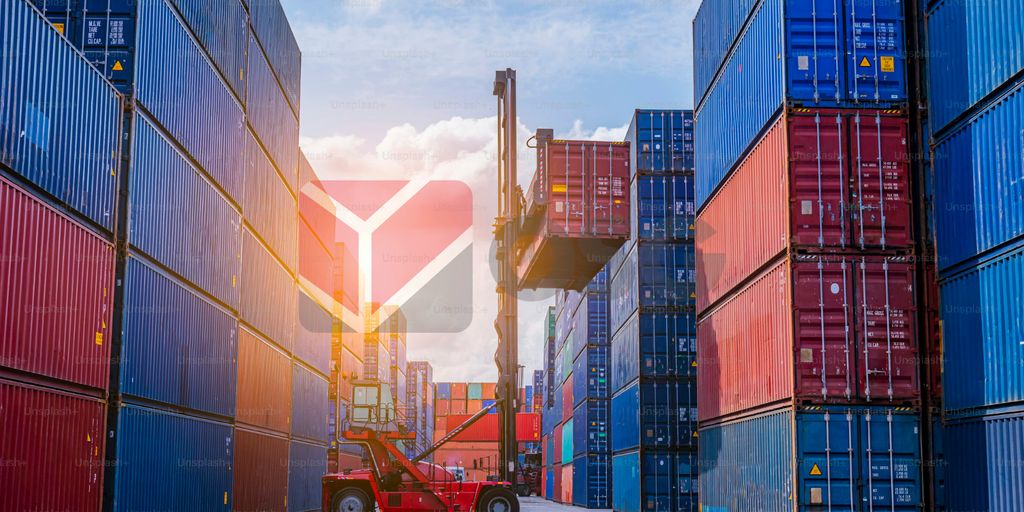
Thinking about moving liquids or bulk materials? You might have heard about ISO tanks, and for good reason. These big metal containers are everywhere in shipping, but what exactly makes them tick? They’re not just giant barrels on frames; there’s a lot more to them. This guide will break down what an iso tank is, why they’re so useful, and how they get from point A to point B safely. We’ll cover their parts, how to store them, and what happens to them over time. Get ready to learn all about these workhorses of the transport world.
Key Takeaways
- ISO tanks are standardized, reusable containers for bulk liquid transport via ship, train, or truck.
- Their design, often based on 20-foot shipping container dimensions, allows for easy handling with standard equipment.
- Key external parts like loading and discharge valves are vital for safe and efficient operation.
- Proper storage and regular maintenance are critical for the integrity and safety of the iso tank and its contents.
- Transporting an iso tank requires strict adherence to inspection, certification, and documentation procedures.
Understanding ISO Tank Containers
What is an ISO Tank Container?
An ISO tank container, often just called an ISO tank, is basically a big, strong tank for moving liquids, gases, or even powders in bulk. The "ISO" part comes from the International Organization for Standardization, which sets the rules for how these tanks are made. This means they’re built to fit with all sorts of transport – ships, trains, and trucks. They’re tough, made to handle the bumps and shakes of global shipping, and resist corrosion, keeping whatever’s inside safe and sound. They’re a good choice for moving both regular and more hazardous stuff.
Key Features of ISO Tanks
- Standardized Dimensions: Most ISO tanks have the same outer frame as regular 20-foot shipping containers. Think 20 feet long, 8 feet wide, and 8.5 feet tall. This makes them easy to stack and handle with standard equipment, just like other ship containers.
- Construction: The inside part, the actual tank, is usually made of stainless steel. This is good because it doesn’t react with most chemicals and keeps things clean, which is important for food or sensitive products.
- Protection: Around the stainless steel tank, there’s insulation to help keep the temperature steady, and then an outer shell, often aluminum, to protect it all. This is a bit like how a reefer refrigerated container works to keep things cool, but for ISO tanks, it’s more about maintaining a specific temperature range for the cargo.
| Tank Type | Capacity (Liters) | Dimensions (L x W x H) | Best For |
|---|---|---|---|
| Standard | 17,500 – 26,000 | 20′ x 8′ x 8.5′ | Chemicals, non-hazardous liquids |
| Swap Body | Up to 35,000 | 23′-25′ x 8′ x 8.5′ | Food-grade oils, pharmaceuticals |
Benefits of Using ISO Tanks
Using ISO tanks really makes sense for a lot of businesses. They’re way more efficient than using smaller drums or bags for bulk liquids. Plus, they’re built to be used over and over, which cuts down on waste. Because they’re standardized, you don’t have to worry about whether they’ll fit on a ship or a train; they just work with the existing systems. This makes moving goods between different types of transport much simpler.
ISO tanks are a smart choice for moving liquids and gases because they’re designed for safety, efficiency, and compatibility with global shipping networks. They offer a reliable way to transport a wide variety of products across different modes of transport.
Essential External Components of ISO Tanks
When you look at an ISO tank, you see a big metal box, right? But there’s a lot more going on with its exterior than meets the eye. These parts are super important for getting stuff in and out safely and keeping everything stable. Think of them as the tank’s vital organs, each with a specific job.
Top Loading Valve
This is where the magic happens – or at least, where the cargo goes in. The top loading provision, which includes this valve, is designed for filling the tank. Depending on what you’re hauling, you’ll find different types of hatches, valves, and connections here to make sure the loading process is smooth and contained. It’s all about getting the product in without a mess.
Discharge Valve
Just as important as getting stuff in is getting it out. The discharge valve is located at the bottom of the tank. It’s the exit point for your cargo. This valve needs to be robust and easy to operate, but also secure enough to prevent any accidental leaks during transit. It’s usually connected to a piping system that allows for controlled unloading.
Manifold and Safety Devices
This is kind of a catch-all for a few other critical bits. You’ve got things like the manhole, which is a hatch big enough for someone to get inside for cleaning or inspections – usually around 500mm. Then there’s the Pressure/Vacuum Relief Valve (P/V Valve). This thing is a lifesaver, literally. It automatically opens if the pressure inside the tank gets too high or too low, preventing the tank from bursting or collapsing. It’s a key safety feature. You might also see an airline valve, used for pressurizing the tank to help with discharge. All these components work together to keep the operation safe and efficient. You’ll often find these grouped together, sometimes near a small structure that acts like a ‘guard house’ for the controls and safety equipment.
The Importance of ISO Tank Storage
Storing ISO tanks properly is a big deal, not just for keeping the stuff inside safe, but also for making sure the tank itself doesn’t get messed up. Think of it like parking your car – you wouldn’t just leave it anywhere, right? Same idea here, but with much bigger, heavier containers carrying potentially tricky liquids.
Secure Storage Facilities
When you’re looking for a place to park your ISO tank, you need to be picky. It’s not just about finding an empty spot. You want a place that’s secure, meaning it’s not easy for just anyone to wander in and mess with the tank. Good ventilation is also key, especially if you’re storing chemicals that might give off fumes. You also want to avoid places where the tank could get banged up or contaminated by other things. Some facilities have special barriers or can control the temperature, which is a bonus depending on what you’re hauling.
Proper Handling and Maintenance
Handling these tanks isn’t like moving a pallet. You need the right equipment, like a forklift or a crane that’s up to the job, and people who know what they’re doing. Regular checks are also important. You’ve got to look for any signs of wear and tear, leaks, or damage to the frame or the tank itself. Keeping up with maintenance means the tank lasts longer and stays safe to use. It’s a bit like taking your car for oil changes; you do it to prevent bigger problems down the road.
Record Keeping for Compliance
This part might sound boring, but it’s super important. You need to keep track of everything related to each tank. What was in it last? When was it last inspected? Does it have all the right certifications for the stuff it’s carrying? Having all this information handy is what regulators want to see. It proves you’re following the rules and that you’re serious about safety. Without good records, you could run into trouble with inspections or even have issues if something goes wrong.
How to Transport ISO Tanks
Transporting ISO tanks is a pretty involved process, and getting it wrong can lead to big problems. It’s not just about slapping a tank on a truck and calling it a day. There are rules, checks, and specific ways to do things to keep everyone and everything safe. The goal is always to move the cargo without any spills or damage, and that means following a strict set of procedures.
Inspection and Certification
Before any ISO tank hits the road, rail, or sea, it needs a thorough check-up. Think of it like a car needing an inspection before you can legally drive it. This isn’t just a quick look-over; it’s a detailed examination to make sure the tank is in good shape and suitable for the specific product it’s going to carry. This includes checking the tank’s shell, valves, seals, and any safety equipment. It also needs to be certified, meaning it meets all the international standards for that type of transport and cargo. Without the right paperwork and a clean bill of health, the tank simply can’t move.
Loading and Securing Procedures
Once the tank is cleared for travel, the next step is getting it loaded and making sure it stays put. This is where specialized equipment and trained personnel come in. Tanks are typically loaded onto trucks with special chassis, onto rail cars, or onto ships. The key here is securing the tank properly. This usually involves using twist locks and other fastening systems to prevent any movement during transit. Imagine a big, heavy tank shifting around on a bumpy road – not good. So, they’re locked down tight to the transport vehicle.
Documentation and Regulatory Compliance
This part is super important and often overlooked by people outside the industry. Every single ISO tank shipment needs a stack of documents. This includes things like the tank’s inspection certificates, a dangerous goods declaration if applicable, and shipping papers. Different countries and different types of cargo have their own specific rules and regulations that must be followed. It’s a lot like making sure you have all your passports and visas before an international trip, but for cargo. Staying on top of all this paperwork is what keeps things legal and prevents costly delays or fines.
ISO Tank Versatility and Applications
Chemical Transport Solutions
ISO tanks are really good for moving chemicals around. They’re built tough, usually from stainless steel, which means they don’t react with most of the stuff you put in them. This is super important for hazardous materials, you know, the ones that can be dangerous if they leak or get contaminated. Because they’re standardized, you can move them easily between ships, trains, and trucks without having to repackage anything. This saves a lot of time and hassle, and it’s way safer than using smaller containers like drums.
Food and Beverage Logistics
When it comes to food and drinks, keeping things clean and at the right temperature is key. ISO tanks are perfect for this. Many are made with food-grade materials, so your juice, wine, or cooking oil stays pure. Some tanks even have special heating or cooling systems built-in, which is great for products that need to stay chilled or warm during their journey. Think about transporting milk or sensitive ingredients – an ISO tank keeps them safe and sound from the factory to the store.
Pharmaceutical Cargo Integrity
For medicines and other pharma products, you can’t mess around with quality. ISO tanks offer a controlled environment that’s really important for these sensitive goods. They can be designed to maintain very specific temperature ranges, and the materials used prevent any contamination. This means that the drugs or medical supplies arrive at their destination just as they should, without any loss of effectiveness. It’s all about making sure that what’s inside stays exactly as it needs to be.
The Lifecycle of an ISO Tank Container
So, you’ve heard about ISO tanks, but what happens to them from the moment they’re made until they’re, well, no longer in service? It’s a whole journey, really. Think of it like a car, but for bulk liquids. They don’t just appear out of nowhere, and they don’t last forever without some attention.
Manufacturing Process
Making an ISO tank is a pretty involved process. It starts with the inner vessel, usually made from stainless steel. This is the part that actually holds your chemicals or food products. Then comes the insulation, often a thick layer of foam, to keep things at the right temperature. Over that, you’ve got the protective outer shell, typically made of metal like aluminum. This whole assembly is then fitted into a sturdy frame, which is what makes it look like a standard shipping container and allows it to be handled by cranes and loaded onto ships or trucks. Every step needs to be precise to make sure it’s safe and can handle the pressure.
Operational Use and Maintenance
Once a tank is built and certified, it starts its working life. This involves being filled, transported, emptied, and then often cleaned and refilled for another trip. During this time, regular checks are super important. This isn’t just about giving it a quick wash; it includes things like pressure testing, checking for any leaks, and making sure the valves and safety equipment are in good working order. The frequency of these checks depends on what’s being carried and the regulations in place. It’s all about preventing problems before they happen.
End-of-Life Considerations
Like anything, ISO tanks eventually reach the end of their useful life. This usually happens after a certain number of years or when they fail a critical inspection. When that time comes, they aren’t just thrown away. Often, the valuable stainless steel and other materials can be recycled. Sometimes, older tanks might be repurposed for less demanding uses, but for transporting hazardous materials, they have to meet strict safety standards. So, when a tank is retired, it’s usually a planned process to make sure everything is handled responsibly.
Wrapping It Up
So, we’ve gone over what ISO tanks are, how they’re built, and why they’re such a big deal in moving liquids around. They’re tough, they’re safe, and they just make sense for a lot of different jobs, from chemicals to food. Thinking about how they stack up against other options, like drums or those flexible tanks, it’s pretty clear why these metal boxes are the go-to for so many companies. They really are a smart way to get your liquids from point A to point B, especially if you’re working across different countries or even just different parts of the US. They might seem like just another big container, but there’s a lot of thought and engineering that goes into making them work so well.
Frequently Asked Questions
What exactly is an ISO tank?
ISO tanks are large, metal containers built to safely move liquids and some solids, like chemicals or food products, using trucks, trains, or ships. They are designed to fit standard shipping equipment worldwide.
Why are ISO tanks better than other ways to ship liquids?
ISO tanks are great because they can carry a lot of liquid at once, are strong and reusable, and help reduce waste compared to smaller containers like drums. They also keep the contents safe and at the right temperature.
What are the important outside parts of an ISO tank?
Key parts include the top valve for filling and the bottom valve for emptying. There are also safety devices like pressure relief valves to prevent problems. These parts make sure the liquid goes in and out safely.
What’s important about storing ISO tanks properly?
ISO tanks need to be stored in safe, well-kept places that are also airy. It’s important to keep records of what’s inside, when it was last checked, and any repairs made to follow the rules and keep things safe.
How do you safely transport an ISO tank?
Before moving an ISO tank, it must be checked and approved to make sure it’s safe for the journey. Loading and securing it properly onto a truck, train, or ship is crucial, and all the right papers must be in order.
What kinds of things can be shipped in ISO tanks?
ISO tanks are used for many things, like shipping chemicals, drinks, and even medicines. Their design helps keep sensitive items pure and protected during their travels.